

Black Garlic Nutrients: Health Benefits
Did you know there is a type of garlic that is sweet and tangy at the same time? Black garlic nutrients stand in a league of their own and just one ounce is packed with powerful antioxidants and healthy compounds. The flavor is deep, a little smoky, and strangely gentle. This past weekend, I whipped up a black garlic aioli to drizzle over burger patties and I shamelessly licked the spoon afterward. Once you experience it, you will not go back to boring burgers again.
As a home cook, you may want bold flavors and health perks in one bite. That is where black garlic nutrients come in, turning every meal into a well-being boost. This guide to black garlic vs. regular garlic will break it all down for you, making it easy and fun to upgrade your pantry. Ready to dive in?
Introduction to Black Garlic and Regular Garlic
Garlic has been the MVP in kitchens all over the world for thousands of years. It’s famous for spicing up everything from chicken and pasta to homemade bread. But if you thought you knew garlic, wait until you try black garlic. Black garlic looks exotic and dramatic with its deep, inky cloves, but it doesn’t bite you back the way raw garlic does. Instead, it offers a gentle sweetness that hangs around on your tongue, kind of like molasses with a secret savory twist.
This jet-black version doesn’t just pack a punch of flavor, though. When you taste black garlic side by side with its pale cousin, you’ll spot plenty of differences. While both came from the same allium family tree, they split off on very different paths.
Black Garlic Health Components and Nutrient Properties
Black garlic develops its rich, tangy flavor after the cloves spend several weeks at specific temperatures and humidity. This slow transformation softens its flavor but beefs up some interesting qualities, too. Black Garlic Nutrients step into the spotlight thanks to this unique process. Amino acids, antioxidants, and some vitamins actually increase. You get that gentle taste without missing many of the elements that make regular garlic such a superstar ingredient.
If you love garlic but hate trying to find it or always run out at the wrong time, black garlic can be more elusive. Smaller grocery stores might not carry it, and finding high-quality black garlic can seem as rare as finding a four-leaf clover on St. Patrick’s Day. Don’t worry, though. With a little know-how (and possibly some good online sources), you’ll be able to stock up and lean on black garlic when your palette is craving more than a punch of “plain old garlic.”
So whether you are a garlic enthusiast or new to this ingredient, opening the door to black garlic means opening the door to new flavors, nutrients, and cooking adventures. In particular, Black Garlic Nutrients add an extra punch of health benefits and taste, setting your meals apart from the ordinary. If you want a sneak peek of the real flavor differences, check out Black Garlic Vs Regular Garlic: Sweetness Meets Pungency.
The Fermentation Process: How Black Garlic is Made
If you’ve ever wondered how garlic transforms from its usual sharp personality into the sweet, sticky treasure known as black garlic, the secret is all about fermentation. Black garlic is regular garlic that has been aged at low heat and high humidity for several weeks. That simple-sounding process actually triggers a ton of science-y magic inside each clove.
How Fermentation Unlocks Nutrients in Black Garlic
The magic begins when raw garlic bulbs are kept in a controlled environment. Usually, they sit cozy at around 140–170°F with 80–90 percent humidity. Instead of sprouting or drying out, the garlic goes through the Maillard reaction. That fancy term stands for the time, heat, and chemical change that darkens the flesh, softens its punch, and sweetens the taste. Thanks to this slow burn, black garlic becomes rich, complex, and savory sweet.
Here’s why that matters: Time and heat don’t just change the look and taste of garlic. They actually make black garlic nutrients more available to your body and boost healthy compounds like S-allylcysteine. This natural process increases black garlic’s antioxidant content compared to its raw cousin. I like to think of it as Mother Nature’s slow-cooked super snack.
The challenge, of course, is that finding good black garlic at your local market can be hit-or-miss. Most people aren’t going to sit around and mind a home setup for three-plus weeks. If you do want to try making it at home, you’ll need patience and persistence—plus a dedicated rice cooker, garlic bulbs, and some strategic ventilation. Otherwise, keep your eyes open at farmer’s markets or specialty shops, or look online for enterprising small-batch makers.
However you come by your black garlic, now you see why it developed its squishy-soft texture and totally unique taste. The natural fermentation process not only preserves every precious clove: It unlocks even more black garlic nutrients and ramps up its culinary versatility.
Black Garlic Nutrients: A Closer Look at Its Health Benefits
When you crack open a clove of black garlic, you open a doorway to a world of nutrients—not just flavor. Let’s explore black garlic nutrients and what they mean for your health. Regular garlic has plenty to offer, but the fermentation process supercharges certain elements inside the clove.
Black Garlic Nutrient Content by the Numbers
Here’s a quick look at how black garlic stacks up compared to regular garlic:
One major highlight of the black garlic nutrient content is its levels of S-allyl cysteine (SAC). This compound supports heart health. Black garlic is also loaded with antioxidants, making it a favorite among health-conscious cooks like me.
Antioxidants protect your cells from stress. They may help fight inflammation and the effects of daily wear and tear. Vitamin C drops some during fermentation, but black garlic still brings important minerals, such as calcium, magnesium, and potassium.
The big showstopper, though, is how easy black garlic is on the stomach. Black garlic nutrients can make it easier to enjoy for those who usually shy away from raw cloves. You can eat more without the stomach trouble or strong breath.
If you want to learn about how each nutrient supports your wellness journey, discover more here. Black garlic is an enjoyable way to sneak more nutrition into meals, and makes busy weeknights a little more fun. Keep reading and you’ll learn even more about how those new flavors and textures benefit your health.
Comparing the Nutrient Profile of Black Garlic and Regular Garlic
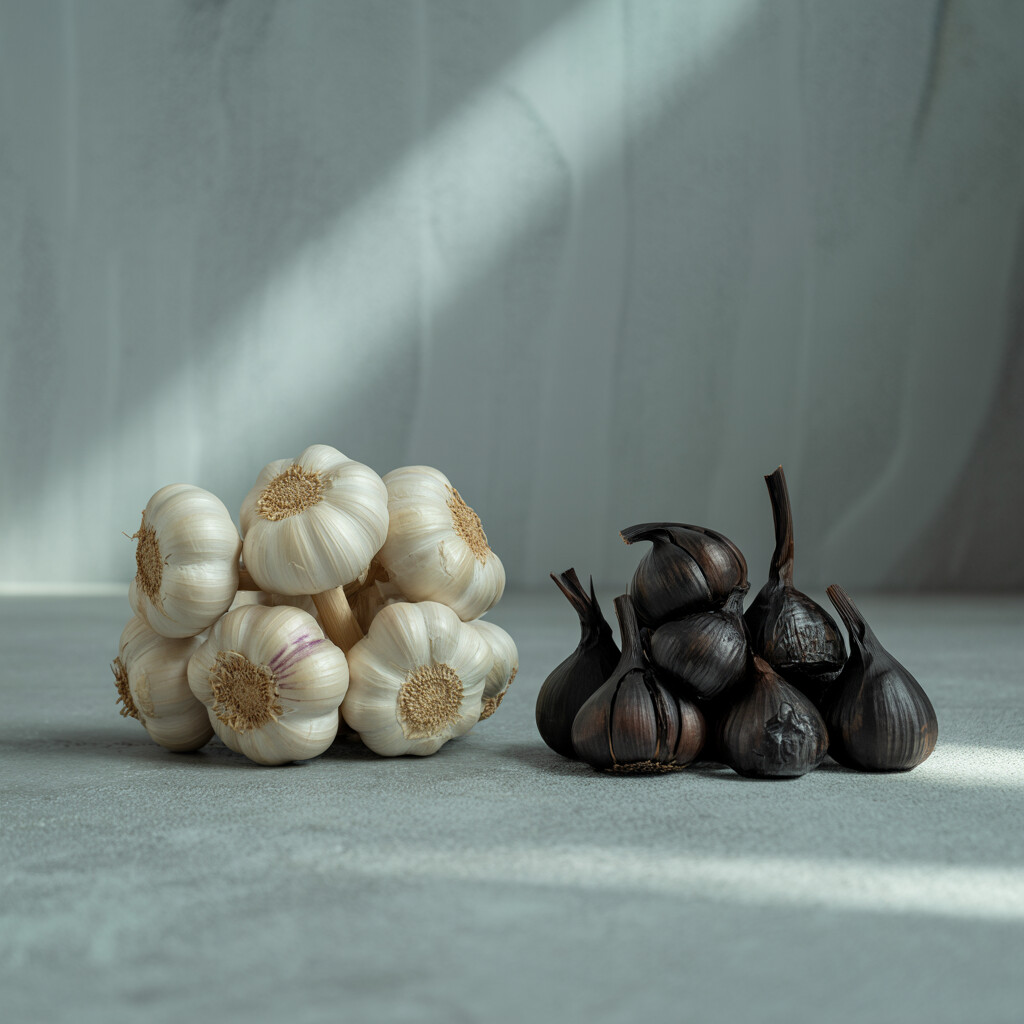
Garlic lovers, this is your moment: is black garlic really the nutrition superhero compared to regular white bulbs? Let’s break it down together. We’ll look at the Black Garlic nutrients, vitamins, and minerals so you can make the best choice for your mealtime.
Nutritional Showdown: Black Garlic and Regular Garlic Side by Side
Regular garlic bursts with natural compounds like allicin, vitamin C, potassium, and selenium. Your body uses these to ward off colds and boost heart health. When white garlic is transformed into black garlic using gentle heat and humidity, a bit like slow-cooking a pulled pork recipe, that’s when the magic happens.
The fermentation process in black garlic creates new antioxidants. Some nutrients drop slightly, but others, like S-allyl cysteine, actually go up. Researchers think S-allyl cysteine helps with heart health and maintaining steady energy levels. Plus, the lower allicin, milder flavor, and easier digestibility of black garlic make it a better choice for folks with sensitive stomachs.
So, which is truly more nutritious? The answer depends on what you need. Craving an immune boost? Pick regular garlic. Interested in powerful antioxidants, umami sweetness, and potential anti-inflammatory effects? Reach for black garlic every time.
Getting your hands on fresh, quality black garlic can be tough at regular grocery stores. But for reliable freshness and the full boost of Black Garlic nutrients, it’s worth seeking out specialty stores or well-known online suppliers.
Curious about exactly how these two types compare in the kitchen? Check out our guide to the key differences in flavor and nutrition, and get ready to be surprised!
Black Garlic Vitamins and Minerals: What Sets It Apart

Black garlic takes center stage not just for its sweet, mellow flavor but also for its impressive lineup of Black Garlic Nutrients. After its slow transformation from fresh to black, the nutritional profile gets an upgrade—not in calories or basic carbs, but in those little extras your body loves. The fermentation process spikes the levels of some antioxidants and unique compounds compared to fresh garlic, and I’m always surprised at how much more my energy stays steady after a black garlic snack.
Standout Nutrients in Black Garlic
If you look close at the unique nutrient profile of black garlic, a few stars shine pretty bright. Here’s the lowdown:
- S-Allyl-cysteine (SAC): This compound forms when garlic turns black. SAC is linked to keeping cholesterol levels in check and may shield your cells from everyday stress.
- Allicin: While regular garlic is famous for this, black garlic has less. But, allicin’s “children” (SAC and other sulfur-based compounds) get more stable in the black version, still doing a lot of heavy lifting in your body.
- Polyphenols and flavonoids: Black garlic gains a decent bump in these antioxidants, which may mean better support against all the daily stuff your body muscles through.
- Minerals: Black garlic keeps all the good mineral stuff—iron, zinc, magnesium, calcium—while serving it up in an easy-on-your-tummy form.
- Vitamins: You still get vitamin C and B-vitamins, though the levels might drop a little after the heating. What you lose here, you gain in antioxidant variety.
If you’ve ever wondered why black garlic seems gentler than its raw cousin, this new profile is part of the reason. Your body unlocks more of these nutrients thanks to the fermentation, so you can eat it raw or cooked without any bite.
The challenge folks often face in the U.S. is accessing black garlic that packs this whole nutrient punch—instead of a mass market, heaped-up version with few of these upsides. If you can swing it, go for reputable producers or experiment making small batches at home, so you know it’ll be loaded with all those great black garlic vitamins and minerals.
So, what sets black garlic apart is how it takes the sturdy roots of regular garlic—after all, it’s still garlic, just hipper and moister—and gives it a whole wardrobe change. That means as much flavor as nutrient payoff for home cooks looking to skip the ordinary. If you haven’t already, peek at some epic uses for this little black bulb, and let’s keep that “sweet umami antioxidant” train rolling in your kitchen.
Culinary Uses: Incorporating Black Garlic into Your Cooking
So you have a bulb of black garlic ready to go and the whole kitchen smells like you have cast a magic spell on it. If you are new to working with black garlic, I promise it is much more forgiving than you might think. Its soft, almost chewy texture spreads on bread like butter. Its rich, slightly sweet, umami flavor means recipes hit new heights with very little effort on your end.
Smart Ways to Cook With Black Garlic at Home
Because Black Garlic Nutrients lock in during fermentation, this ingredient adds both taste and a touch of wellness to so many dishes. Start by replacing some of the regular garlic in stir-fries or roasted vegetables. A few cloves mashed into avocado toast or smeared over seared steak bring deep, sherry-like notes. A favorite at my house is to whisk a couple of cloves into salad dressing or aioli. Since the fermentation gives black garlic a mellow sweetness, it pairs nicely with balsamic vinegar, honey, or mustard in a vinaigrette.
Folks tend to worry most about two things. First, will black garlic be so overpowering I will regret it? Not even close. That Dracula-busting burn is gone with black garlic, so you can happily add a bit more than you would with regular garlic. Second, where do I buy it? Online suppliers or Asian supermarkets are your best bets if you are in a smaller town. If you truly cannot find an affordable ready-to-use bulb, you might be surprised at how easy it is to ferment your own with a rice cooker, a slow cooker, or even an Instant Pot.
I like to keep both mashed and whole-clove varieties in the fridge. I take the soft black cloves, blend them with a splash of olive oil, and then keep that ready as a paste to swirl into hummus, mac and cheese, or meatloaf. Next time you are seasoning a turkey, slip some of the whole peeled cloves under the skin for a perfectly balanced wow factor that anyone can pull off. You get the full roster of Black Garlic Nutrients along with a savory hit of flavor.
If you want even more clever ideas, check out these handy Black Garlic Culinary Applications. This versatile ingredient can be swapped into almost anything you would make with regular garlic. Before you know it, you will be wondering how you ever cooked without it.
Health Benefits: How Black Garlic Supports Wellness
Few foods can top black garlic’s reputation for keeping you well year-round. Fans of the savory-sweet cloves know it adds zip to dishes, but the health perks are worth a spotlight of their own. Let’s dig into why smart eaters and wellness buffs reach for black garlic first.
How Black Garlic Nutrients Fuel Feel-Good Living
Thanks to the unique fermentation that creates black garlic, its rich nutrient mix delivers some standout wellness boosts. Black garlic nutrients, like S-allylcysteine (SAC), pack potent antioxidant power. SAC not only supports your immune system but may also act as armor against chronic issues by fighting cell-damaging inflammation.
Texture and taste aside, black garlic is ready to keep your heart happy, too. Studies show it may help regulate cholesterol, smooth blood flow, and manage blood sugar. Folks tracking numbers like blood pressure or sugar can use this pantry gem as part of a flavorful, heart-friendly diet.
Regular garlic is always a healthy bet, but black garlic edges it out with some enhanced plant compounds and gentle flavor. If you’re still hunting for quality products near you, suppliers are expanding online and locally. Snag as fresh a jar as you can, then taste its mellow sweetness on veggies, in dressings, or even whole-roasted with chicken.
Everyone has their favorite ways to keep the sniffles away or their mood up on Monday morning. If you fancy a shortcut to good health that doesn’t taste like a compromise, black garlic has you covered. This super-easy ingredient truly invites everyone to take wellness one bite at a time.
Availability and Storage: Tips for Sourcing Quality Black Garlic
You spotted black garlic at your favorite ramen shop, got hooked on its sweet depth, scoured your store’s trendy foods aisle, and then did something odd: you found nothing. When you do spot a jar or a big plump bulb sitting on a shelf, it’s high-priced or it feels dried out from sitting too long. Dry and clumpy doesn’t exactly spark joy at dinnertime—even if black garlic nutrients are along for the ride.
Sourcing Black Garlic: How to Find (and Keep) Top Quality
If this happens to you, relax—you are not alone. Black garlic might not be everywhere alongside regular white bulbs, but the landscape is changing fast. You do need to shop with a little more curiosity. Try grocery stores that have lots of specialty or international flair or browse a specialty spice shop. It might be worth visiting farmers’ markets too. If none of those work, online retailers are playing catch-up. When scanning Amazon, remember to check for recent reviews and signs it was packed after last harvest. Some folks have even tried making black garlic at home. A rice cooker or slow cooker can replicate the aging conditions in a pinch if you are naturally curious (cookbooks and research studies give kitchen friends ideas for days). Some funky local shops now stock it, or you might spot a little luxury brand growing in New York or California’s wine valleys. If you find a trusted source, treat it like a secret fishing spot—don’t forget to buy extra or set up monthly deliveries, since many home cooks layer black garlic into pizzas, noodle bowls, or salad dressings every week.
Once you get your paws on some black garlic, you want to keep these precious cloves fresh so you can enjoy all those celebrated black garlic nutrients every time. Store the bulbs in a cool, dry spot, just like regular garlic. Jarred products do best in the fridge. Check best-by dates, but a dash of risk and optimism is part of the fun. For a deeper dive, here are some extra pointers on keeping your black garlic flavors fresh and ready when you need them.
Black garlic looks fancy thanks to those remarkable sweet-umami notes, but it is no more precious to carry or hoard than regular garlic. Yes, it may take a little bit to track down, and yes, you might experiment with containers and timing when storing it from month to month, but you can keep that perfect flavor and nutrient profile of black garlic—and keep sharing it with your friends. Who knows? Maybe your favorite national market chain will soon upgrade from browned bananas at the bottom of the fruit bowl to a big crate of black gold garlic at the front.
Conclusion: Embracing Black Garlic in Your Culinary Adventures
Bringing black garlic into your kitchen pretty much guarantees your meals will stand out. From mellowing out marinades to turning humble veggies into a high-end treat, this funky ingredient always finds a way to fit in. I used to think raw garlic was spicy and harsh, but with black garlic? I get all those deep, sweet, almost balsamic notes with none of the bite.
Next Steps: Exploring Local and Online Options for Black Garlic
Sometimes finding top-notch black garlic feels tricky. In major grocery stores, you might find it near fancy cheeses or in the international aisle. Local farmers’ markets and niche shops are gems for hand-crafted options. And sure, when desperation calls, there are good online sources if you need to restock your stash.
If you’re feeling adventurous, why not make your own? All you need is patience, a rice cooker or slow cooker, and a willingness to check it all the time. Plus, you’ll fill your house with the aroma of sweet, tangy garlic that’s hard to beat.
No matter how you get it, the Black Garlic Nutrients—especially its natural antioxidants and vitamins—make it a savory boost worth the effort. Beyond pasta and sauces, try it with roasted potatoes, in scramble eggs, or even folded into a burger patty before grilling.
In the end, the unique Black Garlic Nutrient Content brings real benefits to everyday home cooks. So flex those kitchen muscles, share your discoveries, and give this flavorful gem a permanent spot on the grocery list. The table may get a little fancier, but weeknight dinners stay just as comforting as ever.
Conclusion
Now that you know what goes into Black Garlic and how its nutrients can support your everyday wellness, you can see how it can boost the flavor and healthfulness of your regular dishes. You learned not only about its unique nutrient profile, which stands out from regular garlic, but also some handy tricks for sourcing and storing it so you get the best experience.
Limited access or pricey imports may have kept you from trying Black Garlic before, but don’t let those hurdles dim your curiosity. Every creative cook can transform simple recipes with Black Garlic Nutrients, culinary flair, and a little patience. Your kitchen can be the place to unlock its rich, sweet flavor and powerful health benefits. Go ahead: Add some Black Garlic to your next meal, experiment with brand new uses, and spread the word among your family and friends.
FAQ
Does fermenting garlic make it healthier for me?
Fermenting garlic into black garlic changes its flavor, and it also pumps up its health perks. You get a big dose of black garlic nutrients such as S-allyl cysteine, which is bursting with antioxidant strength. This fancy science term means your body can fight off free radicals a little easier. I always find myself feeling like a real health pro when a slice of black garlic hits my salad instead of standard chopped cloves. The flavor becomes sweeter, mellow, and a little more mysterious, instead of eye-wateringly strong. When your kitchen smells like maple and savoriness instead of raw garlic, you know something epic is happening.
Will I still get the vitamins in black garlic that regular garlic has?
You can count on black garlic for essential nutrients just like you would with regular garlic: tasty new look, similar vitamins. Black garlic nutrients include your standbys like vitamin C, B6, and minerals such as manganese and selenium. You do lose a little vitamin C through fermentation, but you end up with sturdier antioxidant power. It’s like regular garlic got a superhero suit. The chewy, tangy sweetness means you can slip slivers onto literally everything — avocado toast, roasted veggies, maybe stirred into hot pasta with olive oil.
What makes black garlic more nutritious than regular garlic?
Black garlic nutrients stand out because some get a supercharged boost during fermentation. The sweet, tangy flavor is what brings chefs running, but under the hood, you’ve got amped up antioxidants like S-allyl cysteine. Plus, the aging process can increase the bioavailability of minerals, making things like magnesium and manganese easier for your body to access. I sometimes catch my family sneaking slices onto their burger buns, and I just applaud their good taste. That black garlic’s deep, slight tang makes every meal more special but also a little more vitamin-forward.
Can I eat black garlic every day for better health?
Black garlic shows off its nutrients when consumed daily in small, delicious amounts. If you want to bring incredible flavor, plus a quieter garlic zing and a heap of new antioxidants, the nutrients in black garlic pair well with most meals. My mornings are better with black garlic mashed on toast, though sometimes I add it late night to a batch of popcorn (try it and thank me later). Eating it every day makes it easier to take care of yourself, and if anyone asks why your meals taste gourmet, I say let them in on your secret.
Do the nutrients and minerals change after garlic fermentation?
Something fascinating happens to garlic nutrients during fermentation: some minerals — like magnesium and selenium — stay put while certain amino acids increase. You also shed a bit of vitamin C, but it’s traded for a huge bump in antioxidant levels. You don’t lose out on anything important; you just change how your body takes it in. The mellow flavor and jammy bite even make it easy for kids to eat. Mine even ask to have black garlic smeared inside a grilled cheese. If you want minerals and vitamins that pack an actual flavor punch, this upgrade is the way.
Will I get the same bioactive compounds in black garlic as regular garlic?
While you get a new batch of flavor with black garlic, you also get slightly different bioactive compounds in the process. The fermentation refines your garlic experience, which means you now have access to “black garlic nutrients” such as S-allyl cysteine (an antioxidant rarely seen in raw garlic). The taste draws you in, but the nutrient content pulls you back for more. One day, I swapped it into a batch of baked potatoes instead of butter, and my taste buds turned into a happy dance floor. It’s a winning deal, all around.
Will I see results from eating black garlic immediately?
Black garlic nutrients don’t work overnight, but you may notice a change in your energy and immunity if you eat it regularly. Nourishing your body is about consistency and pleasure. That sticky, tangy, mild aftertaste can turn salad-haters into black garlic fans. Once my neighbors started eating it, I didn’t see them without a hint of polite black garlic breath anymore — so that’s basically science. With more nutrients and bioactive compounds than regular garlic, the best time to start eating it is today.