

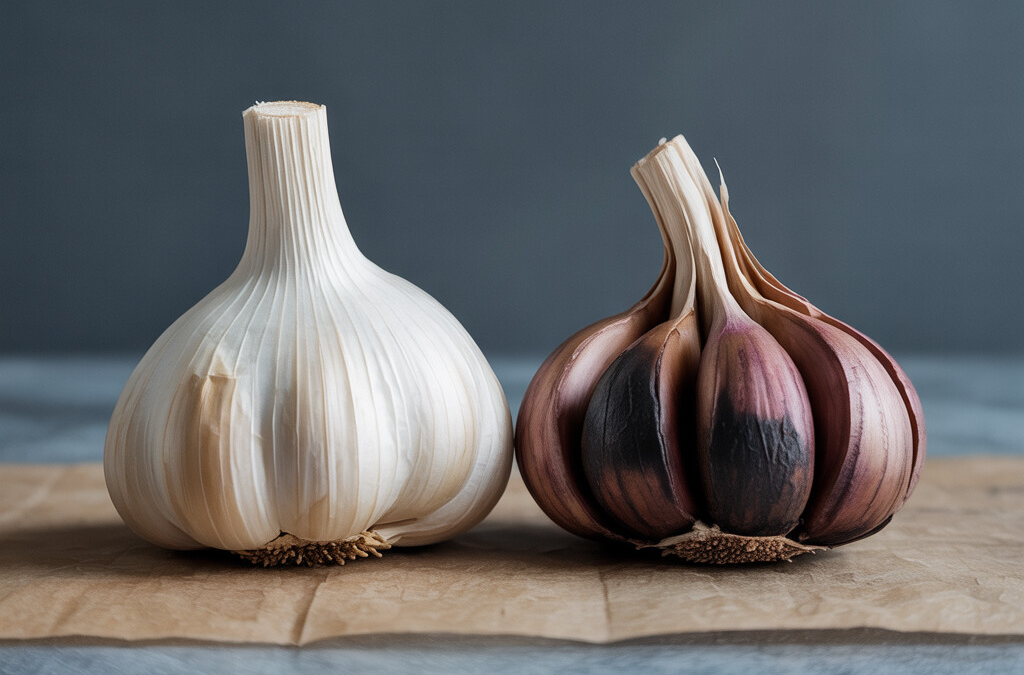
Black Garlic Vs Regular Garlic Taste: Sweetness Meets Pungency
Let’s be honest: a kitchen without garlic is like a dance floor without music. Love it or leave it, over 90 percent of home cooks in the United States use some form of garlic in their meals every week. Whether you’re adding zip to shrimp scampi or a subtle aroma to rosemary potatoes, this allium staple delivers a punch. Black Garlic Vs Regular Garlic Taste is a hot debate among foodies. Curious to know why? Last weekend I blindfold-tasted both and realized: regular garlic shocked my taste buds while sweet, chewy black garlic melted right into them.
In this beginner’s guide, we’ll take a closer look at Black Garlic Vs Regular Garlic Taste. What sets these two apart when it comes to flavor, fragrance, and versatility at the dinner table? From heady aromas to unexpected sweetness, this guide on Black Garlic vs. Regular Garlic is about to open up a tasty new world. Ready to dive in?
Understanding the Transformation: How Regular Garlic Becomes Black Garlic
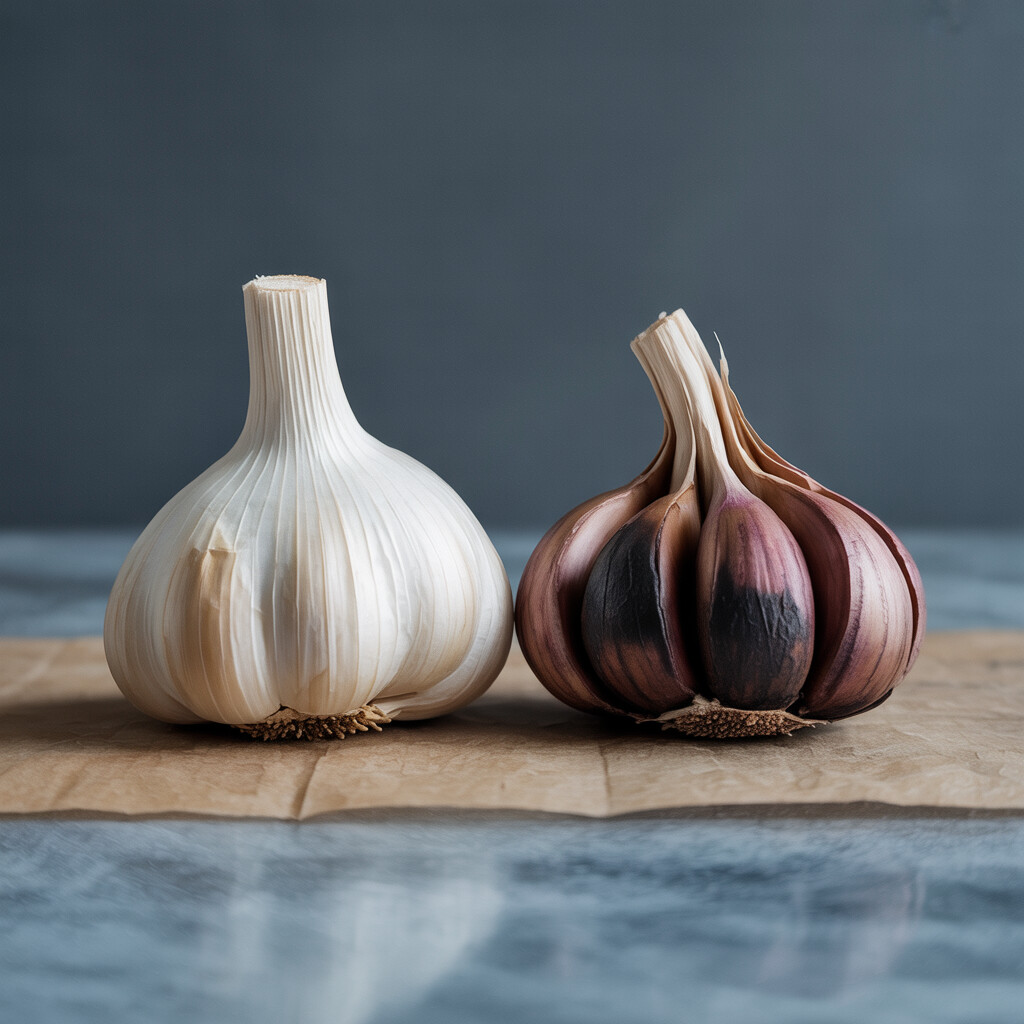
Garlic is already a staple in just about every kitchen, so it may sound wild that the very same root can turn into something that looks and tastes completely different. Enter black garlic. Unlike the stark white bulbs you spot at every grocery store, black garlic shows up as dark, sticky, and much gentler than you’d expect.
From Humble Bulb to Flavor Bomb: The Fermenting and Aging Process
Black garlic isn’t a different variety—regular garlic transforms into something softer, sweeter, and a whole lot funkier through heat, time, and humidity. The process starts with fresh garlic. These bulbs get tucked into a low-temperature “cave” or slow cooker, where they hang out in the dark for several weeks. It isn’t fermenting in the usual pickled-veggie sense but more about Maillard reactions. That’s just a fancy chef term for “watch the color turn brown, then black, and the flavors get sweet and deep as all get-out.”
If you’ve felt the frustration of not finding high-quality black garlic, trust me, you’re not alone. Most produce aisles stick to their white-garlic guns, but now that you know how the transformation works, you might even consider turning up your kitchen’s warming drawer or slow cooker for a bit of DIY magic. By controlling the process, you’ll end up with squashy, shiny cloves that smash all expectations of “garlic” as you thought you knew it.
The real fun comes with digging into Black Garlic Versus Regular Garlic Taste. The longer a bulb heats up, the more mellow, tangy, and balsamic the clove gets. Imagine garlic stripped of its hot bite and somehow picked up the caramelized vibe of roasted onions.
Try eating just a slice. It is soft and tangy, almost jelly-like—almost as if you jammed garlic and molasses together. That’s the heart of every black garlic flavor profile, and an edible map that shows you why this ingredient is such a growing star. If you’re already dreaming of beef stew, butter, or even brownies layered with black garlic, well, your taste buds know something good is coming.
Whether you’re eager to step away from the classic, sharp flutter of white garlic or simply can’t get your hands on black garlic locally, rest easy knowing the journey from regular to black is more about patience and low-temp heat than any fancy equipment or rare ingredients. This realization is the first critical step toward embracing the journey of Black Garlic versus Regular Garlic Taste.
Black Garlic vs. Regular Garlic Taste: A Flavorful Comparison
Let’s clear the air: Black Garlic vs. Regular Garlic Taste isn’t this classic “apples and apples” match-up you may expect. Even though both come from the same garlic bulb, their flavors could not be more different.
Black Garlic Sweetness and Vibrancy: A Wholly Different Garlic Experience
Imagine you are prepping for pizza night. You grab a fresh garlic clove, give it a good smack, and get that punchy, spicy aroma that promises to clear stuffy noses. That’s Regular Garlic. When it comes to Black Garlic, you are in for something softer and mysterious. Black Garlic’s taste is mellow, sweet, and so rich in umami that it brings roasted mushrooms and dried fruit to mind. Seriously, try a slice on your tongue for the first time. It’s chewy, deep, and almost caramel-like.
Unlike regular garlic’s sharp heat (you know, the kind that sometimes lingers on your breath for hours), Black Garlic won’t send friends running for their mints. There’s no bite, no mouth fire—only an explosion of sweet complexity that borders on balsamic reduction with a touch of molasses.
So where does this Black Garlic flavor profile come from? It’s the natural magic of time and heat. Picture slow-cooked garlic aging for weeks. Its strong sulfur compounds mellow away, and what is left is pure, silky flavor that fits into dishes where raw, spicy garlic just does not belong.
Use that to your shopping advantage: If you are facing the usual “garlic breath” side effect or want a more family-friendly flavor, start with Black Garlic. If big, bold, assertive flavors make you smile, stick with regular garlic. For home cooks, there is a clear winner depending on what dish you are trying to elevate.
If this is your first time working with either, trust your senses and go with the texture and flavor that snap you to attention. Once you get a feel for the difference in Black Garlic Vs Regular Garlic Taste, you can start subbing Black Garlic into recipes like pasta, stir-fries, sauces, and grilled vegetables. There are endless ways to play with this somewhat misunderstood superfood, and with a bit of practice, you will know right away which one pans out as the perfect ingredient for the job. And if you need to track down Black Garlic, don’t worry—many local specialty and online grocers are starting to stock it in their cool, dark aisles half-hidden but waiting to surprise your tastebuds.
Exploring the Black Garlic Flavor Profile: Sweetness and Umami Unveiled
When you first taste black garlic, you might be tempted to say it is not even in the same family as regular garlic. Where fresh, white garlic knocks you over with pungent sharpness, black garlic is mellow and mysterious. The first thing I notice with good-quality black garlic is a chocolate-like tang, almost like dried fruit mixed with aged balsamic: sweet, savory, and bursting with umami. The core of its black magic (see what I did there?) is a complex, subtle depth that has none of the harsh burn regular garlic sometimes brings to the party.
Black Garlic Flavor Notes: Sweetness, Umami, Surprising Layers
Black garlic is often described as the “umami bomb” of the culinary world. I have described its flavor as a mix between molasses, tamarind, and soy sauce. The texture can vary a bit by brand, but premium black garlic should be soft, almost spreadable, with a little stickiness. This dramatic transformation comes from weeks of patient heat and humidity, which tame garlic’s wild edge and unlock a host of savory notes (and a good dose of sweetness). As you play with it in recipes, you will find it blends seamlessly with rich braises, pastas, risottos, dressings, steaks, and much more.
Still, finding quality black garlic can be tricky since most grocery stores stock only one brand, if any. Look for bulbs whose segments are plump, not rock-hard, with glossy skins that do not look dried out. Get brave and sniff before bagging—a rich, slightly sweet smell is a great sign it is fresh and flavorful.
Here is a handy taste comparison to explain the Black Garlic Vs Regular Garlic Taste and use them with confidence:
If you are new to black garlic and worried about access, start small: grab a reliable tube of black garlic paste online or from a specialized market. Spread it on crostini with cream cheese or mash it into butter for grilled meats; it is a one-of-a-kind experience worth the short ingredient hunt. At the dinner table, this little black bulb will get people talking. You will start to crave that Black Garlic Flavor Profile, not just the taste but how it ties everything on the plate together.
Regular Garlic Taste Comparison: Pungency and Sharpness in Focus
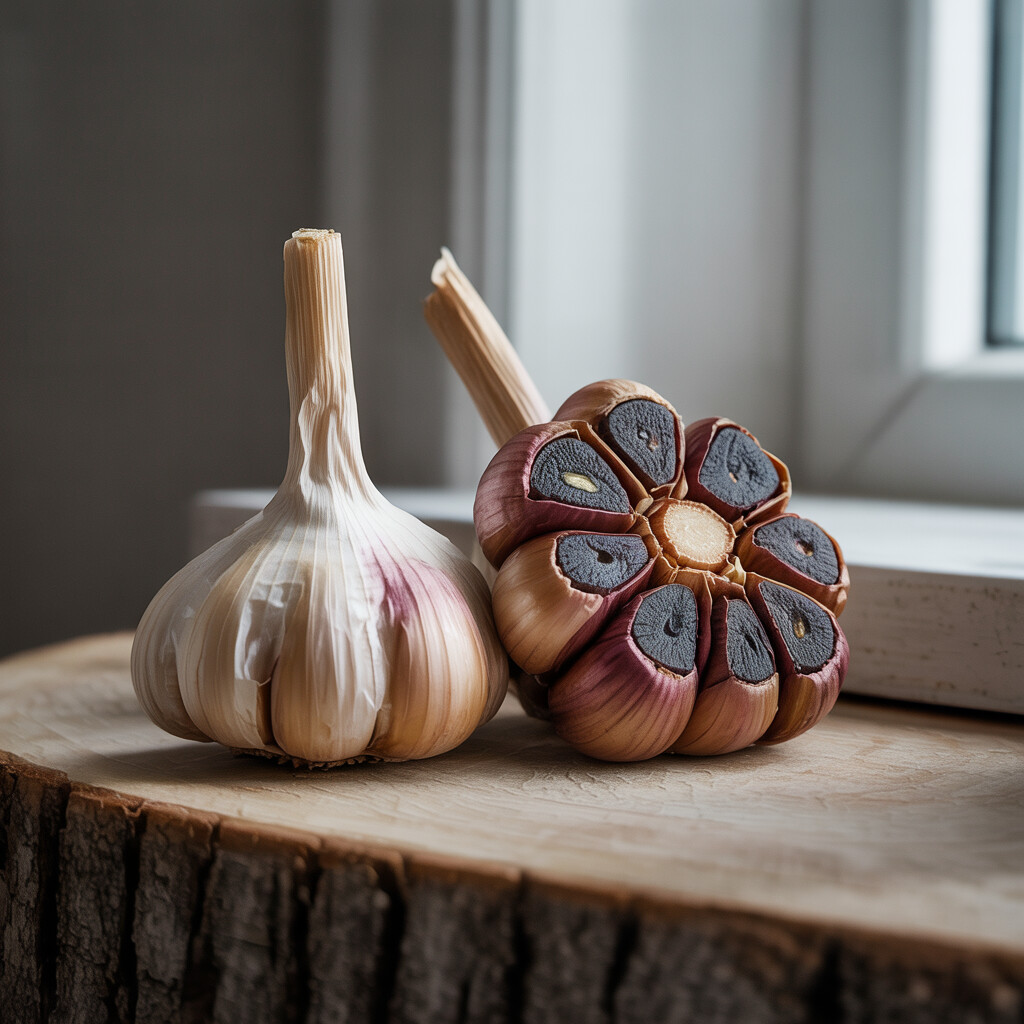
Let’s talk about the stuff we know best: regular garlic. This all-star ingredient brings instant flavor to a dish, but boy, is it assertive. Chances are, if you slice or crush it for a sauce or soup, a warm, savory aroma fills your kitchen within seconds. When eaten raw or barely cooked, regular garlic is nearly impossible to ignore. It makes your mouth tingle, your eyes water, and sometimes, it lingers on your breath longer than those bad high school memories. This, friends, is garlic’s famous pungency: sharp, spicy, bright, and a little sulfurous if you aren’t afraid to admit it.
Fresh Garlic’s Distinctive Bite and Kick
The Regular Garlic Taste Comparison to black garlic is kind of like lining up a sour lemon and a sweet mandarin orange. Fresh garlic’s heat is bright and herbal, rather than warming. It can turn sharp and hot on your tongue when raw. Its taste comes from sulfur compounds formed the moment you cut into a clove. When you cook garlic, that bite mellows a bit: the sharp flavors fade, light sweetness shows up, and roasted notes sneak in, but that core flavor always stands up loud and proud.
That hard-hit pungency is what makes regular garlic ideal for savory foods where you want some kick: tomato sauces, aioli, salad dressings, stir fry, and anything you need to liven up (or simply keep vampires away). But strong isn’t always better. If your garlic sits too long or actually burns, the aftertastes can flip from bold to bitter and borderline offensive in a hurry. If you cook it just right, though, regular garlic is a symphony of caramelized, nutty, warm flavors that somehow still remind you where it all started.
Understanding these core traits puts you in the driver’s seat when choosing between the signature pungency of regular garlic or chasing Black Garlic Vs Regular Garlic Taste. Once you get used to picking which route suits which recipe, you’ll wield these garlicky flavors like a culinary superhero. And don’t worry if you still can’t find quality black garlic at the store: the sharper bite of regular garlic still unlocks a world of taste possibilities—no special ingredient needed.
Culinary Applications: When to Use Black Garlic Over Regular Garlic
Jumping from one kitchen adventure to the next, I’ve realized that sometimes you want that punch of garlic flavor and sometimes you want drop-the-mic complexity. So, how do you decide when each ingredient should make its debut? When you face the “Black Garlic Vs Regular Garlic Taste” debate, it comes down to what you want your food to say, or maybe sing.
Black Garlic Cooking Tips: Matching Garlic to the Meal
Black garlic is rich, mellow, and sweet with hints of tamarind and balsamic. It sings as a romantic lead in vinaigrettes, spreads, or butter because its sweetness and umami wrap a dish in warm velvet rather than smacking your tastebuds awake. Try black garlic mashed into soft butter, tucked into a juicy burger, or whirled into a pasta sauce, and even someone with garlic-phobia will love it.
Regular garlic, on the other hand, is a firecracker. It wants you to notice its wild side, whether minced into aioli or scattered across pizza. Drop it into a hot pan with oil, and it will shout at your nose before biting your tongue. Its pungency is perfect for stir-fries, garlicky sauces, or anywhere you need a jolt. For those new to black garlic, give yourself the freedom to play, and expect haunting sweetness, not a punch in the mouth.
Scarcity is a problem for many. Good news: you can sub in roasted-plus-caramelized garlic for whispers of that black garlic taste, but it will never be the same. Get creative, though. Jarred black garlic and purees exist at specialty grocers, and online sources have made it much easier to have it shipped (fresh or as paste) onto your doorstep.
Still feel unsteady? Next time you see “garlic” in a dressing, try black garlic instead. See a steak salad calling for a regular clove? Use black, mashed in olive oil and salt. If a marinade requests six cloves of raw garlic, swap in two black and a sprinkle of regular for balance. The interplay of both can be unexpectedly magical—like having an angel and devil on your shoulder, arguing in your favor.
The “Black Garlic Vs Regular Garlic Taste” challenge unlocked for you, expect complexity, sweetness, and deep savory black notes. Garlic lovers and haters will gather ’round the same table with spoons.
Health Benefits: Nutritional Differences Between Black and Regular Garlic
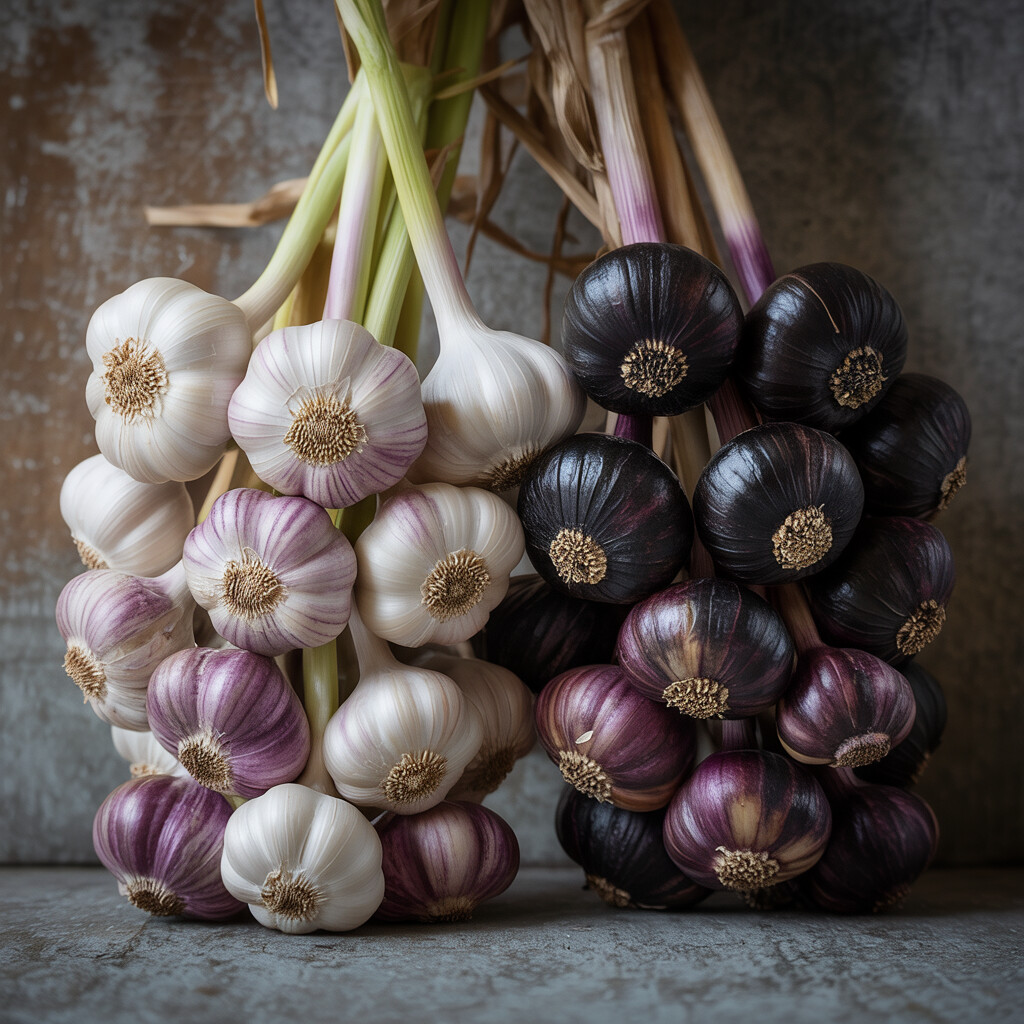
You might love garlic for its smell or bold flavor, but there’s something special cooking behind the scenes. Along with taste, garlic also packs a lot of punch on the nutrition front. Let’s do our own “Black Garlic Vs Regular Garlic Taste” matchup, but from a health angle, and see how they compare for what’s going into your body.
Here’s the scoop: both types offer lots of antioxidants, vitamins, and minerals. Regular garlic is most famous for its bite—it’ll clear your sinuses and flame your kids’ taste buds—which comes from the compound allicin. This dinner table firecracker helps fight bacteria, may bring down inflammation, and might give hearts a helpful boost.
But regular garlic isn’t the only kitchen hero. The slow-cooked process that turns white bulbs into black garlic gives it a different arsenal of compounds. Black garlic loses allicin along the way, but forms new types, like S-allyl-cysteine. They keep the antioxidant power but swap some of the kick for gentler, more heart-friendly benefits. Some folks say it’s easier to eat or mix in with other stuff.
Nutritional Advantages: Black vs. White Garlic for Health
If you’re looking for healthy food, both forms deliver. Black garlic has earned some buzz for its possible role in fighting stress, chronic inflammation, and keeping your body’s cells happy. Regular garlic’s effects are better known, but black garlic is a rising star. Its milder touch works better for anyone who doesn’t love strong garlic or can’t handle fresh cloves.
There’s a practical challenge, too: black garlic isn’t as easy to find as a white bulb at the grocery store. Quality matters; fresh garlic has fresher, punchier allicin, while top-tier black garlic develops rich new nutrients over time. You might need to check out specialty shops, local farmers markets, or even try fermenting it yourself at home (slow cooker for a couple of weeks, in case you’re feeling adventurous).
Next time you debate the perks of Black Garlic Vs Regular Garlic Taste, remember, both can fit your plans for better food and a stronger body. If you want a softer touch or smoother finish, try black garlic. If you need that sharp, traditional hit, regular garlic awaits. Who says you can’t use both in a week? That’s why your kitchen skills are about to get a much tastier twist.
Cooking Tips: Incorporating Black Garlic into Your Favorite Recipes
If you’ve never cooked with black garlic before, let me tell you, you’re in for a treat. The deep flavor compared to regular garlic is both surprising and inspiring. Because its chocolatey sweetness and almost soy-sauce-like flavor come without the sharp bite of regular garlic, it invites all sorts of fun in the kitchen. Thanks to black garlic’s mellow, jammy nature, you can truly spoon it straight into dishes—no pre-cooking necessary.
How to Upgrade Weeknight Meals with Black Garlic
To start easy, swirl a few soft cloves into store-bought mayo or plain yogurt to transform sandwiches, dressings, or even French fries. Find yourself staring into the fridge wondering what’s for dinner? Take chicken thighs, rub them with smashed black garlic and oil, then roast. You’ll get the stickiest, crispiest, most-aromatic skin ever, with hat-tips to barbecue, teriyaki, and adobo flavors, all in one step.
Soups and stews (especially bean or tomato-based blends) wake up with a spoonful of black garlic stirred in at the end. Make a batch of rice, hit it hot out of the pot with pepper, a dollop of butter, and mashed black garlic, and you’ll love it as a simple side or salmon bed. The Black Garlic Meats Recipes Grilling Tips on GarlicTrend is packed with these ideas if you want more. And, of course, this Black Garlic Soup Recipes And Tips mixes sweet cloves into a nourishing dinner—the sweetness supports the mild veggies perfectly.
The confusion about Black Garlic Vs Regular Garlic Taste usually ends with adventure. You’ll be surprised, thanks to a complex flavor far removed from anything regular garlic brings. If you ask yourself “Will honeyed cloves overpower my béarnaise, aioli, or hollandaise?” the answer is that you probably wouldn’t use both in the same dish very often. But you will come up with dish after dish that works with black garlic.
Store black garlic in a mason jar in a cool, dark pantry or fridge—the flavor picks up as it cures. Just peel, chop, or smash with the flat of a knife, and toss the cloves into vinaigrettes or over sushi. It also blends into sweet dishes remarkably well; swirl into chocolate ice cream or use it to deepen brownies instead of regular garlic.
Wondering what to do if you’ve got garlic-breathing guests? Don’t warn them. The table will thank you, promise. With quality black garlic becoming much easier to find, this is truly an everyday pantry ingredient, one that’s suited to an early weeknight dinner or a sit-down fancy party. Above all, the simple act of swapping out regular garlic for black garlic, with all the nuance the latter brings, is like opening a new kitchen window—try switching, and folks will rave about your genius.
Where to Find Quality Black Garlic Products: Overcoming Accessibility Challenges
Finding good black garlic can sometimes feel like an adventure, especially when your grocery store might only carry the basics. Here’s the good news: High-quality black garlic does exist, and there are ways to get your hands on it even if you live far from a specialty market.
Local and Online Black Garlic Sourcing Comparison
If you’re looking locally, check the international or gourmet aisle at your favorite grocer. Asian supermarkets and co-ops with a strong fermentation buzz will usually have what you need. Ask your produce manager if you don’t see it on the shelf—the answer is often as simple as, “We have some in the back.” But sometimes, let’s be honest, the in-store hunt leaves you empty-handed.
That’s when online ordering becomes a black garlic lover’s best friend. Several U.S.-based specialty stores and artisan fermenters stock everything from supple bulbs to crafty purees and even spreads. Whether you go for whole bulbs or peeled cloves depends on your cooking goals, but make sure the source you choose is clear about how the garlic is fermented. Well-made black garlic should have a lush, almost date-like consistency, with no hard dry bits or a funky rotten smell.
With more companies growing garlic here in the States and developing clever fermentation techniques, accessibility has seriously shot up. Still, shipping can run a few extra dollars compared to grabbing a regular bulb on sale. Think of it as an artisanal upgrade to your flavor toolkit. If you run a side hustle or operate a small business, consider bulk buys directly from producers, which often knock the price down a few pegs.
Once you start using it, friends will bug you for your source—trust me, I’ve been there.
Of course, as we compare Black Garlic Vs Regular Garlic Taste, quality matters. Shoddy stuff just doesn’t bring the right pop to dressings or sauces. Always store your black garlic in a cool, dry place (I put mine in a tiny glass jar in the fridge for snacks) and you’ll enjoy months of deep balsamic, umami delight. So don’t despair if good black garlic seems out of reach. Whether you shop small, browse online, or discover a local purveyor, there’s a world of ripe, sticky, sweet bulbs waiting to fuel your next flavor experiment. Before you know it, Black Garlic Vs Regular Garlic Taste will be your new dinner party topic.
Conclusion
Still hungry? You have everything you need to unwrap the flavorful layers of black garlic vs regular garlic taste. Once you discover the gentle sweetness and deep umami of black garlic compared to the familiar punch of fresh cloves, the culinary possibilities open wide. With a little creativity, getting your hands on high-quality black garlic—and uncovering its flavor profile—will become part of your kitchen adventure.
Whether you want to add a gourmet twist to your favorite dish or show off to your friends and family, there’s no better time to experiment with black garlic. Why not break out a new recipe to try it for yourself? Its nutty, mellow tang could become your secret ingredient. Explore its versatility and inspire those around you, one delicious meal at a time.
FAQ
What is the difference in taste between black garlic and regular garlic?
In the “Black Garlic Vs Regular Garlic Taste” battle, you get two distinct flavors. Black garlic has a soft, sweet, almost balsamic vibe, which surprises a lot of people. Regular garlic, though, delivers a harsh, sharp grime that wakes up your senses with its heady punch. Just last weekend, I toasted some bread, rubbed it with raw garlic, and, wow, every bite popped with heat. With black garlic spread on crackers, though, what you notice is almost fun – sweet molasses and zero stinky breath! It makes a lap around your mouth without burning. You can pick one over the other depending on what a dish needs.
Does black garlic taste sweet compared to regular garlic?
Your mouth definitely picks up the black garlic sweetness. It’s like biting into roasted dates or dried fruit, only it’s garlic! This develops over long aging, where sugars break down and mellow out the flavor. In any “Black Garlic Vs Regular Garlic Taste” contest with roasted chicken, the black garlic is the dark horse with a caramel finish, while regular garlic would crash the party with an oniony, upfront hit. You really get a flavor surprise compared to garlic’s normal hot snap. Smashed on toast, black garlic is all cozy comfort. Regular garlic, on the other hand, smacks your chops and clears your sinuses.
What flavors make black garlic different from fresh garlic?
“Black Garlic Flavor Profile” means smooth molasses, prune, licorice, and a haunting, jammy sort of finish. When you taste it plain, you pick up this umami base note. And that’s worlds apart from the loud, punch-in-the-nose flavor you get from biting into a fresh clove of regular stuff. One day I tossed black garlic into a salad dressing for kicks and it was all depth and subtle. If I used regular instead, my husband would have run away from the fridge with his tongue hanging out. Choosing “Black Garlic Versus Regular Garlic Taste” boils down to if you want your meal bold or mysterious.
Why does regular garlic taste more pungent than black garlic?
Regular garlic’s sharp taste comes from a chemical (allicin) that pops only when you crush or chop up a clove. It’s got this spicy harshness that wakes up your sinuses. Black garlic’s gentle ride is a result of a slow heat transformation that zaps the bite. One time I minced fresh garlic and mixed it with yogurt for my daughter. She turned her nose up and called it “fire breath” yogurt. When I tried black garlic in the same dish, her whole bowl emptied out. In a “Black Garlic Vs Regular Garlic Taste” cook-off, pungency goes to the new garlic while the perfect mellow touch lands with black garlic.
How do I use black garlic and regular garlic differently in cooking?
Picking black versus regular garlic comes down mostly to “Black Garlic Vs Regular Garlic Taste.” Go black when you want to impress your friends with rich umami – steak sauce, pizza, aioli dip are killer. Use regular garlic for classic sizzle: sautéing spinach, tossing into chili, or punching up Italian red sauce. Once I blitzed black garlic instead of anchovies in Caesar dressing – my guests added it to everything from veggies to slathering on bread. Sliced chicken wings need raw garlic’s heat sometimes, though. Whether you pick funk or zip, you can play chef and experiment with your own favorite spin.
Is it true that black garlic tastes less garlicky than the regular variety?
When folks talk “Black Garlic Vs Regular Garlic Taste,” black garlic comes out tasting soft – but not like garlic as you know it. There’s no burn at all. It’s sticky and sweet but impossible to pin as garlic. In a soup, people line up for the flavor secret before realizing it was garlic all along! Bring out regular garlic cloves at a picnic, though, and you’ll clear benches ten feet away. In sandwiches, pressed black garlic adds chewy chunks of almost candy flavor. If you lean toward adventure, black garlic sings a new tune. If you like heat, stick with the classic garlic punch.