

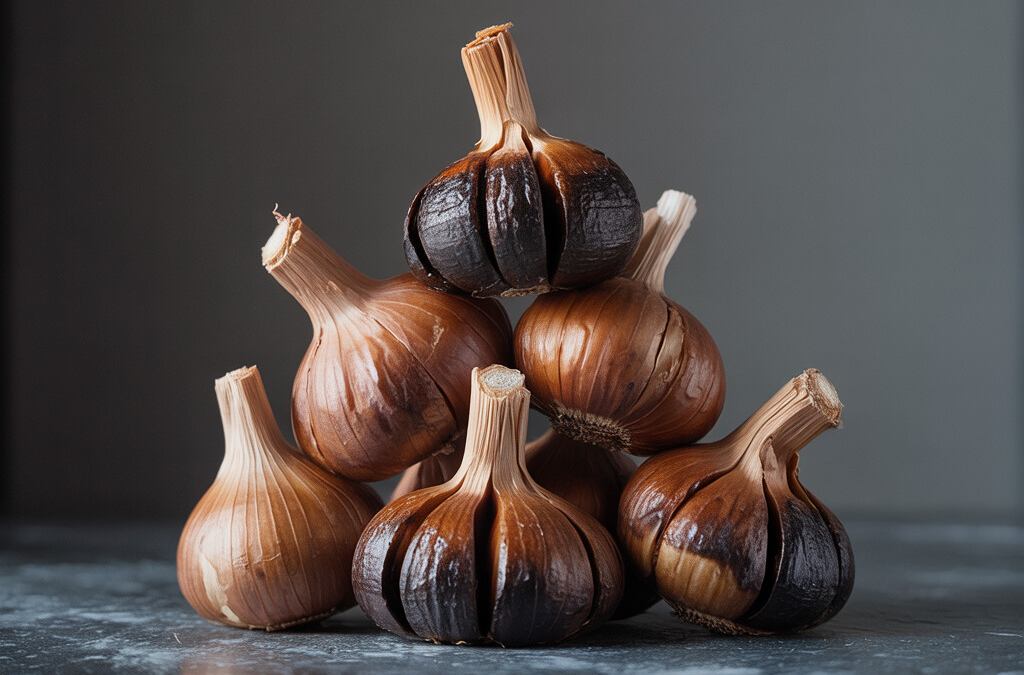
Black Garlic In Cuisine: A Home Cook’s Guide
What looks like a clove of burnt garlic, tastes a bit like tangy molasses, and just won over America’s top chefs? It is black garlic. Black Garlic In Cuisine is going viral for good reason. In the last few years, U.S. searches for “black garlic recipes” jumped by more than 200 percent. Crack open a clove, and your kitchen fills with an aroma at once sweet and savory. Last weekend, I whipped black garlic into a warm dip, watched four teenagers eat every last bit, and vowed never to be without it. I will share how you can craft your own.
The good news: you do not need a fancy culinary degree to join the Black Garlic In Cuisine crowd. This beginner guide will cover how to make black garlic at home, what equipment you need, and the creative ways that people use it in dishes from Korea to California. Ready to dive in?
Understanding Black Garlic: What It Is and Why It’s Gaining Popularity
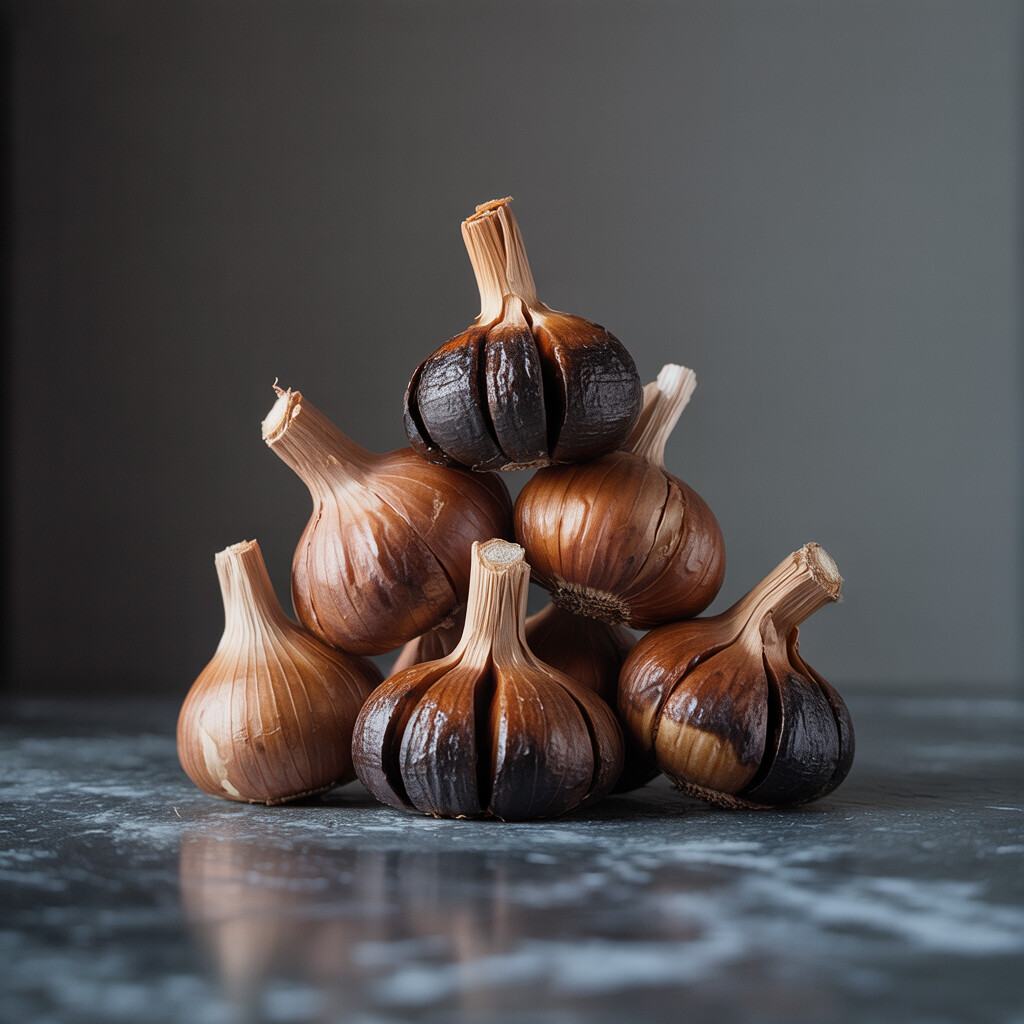
If you have hit the food lover’s jackpot with black garlic, you are definitely not alone. This jet-black gem has waltzed onto shelves at fancy markets and foodie shops, but many of us found out about it in a foodie group chat and then wondered how we could actually get our hands on quality black garlic in the first place. While it can be harder to find than regular white bulbs, making it at home can turn into your culinary flex, and it is surprisingly doable.
So, what exactly is black garlic, and why is everyone suddenly tossing it into marinades, mayo, and even dessert? Put simply, black garlic is garlic that has been aged for weeks, transforming every white clove into sticky, soft, sweet-savory magic. Think of it as garlic’s wise big sibling: less brash, mysteriously sweet, with hints of balsamic vinegar, caramel, and umami. That funky science behind its real-life “glow up” is a sort of slow, controlled caramelizing process known as the Maillard Reaction. Science aside, it’s delicious.
Black Garlic Flavor: The Secret to Elevating Everyday Dishes
Black Garlic In Cuisine is having its moment thanks to an explosion of recipes across the globe. You may have already encountered it in power-packed Asian sauces, rich European dips, and even Mediterranean pizzas—now you know why. Here in the States, black garlic finds its mojo drizzled over avocado toast, blended into aioli, or stirred straight into mac ‘n’ cheese. Its sweet tang is lovely and tames the old garlic sting. Honestly, if garlic was “too much” for family members in your life, this might change a few minds.
If you can get your hands on black garlic at a market or specialty shop, try it. But this guide focuses on making black garlic at home because buying it just isn’t an option for everyone. Some folks cook up specialty black garlic in thoughtful small batches, and if you become one of them, you’ll be joining a flavor movement—one that is already filling spice cabinets and topping burgers everywhere. If that sounds like you, grab some fresh heads of jasmine or music garlic, settle down with a friend, and prepare to nudge your kitchen in a new direction. Black Garlic In Cuisine is taking off fast for a reason. Get ready to go deep into dark flavors and see how easy it can be to bring black garlic right into your daily rotation.
Essential Equipment and Ingredients for Making Black Garlic at Home
To make black garlic at home, you do not need a fancy kitchen or rare gadgets. The real secret sits inside your pantry. Over the years, I have watched friends wrestle with less-than-great store-bought black garlic. Luckily, homemade is often better. Here is everything you need to get started.
Must-Have Tools and Ingredients for Making Black Garlic
First item on the list: garlic bulbs. Select firm, whole bulbs still tucked into fresh, unbroken papery skins. Skip any that seem dried out or sprouting a green stalk. I enjoy roasting California-grown garlic, but honestly, use whatever you find at your neighborhood store.
Second, you need a way to create low, steady heat for up to three or even four weeks. Most folks choose either a slow cooker (or rice cooker) set to “keep warm,” or a food dehydrator. If you are the gold-star type, check the actual temperature with a cooking thermometer. Ideal? Around 140 to 170° Fahrenheit, always under 185°. Anything hotter will cook instead of age your garlic.
To save your kitchen from a garlic glow, you will also want a few layers of plastic wrap and some aluminum foil—or a zip-top bag—plus a shallow dish or baking rack so the bulbs do not rest in their own moisture. This all prevents dry garlic or a house that smells like garlic for weeks.
Last, patience. Black Garlic In Cuisine especially outside new age, niche or fine dining cooking circles earns a slow burn. Let’s face it. Good things come over many days.
The hardest part for most first-timers is resisting the urge to peek. I still twist the lid only once a week to wipe off condensation. So, if you yank the top off and get blasted by a whiff of herbal sweetness, that’s normal. Give it more time.
With these few tools and some eager taste buds, craft Black Garlic In Cuisine in ways that fit your local supermarket and kitchen stash, not just fancy online sources. Next, I will break down the exact hands-on steps. ready to make your kitchen smell a little wild?
Step-by-Step Guide to Crafting Black Garlic in Your Kitchen
Your first taste of black garlic unlocks this earthy, sweet mystery. So let’s get you set up to make your very own batch right at home. This isn’t as tough as it might sound and you really only need a rice cooker or a slow cooker, a few fresh garlic bulbs and a place to stash the whole magic act for a few weeks. Give yourself nine to fifteen days for those humble bulbs to transform into little nuggets of flavor gold.
Another perk of DIY? You can finally solve your problem of tracking down real, quality black garlic at the grocery store.
Hands-Off Homemade Black Garlic Process
Let’s get going on those all-important steps along the path to black garlic in cuisine. Start by choosing big, plump garlic heads with unbroken skin. These are less likely to develop mold or dry out and much more likely to reward you with consistent, reliable flavor. Gently clean them, but don’t strip away too much skin because you need to protect each clove through a long cook. Now, wrap each bulb loosely in a couple layers of paper towels. A pocket of air will help keep your bulbs from getting waterlogged.
Place the garlic in your cooker. Flip to “Keep Warm” mode. Set the lid askew, just enough for steam to escape. From here, patience is your best ingredient. Check every few days for weird smells or dripping, but otherwise, resist the urge to open the lid a million times. All your garlic really needs now is time – and a hearty surge of curiosity for unlocking the secrets of black garlic in cuisine.
Here’s a handy black garlic process table to keep you on track. It really is this straightforward:
Not sure if it’s ready? Cut open a clove. When it’s jet-black and sticky-sweet, you’ve arrived.
Remember, making black garlic can fill your kitchen with a mellow yeasty scent. If your nose is sensitive or your house is small, set your cooker on a porch, garage, or shaded balcony to tackle this step.
Once you start opening the door to Black Garlic In Cuisine, you’ll wonder why it took you so long. Batch prep whenever you spot a good deal on garlic, and soon your stash will be ready for a brand new wave of kitchen fun.
Tips and Tricks for Perfecting Your Homemade Black Garlic
Getting black garlic just right at home takes a little patience and a few insider secrets, but it’s pretty rewarding when you slice into your first, perfect bulb. With some care, you can bring gourmet vibes to your kitchen and unlock the world of black garlic in cuisine, where umami meets sweetness in almost magical ways.
Start with the freshest, firmest garlic you can find. Old, spongy cloves can go bitter, and nobody wants that in their dish. Avoid washing the garlic before fermenting it since extra moisture encourages mold. If those papery skins feel messy, just lightly brush off loose pieces and leave the tight layers intact.
Keeping the bulbs whole is key to top-shelf, jammy black garlic. Never separate cloves before aging. Each bulb needs a gentle wrap in parchment or foil, so it absorbs and holds the warmth and humidity.
Curing and Storing for Lasting Black Garlic Flavor at Home
The container matters. I use a rice cooker with a warm setting because it creates the perfect low, steady heat. If yours runs hot, prop the lid so moisture escapes, then check for any sweating on the sides. That easy fix helps prevent moldy disasters early on.
You’ll find the sweet zone at 140-170°F, with 75 percent humidity if you can measure it. Some folks use sous vide machines or home dehydrators—anything that keeps heat even. Black garlic in cuisine depends on rich flavor, so slow aging for three to four weeks is what gives that chewy, savory sweetness.
Rotation helps. I flip or shuffle the bulbs every five days if hotspots occur. The back corner of my rice cooker gets hotter, so even heat matters. I’ve gone crazy with sticky notes and timers before, but now my phone does the reminders.
Humidity is your next challenge. Lack of moisture leads to hard, black garlic candies instead of luscious bulbs, while too much makes a fungus farm. An open water cup in the rice cooker helps stabilize moisture, but check and refill it while you’re gently inspecting the garlic. Adjust speeds and settings as the season changes—cold days may need just a bit more time.
Nose knows, too. If the scent turns off, or spots grow, pull the offending bulbs. Moldy garlic is not safe, so do not eat any cloves showing discoloration or fuzz.
Finally, let it rest. Once cured and cooled, peel the cloves and let them dry on a baking rack or paper towel at room temperature for a day. Store in an airtight jar in a cool pantry or fridge, and you’ll have plenty of flavor bombs for black garlic in cuisine anytime.
From pasta to eggs, homemade black garlic adds a funky punch you’ll crave. And to prolong your stash, pick up more black garlic storage tips for even longer-lasting flavor. With a little practice and patience, you’ll whip up your own farm-to-table luxury right at home.
Storing and Preserving Black Garlic for Long-Term Use
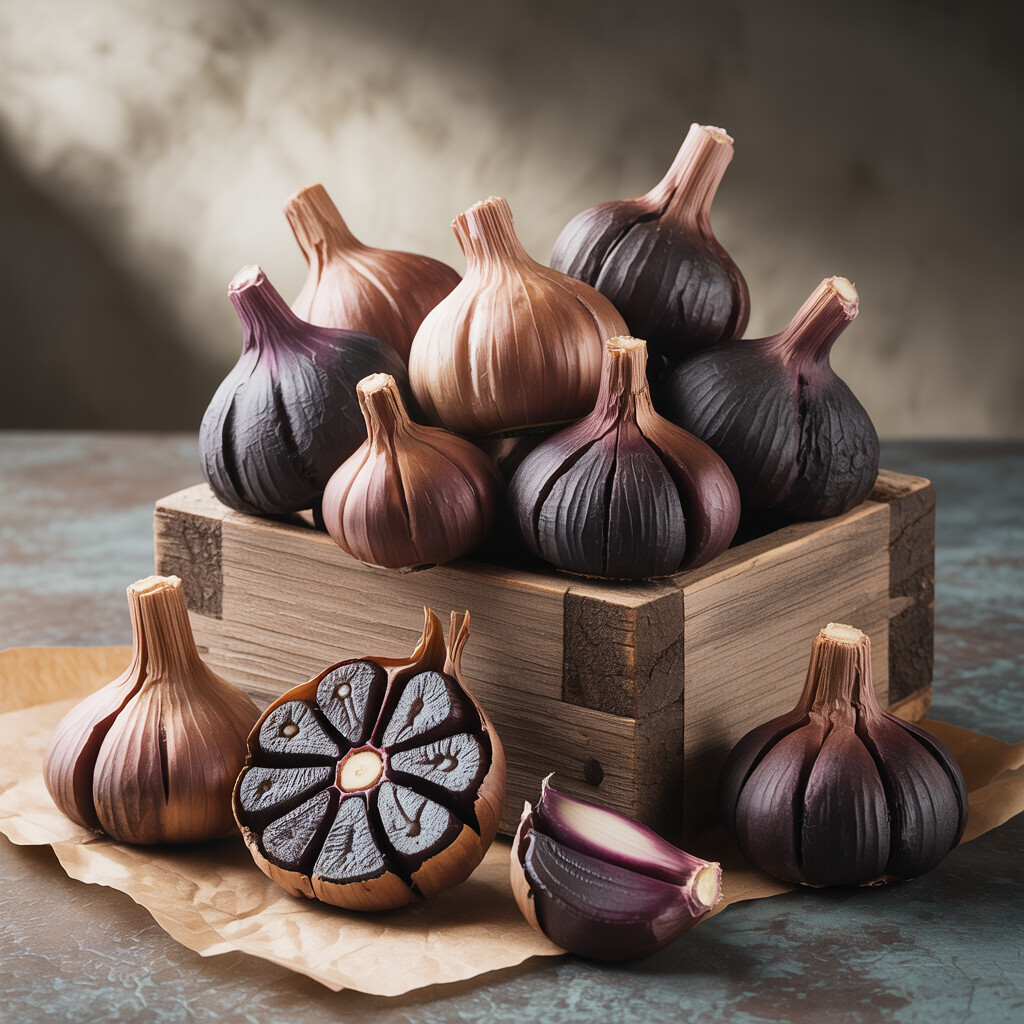
Honestly, once you create black garlic at home, you will want to make the most of every clove. With some easy prep and planning, you can keep your batch fresh for months, sometimes even longer. This extra shelf life means you have the freedom to experiment. More time equals more ways to work black garlic in cuisine every day.
Best Storage Methods for Homemade Black Garlic
After black garlic cools completely, peel the bulbs if you have not already. Their sticky texture is easier to deal with if you pop on food-safe gloves. Store the peeled cloves in an airtight glass jar or a food-grade plastic bag. Wedge a layer of wax paper between the cloves if you are feeling fancy. If the bulbs are still whole, skip to a big zip bag or wrap them in foil, then bag them for an extra layer.
Keep the container at the back of your fridge, never the door, to avoid temperature changes. Stored this way, black garlic should hold up for about three or four months. It can stick around a little longer, though the texture or taste may shift from its sweet, maple syrupy best.
Planning a big batch? For longer-term storage, double-wrap tightly in plastic wrap or use a vacuum sealer. Then tuck it into a container in the freezer. Most home cooks will find freezer life is about six months, though a quick binge will tell you if it still works for your latest dish. The bold flavor does not let you down even after a deep freeze. Thawed cloves can get a little softer, but a good cook can fix that with almost any creative twist.
All that flavor is best enjoyed undiluted, so avoid storing in metal as it can nudge the taste in odd directions. Leave out strong-smelling neighbors, too. Cheese, onions, or bold-sauced leftovers can change the flavor, especially while stored in plastic.
So now, your efforts pay off in handy little jars ready for salads, marinades, and at-home adventures for black garlic in cuisine. Whether you go with the fridge or freezer, good storage habits mean those garlicky nuggets are always waiting for your next burst of inspiration.
Incorporating Black Garlic in Asian Cooking: Traditional and Modern Recipes
If you are just getting started with black garlic in cuisine, Asian recipes are perfect for your first adventure. The sweet molasses taste and tender chew fill that spot between garlic and umami without overpowering the rest of the dish. Since you are making your own, say goodbye to searching for black garlic across the city. You have all you need at your fingertips.
Imagine your homemade black garlic melting into a noodle bowl. Just smash a clove directly into steaming ramen or udon. Black garlic brings tangy-sweet depth to brothy, mildly spiced shoyu or miso soups. If you diced your garlic, whisk in a few sticky chunks as you salt and soy up dressings for soba or punctuate a ginger-glazed pan sauce. You get all the dimension of ginger and garlic without acidic sharpness.
Black Garlic-Infused Meals for Everyday Asian Cuisine
The versatility of black garlic in Asian cooking might surprise you. Just a sliver or two stands out in slow-cooker Korean beef or bulgogi marinades, making every bite more complex. Swap it in anytime a recipe calls for roasted garlic or sauteed onions. Press a clove into shrimp fried rice with a soy drizzle. Fold one into pork dumpling filling for mild chow fun. The mellow balsamic notes blend fine with rich meats without earthy bitterness and balance starchy dishes in one easy step.
And of course, stir-fry nights get a huge flavor boost with just a half clove of black garlic in the sauce or tossed right before plating. Try tempering the garlic with ginger, a splash of sake, or honey if you prefer it extra sweet and mild. The result is a taste that reminds me of a quietly sizzling corner booth at a classic Chinatown spot. Even take-out leftovers sing when finished with just a fleck of your black gold.
For a quick weeknight win, work black garlic into your vinaigrette for a ginger chicken salad or as a base for spicy, sweet, and sour steak tips with scallions. Black garlic’s subtle funk doesn’t stick to your hands or the shelves and keeps for weeks when properly stored. Before you know it, you will reach for black garlic almost every time you stand in your kitchen, especially when you want an unexpected pop-n-crunch flavor burst. See how the applications multiply? You will find even more uses once you try out plenty more black garlic recipes with whatever is left from your own batch.
Exploring Black Garlic in Mediterranean Dishes: A Flavorful Twist
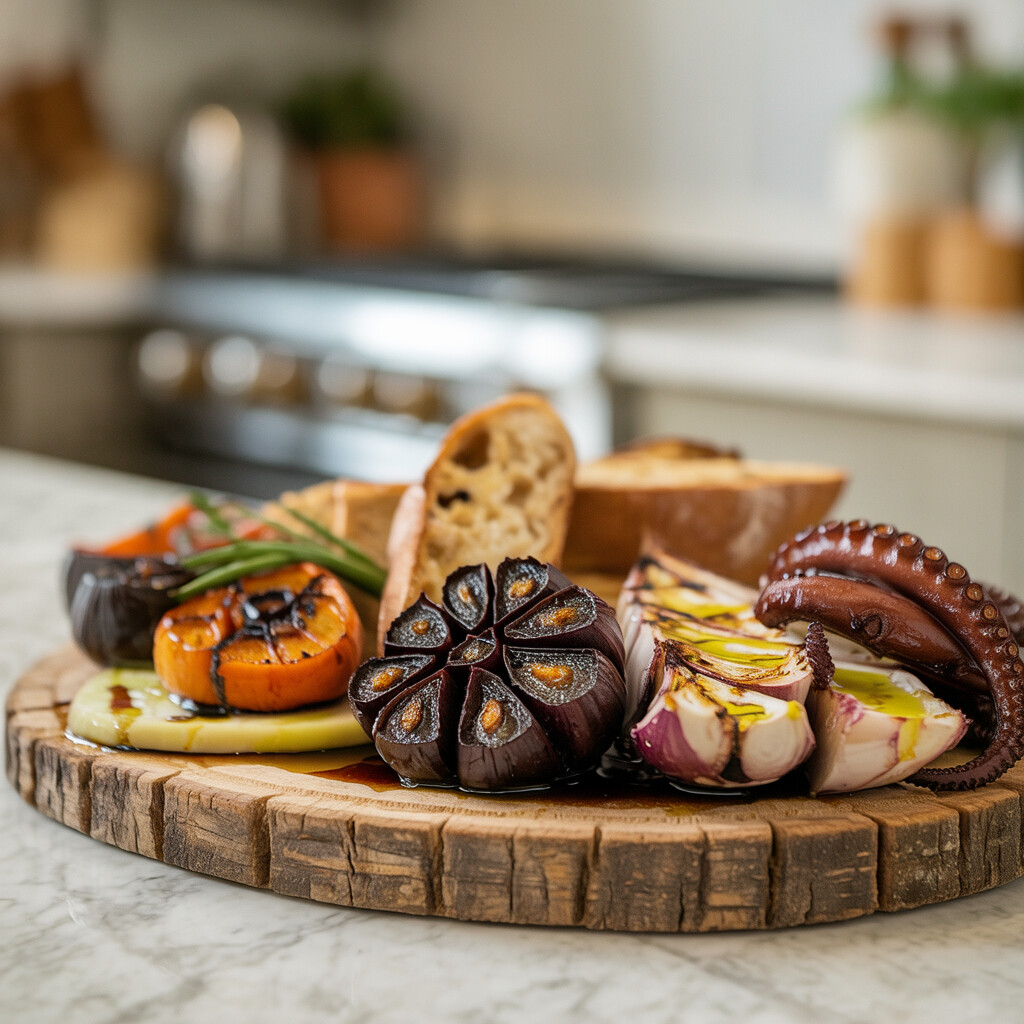
For years, chefs in the Mediterranean have understood how layers of flavor can carry a dish from average to extraordinary. Think paella, grilled lamb, or even a bright tomato salad with basil and feta. The region is a celebration of olive oil, fresh herbs, roasted vegetables, and big, sun-kissed zest—but lately, Black garlic in cuisine has made its way into that sun-soaked tradition, bringing its sweet umami flavor to the table.
Black Garlic’s Delicious Role in Classic Mediterranean Dishes
So how do you start using your fresh, homemade Black garlic in Mediterranean dishes? One of the best gateways is to swap it for traditional garlic cloves where the flavor won’t fight with assertive ingredients. Puree it with olive oil and lemon juice for a dipping oil to go with that crusty bread. Fold it into mashed chickpeas for a dip that balances nutty, herbal, and savory notes. Or, thinly slice Black garlic bulbs and arrange them with roasted peppers, eggplant, or tomatoes for a beautiful and surprisingly complex antipasto.
Elevating Greek or Moroccan favorites: Mediterranean cooking spans both continents. In Greece, mash Black garlic into yogurt with dill and cucumber, turning tzatziki into something you’ll spoon straight from the bowl. North African dishes, like Moroccan tagine, brighten up instantly with the sweet crackle of Black garlic stirred in near the end—it is less a punch of garlic than a sultry, smoky finish.
Mediterranean-style fish or seafood: A “wet rub” or marinade using Black garlic, sea salt, a splash of olive oil, and orange or lemon zest makes all types of seafood sing. Position Black garlic in cuisine as a way to mediate between assertive Mediterranean herbs, like rosemary or oregano, and to tie it to delicate white fish, grilled octopus, or buttery shrimp, without overpowering the dish.
Creative salads and simple mains: Sometimes, Black garlic wants to play supporting actor, not lead. Thin slices stirred into warm greens, grilled squash, or roasted chicken breasts will have your family following their noses into the kitchen.
The beauty of Mediterranean cuisine is that it’s inventive. You do not have to limit Black garlic in Mediterranean dishes to only usual suspects. Even a simple couscous salad, topped with a Black garlic vinaigrette, will delight anyone who craves sweet and savory in one dish.
Once you incorporate Black garlic into your Mediterranean recipes, you will never panic again about a missing ingredient in your kitchen. Its depth and mellow sweetness work with whatever you have on hand, and it is easier than you think to make at home. Black garlic’s global use may be a new adventure, but in Mediterranean cooking, it is like it has always belonged there.
The Global Use of Black Garlic: Culinary Inspirations from Around the World
Black garlic is still flying under the radar for a lot of folks, but if I had my way, we’d see this umami ingredient on grocery shelves everywhere. If this unicorn hasn’t shown up in your local market, you can always make your own batch. From sushi spots in Seattle to tapas bars in Texas, black garlic has turned into a secret weapon for chefs across the globe. But why let them have all the fun? Let’s dive into how people use black garlic all around the world and bring some of those tasty ideas home.
Black Garlic Culinary Uses Inside and Outside the Kitchen
You’ve learned how Black Garlic In Asian Cuisine works magic in ramen, stir-fries, and even the occasional dumpling. And in Mediterranean dishes, it plays nice with olive oil, roasted veggies, and just about any cheese. But black garlic’s appeal stretches much further: top mixologists swirl it into syrups for cocktails. Fancy bakeries put whispers of it in chocolate desserts and ice cream. I’ve even heard of bartenders and donut shops sneaking it into the most unexpected treats.
The beauty of Black Garlic In Cuisine is it doesn’t yell for attention. Instead, it deepens other flavors: think of it as a supporting actor who steals every scene. All over Europe, black garlic often shows up mashed into steak sauces, bean purees, or lamb glaze. Head to Australia or South America, and you’ll find Black Garlic In Cuisine used for sharp umami thrills that balance the sweetness of roasted squash or root vegetables.
You don’t have to hop a plane to taste the magic. Black garlic plays well in American kitchens, too. Stir it into mac and cheese, blend it in your next burger sauce, or use it in salad dressings for a plush, savory twist. Maybe go rogue and tuck a slice into your next grilled-cheese sandwich and see who notices. For special weekend projects, try making a batch of black garlic ketchup or jam; it’s next level with roast beef.
There aren’t many pantry upgrades with so much range; a little black garlic boosts simple microwave popcorn or scrambled eggs, scales up your best barbecue sauce, and pumps up everything from veg soups to seafood paella.
Black Garlic In Cuisine is a joy and surprise around the world. Starting a batch in your kitchen is the best way to become part of this new wave—one that chews up food borders and feeds us brilliant new flavor memories.
Conclusion
Black garlic might have felt out of reach before, but now you know how easy it is to turn everyday bulbs into a true kitchen treasure. By following the step-by-step guide and essential tips, you can fill your pantry with this unique ingredient and use it in everything from stir-fries in Asian dishes to jazzed-up pasta or roasted veggies with a Mediterranean twist.
As you embrace black garlic in cuisine, those old limits around access and creativity vanish. Experiment, share your results, and let every dish inspire new favorites. With a little curiosity and some patience, anyone can enjoy, teach, and promote the global versatility of black garlic from the comfort of home. Here’s to stronger skills, bolder flavors, and a celebration of what your hands can create—one clove at a time.
FAQ
How do I make homemade black garlic?
Your first step is finding whole heads of garlic and a way to keep them at 140 to 160 degrees Fahrenheit for about three to four weeks. You can use a rice cooker set to the “Keep Warm” function, a dedicated fermenting box, or even a bread proofer. Clean your bulbs and dry them with a towel, then arrange them as a single layer in your cooker or box: no oil, no seasoning—nothing fancy needed. Now for the tricky part: be patient. After a few weeks, the garlic will transform with deep, sweet flavors. Your home may have a roasted, earthy smell while you wait! With experience, you’ll appreciate black garlic in cuisine and the patience that goes into it as much as the bold flavor.
How should I store black garlic at home?
Once the fermentation is finished, let the garlic cool. Then peel away the papery skins and store the black cloves in an airtight container, keeping it in the fridge. Refrigeration keeps your homemade black garlic soft and flavorful for several weeks to months. You can also freeze whole bulbs—sometimes I’ll snag a piece while making late-night pasta. If you spot white patches, don’t panic. Usually it’s a bit of garlic juice or the occasional speck of salt rising to the surface—not mold. The garlic’s flavor continues to deepen as it ages, and black garlic in cuisine shines brightest the longer you store it.
How do I use black garlic in Asian cooking?
Black garlic is a superstar in many Asian dishes, whether you’re mixing it into a noodle sauce or folding it into fried rice. The deep umami flavor complements soy sauce, miso, ginger, and a little bit of heat. For a quick meal, mash up a couple of cloves and stir them into ramen broth just before serving—it takes a simple soup to restaurant level. Black garlic in cuisine has roots in Korea, where Samtaek garlic is fermented for months, so Asian recipes are among the best places to showcase your work. If you’re new to the flavor, start with small batches to see the results for yourself.
Can I use black garlic in Mediterranean recipes?
You can—and you absolutely should. If you love Mediterranean dishes like roasted fish, grilled meats, and simple salads, black garlic’s sweet-sour character fits perfectly. Dice it for a tomato salad, whisk it into aioli, or press it onto grilled lamb chops before roasting. You can also thinly slice the cloves and fan them across seared vegetables for a beautiful garnish. My favorites are pan-roasted fish and garlicky chickpeas. Mediterranean cooks have always used garlic in creative ways. Trying black garlic in cuisine will expand your everyday meals without a ton of effort or risk.
What does black garlic taste like?
The best way I can describe it is “garlic meets caramel.” When you taste black garlic, you’ll notice flavors of molasses, sharp balsamic, dried fig, and maybe even soy sauce. The closest thing might be a rich date crossed with roasted garlic—no heat or bite, though. That makes black garlic in cuisine craveable, even to diehard garlic haters. When you slice a clove, it will feel soft and gooey, almost like jam. Smell that deeply earthy aroma, too. Don’t be afraid: eating it raw is a snack, not a dare.
What makes black garlic so special?
Black garlic’s wow factor comes from nine hundred different aroma and flavor molecules created through the aging process. In regular garlic, sugar and amino acids stay separate; attentive timing during fermentation blends these compounds into unique flavors. Chefs love black garlic in cuisine because it provides the depth of roasted meat without any meat at all. I’ve known vegetarian cooks who use black garlic to amp up everything from smoothies to fruit compotes as well as savory standards. The fun lies in experimenting and letting black garlic surprise you. It brings both physical health and creative sparkle into every dish you make.