

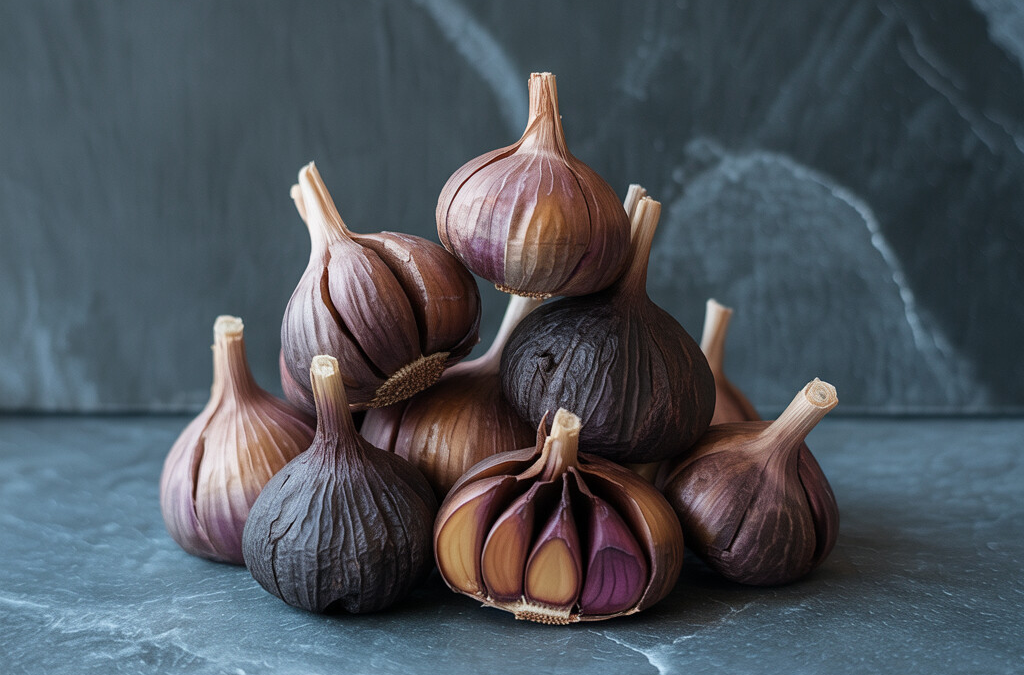
Black Garlic Flavor: Sweet, Umami, and Complex
Did you know that Black Garlic Flavor is often described as “umami magic with a whisper of balsamic”? It isn’t just a marketing gimmick: this savory, sweet, slightly tangy taste has created a fast-growing culinary craze across the U.S. Sales of black garlic jumped more than 20 percent in 2022, spawning a slew of new home cooking projects. Why do food lovers, chefs, and home cooks alike rave about the Black Garlic Flavor, even swapping regular garlic for its deep, caramelized cousin on bread, in pasta sauce, and, (hear me out), waffles? Last weekend, I added it to my brown butter and instantly felt tastier and trendier.
Now it’s your turn. If you think this treasure is too exotic or tough to find, you’ll love the earthy surprise: a guide (with real-people tips!) for making black garlic at home instead of hunting elusive specialty stores. Before you block off kitchen hours, read on about the unique science behind its taste, the signature sweetness, how to create a black garlic taste profile, how to store your flavorful treasure—and much more. Ready to dive in?
Understanding Black Garlic Flavor Characteristics
If you have ever bitten into roasted garlic, you already know how heat can work magic on an everyday bulb. The taste of black garlic is something on a whole different level. It is buttery yet tangy, deeply earthy yet sweet with just a hint of acidity and umami that makes every bite addictive. When I first tasted black garlic, the soft, sticky cloves had flavors I could not quite compare to anything else—a little like a balsamic glaze, molasses, and roasted garlic, all rolled together. You get lots of tang and a lingering sweetness with every taste.
Black Garlic Flavor Description: It Turns Garlic’s Sharp Kick Into a Deep Symphony of Flavors
What exactly makes black garlic flavor so different from regular garlic or even roasted garlic? Simple science with a delightful result. The cloves go into a super slow, gentle fermentation process at a steady, low heat. That takes weeks, not days—a test of patience that keeps paying off in the kitchen. The fierce bite and tang you taste in raw garlic vanish completely. Instead, the garlic turns deep brown, smooth, and everything tastes warm and caramelized. You will soon choose it for its range: rich, balanced, gently sweet, and with layered flavors most home cooks only expect from chef-quality ingredients.
If you have ever felt bored with garlic’s same old punch, black garlic’s tightly crafted umami burst will hook you. Think of those savory notes you love in soy sauce, mushrooms, steak juices, or tomato paste. Now the complex, sweet, earthy, almost-funky tones all blend in each black clove. The texture is silky and tender when squeezed out with a knife, which only adds to its versatility for everything from a ramen broth to a vinaigrette—or even chocolate truffles and ice cream.
Once you master the flavor profile and start using black garlic in everything from sauces to snacks, you will never again feel limited to ordinary garlic. Suddenly, one ingredient will instantly turn dishes from familiar to bold, sophisticated, and just a touch mysterious. If you ever run out of supply, do not panic; explore alternatives with Black Garlic Substitutes Top Flavorful Alternatives.
The Maillard Reaction: Transforming Garlic’s Taste
If you have ever felt curious about how regular raw garlic gets its dramatic new identity as black garlic, it all starts with the Maillard reaction. I know, it sounds super science-y. But this process is what makes black garlic flavor so unique and truly worth the wait.
Think of it like a slow-motion caramelization. When you let whole bulbs of garlic heat at a warm, gentle temp for a few weeks, magic happens. The natural sugars and amino acids in garlic enter into a stubborn dance that gradually makes the cloves dark, squishy, and packed with all kinds of punchy flavors.
How Black Garlic Flavor Profile Develops in the Maillard Reaction
So what is so special about this culinary transformation? Well, the Maillard reaction unlocks sweet caramel notes, soft tang, gentle acidity, and a swirl of umami, all without any added sugar. The garlic loses most of that spicy, hot bite but doesn’t turn bland. Instead, black garlic flavor gives you a whisper of balsamic vinegar, tamarind, or even soft chocolate, all in one mysterious bite. Besides, doing this at home means you do not have to hunt high and low for the good stuff at specialty stores.
If you have questions about how to use aged black garlic, the next time you chop, blend, or slice it into your food, think about the Maillard reaction at work. That is what puts the intrigue into black garlic flavor. Take a taste test and compare it with regular garlic if you are curious: you will soon find it in weekly dinner rotation!
Essential Equipment for Making Black Garlic at Home
If sourcing high-quality black garlic is tough where you live, good news is you can easily make some at home. This is a great hobby for food lovers—as well as the only surefire way to control the ingredients and process. Now, before you rummage through your kitchen, let’s cover what you will need.
Must-Have Tools for Crafting That Signature Black Garlic Flavor
First off, you need a steady, low-heat environment for several weeks. I know, that might sound intimidating—no one likes waiting. Let me assure you, though, good things really do come to those who wait in the black garlic community.
Your top contenders: an inexpensive rice cooker, a basic slow cooker, or a specialized “fermentation box.” Whichever you pick, make sure it holds a low, steady temperature between about 140 and 180°F. The loose-fitting lid is helpful, since moisture needs to escape along with some pretty intense garlic aroma. Next, you’ll want a kitchen towel (for extra insulation and to absorb any escaping steam), a small wire rack or basket to lift the garlic off the cooker’s bottom, and a moisture-absorbing pad, foil, or parchment for easy cleanup.
Here is a simple table to compare your options. Local thrift stores—or your grandma’s garage—might be treasure troves for classic rice cookers and slow cookers, so start there.
You’ll also want to pick up a few extra bulbs of fresh, plump garlic—don’t go for anything dried, crusty, or sprouting (trust me, you can taste the difference). Once you’ve rounded up these simple supplies, you are just days—or weeks, I should say—from producing homemade black garlic with that sweet, tangy, umami-packed punch.
Think of the excitement you’ll feel, uncovering a batch of sticky, jet-black cloves with deep flavor and caramel-like aroma. Once you go through the process once, you will quickly discover just how simple it is to experiment or scale up from there. Creating bold, complex Black Garlic Flavor at home isn’t hard, but it is empowering, immensely satisfying, and a real show-stopper for your future dinner parties.
Step-by-Step Guide to Crafting Black Garlic
Time to roll up your sleeves and dive right into the magical transformation of simple bulbs into jet-black, incredibly rich black garlic. Don’t worry if you do not have fancy kitchen gear or access to rare ingredients. With a little patience and some basic equipment, you are on your way to unlocking next-level Black Garlic Flavor at home. Here’s how to craft small-batch black garlic effortlessly.
Simple Steps for Homemade Black Garlic Flavor Perfection
- Select fresh, firm garlic bulbs. You want ones that are plump, with all the papery skin still on, and no sign of sprouting or drying out. The fresher your garlic is, the richer the final Black Garlic Flavor.
- Clean the bulbs gently. Wipe away dirt with a dry towel or brush, keeping the cloves all intact. Errant soil and damaged cloves can throw off your whole batch.
- Place garlic bulbs in your slow cooker or rice cooker. If your machine has controls, use its “keep warm” or equivalent low-heat setting. Never use “cook”—slow and gentle is key.
- Cover the cooker. If you want to protect bulbs from drying out, loosely wrap them in parchment paper or a paper towel.
- Let the bulbs warm steadily (between 140°F/60°C and 170°F/78°C) for three to five weeks. Yep, you read that right: weeks. This long, slow Maillard reaction breaks down sharp garlic notes and brings out the rich, almost caramelized flavor.
- Check the garlic once a week. Resist opening the lid too much or your precious humidity will leave and dry garlic does not turn into black gold.
- Sample a clove after three weeks by peeling back the outer layers. If the clove is dark brown or black, almost like a prune in texture, and carries the unmistakable Black Garlic Taste Profile—think earthy, balsamic, and sweet with little garlic bite—you are nearly there. Even if it seems “done,” leaving the bulbs longer will deepen the flavor.
- Remove the finished bulbs, let them cool, then peel or leave them whole for storing.
Curious how your batch compares with others? Our Black Garlic Preparation Techniques — A Simple Guide offers a great breakdown of methods for home cooks looking to branch out or dial in their Black Garlic Flavor preferences.
Think of that three-week minimum as the “prime time” for Black Garlic Flavor extraction. Waiting this long allows the natural sugars to bubble up and mature, much like a slow-cooked BBQ sauce blooming in flavor. If you are tempted to rush things because your hands are trembling with anticipation (I have been there too), just distract yourself with another recipe. The best black garlic rewards the patient and the persistent. Once you pop open a clove, you will know it was worth every wait.
Black Garlic Taste Profile: What to Expect
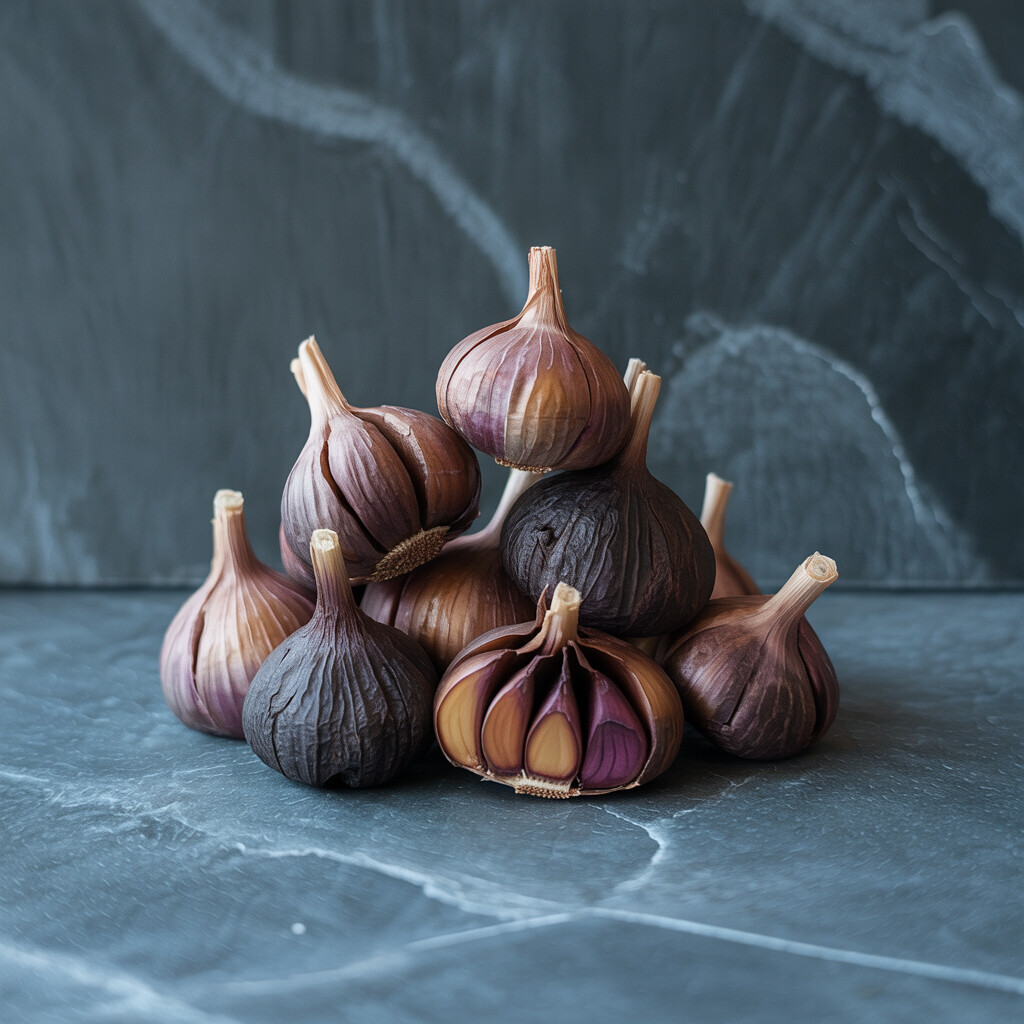
So you’ve waited out the slow transformation of your humble garlic bulbs and now you’re staring at glossy, jet-black cloves. Before I ever tasted it, I’ll admit I was a little worried. Would this be one of those things that tastes “good for you”? Trust me: Black garlic goes far beyond that. You’ll find yourself rooting through the pantry looking for something, anything, that needs a boost.
Black Garlic Taste and Unique Flavor Description
Bite into a black garlic clove and a few things hit you at once. The texture is tender, almost jelly-like, but not at all soggy. The flavors roll out in complex waves. What’s most surprising is the deep, earthy sweetness—think molasses, reduced balsamic, and dried date, layered together. The trademark vampire-slaying bite of fresh garlic? Gone. In its place, you get a mellow, almost tangy savoriness that makes me think of aged plum and a dash of dark chocolate. Maybe a hint of tamarind if you’re feeling poetic.
On first try, pinning down the black garlic flavor can be a tall order. I fumbled to describe it to a friend by rattling off every umami-packed ingredient I’d ever tasted. Here’s a quick reality check: Black garlic’s taste is both sweet and savory with a distinct, soft sourness. The acids left behind after its transformation add a bright edge, lifting it up so it never tastes dull or muddy.
Don’t be shy—the next time you whip up your own batch, taste a clove on its own. My first nibble was a revelation. Let the complexity settle in and you’ll start to pick up chocolate raisin notes, a faint tinge of aged soy, and yes, even a wisp of coffee roastiness. Once you know this new flavor, you’ll never mistake black garlic for old, regular garlic gone bad in the fridge. And if you’re proud of your new hobby, drop a clove on a cheese board. Wait for everyone’s shocked delight when they realize that new, slow luxury you’ve made in your own kitchen.
In the grand story of black garlic, its flavor holds the starring role: layered, gentle, a little mysterious. But the best thing? It makes you realize you don’t have to be a world-class chef to create magic with garlic and patience.
Storing and Preserving Your Homemade Black Garlic
Homemade black garlic deserves some love to keep its signature character fresh and punchy. When you’ve spent time nurturing those bulbs to bring out that deep, molasses-like Black Garlic Flavor, protecting your investment is a must. Storage can make or break your homemade black garlic’s character, texture, and shelf life. Imagine opening a carefully wrapped clove and still getting that rich aroma, rather than a disappointing whiff or soggy squish.
Best Practices for Black Garlic Storage
After the curing process, let your bulbs cool completely. Sticky and damp mean trouble. I put each bulb or cluster in a wrap of parchment for breathability, followed by placing them in an airtight container or a sealable bag. This keeps them comfy yet protected from getting too clammy in a fridge.
Room-temperature storage will do in dry, cool climates for short periods, but the refrigerator is your safest bet for anything longer than a week or two. Stored this way, black garlic’s flavor characteristics continue shining for up to 6 months. Don’t combine black garlic with other strong-smelling foods in storage; you risk a small tragedy. Anything that neighbors a black garlic bulb will end up swapping nuances—like sandwiches sharing a locker smell in high school gym.
Bagged or wrapped black garlic can be frozen, too. Freeze whole bulbs or peeled cloves in a small batch if the garlic started calling your name long before you could eat it all. You may notice a little shift in texture after thawing, but the Black Garlic Flavor remains impressively intense.
Once you have your stash, add a labeled date—you think you’ll remember when you made it, but memory can be wishful thinking. Homemade black garlic is a treat, but with good practices and just a little bit of habits, it will be there whenever inspiration (or hunger!) strikes.
Culinary Applications: Enhancing Dishes with Black Garlic
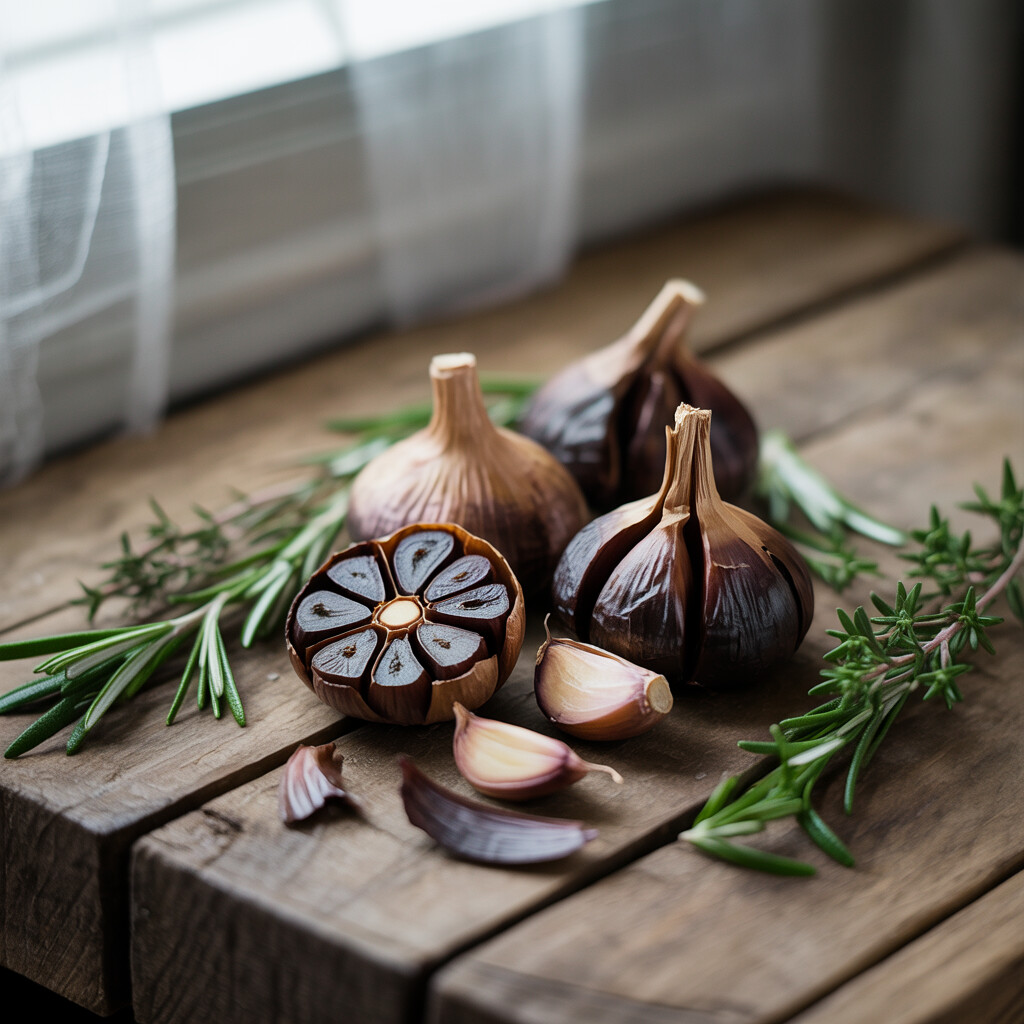
If you have ever tasted black garlic, you already know it is a world apart from traditional garlic. One clove will give your cooking an extra gear. Seldom is something this wildly flavorful so easy to use. Here are some ways to let black garlic work its magic.
Clever Ways to Use Black Garlic in the Kitchen
A little bit of black garlic goes a long way, especially if you add it to sauces, soups, or aioli. (It melts in just like butter.) If plain tomato sauce or pesto needs more depth, just stir in one chopped clove at the end for an espresso-like contrast to the acid or herbs.
At home, my favorite way to experience black garlic flavor is mashed into a baked potato. If you are a baked potato person, your world just changed. The pale, lightly caramelized potato loves the sweet-and-sour tone of black garlic. Try chopping up some black garlic with regular garlic and stirring it into mushroom soup near the end of cooking as well.
Slice or chop black garlic cloves and use them in vinaigrettes, Asian-style dressings, or marinades for tofu. Use it to top roasted vegetables or pizza just before serving, or press it onto your steaks or ribs before you take them off the grill.
Black Garlic Taste Profile: Experiments Without Limits
One of the best things about the black garlic taste profile is that it wakes up almost everything you add it to: roasted eggplant and peppers, lentil or bean soups, wild mushrooms of every kind, braised meats, pork belly sandwiches, and pretty much every kind of cheese. You can even try pressing, muddling, or pureeing cloves and adding them to your next batch of deviled eggs or sriracha.
Homemade black garlic has the advantage over some store-bought options: you control the drying and storage, so you easily get premium flavor. You will feel a bit like a magician, saying things like “Oh, those brownies? Yes, there is black garlic inside.” The unique black garlic flavor will draw out your creativity and take even modest meals into restaurant territory.
Health Benefits Associated with Black Garlic Consumption
All that work you put into unlocking black garlic flavor at home pays off the second you taste it, sure, but the benefits keep coming long after the meal ends. You are not just increasing the range of flavors in your kitchen. You are laying claim to a legend that could have been in an apothecary bag as much as on a ramen bowl.
Eating Black Garlic May Support Your Body
Compared to regular white garlic, the nutrients and natural compounds in black garlic make it an intriguing food for health-focused cooks. When garlic gets the spa treatment we call the Maillard reaction, the process transforms some of garlic’s ordinary molecules into powerful antioxidants. These are those invisible health bouncers that swirl through your body supporting your internal cleanup crew. These same antioxidants are where many modern theories about black garlic’s purported “superfood” status start.
Look up studies and you’ll find folks point to black garlic’s allicin content (allicin is behind garlic’s smelly bite, but processing changes it up). It gets extra points for phenols, flavonoids, and S-Allycysteine. If that last one made your eyes glaze over, just know that scientists consider it a beneficial coumpound for regulating metabolism, blood health, and how energy is balanced in cells.
A thermometer, rice cooker, and four cloves of garlic isn’t enough to transform your health. But research so far has shown black garlic may boost the immune system, encourage healthy cholesterol levels, regulate blood pressure, help the body process sugar more efficiently, and keep your cells happier over time than they would be otherwise.
If you are interested in getting really granular, there are some helpful articles we can share. Explore Black Garlic Nutrients Health Benefits for more.
The Black Garlic Taste Profile: More Good Stuff in a Savory Bite
Let’s be honest: for a home chef, if healthy food doesn’t taste at least somewhat pleasing, what’s the point? This is where the black garlic flavor profile steps in. Unlike intense raw garlic, black garlic flavor complements rather than overpowers. You’ll get tang, umami depth, gentle sweetness, gentle earthiness, mild tang, and maybe, just maybe, a passing reminder of balsamic magic.
Bottom line: Making and using black garlic combines history, flavor, and (maybe) a few body-friendly bonuses. This is food that works for you, not against you.
Troubleshooting Common Issues in Black Garlic Preparation
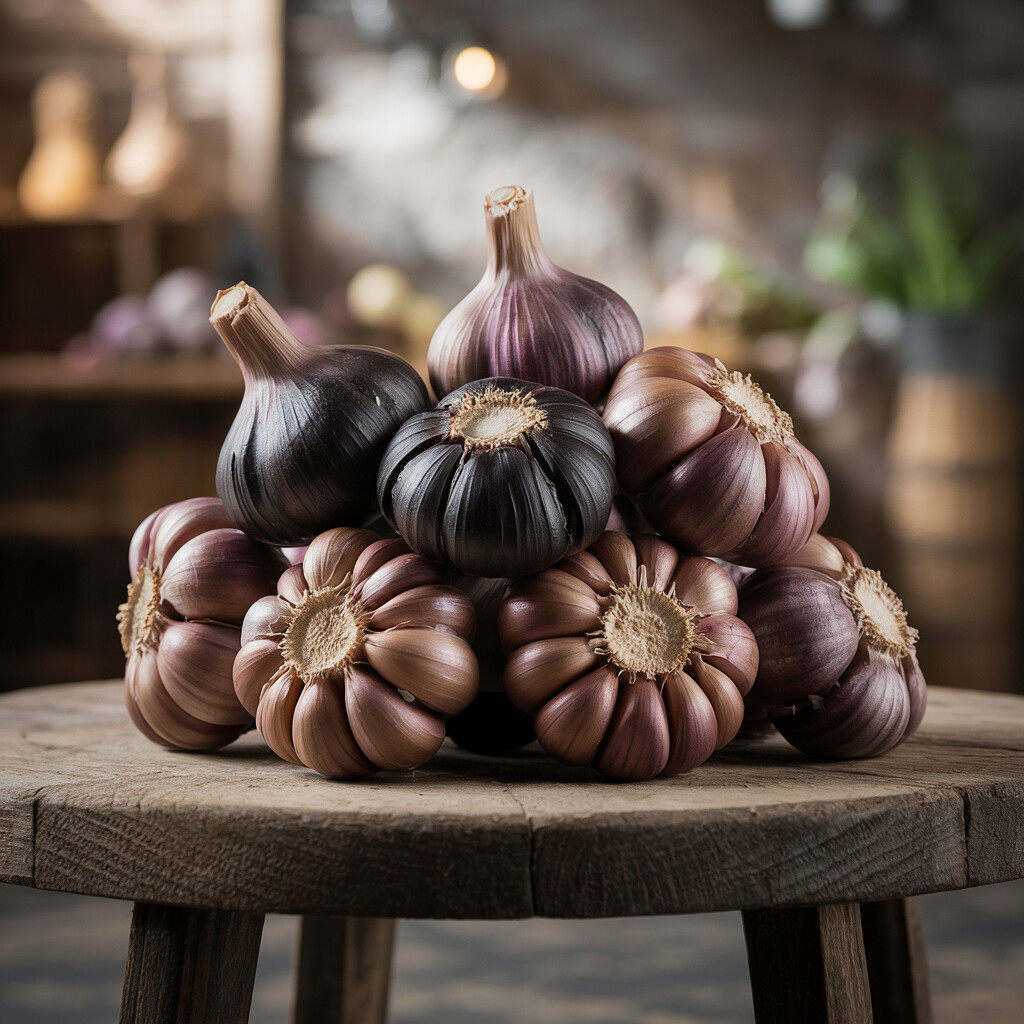
Solutions for Black Garlic Flavor Problems
No one enjoys spending three weeks making a pan of shriveled, burnt garlic cloves. Mist perfecting homemade black garlic can be a messy journey. Luckily, the most common roadblocks are easy to avoid, with just a bit of thought and attention to detail.
Temperature swings are the first thing to tackle. Maintaining steady heat is critical, especially during colder months. If your rice cooker or fermenting device tends to cycle off or cool down, put a kitchen towel or lid over the top to preserve heat. Double check the air isn’t breezing past your fermenter if it’s near a window, garage, or a door that opens often. If your garlic seems inconsistent with some cloves dried out and others sticky, rearrange bulbs midway through for even results.
If the black garlic flavor comes out sharp or harsh instead of sweet and mellow, your impatience might be to blame. Skipping days off the curing cycle leads to sourness. Those caramelly notes can’t develop without time. Refer back to our [Preparation Guide](Black Garlic Preparation Techniques A Simple Guide) for step-by-step reminders.
Humidity and moisture also play a big role. Too much, and you’re courting mold or slimy layers. Too little, and you’ll get that dreaded garlic jerky. Placing a small cup of water in your cooker really evens out home humidity gaps. Still see white streaks on finished bulbs? That’s natural, due to retained garlic sugars crystallizing at high heat.
Some bulbs will rebel despite your best efforts. The good news is, as you troubleshoot and perfect your craft, you’ll get closer to the sublime black garlic flavor you crave. Keep learning. Keep experimenting. And above all, trust your nose and your taste buds. Every batch of homemade black garlic is different, just like good barbecue. But that’s half the fun of becoming your neighborhood’s expert “garlic whisperer.”
Conclusion
You now know how to craft Black Garlic at home, unlocking this bold ingredient whenever you want. From understanding Black Garlic Flavor Characteristics to learning step-by-step how to make it from scratch, you have beaten the challenge of limited store-bought options. With these essentials in hand, you can turn everyday recipes into something complex and totally delicious.
There is so much you can do with the tangy, sweet Black Garlic Flavor, from whisking it into mashed potatoes to swirling it into a hearty dressing. Don’t be shy; try it in appetizers, snacks, and main dishes, then pass the knowledge on. Cooking is good for heart, soul, and belly, so go deep on flavor experiments knowing you have all the tools and tips you need to cook your way to creativity.
FAQ
What does homemade black garlic taste like compared to raw garlic?
Homemade black garlic flavor is mild, sweet, and a bit tangy, worlds apart from biting into a raw clove. You get hints of rich molasses, balsamic vinegar, and even dark fruit, layering into a deep savory finish. When I first tasted my batch, I detected a mellow, very lingering sweetness close to the taste of a well-aged fig. Unlike raw garlic, homemade black garlic loses its sharp edges, leaving you with something you can almost eat straight from the clove—though that might feel odd to your neighbors during dinner parties. Sharing black garlic at your table means everyone tastes smooth umami, not the burn you get from the fresh stuff. Once you try it, grocery store garlic will seem flat by comparison.
What kitchen tools do I need to make black garlic?
To coax great black garlic flavor from your cloves, you need steady low heat and a humid environment. Though a pro might use a fermenting chamber, your humble rice cooker keeps things simple. If your model rocks a keep-warm setting with a tight lid, you are golden. Most folks find success by sealing their garlic in foil and tucking it inside the cooker. Don’t fret about fancy machinery. Your slow cooker could pull double duty in a pinch, though it might let a bit more aroma waft around your kitchen. Throw in a monitor to track temps for weekday peace of mind. I always appreciate knowing whether my precious cloves are on track or need a little more humidity to work their magic.
How can I use black garlic to boost recipes?
Using black garlic at home lets you elevate recipes that call for bold flavor, especially those missing a standout ingredient. Rub the paste on chicken drumsticks; stir a dash into mashed potatoes or blend a bit in your favorite vinaigrette. The umami-packed, slightly tangy black garlic brings out the hidden notes of herbs, parmesan, and even chocolate—yup, it is wild on dark chocolate cake. I sometimes sneak a clove into aioli and watch my family guess the “secret” taste. With its mellow, balanced energy, black garlic can wear the hats of sweet, sour, and savory, so make it work overtime in place of balsamic or ketchup wherever possible.
Why does my homemade black garlic smell strong?
As your black garlic flavor develops, you will notice funky, caramelized aromas fill every crack of the kitchen. The strong scent is totally normal—think of it like holding a bake sale in a balsamic vinegar shop. You just kicked off a Maillard reaction, as heat and time pull every bit of sweetness from those pungent cloves. Keeping your setup sealed tight is key to stopping odors from escaping and gently maturing the bulbs. Firing up a rice cooker for several weeks, while your kitchen hums to the tune of roasted garlic, shows you are right on schedule. Plan your garlic project when guests are not camping out in your home.
How do you store homemade black garlic to keep it fresh?
Once cooled, keep black garlic flavor vibrant by storing your cloves whole, in their skins, tucked in a zipper bag or sealed jar. Leave them inside the fridge, and their jammy taste can hold for months. After I master a few big batches, I’ll pop extra garlic in the freezer—making later dinners both lazy and wildly flavorful. Try mashing a clove straight from the fridge and swirl it into soup stock as it heats. You can count on mellow, deeply jammy flavors any time of year.
What gives black garlic its signature dark color and rich taste?
Black garlic owes its signature color and rich taste to a process called the Maillard reaction. You heat whole bulbs at low temps, holding humidity, until enzymes and sugars interact, deepening color and layering sweet, tangy notes you do not get from raw garlic. Your rice or slow cooker holds the bulbs hostage while this happens, and by the end of three or four weeks, you have cloves that taste vastly different from anything you buy in stores. They become dark, sticky, and nearly creamy—a clear win for flavor bomb fans. Each year, I set aside a few weeks to let home batches do their transformation, reserving my sales pitch for the newcomers sure to love a more complex flavor.
My black garlic came out mushy and sour. What went wrong?
Mushy or sour black garlic can result from way too much humidity or temperature swings. If you crank up the cooker past 195°F or trap too much steam inside, expect unevenly matured bulbs and funkier, spongier bites. Always use foil or parchment for airflow, vent your equipment every five days, and if you can, pick out bright-fresh, undamaged bulbs for the best flavor profile. My rookie batch ended up with a school lunchbox bounce and burnt taste, all because I overdosed on water. Check the feel and inside color, tapping for a chewy, fudge-like core. Test early, store properly, and you’ll wind up with dense, sweet-sour cloves.