

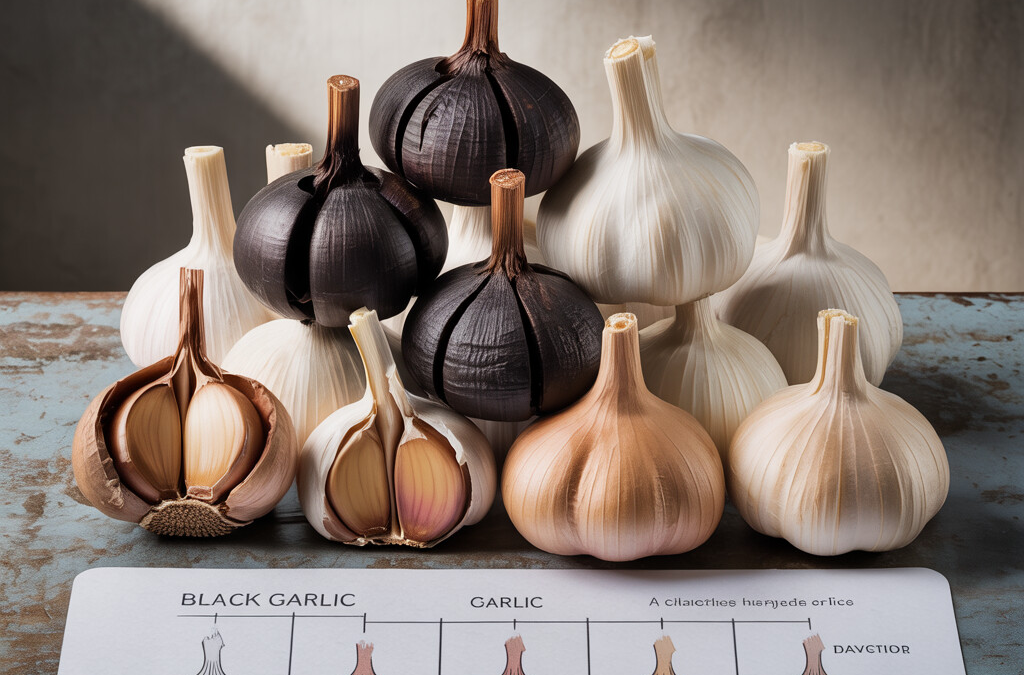
Regular Garlic Production Process: From Seed to Storage
Ever wonder how your garlic gets from dirt to your dinner plate? Garlic is no slouch: Americans gobble down over 250 million pounds of it each year. The Regular Garlic Production Process has a lot more to it than planting some cloves and hoping for the best. Last weekend I was rolling out dough for pizza night, and all I could think about was that perfect punchy aroma as I crushed a clove. That got me curious about how our favorite seasoning makes the journey from seed to table.
In this Beginner’s Guide, you’ll discover just how much effort goes into making sure your garlic tastes sharp, storeroom-ready, and versatile. We’ll cover everything from the nitty-gritty of farming and harvesting to storage tips and how regular garlic can turn into something totally new: black garlic. If you want to be the culinary magician at your next home-cooked feast, understanding the Regular Garlic Production Process will give you an unfair advantage. Ready to dive in?
Understanding the Regular Garlic Production Process
Garlic’s journey from farm to table has been one of my favorite food stories since childhood. During the Regular Garlic Production Process, farmers begin by planting humble cloves in rich, loose soil before the chilly winter months arrive. That first planting is common in late fall, giving the garlic bulb the time it needs tucked under cozy layers of mulch. As spring warms the earth, sturdy green shoots peek out, soaking up sunshine for fuel.
Step-By-Step Garlic Growth and Processing Journey
The real work in the regular garlic production process starts underground. Garlic spends many months silently splitting and multiplying, using its natural chemistry to build potent flavors everyone recognizes. Late spring and early summer are when above-ground garlic leaves turn golden and flop over. This dramatic little show is nature’s clue the bulbs are ready for harvest.
Once garlic is pulled from the ground, the next crucial part is drying, also called curing. Picture those pretty strings of garlic hanging in farm stands: this is what locks in flavor, improves storage, and gets bulbs fit for your kitchen. Finally, the cured bulbs are trimmed and cleaned before finding their way to market shelves and your grocery basket.
If you understand these steps, you’re in a better place to appreciate what makes black garlic so unique. After all, black garlic’s sweet transformation happens only after the regular version gets this careful treatment. From here, you’ll see how farmers, foodies, and backyard gardeners around the U.S. rely on thoughtful production to get that unmistakable taste into every clove. Knowing this whole process means you’re not just cooking with garlic, you’re becoming part of an age-old kitchen ritual.
Cultivation of Regular Garlic: From Seed to Harvest
Picture this: cool spring air, soft dirt between your fingers, and a tiny garlic clove in hand. This is where all great garlic—regular or black—begins. The regular garlic production process starts with choosing healthy cloves for planting. Each clove has the potential to sprout into a full bulb, which amazes me every time I see those vibrant green shoots pop up.
Steps for the Regular Garlic Growth Process
Regular garlic likes soil that drains well and holds onto just enough moisture to keep things growing. In most parts of the United States, the best time to plant is fall, just after your last tomato drop but before the ground gets stiff with cold. Gently tuck the garlic cloves pointy-side up, about two inches deep, and give them a loose blanket of mulch for winter. These bulbs take their sweet time underground, but trust me, patience pays off.
Come late spring, the regular garlic production process kicks up a gear. Green tops push through the dirt as the days grow longer. Keep the weeds at bay for a stress-free crop, and water consistently, especially after the little bulbs start to form during warmer weather. A dry spell at this point is not a garlic grower’s friend. If bulbs sense a drought, they stall out early and won’t size up the way you want.
As for fertilizing, light feedings make a big difference. A community garden in New Jersey let me in on a secret—fish emulsion (don’t ask about the smell) gives a gentle nutrient boost without scorching the young roots.
From those late fall planting vibes to summer’s sun-dried earth, the journey from seed to harvest mirrors the effort and pride we pour into black garlic, too. I find there’s something grounding about starting with regular, homegrown garlic instead of struggling to find quality black garlic products at the store. If you want black garlic on hand for homemade aioli or a smoky-sweet stir fry, learning how to grow garlic yourself is a great move. Hang tight now for harvesting tips—this is where those patient months really start to reward you.
Regular Garlic Harvesting Techniques and Best Practices
Harvesting garlic feels like uncovering treasure in your backyard or garden plot. In the regular garlic production process, knowing the right time to harvest ensures you get full bulbs that store well and taste fantastic. Trust me, there is nothing quite like yanking that first head of garlic out, brushing the dirt off the roots, and catching the bold, raw aroma.
When growing your own garlic at home, timing is everything. Let the bottom few leaves turn brown and dry while the layers above remain green. This step is key in the regular garlic production process as it signals the cloves are nestled safely in their papery skins but have not split from over-maturity. Use a digging fork, not a trowel or shovel, to slip under the heads and ease them out—tugging often leads to popped or bruised bulbs, which do not keep long in storage. Once the heads are up, resist the temptation to dive right in, and lay the harvest out to “cure” in a shady, dry spot with great airflow for about two weeks.
Harvesting Techniques and Tips for Regular Garlic
Great garlic harvesting involves both finesse and a certain “Farmer’s Almanac” stubbornness. If heavy rain is in the forecast, hurry to pull the bulbs before a soggy spell sets in or risk discolored skins and decreased storage life. Slice off the roots but leave the stalks for now. I like to hang them up in bundles, so they “sweat out” moisture and sugars can settle.
Here is a quick reference table combining the top tips for easy recollection:
This is probably not news to seasoned gardeners, but for newer cooks: Under-cured or damaged garlic will not produce rich, deep-tasting black garlic. If your goal is to taste the subtle, molasses-like flavors of black garlic in your home recipes, always start with premium, well-cured heads.
While store-bought garlic is often convenient, it is not always at its freshest peak, especially in regions with limited access to quality bulbs. Learning these best methods takes you one step closer to making great black garlic at home. The transformation journey starts with the dirt on your hands and ends with deep, mouthwatering flavor at your table, so roll up those sleeves.
Regular Garlic Storage Methods to Maintain Freshness
Storing garlic might seem like a no-brainer, but this step makes all the difference in the regular garlic production process. Fresh garlic goes through a lot before ending up in your kitchen cupboard, and knowing how to keep it at its best can help you make the most of the bulb’s bold flavor and nutrition. Rushing this step can lead to sad, sprouting cloves that lose their kick—something none of us want.
Clever Ways to Store Fresh Garlic
Let’s get straight to it: regular garlic likes cool, dry places. Skip the fridge and stoneware crock if you want to avoid mold. Store whole bulbs in a well-ventilated spot with temps between 60 and 65 degrees—your pantry or a mesh bag hanging on the wall is great. Leave the skins on until you need a clove. This keeps the bulbs moister longer and slows down those pesky green shoots. Once you’ve peeled or chopped a clove, the countdown begins: seal extra bits in a container, pop it in the fridge, and use within a week.
Some folks dry or roast their garlic for longer shelf life. Roasted cloves smear like butter on bread, but do go fast. If you’re drying garlic, slices can keep for months if left in an airtight glass jar on the counter. Just remember, even with the best regular garlic storage methods, nothing stays fresh forever.
Regular garlic production process involves careful curing and monitoring to keep bulbs at top quality until you need them most. These techniques, essential after harvest, help lock in the crisp flavors that make regular garlic a staple in American meals. Once you master garlic storage, you’re on your way to tackling even more adventurous kitchen projects, like Black Garlic Storage Techniques, and learning how one humble bulb can transform into something entirely new.
The Transformation: How Regular Garlic Becomes Black Garlic
The next big leap in the regular garlic production process is what turns this everyday bulb into glossy, sweet black garlic. The journey sounds dramatic, but the science involved is as gentle as a well-loved garden. If you are curious about how to take regular garlic from its classic white and pink flesh to a clove that looks inky and has a deep, sugary taste, buckle up.
Stepping Through the Fermentation Journey: Turning Garlic Black
Transforming regular garlic requires a slow, steady heat process paired with precise humidity. Think of it as garlic’s extended spa day inside an enclosed, temperature-controlled box. While people often call it “fermenting,” no helpful bacteria are actually working in the garlic; the magic happens thanks to something called the Maillard reaction. Over about three weeks to a couple of months (yes, really: you need patience for this one), the garlic sits at temperatures around 140–170 degrees Fahrenheit. The heat and the moisture help coax out the sugars from the clove walls inside, caramelizing them and changing both the color and texture.
During this stage, you do not add any new chemicals or anything fancy; you are just leveraging the natural makeup of the garlic itself, which makes me think of baking bread from scratch: simple stuff in, pure alchemy on the other side. The key is using a well-harvested, healthy head of garlic that has survived the regular garlic production process with its oils and structure intact; that will turn out the best black garlic at the end.
Why does this process matter if you are looking to buy or make black garlic, especially if you’ve struggled to find top-shelf products at your local store? Because the difference between rubbery, dry, or overcooked black garlic and velvety, date-like consistency often comes from how carefully someone treated their regular garlic in these exact stages. Getting these details right is what turns ordinary bulbs into little black gems you will want to pop on roasted veggies, whisk into dressings, or eat right from the crostini.
If you love hands-on projects in the kitchen and have got a slow cooker or dehydrator, you can try your own black garlic adventure. Just bring patience—you will get regular garlic’s deep, rich alter-ego and smack of local pride in the final bite. For more technical guides and flavor breakdowns, check out our deep dive into Black Garlic Production: Aged Garlic’s Sweet Transformation.
Flavor Profiles: Comparing Black Garlic and Regular Garlic
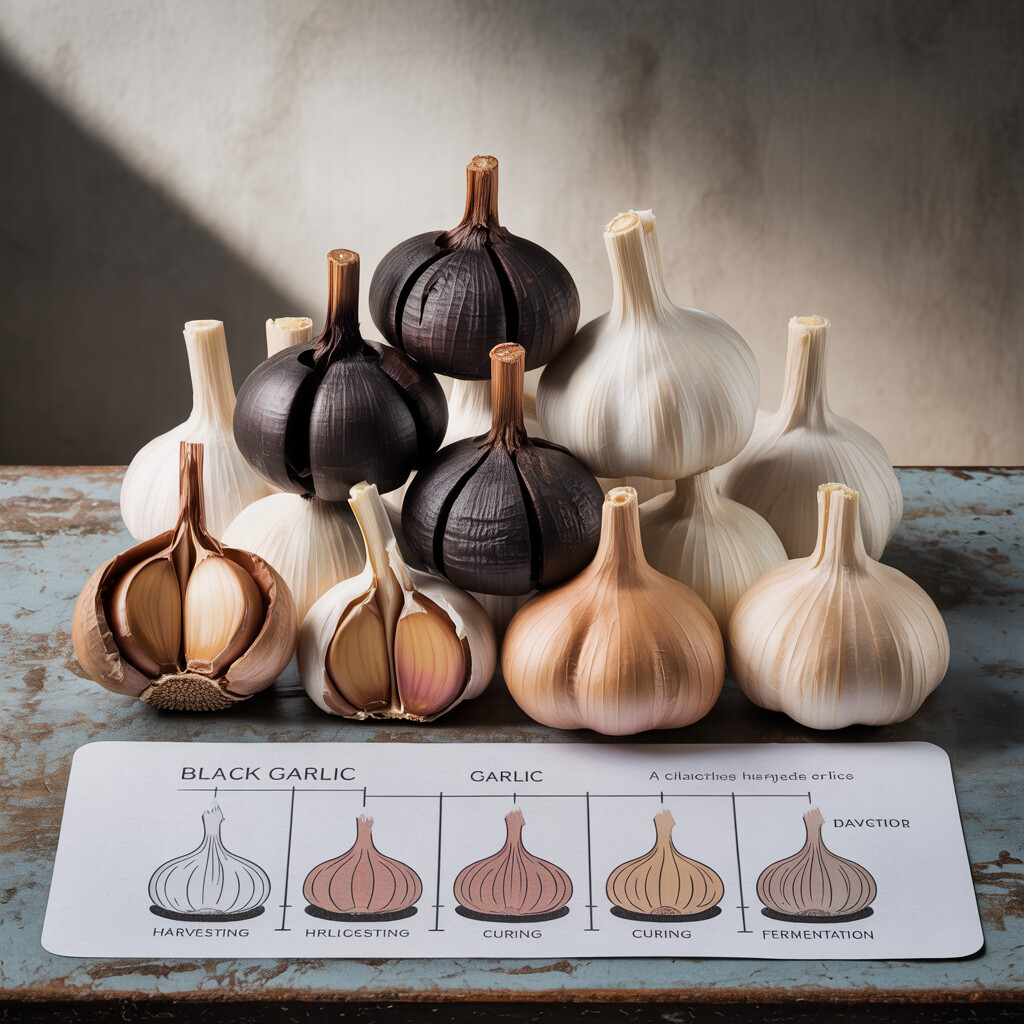
While black garlic may look like something meant for a Halloween party, the real trick is in how wildly it transforms the flavor of regular garlic. If you’ve ever taken a deep whiff of a garlic bulb fresh out of storage after harvest, you know the sharp and spicy punch it brings. Thanks to the meticulous care given during the regular garlic production process, you get that classic crisp bite—perfect for sautéing into just about everything.
Key Differences in Garlic Taste
Let’s be honest: regular garlic kind of demands attention. Fresh, uncooked cloves bring on an intense peppery heat and bright bite that most of us love and rely on. Depending on storage methods and how you use it, you might shift that sharpness by roasting, grating, or smashing—yet it usually holds some of that bold character.
Then there’s black garlic, which is what you get when that same white bulb undergoes a low, slow metamorphosis. Instead of aggressive heat, you’ll find profound layerings of sweetness, rich balsamic notes, umami depth, and sometimes hints of dried fruit or molasses, even a whiff of licorice. Black garlic becomes almost spreadable, so there’s zero raw burn. This means you can tuck it right into sauces or dressings—or blend it for a flavor bomb you’ll crave again and again.
Some folks who struggle to access quality black garlic products get creative and make this savory gold at home, starting from bulbs grown and cared for by hand. That slow aging process takes the results of the regular garlic production process in a completely new direction, producing something that feels downright luxurious on any spice shelf.
Ready for a fun fact? In side-by-side taste tests, people often guess that black garlic is sweet, smoky, and mysterious, while regular garlic remains bright, pungent, and punchy to the end. Even a tiny bit of black garlic changes the whole trajectory of a bite, almost like swapping out background music during a movie scene.
Use either type and you’ll impress yourself and your dinner guests—or just your own taste buds. For a breakdown of exactly why their tastes diverge, delve into more insights over in the “Black Garlic Vs Regular Garlic Key Differences In Flavor And Nutrition” resource, or follow your nose to recipes you can try tonight. The journey from a humble beige bulb to that prized black clove starts with the right crop and finish, and ends at the kitchen table—with you.
Health Benefits: Black Garlic vs. Regular Garlic
Let’s face it, both regular garlic and black garlic are kitchen MVPs. They work hard behind the scenes to make food delicious and good for you. If you’re thinking of adding more black garlic to your shelves, know that each has its own special perks beyond flavor alone.
Regular garlic, thanks to its well-honed regular garlic production process, is loaded with antioxidants like allicin. Doctors love it for helping the heart and immune system. Is it spicy on the tongue? Yes, but it’s a trusty ingredient for knocking out colds or adding a snap to food. On the other hand, after weeks of careful aging (a key step in the regular garlic production process), black garlic changes both in taste and nutrition. With the aging of black garlic, you get higher levels of S-allylcysteine, an antioxidant that plays nice with your body and helps manage blood pressure, fight inflammation, and may give your immune defenses an extra vote of confidence.
A Closer Look: Choosing the Right Garlic for Your Health
No one ingredient is a miracle fix, but including both in your meal rotation is a fun (and tasty) way to keep things interesting. Regular garlic’s punch comes partly from how it’s grown and processed, so has earned direct fame as a superfood. But black garlic’s health benefits stretch beyond expectations now that the health food scene has started to notice.
With black garlic consumption guidelines being easy to follow, you can start by trying a bulb or two in chilled noodles, blended dressings, or grain bowls. A spoonful after a walk, or after a meal with garlic bruschetta, will keep your body guessing and happy. While finding first-rate black garlic in your neighborhood can be tough, some small businesses offer premium bulbs to curious cooks across the country.
Start with whichever is easy to find. Work both regular and black garlic into spreads, salads, stews, meats, grains, peanuts, seafood… anything that needs a dash of bite or a note of caramel and tang. The doors to more varied and happy eats are wide open—just the way I like to cook at home with friends and family. Let me know how you sneak them in!
Culinary Uses: Incorporating Black Garlic into Your Cooking
Black garlic took a slow journey to get to your kitchen, so take a minute to really celebrate its arrival. It spent weeks patiently transforming from regular garlic, and it deserves to be the star flavor now.
Black garlic pairs beautifully with many foods, from classic mashed potatoes and pasta dishes to creative appetizers and ramen. If you’re new, start by swapping black garlic for regular in familiar recipes, like stir-fry or garlic butter. I especially love it spread over toast or whisked into vinaigrettes. Its flavor is so rich, you’ll find yourself reaching back for another spoonful – consider that your chef’s tax.
At first, it might feel frustrating to get your hands on quality black garlic. It isn’t in every neighborhood grocery store, and it costs more than fresh bulbs from your garden. But when you remember the patience of the regular garlic production process and appreciate the extra care black garlic demands, you’ll see that its price really reflects the craftsmanship that goes into it. That makes every precious clove worth the splurge.
Ways to Enjoy Black Garlic in Your Kitchen
Here are a few fun, flavorful, and totally achievable ways to use black garlic today. Let these spark your creativity:
- Toss a few cloves with roasted root vegetables.
- Slice and lay on top of pizza before baking, then add another clove for good measure.
- Blend into homemade mayonnaise, aioli, or unsalted butter for a unique spread.
- Mash into avocado toast with feta, flaky salt, and lemon zest.
- Blend into hummus and serve with grilled chicken, falafel, or roasted cauliflower.
- Sprinkle chopped cloves over sturdy greens, such as grilled cabbage or arugula.
- Add a cube of black garlic to savory broths or ramen noodles.
One final tip: Black garlic is sticky, unlike fresh garlic, and mashes kind of like anchovies. Use the back of a spoon, a mortar and pestle, or the end of your chef’s knife, and you’ll coax every last bit out.
Embracing black garlic means celebrating the patience behind the regular garlic production process. It’s about boldly stepping beyond the everyday cook’s path and inviting richer flavors into your kitchen, even if you have to hide the last clove for yourself.
Where to Find Quality Black Garlic Products
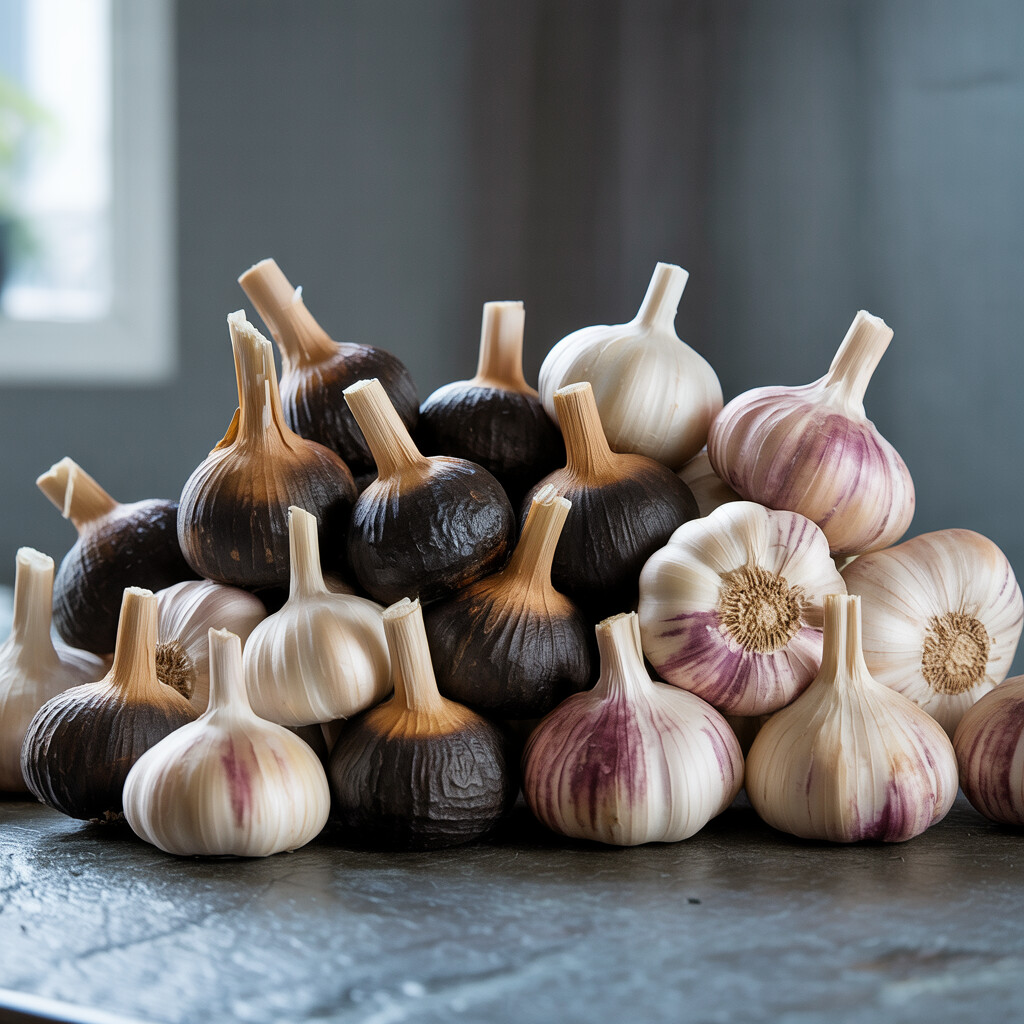
Finding top-notch black garlic products is not always a simple walk down the grocery aisle. Getting the real-deal takes a little work, because not every jar or bulb makes the cut. I have fallen for the fancy jars at some gourmet shops, only to find dried-out cloves. Before we talk buying, let me share my own sniff test: authentic black garlic should be plump, sticky, and fragrant. It is never rock-solid or overly crumbly. A true gem will offer sweet, almost balsamic notes with no harsh, burnt aroma.
From Regular Garlic Production Process to Pantry: Reliable Places for Black Garlic
Great black garlic starts with the right Regular Garlic Production Process. If you want consistently golden results for your own kitchen adventures, here are my favorite ways to get your hands (and taste buds) on the best:
- Local Markets: Some health food retailers or high-end grocery stores in bigger cities will stock artisan black garlic. When you see bulbs, give them a squeeze—or a gentle sniff—looking for tender, fudge-like texture and sweet, mellow aroma.
- Friends Who Farm: I am lucky to have an aunt with a massive garden, which is a great way to get fresh regular garlic to ferment yourself, if you are in a DIY mood. Several online guides walk through the regular garlic production process needed for perfect home-aged cloves.
- Trust-Worthy Shops: Gourmet food stores, farmers’ markets, and some spice shops specialize in small-batch black garlic. Chat with sellers about their own process—it’s a perfect chance to learn more about the origin of the garlic and its aging technique.
- Online: If you can not score local options, reputable online stores in the United States market artisan or single-origin black garlic. Reviews are lifesavers here, since other foodies can tip you off about freshness, texture, or customer service problems.
- Restaurants and Pop-Ups: Adventurous local chefs and food events often feature curious ingredients, like black garlic. After I chatted up a chef at a street food event in my city, he sent me home with two soft bulbs. Never underestimate the power of a well-timed compliment to score your new favorite flavor!
- Specialty Producers: A handful of family farms and culinary makers around the US focus entirely on black garlic, bottling up flavors and styles that go far beyond mass-market offerings. A quick search for “artisanal black garlic” on food blogs or farmer networks will steer you their way.
Storing black garlic at home does not demand anything special. Most kitchen pantries are already the perfect spot. The sticky cloves keep in their original wrapping or an airtight glass jar at cool room temperature, far from sunlight or too much humidity. If the bulbs have never been cut into, they can last many months. Once opened, I slip out sticky cloves as needed for rubs, sauces, or creamy spreads.
Sourcing black garlic might take a few attempts, especially if you live somewhere rural. Once you land your favorite bulb, it is so worth it. The transformation of regular garlic into black garlic is where the magic happens. Home cooks and food lovers now have one more excuse to get creative in the kitchen. Your biggest challenge will likely be hiding that last bulb from your family, because everyone who tastes black garlic wants more.
Conclusion
Now that you know the regular garlic production process, along with how careful cultivation and storage help make plump, perfect bulbs, you can appreciate what goes into every clove. If getting your hands on high-quality black garlic has been tough, consider making it yourself or checking out trusted specialty food shops.
Black garlic opens up a world of flavor possibilities, letting you experiment and fall in love with this versatile ingredient. Whether you are borrowing ideas from traditional recipes or trying something bold, there is no wrong way to use black garlic in your kitchen. Take the leap and make black garlic a star player in your pantry. Your tastebuds (and your next dinner guests) will thank you.
FAQ
What is the Regular Garlic Production Process?
The Regular Garlic Production Process covers everything from planting the cloves to having a fresh bulb in your kitchen. First, you pick healthy cloves and plant them in rich, well-prepared soil. You add water and keep weeds at bay for the best growth. Harvest time rolls around a few months later, when the garlic is dug up, cured, then sorted. One summer, my family grew garlic in our backyard garden; we were surprised by how simple the process felt. Watching those green shoots become golden bulbs filled us with pride when we finally pulled them from the dirt. Each step in the process—whether planting, caring, or harvesting—helps ensure you get tasty, healthy bulbs that will go with just about anything you cook.
Why does the cultivation of regular garlic matter?
You might not think about it, but the cultivation of regular garlic really shapes the flavor and nutrients of every bulb. Proper growing methods let you build big, plump bulbs with those satisfyingly juicy cloves that keep meals lively. For example, healthy soil, good spacing between plants, and keeping an eye out for pests all play a part. I once visited a local farm during harvest—not just fields stretching out in the sun, but gardeners inspecting Garfield’s fetch rope (for the dog, not the garlic) and laughing about the purple-streaked variety’s “fashionable coat.” I left with dirt on my shoes, hands smelling of raw garlic, and a smaller bag for the trip home since my wife snuck a few to roast that very night. Proper cultivation basically means healthier crops, better taste, and a crop you’re excited to eat.
How does regular garlic harvesting work?
When it comes to regular garlic harvesting, timing is everything. After months of growth, you want to grab those bulbs when lowest leaves start browning but the rest stay green. If you harvest too late, the cloves get dry or separate; too early, and they’re small and not as tasty. Pull up the whole plant using a garden fork, shake off the dirt, then let the bulbs cure and develop their full flavor. I watched a chef once simply dig up a bunch of softneck garlic, brush them off, tie them in bunches, and hang-n-cure them with care. The rich, satisfying scent clung in the nose and filled my car for days after I brought some home. The regular garlic production process nails the flavor, texture, and how easy those bulbs are to store.
What are effective regular garlic storage methods?
The best regular garlic storage methods let you keep those little cloves fresh and full of bite way after you harvest them. Airflow is critical, as is mild humidity and cool temperatures. It’s true: Dry air will turn tomatoes to dust, and garlic, too; but so will damp air—garlic gets mushy (like your college roommate’s lunch leftovers). Try storing bulbs in mesh bags or baskets, somewhere cool but not the fridge since they can sprout that way. Last summer, a friend stashed his entire harvest in his woodshop’s tool baskets—not something I’d copy, thanks to sawdust, but it kept the bulbs plump the entire fall. Your own regular garlic production process gets a power-up with smarter storage.
Why is black garlic different from regular garlic?
Black garlic gets its edge from being aged under heat and humidity, sort-of caramelizing each clove and changing the taste, aroma, and texture. The magic starts with the regular garlic production process; the tradition, care, and general TLC given to white, raw bulbs transfers straight to the final black product. Pick plump, perfect bulbs, cure them, and then the fun starts—with those turn-‘em-black-with-heat methods made popular in Korea, then Japan, and now found in kitchens all over the world. Unlike the sharp bite of raw garlic, black garlic is gentle, a little sweet, a lot robust, and, to my weird delight, great on toast or as a meat rub.
What flavor differences do black and regular garlic have?
Black garlic and regular garlic cannot be mistaken, flavor-wise. Once you’ve tried it, you know: Regular garlic strikes, black garlic comforts. Raw garlic will tingle your taste buds and, full warning, your mouth gives an all-hands emergency alert if you eat one raw on a dare (I’ve tested it). Meanwhile, after the regular garlic production process runs its course black garlic is sweet, smooth, almost like balsamic vinegar, and about as dangerous as a croissant. If you make black garlic at home, expect the roasting aroma to perfume everything you cook with forever (in the best possible way).
How do you use black garlic in regular cooking?
You’ll use black garlic the way you depend on regular garlic: It will fill your kitchen, take over your dishes, and charm anyone it touches. With roots in the regular garlic production process, it’s most often spread on bread, whisked into salad vinaigrettes, mashed over cooked steak, or blended in a tomato sauce. I went wild last winter testing black garlic in a double batch of mac and cheese…and let’s just say, it didn’t last the day. The leftovers, at least, got mashed up with olives on baguette, and not one bite ended up in the trash. If you’re hungry for something new and you love roasted flavors, black garlic is officially on the menu, thanks to everything you already figured out from cooking with fresh bulbs.