

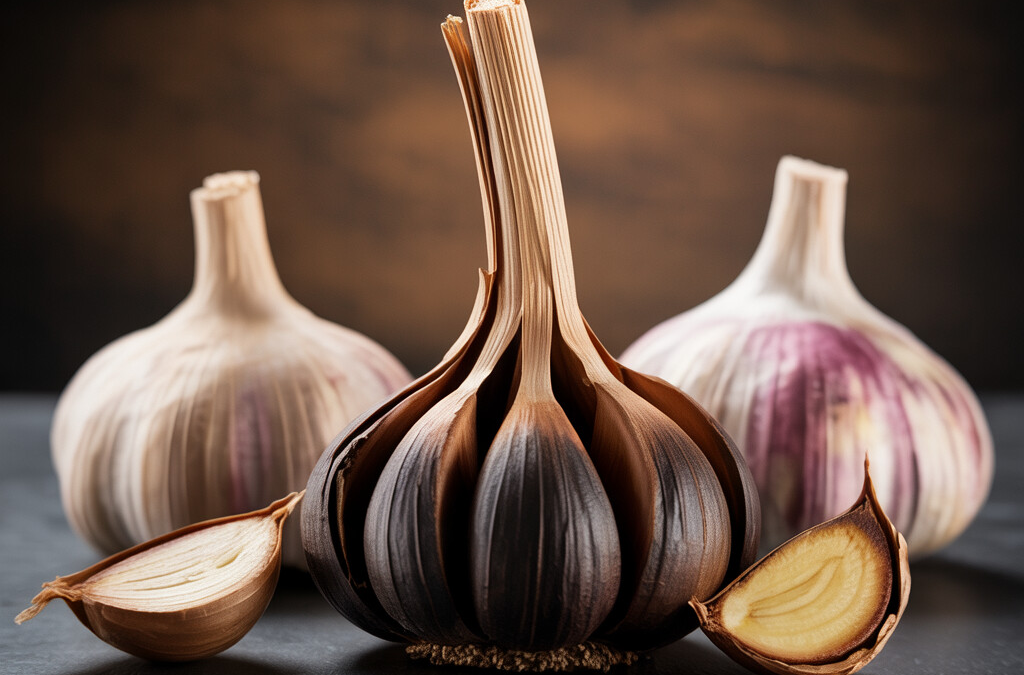
Black Garlic Production Process: Aged to Perfection
Did you know that one humble bulb of garlic can transform from everyday kitchen staple to rich umami superstar without a single extra ingredient? The secret lies in the Black Garlic Production Process, where time, science, and a bit of patience work their magic. Last weekend I peeled open a sticky, inky clove straight from my favorite local market and paused to savor the sweet syrupy aroma. It was nothing like regular garlic—the surprise made me smile. A 2023 survey showed black garlic’s popularity doubled over the past five years with curious cooks like you looking for something special.
This beginner’s guide will break down the Black Garlic Production Process. You’ll learn how temperature, humidity, and a hint of mystery take those bitey white cloves and morph them into savory black jewels. By the end, you’ll see how the process shapes every level of black garlic’s flavor, nutrition, and uses in the kitchen. Whether you’re daydreaming about your next pasta, roast, or even dessert, we’ve got your back. Ready to dive in?
Understanding the Black Garlic Production Process
When you step into the world of black garlic, you find that its story is nothing short of magical. Unlike regular garlic, black garlic starts as your everyday bulb, but it’s transformed through a special Black Garlic Production Process. Hard-working enthusiasts like you can try this at home, and who knows, maybe win bragging rights at your next dinner party.
Black Garlic Fermentation Method
The secret behind black garlic is a slow and careful heating method that turns simple garlic into rich, exotic treasures. The Black Garlic Fermentation Method calls for keeping whole garlic bulbs in a warm, humid environment for around three to four weeks. We’re talking steady temperatures held just below 150 degrees Fahrenheit. No boiling, baking, or adding funky chemicals—just time, warmth, and moisture working their magic.
During this Black Garlic Production Process, the Maillard reaction kicks in, ushering in deep, complex flavors and striking dark color. As days melt into weeks, the sharpness of fresh garlic mellows out. Imagine cloves morphing into sweet, tangy wonders, tasting a little like balsamic vinegar, a little like tamarind, and a whole lot like something new and exciting. Don’t be tricked by the darkness—it tastes nothing like burnt onions.
It’s more than a production method; it’s an art. While it takes time and patience, your reward is something uniquely sweet, soft, and spreadable. And if you’re in a garlic desert like I sometimes am, making a small batch at home gives you that “I-made-this” pride, along with delicious proof.
I keep a small rice cooker in my garage and set my garlic bulbs inside, on “keep warm,” and check the humidity now and then. In a couple weeks, pure culinary gold appears, ready to spark up anything from classic salad dressings to burgers and even desserts. It just goes to show, sometimes the path to something new needs a little time and a lot of love.
With a little patience and the right know-how, you can join the black garlic party too. Once you try it, you’ll find reaching for cloves of the ordinary stuff just doesn’t feel the same.
The Maillard Reaction’s Role in Black Garlic’s Transformation
When you lift the lid on the black garlic production process and get that first whiff—sweet, roasted, mesmerizing—you’re witnessing the power of the Maillard reaction. In fancy terms, this is a chemical dance where the natural sugars and amino acids from regular garlic join forces under heat. The result? A brand-new taste, color, and texture nobody would ever expect from everyday garlic.
Flavor Transformation Explained: The Black Garlic Maillard Reaction
Let’s break it down with an analogy. The Maillard reaction in black garlic is a bit like toasting a marshmallow or bread. There’s heat, a little patience, and a reveal that’s both satisfying and surprising. Over weeks of gentle warmth, fresh garlic cloves slowly caramelize. The cloves become dark, soft, and sticky, taking on nearly a gummy bear consistency. Meanwhile, that sharp garlic bite mellow out to chocolatey, fruity, almost balsamic notes, thanks to the Maillard reaction.
The science may sound intimidating, but anyone with basic kitchen gadgets can make this happen at home. The trick is getting the details right in your own black garlic fermentation method. Temperature, humidity, and time all matter—a lot. But as your garlic ages quietly on the counter or in your rice cooker, peek inside now and then. Watch as the white garlic you know blushes brown, then eventually goes jet black and tender. This, friend, is the visible proof of the Maillard reaction, and it’s what separates black garlic from its regular cousin.
When you eat it for the first time, try to resist gobbling it all up at once. Instead, let those sweet, savory notes linger on your tongue. You can trust that this unusual flavor can change how you feel about garlic altogether.
Optimal Temperature and Humidity for Black Garlic Fermentation
I’ll be real. Black garlic creates some serious FOMO if you can’t buy it near you, but you’re not doomed to a world of regular garlic alone. When you dig into the black garlic production process, the magic really comes from a pretty simple setup: just plenty of patience, a flexible thermometer, and the ability to keep things as steady as a yoga master for a few weeks straight. That’s all you need to unlock those jammy, umami-packed cloves.
Mastering Conditions During the Black Garlic Aging Process
Think slow-cooked barbecue, where it’s all about low heat for hours on end, only dial it up to an even greater degree of dedication. Classic black garlic fermentation works best at about 140 to 170 degrees Fahrenheit while locking in humidity around 80 to 95 percent. That lets cloves caramelize without scorch marks or drying out. Consistency nails it. With wilder swings—say, cooking garlic just in the oven on a cookie sheet or in the back of a hot closet—it mostly dries out with none of that gooey texture. I used to pull my hair out with failed DIY batches, until I sprang for a cheap rice cooker and a hygrometer the size of a silver dollar. Every batch since turns out syrupy, savory, and dramatic as I dreamed.
Want to see how those Goldilocks settings land in numbers? Take a quick look:
This means the key to the black garlic production process is making your home “incubator” as close to a pro kitchen as you can. Seal chicken wire loosely over your cooker lid, add a tray of water inside for more humidity, or tuck everything in next to an old-school radiator. Check twice a day. It won’t just make world-beating black garlic; it’ll actually fill your kitchen with such a sweet, spicy aroma that the mail carrier asked me, “Who’s cooking barbecue in winter?” The hard work gives you cloves so tender you could spread them on warm bread or steal bites plain from the bowl all week long.
Comparing the Aging Process of Black Garlic and Regular Garlic
When you set regular garlic and black garlic side by side, the differences in their “aging” stories are pretty wild. Regular garlic—the classic white bulb with punchy taste—never goes through anything close to the Black Garlic Production Process. It’s just washed and dried, maybe peeled depending on the shelf, then off it goes to the market. The flavors stay sharp, the aroma is crisp, and it does its usual (sometimes overpowering) trick in pastas and stir-fries.
The Black Garlic Production Process, though, is a whole different ball game. It’s slow, precise, and kinda poetic. Here, fresh garlic heads spend weeks inside a special, climate-controlled space not just lying around. They are being transformed. Temperature and humidity are tightly managed at all times while something called the Maillard reaction does the real magic inside each blackening clove.
Key Differences in Aging: Black Garlic and Its Regular Counterpart
Think of regular garlic’s “aging” as its birthday party. It gets cleaned, maybe dried a touch, and that’s pretty much it before it shows up ready to cook and strong enough to ward off vampires, roommates, and any hope of a discreet lunch.
But black garlic? This is a full spa treatment. A dedicated fermentation cabinet holds the garlic at about 70 to 80°F degrees with high humidity—think between 70 and 85 percent—for up to three weeks. Color and flavor shift at the molecular level. The sugars caramelize, the harshness slips into deep sweetness, and the clove gets buttery soft. While a bit of patience is needed, the payoff is big: you get a totally new culinary ingredient rather than what you pulled out of the ground weeks ago.
Hungry for more nitty-gritty on ages and stages? Check out Black Garlic Vs Regular Garlic Key Differences In Flavor And Nutrition for some tasty specifics.
Regular garlic keeps its shape, color, and flavor until you roast, fry, or chop it into submission. Black garlic, on the other hand, can stay moist and slightly sticky for months if you treat it kindly. No vampires, no roommates, and guaranteed culinary creativity.
Flavor and Nutritional Differences Between Black and Regular Garlic
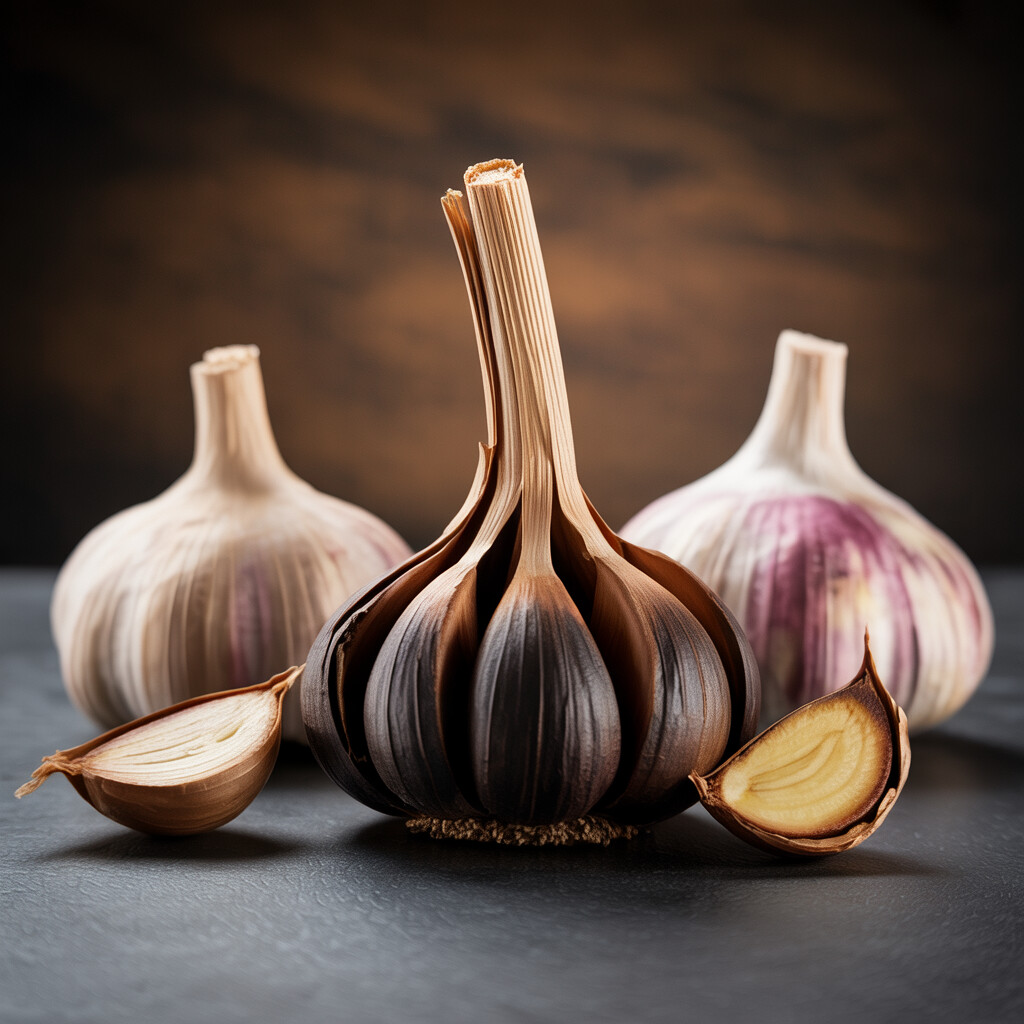
Here’s where garlic fans will really lean in and start drooling. The differences between black garlic and regular garlic are night and day when it comes to flavor and nutrition. It all starts with the Black Garlic Production Process. The long, gentle heat breaks the sharp edges off cloves and leaves us with something sticky, rich, and a little unexpected—like the wild-child cousin of the stuff you plant in your garden.
Flavor Secrets: Regular Garlic vs. Black Garlic Taste and Texture
Ever taste a clove of raw garlic and have tears spring to your eyes—either from the bite or the raw heat? That power doesn’t survive the slow Black Garlic Production Process. Instead, you get something completely different with black garlic: sweet, tangy, and a bit savory. People say it tastes like balsamic vinegar or even tamarind. Texture-wise, black garlic feels almost chewy and syrupy, compared to the crunchy bite of a fresh garlic clove. If you took a vanilla bean and let it trade places with regular garlic for a week, you’d end up with that softness.
Nutrient-wise, black garlic starts from the same place regular garlic does, but fermentation pumps up its antioxidant powers. It even helps tame garlic’s all-too-memorable aftertaste. If you’re living with someone who runs from garlic breath like it’s a skunk, black garlic might just save the day. Some loyal fans even insist that fermented garlic supports better digestion and overall wellness.
Here’s where you win if you’re struggling to find good quality black garlic at the store: don’t sweat it. You can actually make your own. Blend some roasted cloves into a vinaigrette, or drop rough-chopped black garlic over a bed of hot rice. Suddenly you’re in flavor town USA, and you laid every mile of that road yourself.
Culinary Applications: How to Use Black Garlic in Your Kitchen
When you first hold a clove of black garlic, you may wonder if your family or friends will notice you slipping something “unusual” into their lunch or dinner. After all, you can’t just swap it one-for-one with minced regular garlic and expect the same old taste. Thanks to its long, slow Black Garlic Production Process, black garlic offers a soft, sticky bite with an earthy, deeply sweet finish that neither garlic lovers nor haters would expect. So, how do you start using black garlic if finding good quality bulbs in stores is a struggle?
Surprisingly, black garlic is incredibly adaptable. You don’t use it like you would fresh garlic cheating at Italian night; black garlic belongs more to the world of delicate sauces, robust dressings, and surprise pops of flavor on cooked meats or roasted veggies. My favorite introductory trick is to flatten a clove with the side of a knife and blend it right into a vinaigrette. This makes a sleeker, punchier salad than your basic lemon juice or vinegar ever could. If you want to see what warming mellow brown sugar undertones do, toss chopped black garlic into mashed potatoes, scrambled eggs, or crispy roasted mushrooms.
Lets break that simple intro down a little, so you can see why this ingredient makes agreat starter for creative cooking. One: salad dressing to soup base. A few soft cloves will melt straight into balsamic syrup, soy, or Dijon to make striking sauces loaded with MSG-rich umami. Two: Instead of whole roast garlic on crispy breads or pizza, try thick black garlic slathered onto warm focaccia, cheese boards, or crackers. You don’t need fancy tools or culinary school skills: the flavor comes prepacked right inside the aged garlic itself thanks to the Maillard reaction during production.
Recipes and Creative Black Garlic Pairings
You can find creative ideas for black garlic at any decent farmers’ market or food co-op featuring local imports, but here are some ideas you can experiment with at home;
- Upgrade mayo, mashed potatoes, or aioli; blend smooth 1-3 cloves per cup with Dijon, roasted nuts, or yogurt for a thick, bold flavor spread that rivals truffle aioli.
- Deepen regular pasta or egg salad: Whisk soft black garlic into any base along with black pepper and lemon for an Italian restaurant treat.
- Add as a finish to broiled lamb or roasted chicken; let it melt under high heat and spoon over other signature flavors (think citrus, fennel, oregano, rosemary).
Your options are only limited by your own curiosity; you can toss black garlic anywhere rich sweetness and a dash of umami belong. I’m betting you’ll come up with a few “I can’t believe it’s not balsamic” moments your first try. If you’re still mulling over when it works best, read more about and get creative black garlic ideas, recipes, finishing tips, and substitutions everywhere from cocktails to roasted cherries.
And honestly, if you find yourself impressed by the Black Garlic Production Process but can’t get the “good stuff” in your local area, work through sellers with a strong record for honest farming. Or get a close friend or passionate hobbyist to send you some of their best! Because that’s how new friends and new flavors start: one story, or one good word, at a time.
Health Benefits: Why Black Garlic Might Be the Better Choice
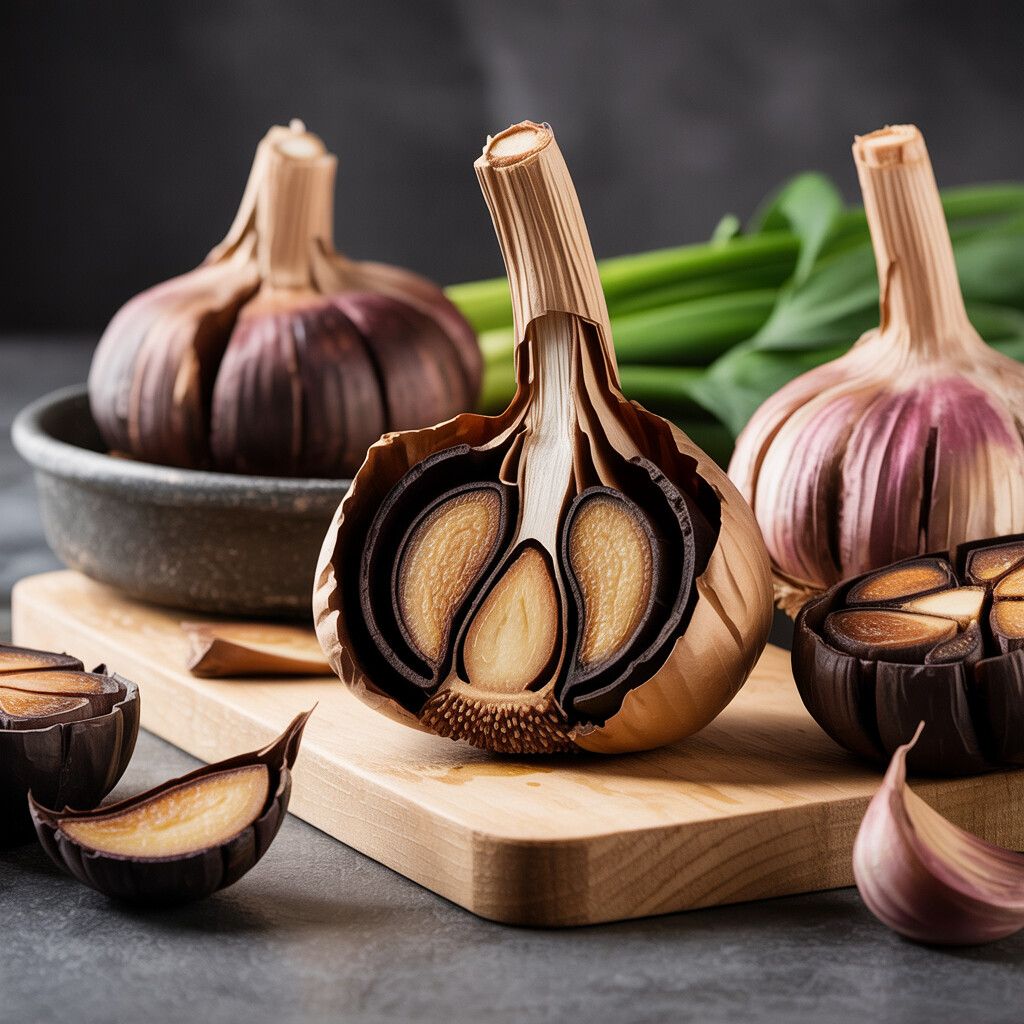
Without spoiling it for you, the story of black garlic reads almost like a foodie fairytale. It starts as simple white garlic and through the magic of the Black Garlic Production Process, transforms into something richer and possibly healthier. Today, black garlic is often praised for combining a gentle, almost sweet flavor with a gentle nutritional profile.
Exploring Black Garlic’s Health Perks Compared to Regular Garlic
The science crowd loves black garlic for its next-level antioxidant content. During the Black Garlic Fermentation Method, a lot of allicin morphs into different compounds, making black garlic noticeably higher in antioxidants, specifically S-allyl-cysteine That’s great news for fighting oxidative stress (think: slowing down those pesky aging cells). Antioxidants also help fight off environmental stress, which is basically WebMD for “epa that long to-do list and angry drivers.”
But it’s not just about antioxidants. Black garlic might do better than regular garlic when it comes to supporting overall heart health and even immune function. Those friendly sweet cloves have nutrients that may help dazzle your immune system and balance cholesterol levels. Yes, you get plenty with garlic that’s fresh, but the gentle process of the Black Garlic Production Temperature And Humidity phase gives it a mellow taste that sits easy on the stomach.
Regular garlic is famous for its sharp, sometimes harsh, edge and for sometimes causing “garlic breath” that can clear a room. If you love the nutritional value but wish garlic was a little more graceful, black garlic is worth a try—especially if strong flavors sometimes sideline you. Plus, it just seems to play better with your tummy for folks sensitive to standard alliums.
So if high-quality black garlic feels hard to find, don’t panic. Many smaller growers have found ways to reproduce the classic Black Garlic Production Process, offering garlic that hits gourmet standards but at local prices. Odd as it sounds, I found my last batch at a local farmers’ market and ended up chatting with a trio of garlic farmers on the best regional aging methods.
Whatever your favorite flavor, widening your menu means more nutrition. Don’t be afraid to use black and white garlic together! For extra health tips or recipes, poke around our guide on Black Garlic Consumption Guidelines Health Benefits.
Conclusion
As you’ve seen, from its careful fermentation process to its game-changing flavor profile, black garlic really stands out. Understanding the proper Black Garlic Production Process and the Maillard reaction gives you a backstage pass to making or choosing better black garlic. Even if top-quality products seem tough to find, with a little patience and some tried-and-true methods, you can explore and enjoy this incredible ingredient right at home.
Go ahead: embrace black garlic’s dark allure and use its savory magic to lift anything you cook. At the end of the day, food is meant to excite and connect, and with black garlic, you have a tool that can wow your friends or turn weeknight leftovers into something dreamy. Show off a little. Your kitchen — and maybe even your taste buds — will thank you.
FAQ
What makes black garlic different from regular garlic?
Black garlic gets its magic from a special fermentation process. If you put regular garlic through a slow, controlled aging in just the right temperature and humidity, the cloves turn dark and sweet. This Black Garlic Production Process triggers what is called the Maillard reaction—a nerdy way to describe how sugars and amino acids mingle to produce that deep, umami-packed flavor. Your kitchen will smell like toasted caramel instead of spicy raw garlic. If you have time and a rice cooker, you can even try your hand at making it at home. The product you get will bring a soft texture and mellow taste to dishes that would otherwise be too garlicky or harsh. Your taste buds will thank you for branching out.
How does fermentation change the nutritional value of garlic?
The Black Garlic Production Process gives you more than just delicious flavor. During fermentation, raw garlic’s natural antioxidants are boosted—some studies say up to double. The slow cooking process makes the pungent taste settle down, so you can add more cloves without overpowering your recipe. I often toss chopped black garlic into my stir-fries; I end up using twice as much as I would raw, and, trust me, nobody complained. The end result gives your body better absorption of beneficial compounds. Black garlic still delivers those heart-healthy, immune-boosting perks everyone raves about but is much gentler on your gut.
Does making black garlic at home require special equipment?
Making black garlic at home stands out for its simplicity. The Black Garlic Production Process depends on consistent heat and humidity for about three to four weeks. You do not need high-end tools—a basic rice cooker or slow cooker with a “keep warm” setting works great. Set it up in the garage or somewhere with decent ventilation because the smell packs a punch (an experience seasoned home cooks call “the funk of flavor”). Check them every few days; soon the cloves turn black, caramelized, and tender. A little patience pays off. Your friends will be shocked and impressed at what you created with just a handful of humble garlic bulbs.
What flavors can I expect from black garlic that differ from regular garlic?
If you’re tired of garlic’s fierce bite and odor, brace yourself for something special. The Black Garlic Production Process completely transforms its raw, spicy punch into a gentle, sweet umami. Think of the flavor as balsamic, fig, tamarind, and roast garlic all rolled into one. Spread some on toast as a quick topping or toss a few cloves on your pizza and wait for the surprise—no one will identify it as garlic, but it elevates everything. Your taste buds will never feel attacked or overpowered. For folks dealing with garlic breath sensitivity, this sweetened upgrade is a win-win. Try it on mashed potatoes and wait for the high-fives.
Is the Maillard reaction involved in making black garlic?
Yes—the Maillard reaction is the real star of the Black Garlic Production Process. This chemical process happens whenever heat changes sugars and amino acids into new, tasty compounds. The result is that classic mall pretzel caramel color and flavors you cannot get any other way. If you set your rice cooker to low and leave the garlic for a few weeks, the Maillard reaction does its work. It transforms garlic into rich, umami-packed little nuggets. Remember how your house smells after roasting coffee or meat? That’s the same reaction at play here. You will recognize the dark color and depth of flavor instantly.
Can black garlic be used like regular garlic in recipes?
You can swap black garlic into most dishes that call for regular garlic, as long as you want a milder, slightly sweet flavor. The Black Garlic Production Process softens the cloves, so you will notice they blend perfectly into dressings and spreads. Smearing it over crusty bread before cheese and honey—or stirring a few chopped cloves into creamy risotto—heightens your dish but does not aggressively assert itself. You usually cannot overdo it or risk bitterness. Put your classic garlic clove aside and start experimenting whenever you crave something subtle, complex, and secretly healthy. Your kitchen routine will become riskier—in the best way possible.