

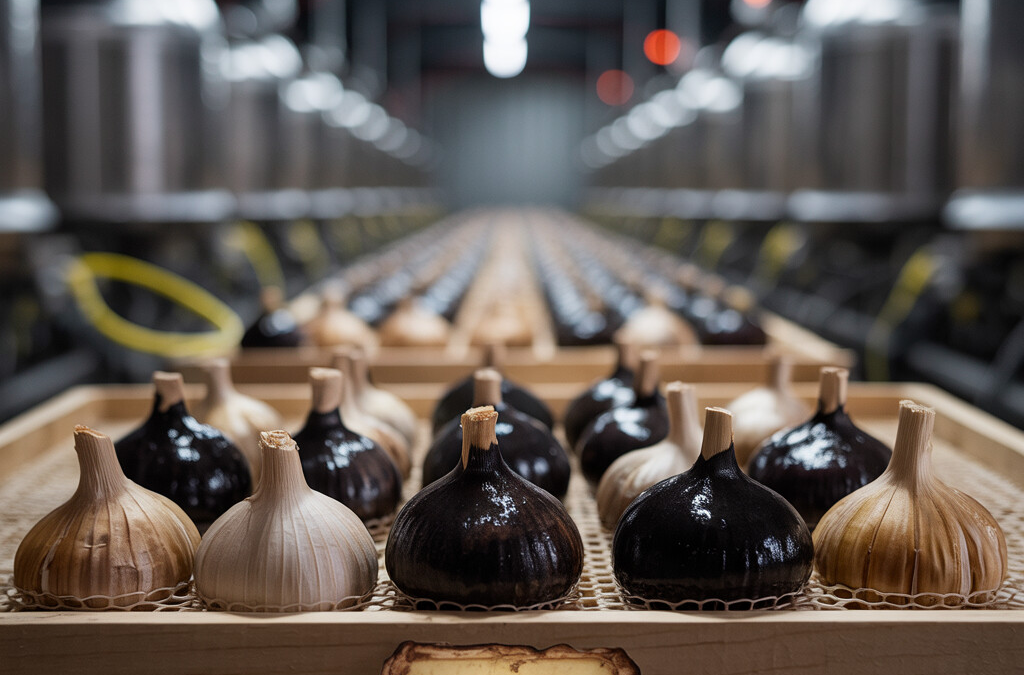
Black Garlic Production: Aged Garlic’s Sweet Transformation
Ever heard of garlic that looks like something from a sci-fi movie, tastes like balsamic caramel, and promises a boost for mind and body? One clove of black garlic has twice the antioxidants of plain garlic. Black garlic production is a culinary game changer but also a bit of a mystery for most home cooks. Unlocking its sweet, earthy flavor starts with a mix of patience and some kitchen smarts. Last weekend I tried my hand at it with fragrant steam and a little bit of culinary anxiety swirling around my rice cooker.
When you perfect your black garlic production, you’ll have a secret weapon for everything from salad dressings to umami-rich pasta. That’s just the start. This guide will break down everything you need to know about how black garlic is made, from the nuts and bolts of fermentation through to tasting notes that could win over Dracula himself. From health benefits to kitchen hacks, Black Garlic vs. Regular Garlic is not a battle, but it’s a pretty thrilling taste test. Ready to dive in?
Understanding Black Garlic Production: How It’s Made
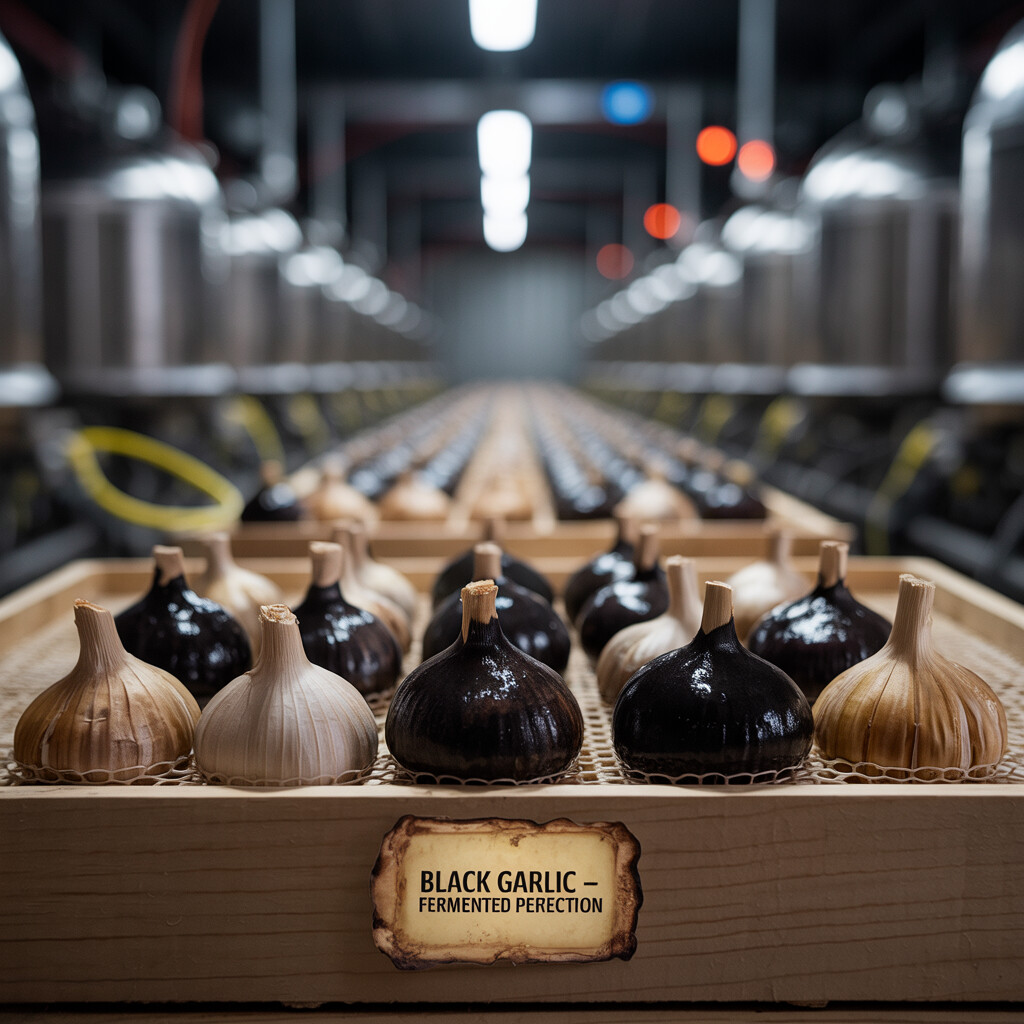
Black garlic is not your regular spice rack standby. It is the new darling of foodies and chefs because of its deep, earthy flavor. But how does a clove go from sharp and pungent to sweet and savory? I will be honest: Black garlic production is almost as fun to explore as its taste, and it all starts with a clever use of time and temperature.
Let’s peel back the layers, starting from the top. Black garlic begins life just like regular white garlic. The magic happens during a long, slow heating process. First, bulbs of whole regular garlic are placed in a humid, warm environment. Temperatures usually stick between 140°F and 190°F, and the moisture needs to stay above 70 percent. The process takes anywhere from three weeks to over a month, depending on how adventurous the manufacturer or home cook feels. You do not need fancy machines or guarded trade secrets either, just patience and careful monitoring.
The real power move in black garlic manufacturing is not fermentation in the microbial sense like beer or kimchi. This is a Maillard reaction, where heat causes the sugars and amino acids in the garlic to turn dark, sweet, and sticky. It is like roasting marshmallows but with much cooler bragging rights. The result: cloves become chewy, black, and take on a pleasant, molasses-like tang.
The Black Garlic Fermentation Process vs. Simplified Home Methods
On a large scale, black garlic fermentation process looks much the same as home versions, but professionals use precision gear for consistency. Some companies use high-tech chambers with tightly controlled temperature and humidity programs. This industrial oomph ensures every clove develops its smooth bite and deep flavor in bulk. Home cooks, on the other hand, often sneak garlic bulbs into a rice cooker or slow cooker, which most of us probably already have stashed away. Cover the bulbs in foil or parchment, set the cooker to “warm,” and let time do its thing. I once shut the lid on a batch of garlic before a road trip, came back two weeks later, and was greeted by an umami aroma that nearly knocked me out in the best way.
Whether by pro or home experiment, the steps are simple: control moisture, steady the temperature, wait until the cloves shrink and turn black, and finally, cool and let bulbs air out for a few days. Black garlic production takes patience, but the transformation is worth the wait: each jet-black clove unlocks a new layer of flavor to play with, from tangy balsamic notes to subtle sweetness.
For folks who find themselves with limited access to quality black garlic products, take comfort: understanding the black garlic process might inspire you to make your own at home. This time-hugging ingredient can become your weekend side project and might soon be the envy of your next potluck!
Flavor and Texture: Comparing Black Garlic to Regular Garlic
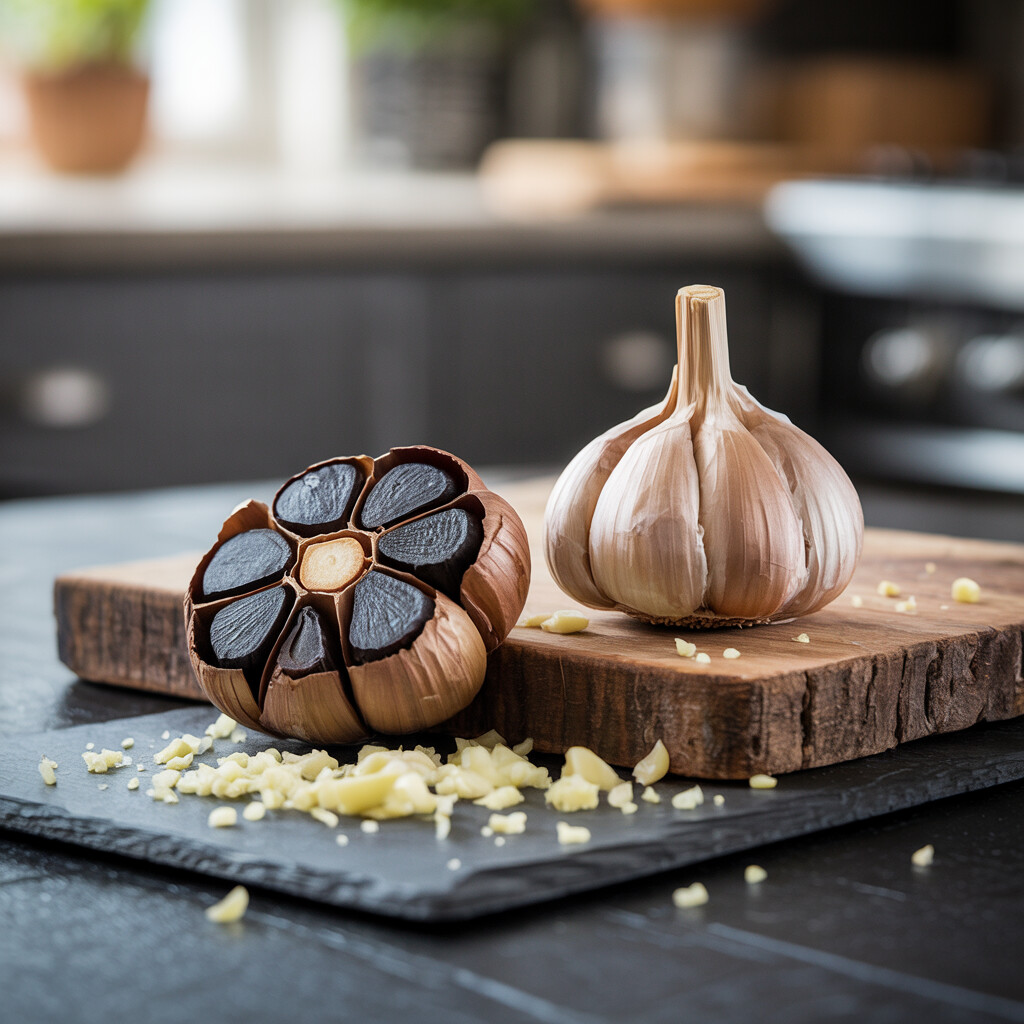
A clove of garlic can transform a dish. Now, imagine what a clove of dark, sweet black garlic could stir up in the kitchen. The secret sauce behind black garlic’s flavor comes from a magical Black Garlic Production process that has nothing to do with burning bulbs or piles of sugar. It’s a science experiment for your senses: patience, controlled heat, low humidity, and fresh, firm heads of garlic.
Flavor Exploration: Sweet, Tangy, and Savory Surprise
Regular garlic is a bold first impression: harsh, peppery, and sometimes a bit stinky. Once you break open a bulb for mincing or roasting, your fingers and fridge can smell that hit for days. Black garlic enters like a classy cousin with warm chocolate eyes. Instead of that signature bite, black garlic tastes like tangy plum jam with hints of aged balsamic vinegar. That sweetness? All thanks to the slow Black Garlic Fermentation Process, which caramelizes and softens the punch.
Texture comes into play, too. While regular garlic is crisp and juicy, black garlic cloves turn soft and sticky, almost melt-in-your-mouth chewy. Think beef jerky, but for vegetarians who love caramel flavors.
When Black Garlic Manufacturing Methods are smooth, the texture turns almost sticky, syrupy even. These soft, sweet cloves mash up nicely for pizzas, pasta, or steak rubs—totally worth the extra production energy.
Limited access to black garlic? Don’t stress. The flavor and texture profile busy kitchens crave is the black garlic finish. But as we’ll discover below, it’s surprisingly easy to pull off that same magic at home. Stick around; you’re in for the long, savory haul.
Health Benefits: Black Garlic vs. Regular Garlic
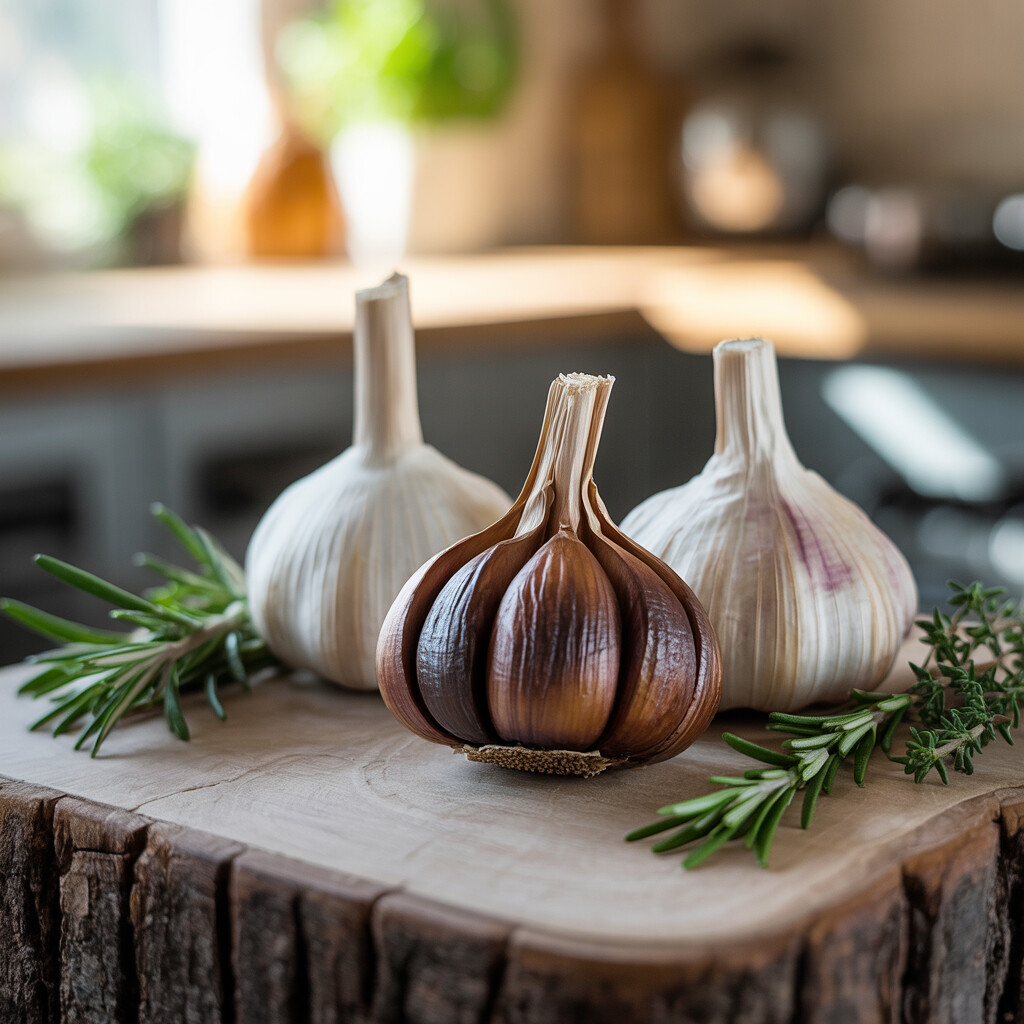
Once you bite into a sticky clove of black garlic and mellow runs right into sweet, you might start to wonder: Is it actually good for you? Both regular and black garlic pack some powerful plant compounds. However, the long aging and heating involved in Black Garlic Production change things quite a bit—even its health perks.
Comparing Garlic Variants: Healthiness That Tastes Good
Here’s a quick look at how black garlic and regular garlic stack up when it comes to major wellness perks:
Thanks to the magic of the Black Garlic Fermentation Process, this ingredient develops even more antioxidants. These compounds, which help fight off cellular damage, actually build up as garlic “cures.” That deep, rich color you see? Classic sign. Sure, the process reduces some raw compounds (like the spicy allicin in a crisp clove of plain garlic), but plenty of research suggests those extra antioxidants really count.
The point about digestion may matter more than you think. Black garlic is way gentler on my stomach than plain, raw garlic—a nice feature if garlic sometimes bites back when you eat it.
If you can’t easily find great black garlic products near you, country grocery chains like Wegmans or order online. Just make sure “aged” is front and center. Trustworthy Black Garlic Manufacturing Methods make the difference for health and taste.
Want to geek out with garlic’s health potential? There’s more in our detailed health guide here.
Culinary Uses: Incorporating Black Garlic into Your Cooking
Let’s face it—garlic makes every meal better. But once you welcome black garlic into your kitchen lineup, dinner might never look the same. Its sweet, mellow funk and tender texture bring new life to classic and modern dishes alike.
Practical Ideas for Cooking With Black Garlic
Swap it for regular garlic to instantly level up sauces for pasta, pizza, or steak. Black garlic blends perfectly into salad dressings, pan sauces, or homemade pesto: think the flavor you love with more depth, all minus the usual bite. Or stir a few chopped cloves into browned butter, then toss with roasted veggies, swirl into mashed potatoes, or whisk into a tangy vinaigrette.
For a toasted sandwich, try smashing roasted black garlic onto hearty bread. Top with cheese and broccoli, then grill until melty. Smooth and rich, it satisfies that craving while delivering a pinch of antioxidants from the black garlic production process. Or jazz up your next cheese board by pairing black garlic cloves with sharp cheddar and nuts.
Feeling adventurous? Whip black garlic into butter for perfect pan-seared fish or steaks. It’s also a star in dips, lending a subtle sweetness to hummus, aioli, or even buffalo wing sauce. Start by mashing one or two cloves per batch, then give it a taste and add more until it’s just right.
If finding high-quality black garlic feels tricky, you’re not alone. Until more U.S. producers hop on the trend, you might have to do some hunting. Buy from reputable sellers, either at local specialty shops or trusted online markets, which usually list the fermentation methods or trace the black garlic back to its source. For many devoted black garlic fans, learning how it’s made from scratch at home can be easier and more fun than you’d think—plus there’s that slow, toasty bouquet filling your doorway after black garlic fermentation at its best.
So where to toss those extra cloves? Try black garlic either diced or whole. They work wonders atop mixed greens, meaty pasta bowls, tossed into stir-fries, or as the yummiest addition to a slice of cheese pizza. The nuances all tie back to the low, slow embrace of its black garlic production—no surprise that home cooks and food makers keep coming back for more.
Bonus perk for gardeners: If you ever forget a clove in the fridge for a few weeks, it just might sprout. The buds make a young garlic scape with tiny hints of that umami-black garlic flavor, so plant it in spring and dig up your own fresh batch with the next harvest. Or, if that sounds over the top, just order an extra jar. These ideas may help you dream up new ways to craft delicious recipes using this magical ingredient, savoring the rewards of creative black garlic manufacturing methods with each bite.
Making Black Garlic at Home: A Step-by-Step Guide
You do not need to search online to grab good store-bought black garlic. You can absolutely create black garlic right in your own kitchen. First, understanding a bit about Black Garlic Production helps. The process is slow, warm, and not much different from waiting for a rainy week to clear. Choose plump, whole garlic bulbs with tight skins—don’t break the cloves apart. Dust them off but leave the papery skins intact.
Place the bulbs in a rice cooker or slow cooker on the “keep warm” setting. This mimics professional Black Garlic Production by providing the gentle heat needed for the transformation. Tuck a small cup of water in the cooker too, away from the garlic itself, to keep the humidity just right. Low and slow does the magic here. For about three weeks, keep that cooker plugged in, waiting while the garlic changes through the gentle Black Garlic fermentation process.
Check in on your garlic every few days. You will see the pungent scents fade and a molasses smell will curl up. At this stage, patience becomes a key ingredient. Time, heat, and humidity all work together as Home Black Garlic Manufacturing Methods, guiding those humble fresh bulbs into sweet, dark deliciousness.
DIY Black Garlic: An Easy Home Fermentation Method
After those weeks have crept by, open a bulb to check the color. Once the cloves are black and squishy when pressed, they are ready. Let your black garlic cool and dry completely, then move it into a glass jar or wrap it up tight. You just performed your own Black Garlic Production using basic gear and a bit of wait time.
Enjoy it diced, mashed, stirred into dressings, or just nibbled straight by the chunk. Honestly, it is often much tastier than whatever you find at a store. If you have ever wished you could have black garlic on hand whenever a food whim hits, you belong among the brave home fermenters. Should you ever crave more Black Garlic know-how, find friendly advice and more detailed recipes here: How To Make Black Garlic At Home A Simple Guide.
Where to Buy Quality Black Garlic Products
The hunt for quality black garlic products can feel like a scavenger hunt at times. If you pop into your corner grocery or the nearest big-box store, chances are high that black garlic is either missing or limited to a dusty jar on the specialty shelf. Good thing for us, there are more buying options than ever if you know where to look (honestly, half the fun is bragging you scored it before anyone else).
Tips for Choosing Reliable Black Garlic Brands
When picking a source for black garlic, quality matters. The way these beauties get made is as important as how they’re packed and sold. Fresh black garlic depends on controlled heat and humidity over several weeks, so anyone claiming to have a quick product likely skips critical steps in the process. Always read the label. Look for brands that show off their roots, state their process, or share the story behind their black garlic production. Local growers and small specialty importers often take extra care and pride in making authentic black garlic.
Farmers markets could be a gold mine if your area has a strong food scene. Small producers usually share the details of their fermentation and why they stand by their methods. If you ask how it’s made or why it tastes so sweet and balanced, you might get an earful and maybe even handed a sampler. I always go home inspired after one of those chats.
If you’re more of an online shopper, which—I get it, who isn’t these days—look for American-based retailers who highlight their black garlic fermentation process. Products grown and fermented domestically reduce time in transit, so each batch keeps peak freshness (plus, you help support local farmers appreciative of each order). Many good specialty stores offer jars, peeled cloves, or purees. And hey, while you’re there, peek around at their recipe ideas or cooking tips.
Some brands sell directly through their own websites, often providing the freshest jars and sometimes rewarding you for subscribing or buying in bulk. Just know you’re working with an artisan kitchen more than a mighty warehouse, so “out of stock” can happen during busy seasons.
Still, none of these options feel as rewarding as going to the local grower yourself and buying jar after jar, seeing where magic happens, and knowing each batch is handled with care. If you want to expand your palate or experience different production styles, don’t be afraid to experiment. I like to compare wins and misses over a cheese platter, seeing for myself which never-to-go-back, and which kind is a “must buy again.”
One bonus: Black garlic really does last. As long as it sits tucked away in a cool corner of your fridge or pantry, the low pH and moderate humidity during black garlic manufacturing methods make it pretty tough to spoil. In my house, a two-pack never lasts past prime grilling weather, mainly because there’s nothing like a dollop of black garlic after the burgers get flipped.
Wherever you buy, just make sure it’s fresh and that the story behind the jar makes you smile. You just can’t beat the flavor and tenderness in the real deal. If you want a deeper dive on U.S. sellers or regional buying spots, start with this guide: Black Garlic Availability Where To Buy. Believe me, that initial search is worth every bite.
Exploring the Versatility of Black Garlic in Modern Cuisine
That first taste of black garlic is something you don’t forget. The dark, chewy cloves wake up a whole new flavor you probably never found in regular garlic. Black garlic gets its sweet funk from a unique Black Garlic Production journey that slowly transforms it.
Cooks and chefs keep finding new ways to enjoy that flavor. Add minced black garlic to vinaigrette and your salad leaps from boring to bold. Whisk a smashed clove into ramen broth for a gentle earthy note. Blend a few teaspoons with soft butter and suddenly, even store-bought bread feels expensive. That’s a trick some burger shops use- they swirl black garlic right into their mayo. A simple sandwich with roast chicken explodes with flavor when you do the same.
Fork out a wedge of brie or sharp cheddar and drop a droplet of black garlic on top. Spread a soft patch of this dark gold on your evening crackers or late-night pizza. Try brushing some on steak as it comes off the grill. Drop dices into your soy dip for sushi. Get weird and put a cube under the skin of a roast chicken before it hits the oven.
The true magic of the Black Garlic Production story is how it unlocks new cooking ideas. You don’t need a recipe: you just need a taste. That transformation through a careful Black Garlic Manufacturing method means black garlic finds flavor-friends fast- chocolate, vanilla, coffee, port wine, green apples, or still-glowing summer tomatoes.
Striking Balance With Black Garlic Methods
Black garlic always feels a little high-end, but home cooks are catching on. Some local farmers and small companies use Black Garlic Fermentation processes that feel as artisan as sourdough. Good stuff is showing up online, at Asian grocers, even at regional farm markets.
Chefs prize a good high-quality product, but if you struggle to track it down, don’t be afraid to ask stores to carry it. [Here’s a short plea you can use, to copy/paste/email a local shop: “I love black garlic, but I’d like an option here so I don’t have to order it. Can you help?”] If you catch a good episode of Food Network or Youtube and find a reputable source, give them a chance- most home cooks order some around the fall, just as new cheese releases and apples hit market.
Don’t be shy: If a delicious Black Garlic creation on a restaurant or bar snack menu catches your eye, talk her up! Support chefs building a meaningful Black Garlic Production lineup, and share your favorites on social media. This brings attention to little gourmet makers everywhere.
The best black garlic use is the one that tastes delicious, wakes up your senses, and teases future flavor memory. Pair it with heat or chill it, dunk it, char it, shave it, slice it thin… One of the best things about this black gold bulb is how it opens up creativity both at home in your creativity and the growing scene around new artisanal Black garlic companies.
Conclusion
Your adventure into black garlic production is just the beginning. Now you know how black garlic is made and how it transforms meals that might otherwise look bland or uninspired. Homemade is best, but if you can’t make your own, it’s worth going the extra step to hunt down a quality supply. Some rare food is only rare for a reason. In a few weeks, you may find yourself believing black garlic doesn’t deserve to be rare or overlooked because it’s a gourmet ingredient.
Culinary delights don’t just happen. Make black garlic part of your next favorite meal—get hands-on, stretch your palate, and enjoy putting your new mastering of cooking techniques to work for you.
FAQ
What makes black garlic production different from regular garlic processing?
Black garlic production takes regular garlic bulbs and puts them through a slow, gentle transformation using controlled heat and humidity, ensuring everything is nice and cozy inside. Unlike regular garlic, which relies on fresh-storage methods, the slow “fermentation” caramelizes sugars and tames garlic’s bite. You get soft cloves with deep, sweet-tangy flavor—nothing like the sharp burn raw garlic gives your breath. Think of it as a “garlic spa treatment.” After four weeks (yep, impatience is a deal-breaker for this recipe), the bulbs burst with umami flavor and vitamins you won’t get with plain old garlic. I once tried to cheat the process by nudging up the oven temp… regret wasn’t far behind: rock-hard cloves, no flavor at all. There’s no shortcut with this aromatic transformation.
Does the black garlic fermentation process boost its nutritional value?
If you want extra benefits from your alliums, the slow-cooking (fermentation is a misnomer) involved in black garlic production can actually ramp up antioxidative properties. Many nutritionists—and lots of serious amateur cooks—swear that the Maillard reaction (the fancy scientific name for browning sugar and amino acids) not only makes the cloves easier to digest, it may also raise levels of certain healthy amino acids. I find it also lets me use more in recipes, since the strong sulfurous burn is mellowed right out. Use it anywhere you’d like a deep, complex flavor boost, and know you’re putting something with a possibly higher health payload into your dinner. Just make sure the process keeps antimicrobial and detox compounds intact—no quickie hacks, please.
Can I try making black garlic at home with regular kitchen tools?
Black garlic production is totally doable in your very own kitchen. All you need for this clever “fermentation” technique is patience and slightly out-of-the-box tools—think: rice cooker set to “keep warm,” or a dehydrator if you’re the kitchen gadget type. But any warm, dark, humidity-controlled environment will do. I use a slow cooker with a tiny vent for steam to escape. You could even MacGyver it with an old, unused pot if you’re brave. Resist the urge to play around with the settings so you don’t dry or burn the bulbs. Your patience will be rewarded with pitch-black, savory gold perfect for dressings, smeared on steak, tossed in dip. I call it “kitchen magic with practical payoffs.” You’ll wow your taste buds and friends alike.
Which cuisines benefit most from black garlic’s unique flavor?
Black garlic production has really changed the way inventive home cooks—and some fancy chefs, too—add rich umami and subtle sweetness to everyday food. You see this dreamy ingredient woven into Asian kitchens most often: think teriyaki sauces, noodle recipes, or miso-based soups. You’ll also find clove-candy cubes in fusion burgers, on pizza, and whirred up in Western aioli. Have loved sneaking it into a lazy Sunday spaghetti sauce, pan-sauces for steaks, and the occasional adult grilled cheese. The mellow bite and haunting trace of caramel give all the right cozy, “can’t-stop-dipping” feels—without the later garlic angst. Innovation is really the only limit, so test black garlic wherever your kitchen whimsy leads.