

Black Garlic Vs Fresh Garlic: Flavor, Nutrition, and Culinary Uses
Did you know more than 60 percent of Americans keep garlic in their pantry at all times? Yet very few have tried the deep, mysterious flavors of black garlic. Black garlic looks nothing like the white bulbs you may have chopped last night, and the way it tastes will flip your garlic world upside down. When you put black garlic vs fresh garlic side by side, you’ll wonder how one ingredient can turn soft, sweet, and savory all at once. Last weekend, I cracked open a jar and my kitchen filled with an aroma that reminded me of tangy teriyaki sauce mixed with roasted marshmallows. Never smelled savory garlic like this before.
So what is black garlic, and how are you supposed to use it? Is it richer in nutrients? Sweeter? Healthier? Or just, well, different? This beginner’s guide covers the ABCs of black garlic vs fresh garlic—plus, squeezes in a look at “Black Garlic vs. Regular Garlic” to make sure you can spot this prized kitchen staple in all its states. Ready to dive in?
Understanding Black Garlic: Aged Garlic’s Unique Transformation
If you’ve ever pulled a clove of garlic from your kitchen stash, you know it’s crisp, sharp, even a bit fiery. Let Black garlic sit in for a moment: Imagine that same bulb transformed, almost entirely, through gentle, weeks-long aging. It’s like the garlic went off on a wellness retreat and came back softer, sweeter, and a bit wiser.
Unpacking the Transformation of Aged Garlic
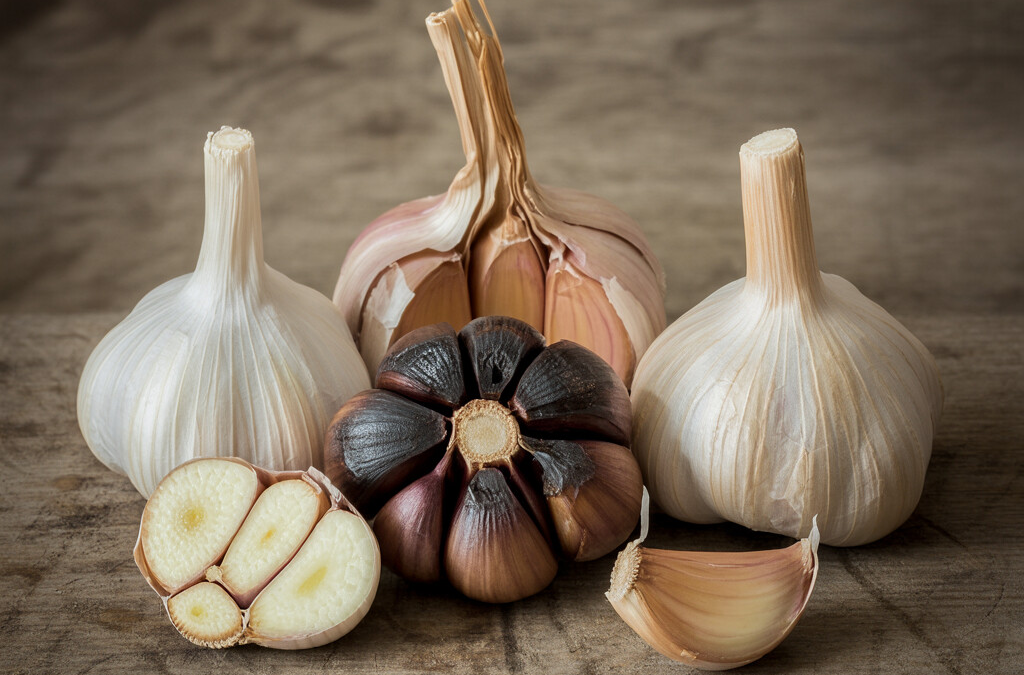
Black garlic is not some rare variety from an exotic land—it’s just regular fresh garlic that has been aged at a low heat with controlled humidity for weeks (sometimes up to a month). Through this process, its sugars and amino acids break down and bond, which actually changes both its flavor and its color until it’s as black as a trick candle after a birthday party is over.
The cloves turn a chewy, jelly-like texture that’s a dream to spread or blend into anything from salad dressings to homemade crackers. Black garlic loses none of its essence; instead, it shifts tone, trading its spicy bite for a mellow, almost balsamic sweetness. You might even catch a hint of fig jam or tamarind if you close your eyes, breathe deep, and let your sense memory do its thing.
Switching up from old-school garlic to the dark magic of black garlic gives home cooks, pro chefs, or anyone looking to up the flavor ante a lot more options. In fact, one easy way to get a handle on Black Garlic Vs Fresh Garlic is to sample both fresh if you can, from a single garlic bulb. Black garlic feels less intimidating: No slicing, fewer tears, and easier clean-up. Make sure to keep your aged stash away from the onions; its hefty aroma will take over your fridge if unleashed.
And because quality black garlic can be a chore to find—sometimes you need to hunt it down or maybe even make it yourself—it’s essential to know exactly what makes it special. Aging creates a unique conversion, improving the culinary value of regular, can’t-live-without-it garlic. Chefs love the umami-rich, soft, complex notes of black garlic, but now the secret’s too tempting to keep from home kitchens.
For me, the journey into black garlic felt like finally finding the right words for a feeling I’ve always tried to describe. All garlic has its merit but aged garlic? That’s the showstopper, the headliner, the encore in the world of seasoning. Once you taste the difference between Black Garlic Vs Fresh Garlic, future cooking decisions get a whole lot simpler.
Black Garlic vs. Fresh Garlic: Key Differences in Flavor and Texture
So, what is the big deal with Black Garlic vs. Fresh Garlic? It all boils down to flavor and texture. Let’s get right into it.
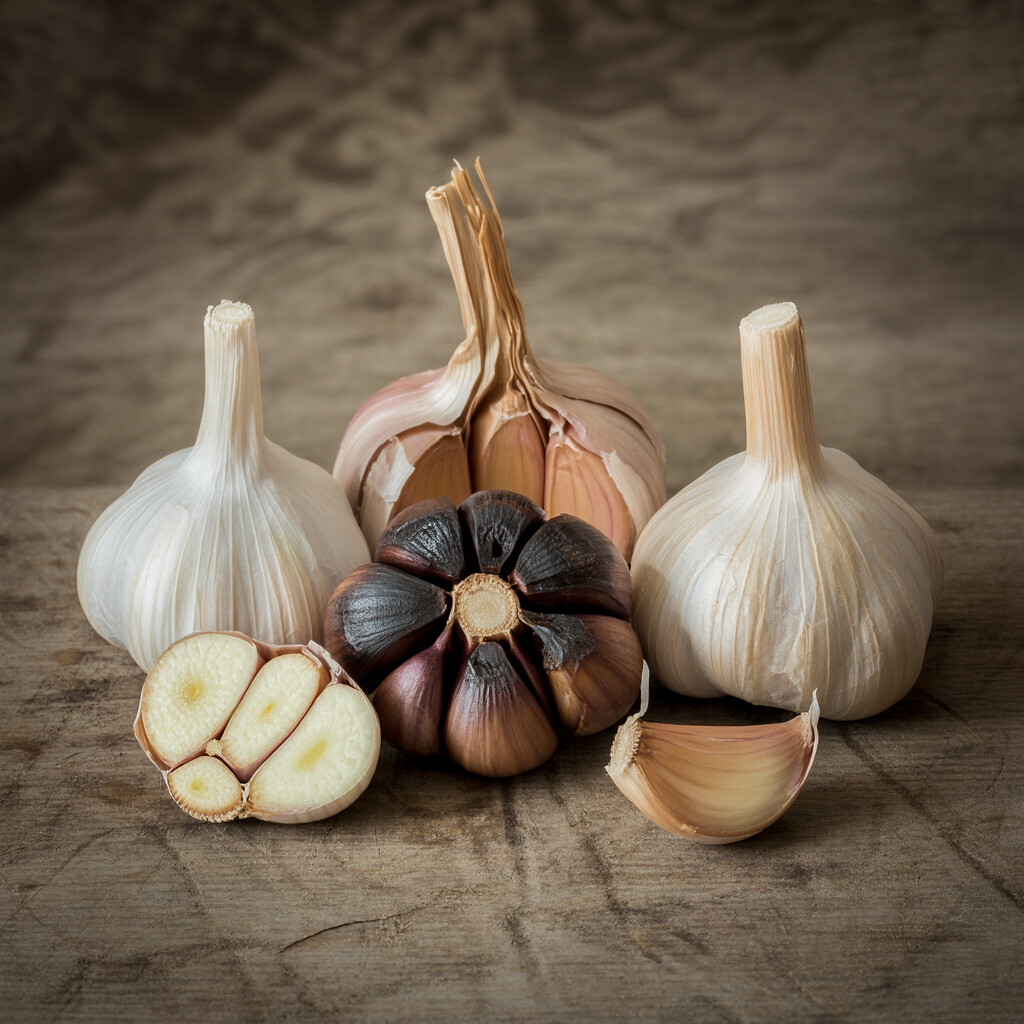
Regular garlic hits your nose first with that classic snap: yes, bold, sharp, and a little spicy. Peel back a clove and you’ll see a creamy-white flesh that is crunchy and crisp if you eat it raw and softens up when you roast or cook it. That punchy flavor fades to mellow as it cooks, making anything from cheese pizza to stir-fry way better. After handling fresh garlic, your fingers pick up that strong, stubborn garlic scent; even vigorous scrubbing takes a while to totally get rid of it.
Black garlic shifts gears in a big way. It is soft and chewy, and it feels a little sticky to the touch, like a good gummy candy. If you slice into it, the flesh looks almost black. What about the taste? Think sweet, mellow, and almost like balsamic vinegar with fig or date undertones—plus rich umami (always a bonus). Black garlic is aged into this scrumptious jammy state, so you will never get the sharp zing of fresh garlic, only layers of deep flavor with gentle sweetness rounding out the edges.
A Side-By-Side Black Garlic Texture and Taste Comparison
When putting Black Garlic Vs Fresh Garlic side by side, your senses pick up how different they really are before you’ve even tasted them. If you want a bite in your bruschetta, regular garlic is your all-star. Need to balance Asian sauces, gently ease a veggie soup toward richness, or have something to spread as is on warm toast? Then black garlic needs to be in your basket. The hard part for many is simply finding black garlic locally—most stores only seem to carry it sometimes, especially outside large global cities—so keep that in mind if you’re looking to branch out culinary-wise.
Instead of letting scarcity scare you off, look for black garlic at farmers’ markets, specialty grocers, or even try making a batch at home. Tip: skip dessert next month to buy a bulb instead. If you’re curious how black garlic will play with classic American recipes, it mixes right in—stir it into mac and cheese, grilled cheese sandwiches, slow-cooked stews, or meat rubs.
Taste flashes back to the heart of kitchen decisions: do you want to sneak up on your guests with deep, sweet aroma and dark, mysterious undertones, or blast them with that fresh gasp of garlic? That is the essence of Black Garlic Vs Fresh Garlic, and now you know what each can pull off.
If you want a deeper dive into how black garlic’s taste stands out, learn more here.
Nutritional Comparison: Black Garlic Compared to Fresh Garlic
Whether you have your eye on Black garlic for nutritional value, flavor, or health, you might be wondering how it actually stands up to classic, fresh garlic in the kitchen and in the body. When you compare Black Garlic vs Fresh Garlic, there are real differences to consider.
Comparing Nutrients: Black Garlic vs. Raw Garlic
Black garlic takes on new levels of flavor after weeks of careful aging, but it also picks up unique nutritional traits. Although both start as the same humble garlic bulb, Black garlic ends up sweeter and milder. Here’s a quick nutrition snapshot between Black garlic, fresh garlic, and raw garlic after all that fermentation magic.
As you can see, Black garlic has more calories and carbohydrates by the ounce since it’s more condensed, but its antioxidant power shoots up during the aging process. While Black Garlic compared to fresh garlic means you may lose a little vitamin C because of the heat, it carries powerful antioxidants like S-allylcysteine, which may be more easily absorbed by your body than the stuff in raw garlic. So you’re actually swapping up in some nutrient categories.
Another plus: Black garlic is easier on digestion. If fresh garlic gives you heartburn, you might have luck swapping it for Black garlic in recipes, where the same sulfur compounds are less harsh and easier to handle.
If your goal is boosting immune power, helping with blood sugar, or simply packing in more antioxidants, you have winning choices all around. Black garlic may be a better fit, though, if super-garlicky flavor isn’t your thing, or if you crave a sweeter ingredient for sauces or marinades. All in all, Black garlic vs raw garlic is a close fight, but fermented Black garlic offers extra reasons to crave its unique flavor—delicious and nutritious.
Health Benefits: Black Garlic vs. Raw Garlic
Black garlic gets people talking for more than just its color and taste. Health lovers and chefs alike praise how it packs a nutritional punch, which is even bigger than what you find in regular garlic. When you stack Black Garlic vs Fresh Garlic side by side, there’s a bit of a healthy rivalry going on. The advantages each bring to your jar-crowded fridge really do come down to their differences—not just flavor, but the science-y stuff, too.
Comparing Health Boosts: Black Garlic vs. Raw Garlic
The benefits of garlic are partly what put Grandma on a first-name basis with her neighborhood grocer. This simple bulb does a lot of backstage health work. Black garlic is basically regular garlic that’s been heat-aged until it gets that rich caramel color. With the process comes a change in the compounds inside, too. S-allyl cysteine, the friendly compound made by aging garlic, is linked to heart health, better blood flow, and may help lower cholesterol. In my salad days (literally, in salads), I’d hear people mutter about garlic “cleansing” the blood. As it turns out, that isn’t total nonsense.
Raw garlic isn’t slacking, though. It contains the hard-hitting allicin. Imagine the sneeze you get chopping fresh cloves as a sign of serious health-moving action about to unfold. Allicin is antimicrobial and plays a part in boosting that superhero immune feeling. Black garlic doesn’t have as much allicin as the fresh stuff, but that doesn’t make it the sidekick. The switch-up during aging makes black garlic gentler on your taste buds and on your stomach.
In daily life, you’ll notice some distinctions. If pills or supplement aisles with words you can’t pronounce freak you out, black garlic is your grocery store shortcut to that thorough, time-tested goodness. Trying to up your intake? You can sometimes stack slices or dollops of black garlic on dishes where regular would overpower. And yes, Black Garlic vs Raw Garlic is also about your garlic breath after dinner. Black garlic wins the “did you eat garlic” screening because it’s not pungent.
But all garlic, black or raw, shares a base theme: cranking up natural antioxidants, lowering inflammation, and supporting a healthy heart. The scientists agree there’s a strong promise for black garlic in all these categories due to higher antioxidants and easier stomach processing, but keep in mind—it’s not a magic food on its own. You’ll still need veggies and whole foods elsewhere. For folks who struggle with finding good-quality black garlic in stores, keep in mind buying from a reputable online source or a trusted local market will land you the best results.
Here’s a cheesy parting word: Just because black garlic makes dinner-party garlic bread less fierce, don’t sleep on its healthy glow-up over the clove you find rolling around in the pantry. You can check out more about Black Garlic Consumption Guidelines Health Benefits and find some tips on the best daily serving options. When you compare Black Garlic vs Fresh Garlic in meals and health, it’s less of a fight to the finish and more of a tasty trade-up depending on what your kitchen (and your taste buds) are in the mood for that day.
Culinary Uses: Incorporating Black Garlic into Your Cooking
Ready to change up your kitchen game? Black garlic might become your new secret weapon. If you lean on regular garlic for flavor, get this: When it comes to Black Garlic Vs Fresh Garlic, the two couldn’t be further apart in taste, aroma, or texture. While regular garlic brings a bold, sometimes spicy kick, black garlic surprises with hints of tamarind, balsamic vinegar, and even molasses. Its deep, sweet tangy flavor takes everything from veggie stir-fries to goat cheese crostini to new heights.
Creative Ways to Cook with Black Garlic at Home
A major plus for this supercharged ingredient is its flexibility. Mash it into soft butter for the most addictive steak topper or sandwich spread. Whisk cloves into salad dressings to deepen any vinaigrette. Black garlic purée turns out an umami-rich dip for grilled chicken or sweet potato fries. Slice and sprinkle on pizza for a sweet punch, or add whole cloves to pasta along with bursts of tart cherry tomato, basil, and a shower of parmesan.
Both Black Garlic Vs Regular Garlic have star power, but black garlic has something rare for the home cook: It loves the spotlight and the supporting role both. I keep a stash on hand, ready to awaken roasted veggies or to fold into creamy cheese dips.
Black garlic’s mellow charm makes it kid-friendly, too. You can sneak slivers into grilled cheese, or purée some into ketchup for nuggets with a lot more depth. And don’t sleep on dessert. A dollop adds richness to pound cake, and even ice cream. Think salty caramel but with garlicky, tangy undertones.
But, I hear you: Sometimes sourcing top-quality black garlic is a tall order. If your local grocery or Asian market is fresh out, look to farmers’ markets or artisanal local food fairs. Or better yet, try making your own when you get the hang of its flavor, so you never run out. Then, as you grow bolder, check out new twists like black garlic powder, infused oil, or paste.
If you’re searching for a culinary shortcut, explore shelf-stable black garlic sauces or salsas—they pack complexity, take up little space, and save so much prep time. Just pop them into the pantry and you’ll always have real flavor close by.
Once your taste buds adjust to black garlic’s magic, explore dishes from Asia, France, or California cuisine icons. They built entire recipes around that syrupy-umami bomb long before it went mainstream in the U.S.
If you’re curious about other ways Black Garlic Culinary Applications Elevate Your Dishes, you’ll find endless uses no matter your cooking style—just give Black Garlic Vs Fresh Garlic a solid tryout in your next week of dinners, and see whether the sweet outlasts the spice on your dinner plate.
Storage and Shelf Life: Black Garlic vs. Regular Garlic
The way you keep black garlic and regular garlic can make or break your cooking plans and your wallet. We have all found that bag of mushy, forgotten garlic cloves behind the onions. When it comes to Black Garlic Vs Fresh Garlic, the storage rules are a bit different and oddly comforting for forgetful chefs like me.
Prolonging Freshness: Storage Methods for Black Garlic and Regular Garlic
Regular garlic likes it cool, dry, and dark. Think of it as a vampire in its own right. A mesh bag or a paper sack in your pantry or cellar will keep heads sturdy for a month or longer. Resist the urge to stick it in the fridge, though. Cold storage plus moisture from the fridge equals sprouting and mold.
Black garlic, in contrast, is basically aged to perfection. That fermentation process gives it natural stamina. An unopened pouch of black garlic needs only a dry, temperate cabinet. If you pop a few cloves but don’t finish the batch, you can refrigerate leftovers for up to three months. I love that the texture only gets creamier as time passes. If your summers get sticky, make sure to keep black garlic in an airtight container; this helps keep it from drying out and preserves its fudgy texture.
Shelf life is where “Black Garlic Vs Fresh Garlic” starts to register as a big deal. Black garlic leaves raw garlic in the dust here. Where a fresh clove is usually good for a month or two max, black garlic often lasts up to six months, especially if you stash it in the fridge. A bonus: both forms freeze well, but frozen regular garlic tends to toughen and lose its bite.
So for people who have to order online or hunt through specialty markets, you get the most out of each precious ounce when you follow best practices for keeping black garlic and its kin as fresh as the day you bought them. When in doubt, keep it dry, keep it dark, use airtight containers, and avoid the humidity at all costs. And if you need an even deeper dive into Black Garlic’s shelf life, we have you covered.
Making Black Garlic at Home: A Step-by-Step Guide
You can definitely make black garlic at home if local stores are short on supplies. It takes patience, a bit of warmth, and a lot of anticipation. The main difference between black garlic vs fresh garlic is all about age and transformation: you’ll gently heat whole heads of fresh garlic for weeks, letting enzymes do their slow magic. What you get is jet-black, sweet, sticky cloves that bear little resemblance to the crisp, punchy heads of fresh garlic in a grocery aisle.
A Simple Method For Aging Black Garlic at Home
Start by choosing fresh, tight bulbs (organic works well if that’s your thing). Place them—paper and all—inside a rice cooker with a “keep warm” mode, or wrap them in foil and use a dehydrator set to about 140°F. If you don’t have those gadgets, you can get creative with a slow cooker or sous-vide, as long as the temperature stays low and steady.
Let the garlic rest undisturbed, lid closed, for a stint between three to four weeks. Don’t worry, you won’t have to be kitchen-bound for the whole thing; just check that the environment stays moist but never soggy. If at any point things look too wet, open the lid briefly to vent. It’ll start to smell earthy—think of a classic old New York bakery or a molasses cookie cooling under the window. Around week three, check a bulb: when the cloves have turned fully black and taken on a prune-like texture, you’re golden.
Black garlic compared to fresh garlic changes in every way: color, texture, aroma, and the deeper, sweeter taste. Making this delicacy yourself puts a chef’s twist right into your sandwiches, stir-fries, or grain bowls. It’s one of those “science project gone deliciously right” moments, and your taste buds will thank you for the effort.
If you want even more hands-on details, you can explore step-by-step guides such as How To Make Black Garlic At Home A Simple Guide or delve into the science behind the Black Garlic Aging Process A Simple Guide. Either way, you’ll be seasoning everything from pasta sauces to roast veggies with a rich new touch you made yourself.
Where to Buy: Sourcing Quality Black Garlic Products
Let’s talk about the quest some of us garlic lovers face: actually finding good-quality black garlic. I wish my local market carried black bulbs right next to the russet potatoes, but this specialty ingredient still sits in the “where do you even get that?” category for most folks. Just as not every garlic is created equal, the same can be said for black garlic compared to fresh garlic or the usual supermarket stuff.
Shopping for Black Garlic Vs Raw Garlic Both Online and In Person
If you’re hoping to compare black garlic vs regular garlic side-by-side for a dish, you might find black garlic in well-stocked grocery stores—especially ones with a fancy cheese counter or big “local foods” banners. Your best bet in person is a food co-op, a higher-end health store, or a pan-Asian grocery. If you’re outside a large metropolitan area, you might need to order black garlic from a fine foods website or straight from a small producer. (Some farmers markets also surprise you.)
Pro tip: When looking for high-quality black garlic compared to fresh garlic, peek at the label or ask the seller these questions. Was it crafted from actual fresh garlic and not a powder? Is it free from preservatives or artificial “sweet flavors”? Are you paying per bulb or per ounce, since some online stores are a little tricky?
Once you have your goods, store them like a soft cheese in the fridge, or keep unopened bulbs somewhere cool and dry. Black garlic lasts much longer than a head of raw garlic in your pantry, so your investment keeps giving back.
If you’d rather have all the garlic you could ever dream of, try making your own! Peel and slow-roast fresh garlic in your oven or a rice cooker following a trusted method. You’ll join the ranks of real garlic geeks, pouring a glass of wine to enjoy the heady aroma creeping through your kitchen—now that’s real black garlic artisan energy.
Whether you’re a curious cook, adventurous eater, or just someone searching for richer flavor, you now know where and how to buy black garlic when comparing black garlic vs fresh garlic. Give it a try, even if it means a little shopping adventure—your pantry will thank you!
Exploring Recipes: Delicious Dishes Featuring Black Garlic

When I first tasted black garlic, I was in awe. The flavor comes on slow, like blending roasted garlic with sweet molasses. Black garlic transforms into something thick, sticky, and mysterious while fresh garlic keeps things biting and sharp. If you are wondering how to bring black garlic into your kitchen, you are not alone. While it might be tricky to find top-notch black garlic at every neighborhood grocery store, you can still get creative with what you do have.
Bringing Black Garlic Into Your Kitchen: Simple Ways to Start
Start by setting black garlic next to regular garlic. When you try both by themselves, the difference is plain. Black garlic is quiet, rounded, and nearly caramelized while raw or fresh garlic bites back right away.
Let black garlic shine in dressings or drizzled over roasted vegetables. Mash it into butter for an instant steak finisher or a next-level grilled cheese. It even works mashed into a fresh avocado for a funky twist on guacamole. The unique touch of this garlic turns eggs, grilled fish tacos, or burgers into something memorable.
A sprinkle of black garlic in a pasta makes every bite count. If you want to get playful, try spreading the peeled cloves onto pizza or tucking them into meat marinades for BBQ or slow-braised ribs. Stir a soft, mashed clove of black garlic into olive oil for a fast dipping oil—or blend it until smooth with mustard and lemon for a salad toss.
Here are a few ways to work black garlic into your kitchen:
- Black garlic vinaigrette: Chop several cloves and swirl with lemon juice and olive oil.
- Mushroom ragout: Fold black garlic into sautéed mushrooms, finishing with fresh herbs.
- Savory butter: Whip black garlic and sea salt into softened butter.
- Roasted chicken: Rub cloves under the skin of chicken prior to roasting.
- Pasta topping: Finely chop, mix with bread crumbs, and brown in a skillet for a toasty topping.
Since black garlic and fresh garlic bring different things to a recipe, choose according to what you are making. Bread needs the punch of fresh, but black garlic adds nuance in sauces or as a finishing note.
In the end, “Black Garlic Vs Fresh Garlic” is not about picking one over the other—it is about knowing when to use each. Step into your kitchen, roll up your sleeves, and let your taste buds decide. There is no need to overthink it. Cook, savor, and discover new flavors.
Conclusion
You don’t have to pick just one winner in the Black Garlic Vs Fresh Garlic battle. Now you know how different they taste and that they last a different amount of time once you bring them into your kitchen. Even better, the bold flavor of black garlic is easier to find thanks to stores, farmers markets, and online shops that can deliver it right to your door.
You don’t have to be a chef or even an expert, you just need curiosity and maybe a little creativity. Try a new dish with this tasty, versatile ingredient and enjoy something you might not find at a restaurant chain. Black garlic is unique, delicious, and ready for you whenever you decide to liven up your next homemade meal!
FAQ
What is the main difference between black garlic and fresh garlic?
The biggest difference between black garlic vs fresh garlic is how they’re made. Black garlic starts as regular garlic but gets aged under controlled heat and humidity. This changes the cloves to soft, sweet, almost jammy little nuggets. Compare that to regular garlic, which is sharp, crisp when raw, and sometimes causes a few teary eyes. When I first tried black garlic, I was surprised by how tangy-sweet and sticky it tasted, almost like balsamic vinegar met garlic. It adds a totally new level of flavor that fresh garlic doesn’t have, so you’ll love working it into sauces, marinades, or anywhere you want a milder garlic punch.
Does black garlic taste like stinky regular garlic?
Not even close! If you compare black garlic vs fresh garlic, you’ll find black garlic is mellow, sweet, and tangy with hints of molasses or balsamic. Raw or fresh garlic sits on the opposite end: sharp, spicy, and sometimes a little harsh when you get near it. You can eat black garlic by itself as a sweet-savory treat if you like. When I tried it on a cheese board, even people who hate regular raw garlic wanted more. So go ahead and use black garlic if you want complex flavor that doesn’t feel aggressive in your food.
Can I use black garlic the same way as fresh garlic?
When comparing black garlic vs regular garlic in your kitchen, remember they may look alike, but they act differently. While you might toss raw garlic into a hot pan or rub it onto toast, black garlic shines in different ways. Try blending it into vinaigrettes or purees, where its softness and jammy sweetness can stand out. Sometimes I’ll mash a clove on warm toast instead of regular garlic. The result is a subtle, aged flavor rather than a bright snap. Both definitely have their moment, so trust your tastebuds and have fun experimenting.
Is black garlic more nutritious than regular garlic?
When you look at black garlic vs fresh garlic, both bring something valuable to the table for your health. Black garlic goes through an aging process that changes and sometimes boosts the levels of certain antioxidants. However, fresh garlic delivers natural compounds like allicin, which is famous for its heart-healthy reputation, only when it’s sliced or crushed raw. So, you get different perks from each. Toss black garlic into a salad dressing to add flavor and get extra antioxidants, or stick to fresh garlic for that zesty, allicin-rich kick. It’s a win either way.
What is the shelf life of black garlic compared to regular garlic?
Black garlic blows fresh garlic out of the water for pantry durability. If you compare black garlic vs fresh garlic, black garlic has a thick, sticky texture and less moisture, which lets it last months when sealed in the fridge. Compare that to regular garlic, which you’ll need to use much more quickly before it turns dry or sprouty. Last winter I found a bag of black garlic in my fridge, forgotten behind my weekly yogurt cups, and the little cloves inside still tasted delicious. If you stock up, just make sure you close the container well to keep out moisture.
Can you make black garlic from regular supermarket garlic bulbs?
Yes, you can make black garlic right at home if you start with standard fresh garlic. The process is slow, though: Picture your garlic slices sitting in gentle heat for three to four weeks while enzymes and sugars do their magic. That patience brings out a sweet, savory, chewy final product. One of my foodie friends actually uses a rice cooker set to ‘keep warm’ to transform garlic into black garlic in his kitchen, with surprisingly delicious results. If you want to compare black garlic vs fresh garlic in your favorite dish, making a batch at home is a fun science experiment with a tasty payoff.