

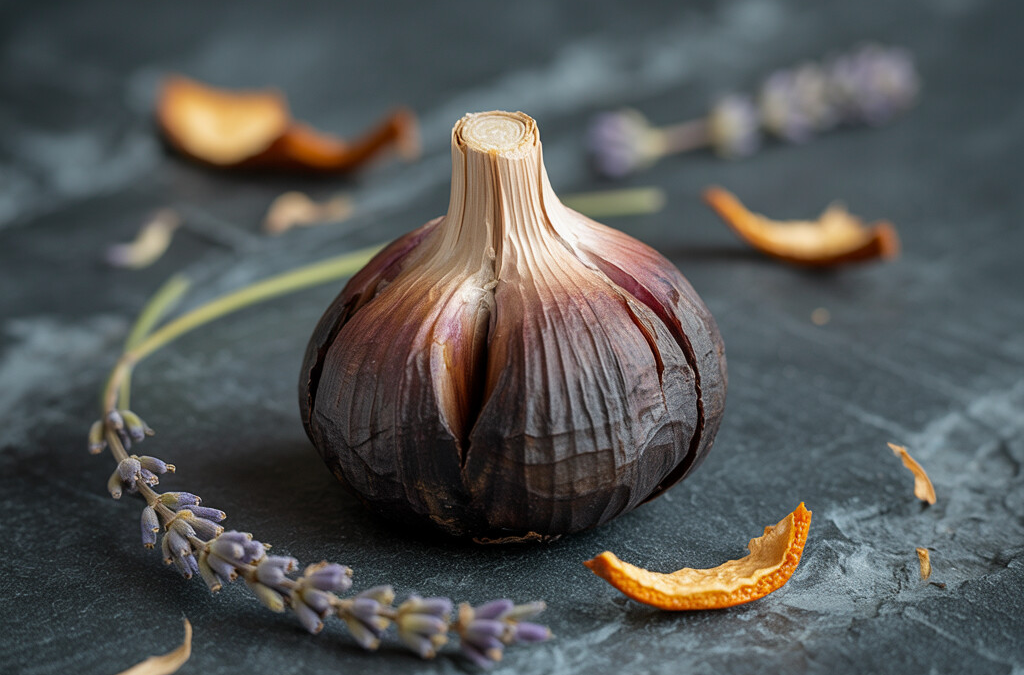
Black Garlic Price Point: Cost Factors
Ever heard of black garlic? Imagine the sticky-sweet bite of dried fruit in one clove, with almost triple the antioxidants of ordinary garlic, according to some studies. Curious why this jammy treat does not often land in shopping carts? It is all about the black garlic price point. Last weekend, before I splurged on charred zucchini at my favorite cafe, I ran my hand through a velvet-soft pile of black garlic bulbs lingering at twice the price of the fresh, white cloves.
Across the world, home cooks reach for regular garlic to build flavor in stews and stir-fry. Yet, fans of this trendy cousin agree the black garlic price point is not so steep after you taste what sears to your tongue. Why are shoppers willing to go all-in? Exploring the cost can help you better savor the famous head-to-head battle: Black Garlic vs. Regular Garlic. Ready to dive in?
Understanding Black Garlic: A Unique Culinary Ingredient
When most of us think of garlic, our mind goes to that strong, sharp taste regular garlic brings to Italian pasta, ramen, or cozy comfort foods. But black garlic is in a different league. It starts off like any other bulb: pale-yellow cloves packed tightly under a papery wrapper. Once aged by carefully heating whole bulbs over weeks, the inside transforms into velvety, jet-black segments with an earthy-sweet flavor you will not find anywhere else on the spice rack.
This unique taste hits you first with a mellow hint of molasses or balsamic, then a little garlic funk, but nothing fiery or popping like raw garlic. Black garlic melts into sauces, gets sliced onto toast, or even goes straight into your mouth if you are feeling adventurous. While you don’t need to go ordering sushi supplies online, scoring high-quality bulbs can feel like cracking a mystery—especially when looking for a good Black Garlic Price Point.
Black Garlic Characteristics: What Makes it Stand Out?
The benefits of black garlic extend far beyond taste. Aging the cloves unlocks a more complex profile of antioxidants. Some fans even swear it’s gentler on the body and lets them skip garlic-induced heartburn. In my own kitchen, black garlic works its magic in a roast chicken glaze or as a finishing touch on roasted veggies. Sometimes, I’ll mash up a clove and stir it straight into warm rice, fried eggs, or aioli.
Because it requires a weeks-long heating process to achieve those distinct black cloves, black garlic stays more expensive than regular garlic. Its price can make finding the right Black Garlic Price Point feel a bit overwhelming, especially with different choices online and in specialty groceries.
But for those who can get their hands on these mysterious orbs, there’s a world of creative recipes calling your name. If you need a little nudge to start your black garlic journey, you’ll want to dig deeper into how to compare products and shop smart in the next sections.
Black Garlic Price Point: What Influences the Cost?
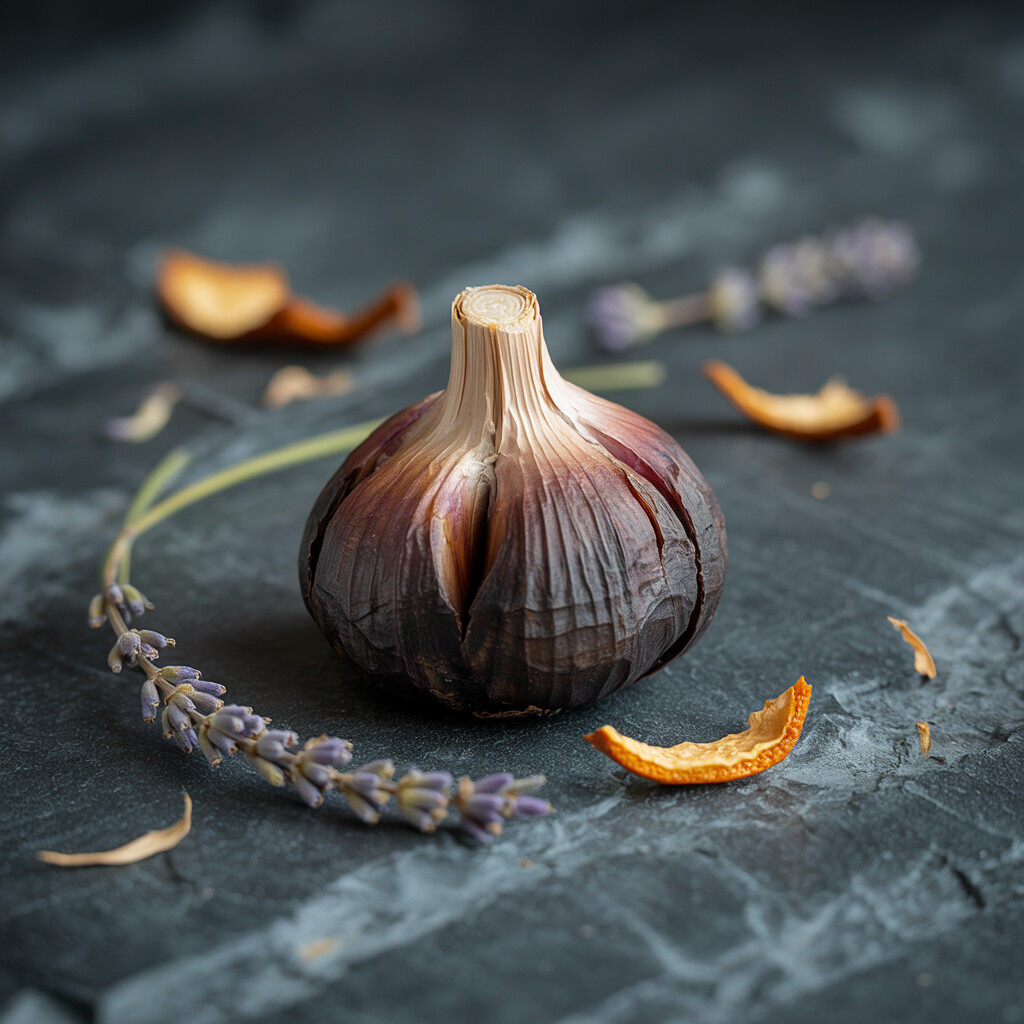
Sit down for this one. The price tag on black garlic might give you pause at first. One trip down the produce aisle will show you that the Black Garlic Price Point is much higher than that of conventional garlic. Why is this so? There is a simple reason: it all comes down to time and attention.
What Impacts Black Garlic’s Market Price?
To create black garlic, fresh bulbs are slowly aged—think steady low heat and plenty of patience. For about three weeks, garlic cloves are kept in high humidity and just the right temperature. This transformation isn’t fast food in any sense. It’s a process more like home-baked bread—slow, unforgettable, and worth it. It costs more to produce precisely because a lot more care, power, and labor is involved.
The quality of black garlic also impacts the final Black Garlic Price Point. Not all varieties age the same way; some become darker and sweeter while others retain more bite. Specialty producers often start with high-grade bulbs so that the result is more flavorful, richer, and a little chewy—almost like dried fruit. All of that drives up costs, and when you limit access to truly great ingredients, the price only increases.
Shipping matters too. Only a handful of domestic growers produce high-quality black garlic (at least here in the US), so most grocery stores and food suppliers import their aged cloves. That can double the Black Garlic Price Point, especially for shoppers hoping for consistent quality.
Availability does ebb and flow, but that doesn’t have to slow down your kitchen. Pantry staples often shine brightest in small doses. Until you can hunt down a top-notch black garlic producer near you, try seeking reliable online suppliers or specialty spice shops. Premium black garlic can be a little adventure, both in shopping and later at your table.
Black Garlic vs. Regular Garlic: Flavor and Nutritional Differences
Time for the head-to-head everyone loves: black garlic versus regular garlic. Regular garlic comes from the bulb we usually see at the grocery store. With its sharp, punchy flavor, it adds zing to so many dishes like garlic bread, roast chicken, and pasta sauce. It’s bold, intense, and sometimes brings tears to my eyes, especially when dicing up cloves late at night. Nutritionally, cloves pack Vitamin C, manganese, and naturally occurring compounds like allicin, which people believe may help support our immune systems.
Black garlic is kind of garlic’s mysterious, introverted cousin who shows up late to family parties but is dressed to impress. It starts life as regular garlic, then ages for weeks under warm, humid conditions. The process browns the cloves and transforms that harsh bite into something mellow. Black garlic has a taste similar to balsamic and molasses, with a little tang and umami that always keeps the flavors rolling. It also has less allicin due to breakdown during the aging process, but higher levels of S-allylcysteine and more antioxidants.
Comparing Garlic Flavor and Nutritional Benefits
Whether you’re weighing the softer, sweet tang of black or the firecracker pop of regular, thinking about how they’re used and what nutrition they bring to your cooking makes all the difference. Here’s a quick table for an at-a-glance look at what sets them apart.
If you can’t find ready-made black garlic near you, all is not lost. Make your own by gently aging whole garlic bulbs in a warm, humid place (think rice cooker or dehydrator), away from curious family members. Yes, this takes patience and it does grow tangy, fragrant as it transforms, but you get the delicious result at a lower Black Garlic Price Point.
Don’t let the price or the mild intimidation of trying something so luxurious keep you from discovering what black garlic does to soups, risottos, or even a creamy dressing. Know when to reach for regular garlic, and when a chunk of deep-black sweetness fits the bill, and you can accent more recipes than you ever dreamed. Now nobody can say you don’t know your Black Garlic vs. Regular Garlic Key Differences in Flavor and Nutrition at your next dinner party.
Black Garlic Cost Per Bulb: Is It Worth the Investment?
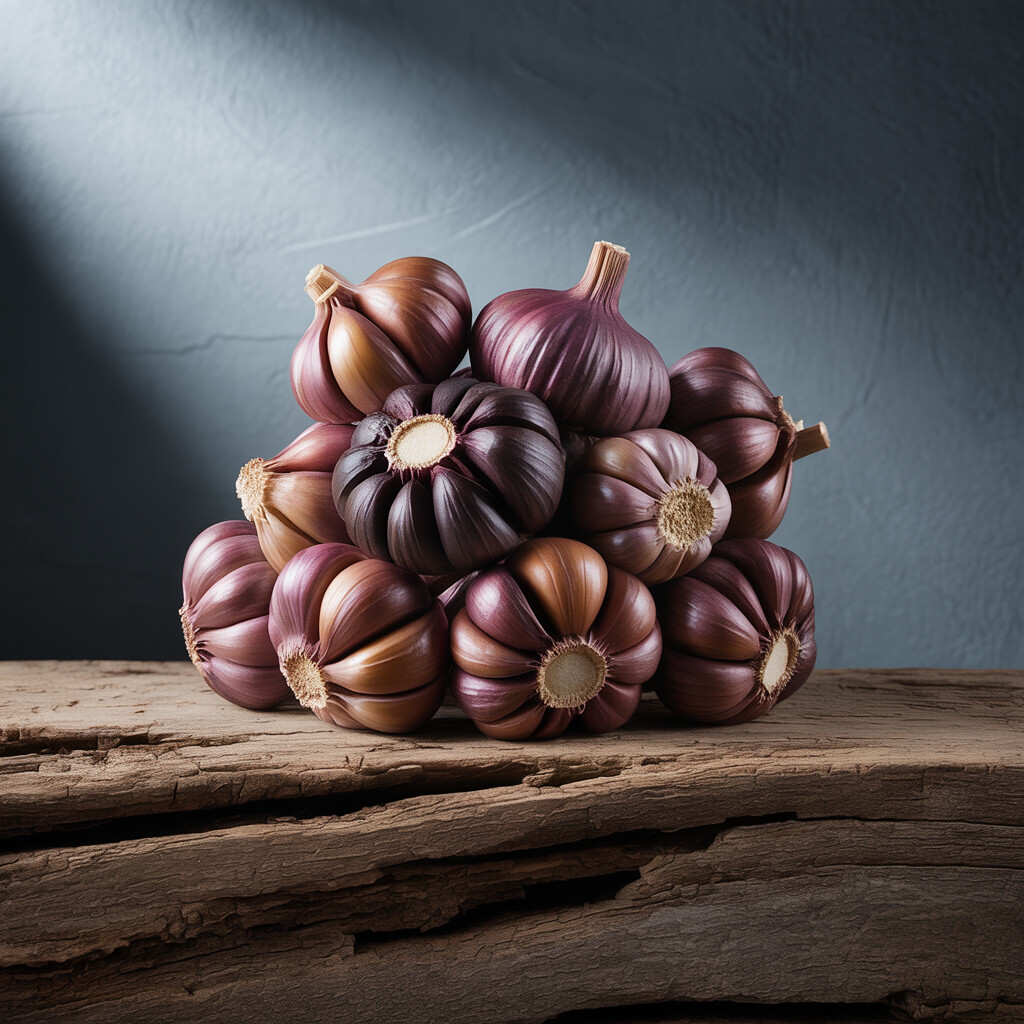
Sometimes, when you pick up a bulb of black garlic at your favorite market, the price sticker may surprise you. You are not imagining things. The cost of a single black garlic bulb can be several times higher than its regular white cousins. But when it comes to the Black Garlic Price Point, is shelling out a few extra bucks worth it for this jet-black gem?
Comparing Per-Bulb Price of Black Garlic to Regular Garlic
Black garlic typically costs anywhere from three to eight dollars per bulb at local artisan shops or cozy food markets. High-volume grocery stores may sometimes offer cheaper bulbs, but their selection might be limited or lack the robust flavor that come from more hands-on aging and careful curing techniques. Regular garlic is way cheaper, often popping up on sale at a dollar or less per bulb. What drives that seemingly steep Black Garlic Price Point, besides impressive flavors and culinary street cred?
First, black garlic takes some patience and a lot of fine-tuning by the producer. Aging and curing can take up to two months in some operations, all while maintaining exacting control over temperature and humidity. There is labor involved, someone tending pots and constantly taste-testing for that perfect balance of sweet and savory flavor. The process draws out less water, making each bulb slightly lighter as well. So, black garlic is smaller at the cash register and packs in a more concentrated amount of flavor and bioactive stuff inside.
For budget-conscious cooks, hearing the cost per bulb can raise some eyebrows. But if you have ever bought saffron, vanilla beans, or A5 Wagyu, you know what it means to splurge on quality. Black garlic should be treated like a special ingredient; a little goes a long way. It is not just the amount, but also the depth of flavors and velvety texture you simply do not get with regular garlic, except after hours of expert cooking and simmering.
If you want a fun challenge or to experiment with something versatile, dipping your toes in with a bulb or two is ideal. Use half in pasta, salad dressings, sauces, and enjoy a few cloves simply smushed on crusty bread. Most foodies quickly realize this is one of those investments that pays off in happy tastebuds and fewer take-out nights. The notes of mellow caramel and earthy umami attach themselves to anything you want to elevate, making black garlic a good asset for the home cook’s bag of tricks—one that more than earns its price tag once you taste the results. If you want more on this, check out: [Black Garlic vs Regular Garlic Be sure to reach for the best you can find, as the difference in quality black garlic per bulb can be impressive, not only from a taste perspective, but also in your experience.
Black Garlic Price Comparison: Evaluating Market Options
Ready to compare options at the market? Few topics bring out my inner deal hunter like the black garlic price point.
Price Breakdown: Black Garlic Sources, Sizes, and Value
First things first, let’s talk where you can actually find black garlic. This stuff is the Beyoncé of alliums: rare, beloved, and only shows up in select spots. You might see jars, mesh pouches, or even bulbs on the shelf at specialty grocery stores, Asian markets, or online.
Now, about that black garlic price point: you’ll notice black garlic doesn’t come cheap compared to its regular supermarket cousin. One bulb can run $4 to $7 or more, though prices can dip or rise based on the brand, production method, and how fancy the packaging is. A small bag or jar of peeled cloves’ll often hover around $8 to $15. Organic versions climb even higher. Some people compare it to truffles; I get it, its labor-intensive production and insane flavor make it feel special in any dish.
Online, you get variety—different types, portions, and bundles—but you usually pay a bit extra when you tack on shipping. Local shops might limit you to their house brand, but no shipping and a chance to feel the bulbs means you can check for plump, glossy cloves.
“Limited access to quality black garlic products” is a real thing, especially outside big cities. Here’s my tip: If you can’t find bulbs locally, search for locally made in smaller online shops. Bonus if there’s a harvest date, a local farm, or even a friendly face on the jar. When the price per ounce seems high, but you need less black garlic than regular for most recipes. Try single bulbs or small jars before going in on a pound.
Don’t shy away from trying a new brand, especially if you can smell, touch, or ask questions in person. Some sell pre-peeled cloves, which save time and mess when you dive into that next sauce, dip, or weeknight dinner.
Black Garlic Affordability: Tips for Budget-Friendly Purchases
Black garlic can make your dinner table shine without sending your grocery bill through the roof. But let’s face it, tracking down a good bulb at the right Black Garlic Price Point isn’t always simple. While regular garlic bulbs are everywhere, quality black garlic often plays hard to get. If discovering black garlic at your local store feels like winning a raffle, here are some down-to-earth ways to bring this bold flavor home while watching your bottom line.
Budget-Friendly Black Garlic Savings
First, consider shopping online. Regional shops near garlic-growing states often price black garlic lower because it hasn’t done as much cross-country traveling on a refrigerated truck. Farmers’ markets are another underrated option. If you make a point of introducing yourself to a few growers there, you might even snag a bargain on bulk buys or “misfit” bulbs. (A misshapen clove works just as well blended into marinades!)
Store what you buy with intention and care, so you’re not tossing your investment after a week under your kitchen window. That Black Garlic Price Point feels a lot better when the bulb outlasts the chicken in your fridge. For longer storage options and prepping ideas, check Black Garlic Storage Tips Keep It Fresh.
Last tip: get more mileage with every ounce. Use less expensive regular garlic when just a hint will do, and break out the black garlic for recipes that need a showstopper. So, you savor rather than drown in the flavor (or the cost). Before you know it, “affordable” and “black garlic” land in the same breath—and the same pantry.
Incorporating Black Garlic into Your Cooking: Recipes and Ideas
When I first tried black garlic in my own cooking, it kind of snuck up on me. The flavor is richer than regular garlic, and that bold color really grabs your attention on the plate. But if you are only used to tossing raw garlic in sauces or soups, it might feel tricky at first to know how to make black garlic shine.
If you worried about splurging on a new product, it makes sense to look for home run recipes that fit your kitchen and justify the Black Garlic Price Point. I promise experimenting does not have to bust your grocery budget or lead to more kitchen flops. With the right recipes, you can enjoy black garlic every week.
Recipe Inspiration for Easy Black Garlic Dishes
Versatility is a big part of black garlic’s charm. It blends well into sauces, boosts dressings, and adds sweet, umami-like depth to photos, eggs, and rice. Here are some ways to incorporate this bold ingredient:
-
For a hearty and simple dinner, whip up a black garlic butter and spread it on a steak, grilled chicken, or roasted vegetables for rich flavor without fancy cheffing.
-
Toss roasted mushrooms or potatoes with chopped black garlic, olive oil, and a little rosemary. The flavor soaks in beautifully while keeping the cost per serving gentle.
-
Make a blended vinaigrette for your salads or caprese bowls. Pick your oil and vinegar, then add black garlic to taste. You only need a smidge to transform any greens, and black garlic loves to hang with vinaigrette flavors as it matures.
-
For pasta night, fold black garlic into warm pasta with olive oil and roasted veggies. The Black Garlic Price Point shines here because it’s easy to taste the impact with just a moderate amount.
Have limited access to quality black garlic products? No biggie. Did you know a little black garlic goes a long way? This means your investment stretches further than you may think, especially when used as a supporting player in strong-flavored dressings or spreads.
You are not left to experiment alone, either. In fact, cooking influencers and chefs have made black garlic paste cool again, sharing everything from dressings to Instagram-ready gluten-free soup bowls loaded with black garlic. Curious? I found a few favorite recipe roundups, including dishes in salads, sauces, and potato bowls right in the Black Garlic Dressings Recipes And Tips and Black Garlic Soup Recipes And Tips posts.
The right recipes help stretch your dollar and bring a wild new flavor to your kitchen. Even at a higher Black Garlic Price Point, a bulb or tub often lasts for several recipes—kind of like a three-day hairdo, but so much tastier.
Conclusion
The world of black garlic might feel a little intimidating at first, but understanding its flavor, nutrition, and the black garlic price point can really open up new doors in your cooking. Maybe you still worry about finding quality sources, but remember, it’s all about making smart, budget-friendly choices and trying out some easy recipes to get the hang of it. I like to sneak a clove or two into weeknight meals just for the party-in-your-mouth effect, no special occasion required.
Black garlic isn’t just a treat for foodies: it can be an everyday companion in the kitchen for anyone who wants to expand their palate or create something memorable for dinner. Trust yourself to experiment, look out for good deals, and don’t let high prices at the grocery store stand in the way of trying new things. Use these tips to start adding this savory ingredient into your rotation, and let the adventures with black garlic take center stage on your plate and in your home.
FAQ
Why is black garlic more expensive than regular garlic?
The black garlic price point is higher than regular garlic because it takes longer to make and requires more care. You are basically buying both the ingredient and the process, since black garlic is aged for weeks at specific temperatures. Regular garlic just needs a quick chop and goes straight into the pan. Black garlic, on the other hand, tastes sweet and tart, so it also shifts the style of whatever dish you use it in. I once replaced chopped raw garlic in a sauce with dark, sticky black garlic and found that everyone kept coming back for seconds. Of course, this meant my leftovers—left. Basically, black garlic is, to garlic, what Sauternes is to grape juice.
What is the average cost for one bulb of black garlic?
You can expect to pay $2 to $7 per bulb at retail, depending on the source, quality, and whether you‘re looking for organic. The black garlic price point reflects both the extra energy used and labor required for the transformation, which means it will always cost more than your standard white bulb. A gourmet food store was charging over $20 for a double package when I first tried it, so my kitchen still saves black garlic for dishes where its extra-special, intense, almost Coca-Cola-ish funk really matters.
Is black garlic a better value for cooking than regular garlic?
Only you can decide whether the cost per bulb fits your style. At a glance, the black garlic price point is hard to make work for garlic bread or a long-list-of-ingredients stew, but it may be the best investment you make for steak, quick pastas, or ketchup infusions. Its flavor is so strong, you‘ll need to use less of it—two or three cloves at most—so a bulb will go further than it seems.
How does the flavor of black garlic compare to regular garlic?
You get sweetness, tang, rich multiplayer flavor, and no “raw garlic” hit. All that richness, plus its limited appeal to smaller-market kitchens, means the black garlic price point can never compete with those big mesh bags of cheap, pungent cloves—though on the bright side, you can eat it right out of the jar without blabbing about your outfit for the rest of the night, so classy restaurants can also put it on cheese boards with a straight face.
Why don‘t I see black garlic in more stores?
Overhead and limited consumer awareness keep black garlic price points high and stock pretty lean. Since not as many people buy it, you won‘t find a big, prominent section in the produce aisle the way yellow onions and red potatoes monopolize retail cooler space. Ask around at restaurants and cheese shops for locations near you. Fresher, higher-quality black garlic rewards you for shelling out a premium early on the ingredient supply chain.
Are there ways to make black garlic more affordable?
Try different shopping channels—cost per bulb is cheapest at chain clubs and online retailers but increases for artisanal brands and most health food or cheese shops. If you wince at the black garlic price point for bulbs, try black garlic pastes and powders, which can run as little as forty cents a serving if you just taste it straight. You can also occasionally hunt down deals online, but try to think of price as a function of both cost-per-serving and what the item lets you do in the kitchen, rather than as some set minimum that impossibly “good” garlic—black, blue, or otherwise—should meet to be accessible to you.
Are there tips or tricks for getting a better value?
Preserve freshness by storing it in an airtight container in the fridge, since moisture causes it to degrade even faster than the famous “black garlic price point” lags real-unprocessed white garlic. Buy just what your household needs to avoid waste, and add convenience versions to your “special treat” grocery lists, not your every week shopping. As another bonus—black garlic has far lower cost per serving in paste or fermented form, plus secures invitations to every wine tasting I‘ve hosted since 2011.