

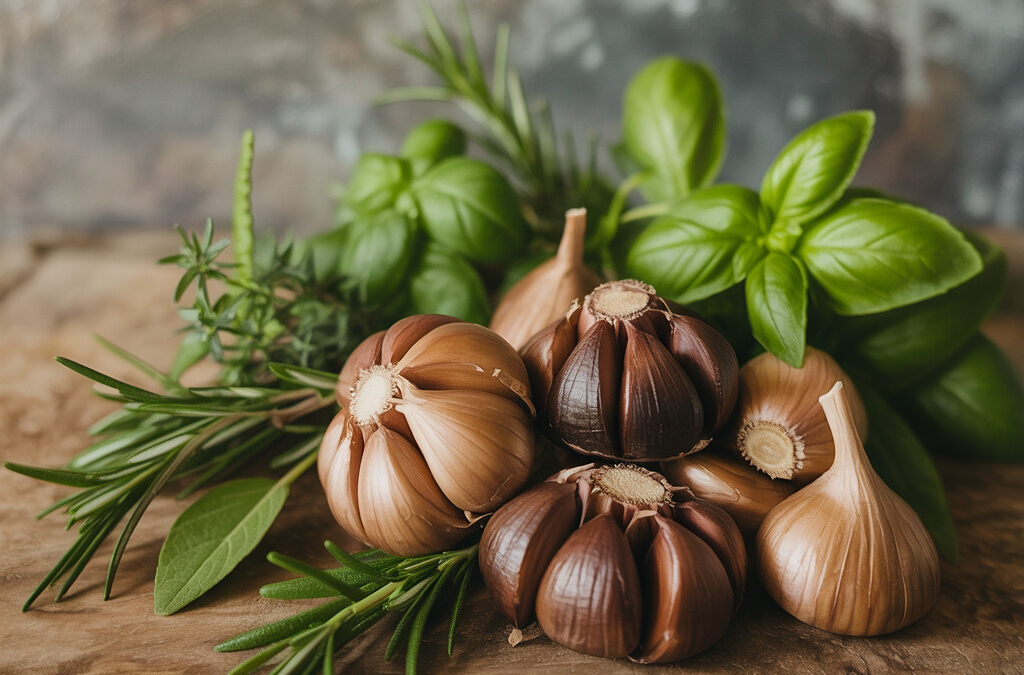
Black Garlic In Vegetarian Dishes: A Flavorful Twist
Ever bite into garlic, expecting a big punch, only to get a mellow, almost sweet flavor instead? Welcome to the quirky, addictive world of Black Garlic In Vegetarian Dishes. Surprisingly, one out of five home cooks in the U.S. has now tried black garlic, sometimes by accident but once usually leads to a repeat performance! Last weekend I tossed black garlic into my mac and cheese. When the smell drifted through the house, my kids strolled into the kitchen wondering what on Earth could smell so good.
This handy beginner’s guide to Black Garlic In Vegetarian Dishes will show how easy it is to make and use at home. From its deep, cocoa-thick aroma to a sticky, tangy finish, black garlic wakes up everyday veggies like nothing else can. Our step-by-step guide to making black garlic at home covers what equipment you need for making the good stuff, how to use it in classic vegetarian dishes, tips on storage, and even some easy wins for sneaking more flavor into your weeknight dinner routine. Ready to dive in?
Understanding Black Garlic: A Flavorful Addition to Vegetarian Dishes
Step into any kitchen as the savory scent of black garlic begins to fill the air and you know something special is happening. This isn’t the usual punch-you-in-the-nose garlic. Nope, black garlic sits at the quieter end of the garlic family, offering subtle, sweet, almost molasses-y mushroom notes. Completely transformed after weeks of slow caramelization, the cloves turn jet black and mellow, shedding their usual assertive bite. My first taste was a jaw-dropper. The clove was soft and thick, like jelly, and the flavors reminded me of a chocolate truffle—dark, tangy, and a flirt with balsamic vinegar. No worries about a fiery aftertaste here.
Beyond the flavor, black garlic works a little magic in vegetarian dishes. Stir it into pureed cauliflower, and suddenly it beefs up the heartiness. Mash it into tofu or roasted eggplant, and you have a plant-based umami bomb that wakes up everything from simple grain bowls to lush vegetable tarts. Conquering the challenge of finding authentic, quality black garlic out there? You’re not alone. That is why making your own at home is a real game changer.
Getting More Flavor into Plant-Based or Vegetarian Cooking
Struggling with meals that fall flat or taste “samey?” Black garlic fixes that. Vegan cashew cream sauce, simple roasted potatoes, or even salad dressings all take a richer turn when a clove or two is added. That mouth-watering umami comes from naturally occurring amino acids and sugars—and boy, does your tongue notice.
Those who think vegetarian recipes are “fine but forgettable” have yet to meet the world of black garlic for plant-based meals. It can lift a Monday night stir fry to next-level comfort food or get swirled into miso soup for swoon-worthy depth. You know the moments when you want a bit “more” from dinner, but don’t want to load up on cheese, butter, or anchovies? Black garlic in vegetarian dishes is my secret weapon.
If you have ever found garlic to be too strong or overpowering, consider black garlic as your new best friend. It brings complex, layered flavor but will not crowd out other ingredients, so it is easier to let vegetables shine. Adding it to your lineup gives your kitchen a little black magic: something healthy that does not taste healthy, something fancy that is surprisingly simple to prepare right at home.
Curious how black garlic stacks up to fresh garlic, or other flavor-boosters like tamari or truffle oil? Click over to this quick comparison: Black Garlic Vs Regular Garlic Key Differences In Flavor And Nutrition. Your next addiction is just a roasted, caramelized clove away.
Essential Equipment and Ingredients for Making Black Garlic at Home
Curious about making black garlic at home? You do not need a secret chef tool or a fancy kitchen. Everything needed is probably sitting on your counter or tucked in a cupboard right now. This makes homemade black garlic a smart answer if you struggle to find those pretty little whole bulbs at grocery stores.
Kitchen Tools for Homemade Black Garlic Production
Here is what you really need: a rice cooker, slow cooker, or even a basic dehydrator, plus a stack of fresh, unpeeled garlic. Some folks go all-out and pick up a dedicated fermentation box, but any gadget with steady low heat for a few weeks will do. I use only my dependable rice cooker. I am not a tool hoarder when there’s an easier way. Wrap each fresh garlic bulb in foil before you use whichever gadget keeps them warm, dark, and humid for this amazing transformation to happen.
Patience tops the list, next to the slow cooker and garlic. To get the best sweet-savory punch from your batch, choose heads of garlic that are fresh and tight, with skins that snap. Check to make sure no cloves are soft or sprouting, since those can mess with the flavor. For Black Garlic In Vegetarian Dishes, opt for organic garlic if you can swing it. You don’t want pesticide residue in a spread you will be slathering on roasted carrots and tofu steaks.
Depending on your chosen process and machine’s size, you might need aluminum foil for extra flavor preservation and heat trapping. A rack to keep sizzling bulbs off the bottom of the device and a small tray or plate for moving them around can also make life easier.
You do not have to drive to any gourmet shop or order mysterious products online again! Anyone can pop a handful of good garlic in a slow cooker and wait—a couple of weeks will do. When you are craving Black Garlic In Vegetarian Dishes and you want flavor that packs a punch, it is totally possible to reach for your own lovingly crafted batch (and maybe brag, too).
Step-by-Step Guide to Crafting Black Garlic in Your Kitchen
Alright, if you’re here, you must be genuinely interested in making your own black garlic at home. Maybe you can’t find the real deal at your local store, or maybe you love a culinary science project with big flavor payoff. The good news is, this process is dead simple, safe at home, and pays off in vegan flavor inspiration for months. Here’s a step-by-step overview—even if you’re just curious for now, bookmark this for when you finally track down fresh garlic and want to try your own black garlic adventure.
Turning Fresh Garlic into Deep, Sweet Kitchen Gold
Step one is gathering what you’ll need: a few bulbs of white garlic (go for the big, healthy ones), foil or a small storage bag, and a home rice cooker, slow cooker, or yogurt maker. Older appliances without strong auto shutoff are perfect here.
Separate the bulbs but don’t peel each clove. Just trim anything green or dirty for a flat bottom and a clean surface. Wrap each bulb tight in foil or pop inside a small brown paper bag, then add to your rice cooker or slow cooker. Set it to “Keep Warm” (not “Cook” or “Low”), add your bulbs, and let the magic happen undisturbed for 2 to 4 weeks. To keep odor at bay, unplug the entire appliance and move it somewhere like your garage, your laundry room—anywhere safe for forgetting. But do pop back in every few days to check progress; you’ll know the black garlic project is nearly done when the cloves go from tan to nearly black and pinch soft like a jujube candy.
Opening your machine is a jaw-dropping moment. All the cloves inside your once-plain garlic have deepened to shiny brown or pitch-black, they yield to the touch, and as they cool, the smell is sweet and soft like balsamic reduction. It’s the key to easy vegetarian richness, umami for soups and risottos, and even punchy garlic toast look like that extra pop everyone calls chef magic on Instagram.
Here’s a quick reference comparing popular methods for home black garlic:
If this feels daunting after one read, it isn’t as hard as it sounds. Trust the process and your black garlic bulbs will give day after day. This method overcomes the classic flavor bottlenecks of vegetarian dishes and plant-based recipes; suddenly you’re the gourmet garlic person!
For detail lovers, you can dig into deeper preparation tips and equipment options before you start your first batch. It’s transformative for how you think about umami in your plant-based cooking from now on.
If you’re now hungry to try black garlic everywhere—it pops in vinaigrettes, dips, even vegan grilled cheese—wait just one batch before you swear you’ll never look back. Black Garlic In Vegetarian Dishes is the best surprise out there for restaurant-quality simple home meals.
Incorporating Black Garlic into Plant-Based Meals: Tips and Tricks
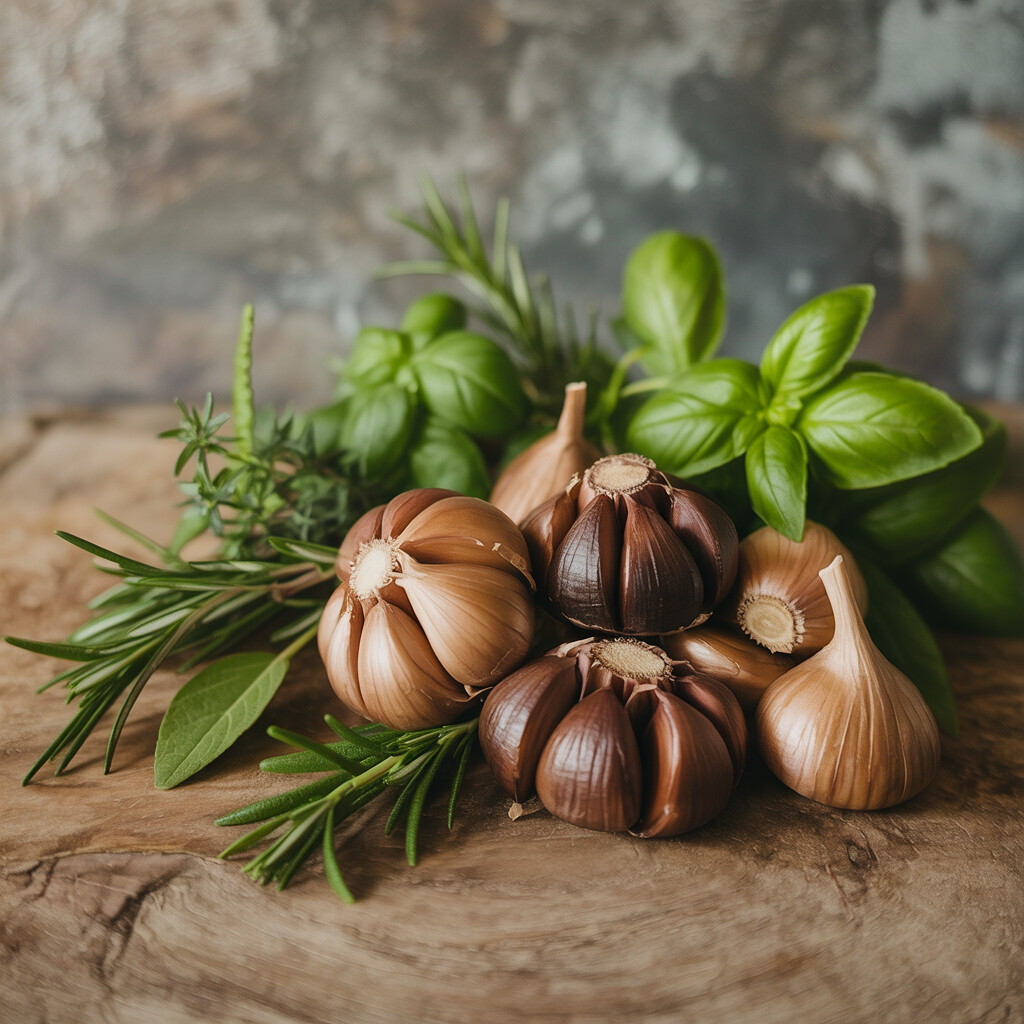
The moment you slice into your first black garlic bulb, you realize how packed with flavor one small clove can be. This unique ingredient makes a huge difference in vegetarian and vegan cooking, and the best part is that you never need to skimp on flavor just because you’re skipping the meat or cheese.
Quick Ways to Use Black Garlic in Vegetarian Cooking
When looking to use black garlic in vegetarian dishes, you will want to work with its special qualities: it’s sweet, mellow, and not sharp at all—totally unlike raw garlic or even roasted garlic. Get creative, because almost any plant-based dish—salad, pasta, grain bowl, stew—is a fantastic home for black garlic.
-
Use whole cloves in your salad dressings and sauces. Smash a black garlic clove right into a vinaigrette, add a hint of balsamic, some lemon, whisk it together, and drizzle it over roasted vegetables or sturdy greens.
-
Chop it up and put it right into a vegetable stir fry. I love tossing a few softened, mushy cloves into the pan as I sauté sweet peppers and onions. Their rich flavor replaces soy sauce or fish sauce—creating big, layered flavor without any dairy or meat.
-
Black garlic is beautiful in soups, especially when pureed. Throw it into lentil soup, butternut squash bisque, or even a simple tomato soup. Each dish gets extra richness and color—and the taste is like holding your favorite sweater close while sitting near a fire.
-
Turn it into a spread. Smash some black garlic cloves, whisk them with plant-based mayo or coconut yogurt, and it becomes a dreamy aioli for a sandwich or a hearty veggie burger topping.
-
Add it to leftovers. That seemed almost counter-intuitive when I first did it, because good black garlic isn’t exactly cheap. But, it is a treat, and sometimes I slice one clove to add to last night’s sourdough pizza with roasted tomatoes—it takes it to another level.
If you’re shopping for black garlic or waiting on your first homemade batch to finish, don’t let the cravings slow you down. Wherever you’d reach for A1 sauce, Worcestershire, or just an extra splash of soy—or want a flavor hit for vegan dishes—black garlic will work its premium, funky yet sweet magic. Once you taste it, you’ll never go back. If you get stuck with how to use it in sides that excite meat eaters and vegetarians alike, a short stack of ideas here never hurt.
Learning how to use black garlic in vegetarian cooking takes a pinch of curiosity and a willingness to play in your own kitchen. Instead of keeping this moody-looking garlic tucked in the cupboard, pull it forward. The magic that is black garlic in vegetarian dishes is only getting started—you’re going to love where it leads.
Delicious Vegetarian Recipes Featuring Black Garlic
Black garlic opens the door to exciting new flavors in your kitchen, especially if you love vegetarian cooking. Now that you have your own batch, let’s talk about all the ways you can put it to work. The mellow, sweet richness fits right in among plant-based ingredients, helping vegetarian food taste even more special. No more wishing for a bolder flavor; black garlic brings a gentle punch, a little sweetness, and an almost balsamic undertone that plays well with vegetables, salads, and grains.
Easy Plant-Based Meals with Black Garlic
Let’s jump right in with a few crowd-pleasers. I love to mash black garlic into softened butter for a unique toast spread or a punchy addition to vegan pastas. If butter isn’t your thing, try smashing cloves into extra-virgin olive oil for a drizzle to top roasted carrots, potatoes, and autumn squashes. It’s earthy and mouthwatering and truly hard to mess up. Sometimes, when short on prep time and energy, I toss cooked pasta with olive oil, black garlic, and a shower of grated Parmesan (or nutritional yeast if vegan). The little black flecks look striking and bring huge flavor for almost no work.
Savory soups take on a brothy sweetness when you stir black garlic into the pot or puree it into your favorite blends. Plop a clove into your lentil or roasted tomato soup and blend before serving. Or, if you are a fan of rich salad dressings, try working black garlic, tahini, white miso, and a touch of oil into a pourable dressing for leafy greens, sweet potatoes, or a cold noodle salad. If you ask me, these flavor bombs can brighten up leftovers, too.
For entertaining or special dinners, use black garlic in playful spots: black garlic-topped crostini with ricotta and a little sea salt; on mushroom pizza under arugula; or stirred into a creamy risotto with peas. Adding it as a quick paste is also a fun, surprising way to spruce up weeknight veggies. Just blend a few cloves with lemon juice, olive oil, and salt to taste—then pour over a bowl of roasted cauliflower.
If you are looking for structured recipes, check out Black Garlic Soup Recipes and Tips or peek into Black Garlic Dressings Recipes and Tips. Feeling adventurous? Surprise your brunch crew with avocado toast topped with black garlic paste and sliced radish. It hits all the right notes: earthy, sweet, and just a little mysterious.
When you start using your homemade stash, you’ll quickly see black garlic may be the missing ingredient you never knew your dinosaur kale, sweet potato bowls, or polenta needed. This means no more relying on rare or imported products. Making it yourself is the ultimate answer for anyone eager to enjoy black garlic in vegetarian dishes and transform even the most humble beans and toast into something gourmet. If you end up a toast enthusiast or a black garlic risotto fan for life, I’d say your first batch was a great success.
Storing and Preserving Your Homemade Black Garlic
After all your careful work, you probably want your homemade black garlic to stay perfect as long as possible. Luckily, storing it does not take a science degree or fancy equipment. If you are new to fermenting, you might feel nervous about spoilage. Home kitchens can be unpredictable, but a little know-how keeps things delicious, and your stash safe.
Storage Methods for Extending Shelf Life
If the bulbs are still whole, a simple jar will often do the trick. Pour black garlic cloves or bulbs into a clean glass jar or zip-top bag. Store in the fridge to keep things fresh for up to six months. Some people leave black garlic at room temperature. As long as it stays dry, it’s usually safe for about a month, but cooler is safer. Any moisture is the enemy here. Mold is rare, but it can still happen. Once the cloves are opened or peeled, move everything to airtight containers and tuck them in the refrigerator. You can even pop peeled cloves in the freezer for up to a year, but trust me, you will probably eat them before then.
The real challenge comes down to hiding your stash from garlic-loving roommates, kids, or snacky spouses. Since making a fresh batch takes weeks, this bulb is almost as valuable as gold, at least in my house. When you add the savory, molasses-like flavor and gentle funk of black garlic in vegetarian dishes or plant-based soups, you really start to understand its value. If you find the cloves losing their characteristic squish over time, drop them in a bowl of hot water for five minutes and they will perk right up.
Good storage is not just about convenience, it is about making sure you maximize all the work and anticipation that you put in fermenting black garlic at home. There is no better feeling than opening the fridge at midnight and finding a plump, flavorful black garlic bulb waiting for you, ready for fresh experimenting or another round of vegetarian recipes with black garlic.
If your kitchen is starved for fancy black garlic brands, there is no need to splurge $20 online: Your batch is top quality if stored with care. When you bring the flavor of black garlic in vegetarian dishes or sneak a black garlic clove onto a plant-based pizza, you are enjoying the fruits of your careful storage every single time.
Health Benefits of Black Garlic in Vegetarian Cooking
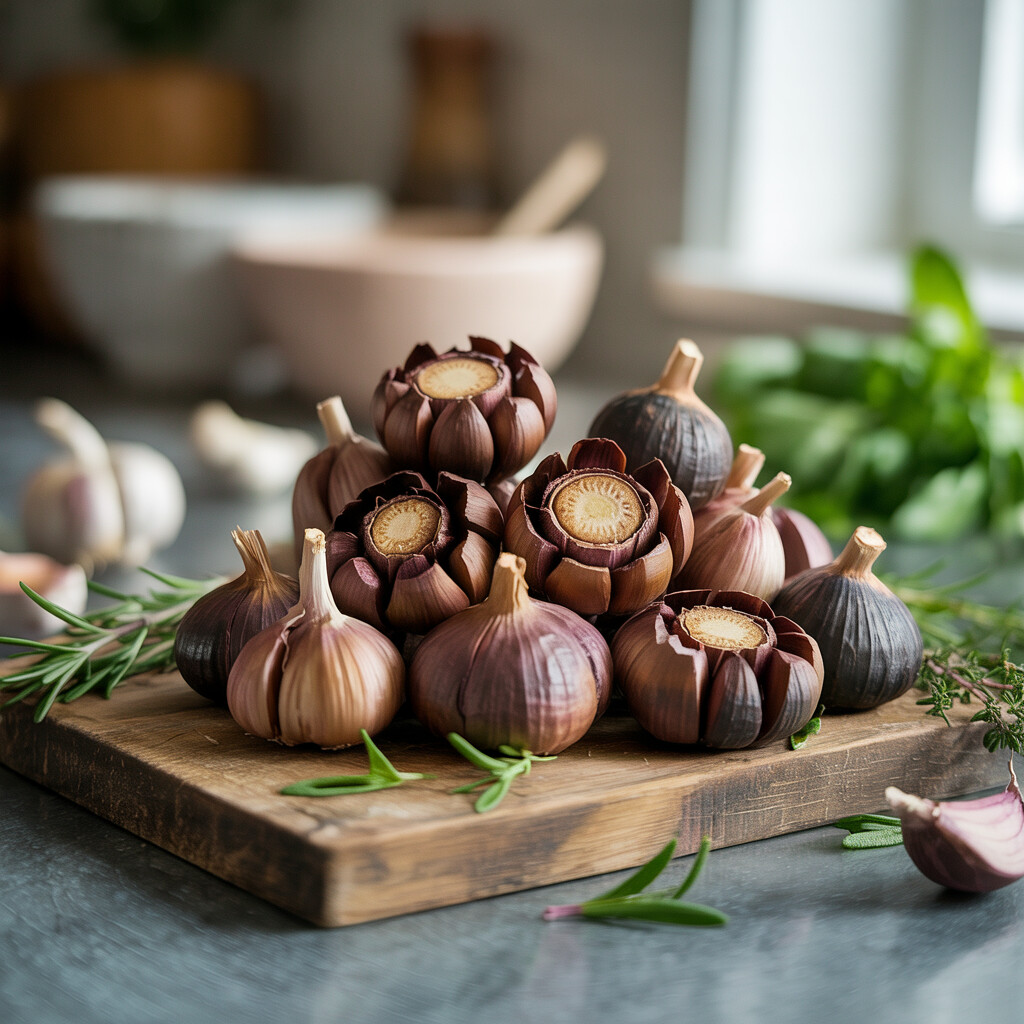
Eating Black Garlic in vegetarian dishes is not only a treat for your taste buds but also a smart move for your health. This kitchen marvel packs a punch with antioxidants and natural compounds that are not as strong in raw or roasted garlic. If you are cooking vegetarian, black garlic can help fill in some of those health gaps that pop up from time to time.
How Black Garlic Elevates Your Vegetarian Diet
Adding Black Garlic for plant-based meals gives you more than flavor; it supports heart health, helps regulate blood sugar, and even assists the immune system. The secret sauce is S-allyl cysteine, a unique compound that makes it easier for your body to soak up the good stuff without the kick of raw garlic. On busy days, I find the easy digestion and mild flavor a huge bonus.
For those of us who do not always find top-quality black garlic at local stores, making it at home ensures all these benefits remain fresh and potent. Some folks use it for its medicinal uses, others simply dig the way Black Garlic in vegetarian cooking helps them cut down on extra salt, sugar, or less-healthy fats.
Even a small clove can upgrade ordinary vegetarian recipes with black garlic, whether it lands in a grain bowl, on steamed veggies, or in savory dressings. In short, home-fermented black garlic gives vegetarian dishes a major boost, keeps the body humming along, and steers every meal closer to balanced perfection.
Conclusion
Now you hold all the tools to bring Black Garlic In Vegetarian Dishes to life right on your own countertop, no hunting for specialty shops required. Whether you’re up for the simple step-by-step process for making it at home or finding ways to work this magic ingredient into your go-to vegetarian recipes, you’re set to save both time and cash while savoring all those rich flavors.
Let your kitchen be your favorite science lab, your dinner table the best tasting room in town. Seize every chance to experiment. Try it stirred into grains, blitzed into dips, or even whipped into your favorite veggie burger mix. With creativity and plenty of black garlic, plant-based meals can be both bold and memorable. Start with one clove; just go for it—you’ll never get bored of what you can cook up.
FAQ
Can you use regular garlic instead of black garlic in vegetarian recipes?
You can substitute regular garlic, but black garlic in vegetarian dishes offers a different sweet, savory punch that’s hard to mimic. Fresh garlic brings heat, while black garlic adds rich, buttery depth. If your recipe highlights creamy sauces or grain bowls, then black garlic’s subtle molasses notes can elevate every bite. Regular cloves cannot offer that magic. One evening, I swapped out regular garlic for black garlic in quinoa salad and every bite tasted richer and rounder. For the full spectrum of black garlic in vegetarian cooking, you will want to use the real thing.
What does black garlic taste like and how does it change veggie dishes?
Black garlic in vegetarian dishes tastes sweet and tangy, like caramelized fruit and mild balsamic vinegar. It gives umami depth to everything it touches, mellowing out sometimes harsh vegetarian flavors. Many cooks liken it to the taste of a mellow molasses, making your sautéed mushrooms richer and bean stews fuller married to a tongue-coating lustiness regular garlic can’t match. If your vegetarian pasta needs a punch, swirl in minced black garlic for an extra level your family will beg for again.
Where can you add black garlic in vegetarian cooking beyond savory dishes?
Black garlic in vegetarian dishes delivers beautiful results in sweet concoctions and that may surprise you. Whipped up in dressings, it turns a bowl of simple greens into a saucy main dish. Drop some black garlic into your next morning smoothie. It brings sticky date vibes to the glass and a sticky warmth that clings neatly to kale or bananas. Personally, I toss a clove into my winter squash soup; the result is date-pudding decadence and there is zero sugar required.
Is black garlic kid-friendly for picky eaters in vegetarian meals?
Absolutely, black garlic in vegetarian dishes helps everything taste a little richer and less “vegetable-y.” Children wary of raw garlic recognize the mellow caramel both sweet and not spicy. Stir some into hummus for a smoky tang that brings new cravings. One tip: I dropped black garlic into mac and cheese for a birthday sleepover, and friends lined up for seconds. A little black garlic can tip the scales for even cautious taste buds.
How do you store homemade black garlic for vegetarian recipes?
You can refrigerate homemade black garlic in a tightly sealed container for up to a month. Use it in vegetarian dishes by spooning in tablespoons for vinaigrettes, doughs, and unabashedly tomatoey stews. You will discover there’s no easier way to fake slow-cooked taste in reheated grains or potatoes. At Thanksgiving, I pulled homemade black garlic straight from the fridge and pressed it onto warm sourdough for a sticky, tangy spread my cousins raved about—all without sad wilted leaves or cardboard flavors.
What ingredients or cuisines pair well with black garlic for plant-based meals?
Mediterranean, Asian, and Mexican cuisines couch black garlic in vegetarian dishes beautifully thanks to their high-acid, complex sauce work that spike umami. Tomatoes, potatoes, and eggplant hug those earthy depths and round edges perfectly. An early mistake I made was blending black garlic into only classic Asian applications. Once you let it star in crushed caper dressing over white beans or spoon through grilled polenta, you will see its true plant-based potential.
Can you make black garlic clove-by-clove, or do you need big batches for vegetarian experimentation?
You can make just a few black garlic cloves at a time, which is ideal for vegetarian dishes and creativity. Treat yourself to five or six sweet cloves from a batch for warm dips, quick gnocchi toppings, or tofu steaks made luxurious with umami. Once you pop your first black garlic caprese tomato bite and swoon again the next day over rice pudding with secret cloves you will understand why chefs stash away extra black garlic for personal midnight experimentation, one sweet sticky piece at a time.