

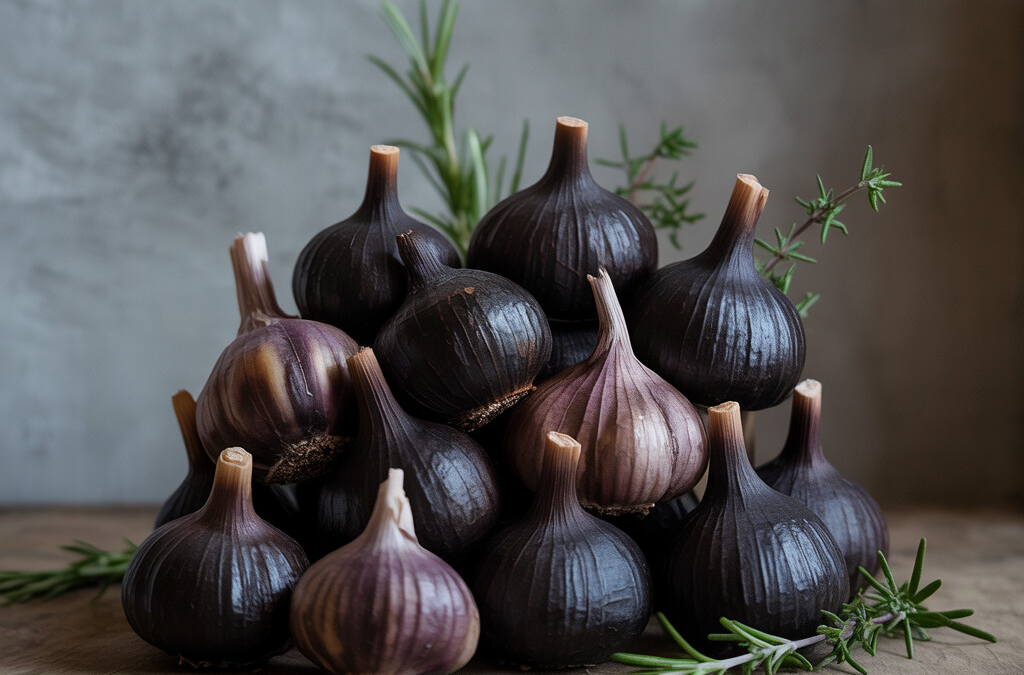
Black Garlic In Soups: Flavorful Recipes
If you think of garlic as a punchy, nose-tingling staple, Black Garlic In Soups might surprise you. This funky cousin is aged for weeks, which transforms its taste from sharp to rich, layered, and honey-like. One serving contains twice the antioxidants of raw garlic and countless fans in Korea and Japan. Last weekend I added a few midnight-black cloves to my broth and wow, what a game changer. The earthy aroma made me hungry before the spoon even touched the bowl.
There’s a problem though: finding high-quality black garlic isn’t easy or budget-friendly. If you’ve ever left a pricey meal kit of it lingering unopened in your cabinet, you’ll probably get a kick out of conquering Black Garlic at home. In this beginner’s guide, you’ll put black garlic front and center—not just in soups but in broths and stews too. The focus is Black Garlic In Soups, but you’ll finish this tutorial itching to stir it into just about any warm bowl you can handle. Ready to dive in?
Understanding Black Garlic: What It Is and Why It’s Worth Making
Before you dive into making black garlic at home, it helps to understand what sets it apart from its more common cousin. Good old-fashioned garlic often brings sharpness and a spicy kick, but black garlic delivers something else: deep, almost sweet notes with hints of balsamic vinegar, soy sauce, and date. This transformation isn’t magic; it’s a science-friendly dance of time, low heat, and patience.
What Makes Black Garlic Different?
To create black garlic, you gently heat whole bulbs—and I do mean gently, since it’s less like cooking and more like aging fine cheese. Over two to three weeks, the cloves turn soft, sweet, and dark brown. Some folks get poetic about the process, calling it “fermentation,” but it’s really caramelization in disguise. The chemical reaction (called the Maillard reaction) brings out each clove’s natural sugars, tames its bite, and brings a depth you never dreamed was hiding inside that humble white bulb.
If you love to cook—especially with flavors that surprise you—black garlic takes classics and sends them into another orbit. Add a little to your next tomato sauce, salad dressing, or steak rub and see what happens. I especially love using black garlic in soups, where it brings body and almost umami-like flavor to even the simplest broth.
While jars of black garlic pop up in trendy food shops and a few supermarkets, many home cooks still don’t have easy access to affordable, quality options. Some I tried were leathery. A few arrived hard as rocks (and impossible to mash). Making your own sidesteps the guessing game: you control the process, pick the best head of garlic yourself, and experiment along the way. There’s also serious bragging rights in having a stash on hand to impress your friends. Plus, if you’re someone who goes heavy on soups, you’ve got the secret ingredient everyone’s looking for.
The beauty of black garlic isn’t just its taste. Once you try it, you’ll wonder how you got this far using “regular” garlic without exploring its alter-ego. In one evening, a spoonful can move a boring chicken noodle into “fancy restaurant” territory. Using black garlic in soups, stews, or even spread on toast with a sprinkle of salt may not change your life, but it’ll give dinner some fresh momentum.
Essential Equipment and Ingredients for Homemade Black Garlic
Making black garlic at home isn’t just doable—it’s pretty darn easy with the right setup. The starting point for any great batch is, of course, nice big bulbs of regular, unpeeled garlic. Keep it simple. Look for fresh, clean bulbs at your local grocery store or farmer’s market. Skip anything that seems soft or has blemishes. In my experience, fresh is always better; avoid the temptation of pre-peeled or chopped garlic.
When it comes to transforming these humble bulbs into black garlic, you don’t need a high-tech kitchen or magic skills. I have seen people try everything from rice cookers and dehydrators to steamers and yogurt makers. The truth is, if you already have a rice cooker that lets you keep food on the “warm” setting, you are halfway there. Wrap each garlic bulb loosely in foil to control humidity. This keeps them from drying out while they gently cook over the next several weeks.
Must-Have Supplies for Sweet and Savory Black Garlic
- Rice cooker (with a “keep warm” mode)
- Bulbs of garlic, unpeeled and fresh
- Aluminum foil or parchment to wrap garlic
- Optional: food-safe thermometer to double-check temperature and humidity
Time and patience are your best tools here, but wrapping garlic in foil and using a slow cooker or similar device keeps you from constantly fussing or worrying over dinner. You can find more on garlic transformation over at this in-depth guide: Black Garlic Production Aged Garlics Sweet Transformation.
Wondering why black garlic is such a game changer? All those deep, mellow, tangy flavors can add magic to your homemade foods. The right setup means you are well on your way to jars of naturally vegan flavor—and makes Black Garlic in Soups one of those secret-weapons for amping up umami in everything from chicken broth to salsa.
Now, you might feel a little uneasy at first: Will it burn? Will it mold? “Am I making good black garlic or just missing out on sleep for weeks?” Relax. All you really need is the right temperature, some humidity control, and reliable patience. But once you try Black Garlic in a soupy stew, odds are you’ll make it more than once.
Step-by-Step Guide to Making Black Garlic at Home
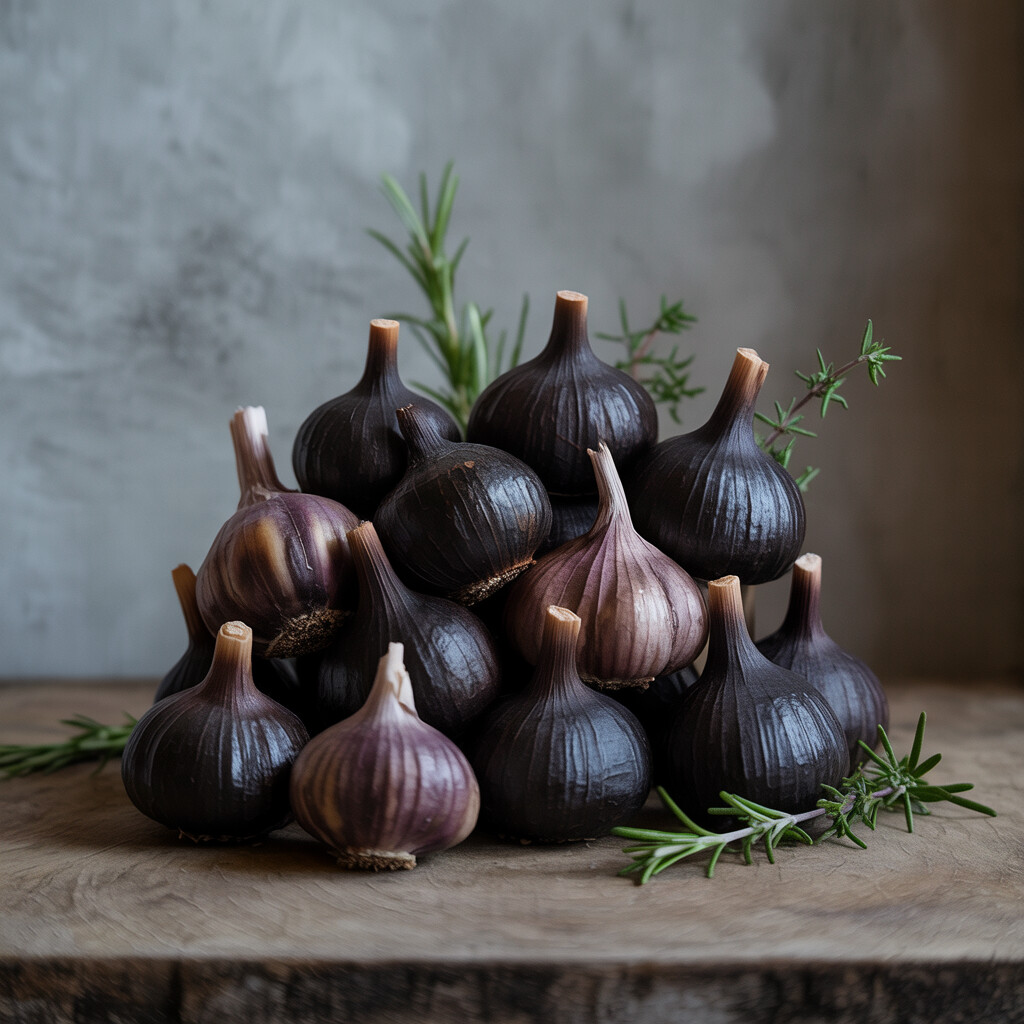
The first time I made black garlic at home, I admit I did a happy dance every time I passed the rice cooker. The process is gentle and patient—a tiny act of kitchen magic. The good news is you need only one tool (hello, rice cooker), cleverly reimagined for the challenge. Here’s how to do it.
Black Garlic Home Process: Step-by-Step Guide
First, select your freshest, fattest bulbs. The more plump, the better the result. Copy this easy routine: Wipe off dirt, but don’t wet the bulbs. Remove any loose papery skins, but keep the main wrapper on each clove. Place the clean, dry bulbs in the rice cooker. If you have a wire rack or a steamer insert to lift them off the hot bottom, bonus points for you.
With everything set, close the lid, and keep the rice cooker on its “Keep Warm” setting. Never use the “Cook” function; that would only bake and burn, not age or caramelize. Almost all rice cookers hover around 140 to 170°F in this mode: your sweet spot.
Let them be. That’s it! It might sound strange, but you want a full three weeks (sometimes a colorful month) to cook the garlic fully. Do not, I repeat, do not crack the lid. Every time you peek, dreaded bitter notes creep in. The garlic transforms best when kept sealed—just check for moisture on the lid every week or so and wipe away any drips.
You will smell it. The kitchen, if we’re honest, gets quite “aromatic” at week two. That’s okay. Let curiosity keep you from opening the rice cooker before time. Check one bulb for ripeness after three weeks: The best black garlic feels sticky-chewy when cool. If it’s slightly dry, let it cook another three to seven days.
Here’s a quick peek at the key steps:
Some people like to gently wrap each bulb in parchment (not foil) or pop a cup of water in the cooker to keep things moist. As someone who tested both ways, each batch turns out distinct in fragrance and moisture, but less is more once you get comfortable. Save the parchment, keep things simple.
Now you’re tuned up and ready to impress friends who’ve never tasted “umami-in-a-pearl.” When I add Black Garlic In Soups or fold into cream sauce pastas, the earthy, sweet notes win raves every time. Trust me, people talk about your food for weeks after that.
Up next: how to make your technique flawless every time you batch. Black garlic changes everything, especially the flavor bang when you stir a dollop into broths and soups!
Tips for Perfecting Your Black Garlic Process
Patience really is the secret sauce of making black garlic at home. If you leave home and get anxious or wonder if you should peek, I speak from experience: Wait it out! Your garlic needs steady heat and humidity for the enzymes and sugars to transform. Don’t crank up the temperature or lift the lid unless it’s time to check for progress, or you may wind up with dry, burnt cloves instead of the jet-black perfection you want in your kitchen.
Black Garlic Production Tips: Nail the Color, Texture, and Aroma
Start with firm, fresh heads of garlic that aren’t bruised or mushy. Remove excess papery skin, but leave the bulb intact. This helps keep the cloves moist. Maintain a cozy, steady temperature of about 140 to 170 degrees Fahrenheit. (I always stick a reliable thermometer through a small vent hole to double check.) Given enough time, you’ll get cloves that look and feel velvety soft, almost like a steamed prune, and smell whimsically like balsamic vinegar and caramel.
Use a rice cooker with a “Keep Warm” setting to hold the right temperature for three or four weeks. Whatever device you use, resist urge to keep sniffing or lifting the lid, since temperature swings or too much air can spoil the careful aging process. Place your device in a place with good air flow, and open a window if the tang of black garlic takes over. Wipe condensation off the glass if you see it, since water droplets could spell disaster for your batch.
Once the cloves turn dark and sticky and smell deep and savory, they’re ready. Pull them all out and cool to room temperature. If some cloves are firmer or less black than others, pop them back in for a few more days until the transformation is complete. This patience pays off when you want to toss some Black Garlic in soups for that major umami boost.
A couple of bonus tips from my own kitchen adventures: Wrap your garlic heads in foil before aging to keep them moist and to avoid overcooking the outer cloves. Store your finished gems in the fridge, in an airtight tub, to make them last as long as possible. The flavor will mellow even more over time.
By perfecting black garlic, you can slice or mash these magical cloves directly into French onion soup, classic beef stew, or mushroom broth without spending extra at a specialty grocer. Get creative! Splash some soy sauce or a little grated ginger into the mix and you’re set. You’ll soon find Black Garlic in soups and sauces to be the dark horse winner of kitchen flavor boosters.
Storing and Preserving Your Homemade Black Garlic
It’s a great moment when you can pull out your very own stash of homemade black garlic to add real personality to a dish. With proper care, black garlic can last for months while holding onto that deep, mellow flavor. It would be a shame to lose those precious bulbs you tended for weeks due to a simple storage mistake, so I’m sharing the simple steps I follow at home.
First off, let the bulbs cool to room temperature before you even think about storage. Warm garlic can create humidity, and you definitely don’t want moisture sneaking in to encourage mold. After cooling, brush off the paper skins and place the cloves in a container with a tight-fitting lid or in a zippered freezer bag with the air squeezed out.
How to Store Your Aged Garlic for Flavorful Results
Leave the refrigerator out of this for now, especially if you plan to use your black garlic within a week. The vegetable crisper or the pantry—cool, dark, and dry places—are all safe bets for bulbs. A mason jar tucked away in the pantry is my usual trick. This simple approach keeps cloves soft and sticky for weeks, even months, and I can’t resist the anticipation every time I crack open the jar.
For longer storage, pop your black garlic into the freezer once the cure is complete. The intense sugars mean bulbs won’t freeze solid, so you can pull individual cloves out as you need them. A freezer bag will work; press out as much air as you can to avoid freezer burn.
Mold is the enemy; humidity and sunlight are its friends. Treat your bulbs with care, resist washing them, and only use utensils or bags that are clean and dry. A wipe with a dry kitchen towel is all you need to keep skins clean before storing.
Once tidy and stored, dig in whenever the mood strikes. Honestly, nothing hits quite like Black Garlic In Soups during a chilly afternoon. The soft, cola-colored cloves dissolve beautifully when stirred into dishes, giving depth and personality to stews, broths, and marinades. Thanks to thoughtful storage, you’ll transform even leftovers into the star attraction. When that jar’s running low, just start another batch. Quality black garlic doesn’t come easy in stores, but your own kitchen can soon become your main supplier.
Incorporating Black Garlic into Soups for Enhanced Flavor
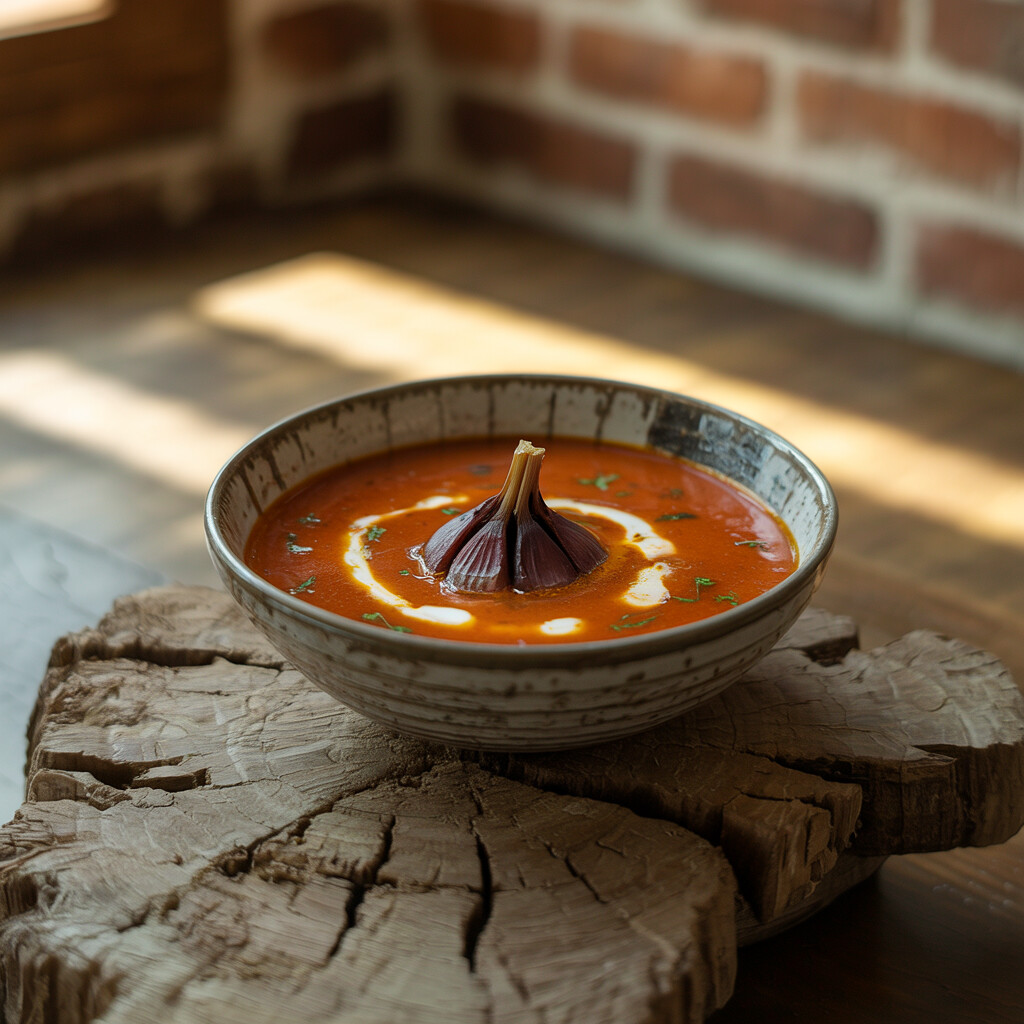
A great soup starts with great flavor. Black garlic can be your kitchen wild card, turning everyday recipes into something rich and extra special. Its earthy sweetness, bits of gentle tang, and mellow umami add layers that regular garlic just can’t touch. If quality black garlic is tough to come by in your area, making your own puts layered flavor at your fingertips, ready for your next pot of soup.
Easy Ways to Add Black Garlic to Your Next Bowl
You can stir black garlic cloves into soup recipes just like you would roasted garlic, but thanks to its softer texture and deep flavor, it works beautifully all on its own. Smash a few cloves into a paste and dissolve it into your stock along with soup basics like onions, carrots, and celery. Or, swirl a spoonful of chopped black garlic into the pot near the end of cooking to help its richness shine.
What about blending? Black garlic mixes into smooth creamy soups without overpowering. In a blended squash soup, a few cloves add sweetness and undertones that lift mild squash or pumpkin flavors. If you’re partial to Asian-style broths, think ramen or noodle bowls, then adding black garlic gives a full-bodied kick without the standard bite of raw or fried garlic.
The real trick to using Black Garlic In Soups is not to overdo it. Think balance: a little goes a long way. If you’re not sure, taste as you go after adding your first clove. Depending on your recipe and your taste buds, you might call it perfect or stirred in a few more, warming your hands on the spoon each time.
And if you’re looking to wow someone coming home after a wet soccer practice or a long day at the office, try swirling a touch of black garlic paste into chicken soup or rich potato chowder. Your kitchen will be aromatic and your taste buds doubly rewarded. With homemade Black Garlic In Soups, you’ll never look at leftovers the same way again.
For more ways to show off in the kitchen, find extra tricked-out Black Garlic Soup Recipes and Tips here the next time you feel like exploring.
Delicious Black Garlic Soup Recipes to Try
Maybe you’re hunting for a special boost to your next soup, or maybe you just made a batch of this gorgeous homemade ingredient, and now you’re lost in a sea of ideas. I’ve been there too. Lucky for us, Black garlic is the flavor superstar you never knew your soup needed. Since it’s sometimes hard to find good black garlic at regular stores, making it at home means you can dive in any time, especially when recipes call for more than a clove or two.
Trying Black Garlic When You Make Hearty, Warming Soup Recipes
For first-timers, keep it simple: Take your lens up close to basic chicken, lentil, or tomato soup. Drop in some black garlic; you’ll taste that sweet funk with less effort than a trip to the specialty market. You can add whole cloves at first for a pop of flavor here and there, or smush them in with a fork for an even bigger, more all-over effect.
Classic veggie soup gets richer if you mince black garlic and stir it into your combo of onions, carrots, and celery right as they finish sautéing. Creamy or not, potato soup is a must-try. Drop a small handful of black garlic into the pot as you simmer. When you blend, it melts right in. Don’t forget the garnishes. I’ve found people flip for dishes when they get bites of topped sour cream with black garlic paste or a swirl of infused olive oil to slurp alongside crusty bread.
Know your audience. People who love French onion soup get pretty excited if you add black garlic to the onions as they cook down and again into the cheesy, golden croutons. For Asian recipes, toss black garlic into miso broth or pork ramen, but remember—it gets bold quick, so be sure to taste as you go.
Ready for a happy dance? You can see more Black Garlic Soup Recipes, get inspired, and adapt them with what you’ve got. I’m still discovering how much dramatic flavor black garlic soups can serve up. Working these “oddball” ingredients like a pro at home? Now that makes me feel like a genius in the kitchen.
Using Black Garlic in Stews: Techniques and Tips
Want to give your stew some soul and turn it into a next-level comfort food? Add black garlic. Seriously, this tiny ingredient does big things. I know some folks struggle to find good black garlic at the store, but once you start making it at home and tossing it into stews, you’ll wonder how you ever cooked without it.
Tips for Enhancing Stews with Gourmet Black Garlic
Swapping regular garlic for homemade black garlic takes any basic stew or slow-cooked dish into surprising territory. Start by smashing a few cloves to release their rich, sweet flavor, then stir them right into the stew as it simmers. The trick is to taste as you go. Black garlic’s flavor deepens over time, so add a little, sample, then drop in more if the stew asks for it.
You might also try making a quick paste by mixing mashed black garlic with olive oil and a pinch of salt. This makes for a super-savory stir-in. Slather it onto seared meat or root veggies before you tip them into the pot to start layering flavors before your broth ever hits the mix.
Here is a favorite part: stew isn’t precious. It loves when you use up odds and ends. Toss black garlic in with whatever leftover root vegetables you have. Let it mingle with hearty grains. The depth it brings matches well with almost anything, but I find beef, lamb, and mushrooms get especially cozy around its umami glow. Black garlic also blends beautifully in vegetarian stews, making lentils or chickpeas something special.
Remember, If a supper starts with Black Garlic In Soups or a simmering stew scented by those sweet, earthy notes, you probably will not miss your old store-bought bulbs. Feel free to experiment. If a dish’s stock or broth tastes thin, toss in a mashed clove or two and see what a difference it makes. That is where the fun—and the flavor—happen.
Preparing Black Garlic Broth: A Flavorful Base for Various Dishes
The secret to a soup that clings to your memory can often be found in the broth. Black garlic, with its mellow sweetness and dark flavor threads, makes an incredible base. Preparing a black garlic broth at home can really change how you approach soup-making. Not only does it set a killer foundation for “Black Garlic In Soups,” but it’s also so tasty you’ll want to sip it straight from a mug. If you have struggled to source great black garlic products, try making a broth right at home. Let’s wander into the world of this sweet, earthy liquid gold.
How to Prep and Use Black Garlic Broth
You don’t need a culinary degree or fancy pots here. Start with a bunch of black garlic bulbs. Peel the cloves, then mash or slice them to let the pent-up sugars escape. Their aroma is riddled with raisin and molasses, almost like a balsamic drizzle as they hit your cutting board. Next, pull out a heavy-bottomed pot and sauté aromatics. Sliced onions, a hint of ginger, and a celery stalk work well. Add a handful of mashed black garlic to the pot and bloom them in the warmth. This early caramelization layer gives the broth a kicked-up backbone.
Pour in water or, for extra flavor, homemade chicken or vegetable stock. You want to simmer it all together as slowly as your patience allows. An hour is the bare minimum, but more time means more depth. Strain it off when your sense of curiosity peaks, then taste to see how the flavor shapes up. A dash of salt, maybe a swirl of soy sauce, and suddenly your black garlic broth comes alive. The base is now perfect for ramen, stew, grains, or any “Black Garlic In Soups” creation.
When you keep a couple of jars of this broth stashed away in your fridge or freezer, last-minute magic becomes a reality. Splash it into a lazy weeknight soup, or use it for simmering vegetables. The fragrance alone hints you’ve spent hours in the kitchen, even if you started thirty minutes ago. Sometimes, I even use it as a brisk base for steamed mussels. It’s jazzier and more inviting than plain broth by a mile.
If you like experimenting with flavor, try adding mushrooms, a lemon peel, a piece of kombu, or even star anise for new personalities in your broth. When friends ask about the secret, let them in slowly—it’s all thanks to black garlic.
Conclusion
Homemade black garlic isn’t just a delicious experiment: it’s also your answer to the challenge of limited access to this amazing ingredient wherever you live. With a few simple steps, you can create your own black garlic and take advantage of all you’ve learned about storing and keeping it fresh. By mastering the fine points of incorporating black garlic in soups, your kitchen suddenly feels bigger and your menu feels endless.
No matter if you are hoping to jazz up a stew or bring a new depth of flavor to broths, your homemade black garlic will take your next meal up a notch. Black garlic gives everyone—beginners and experts alike—space to experiment and rethink what’s possible. So pick a favorite soup to try and go for it, confident in what you have learned.
FAQ
What is black garlic, and how does it taste in soups?
Black garlic is regular garlic that has been aged in a slow, warm, and humid process. You end up with completely black garlic cloves that taste sweet, earthy, and surprisingly mild. Unlike raw white garlic, which hits you right away, black garlic feels gentle on your taste buds. When you use black garlic in soups, you get a mellow depth that is a bit mysterious. It tastes less sharp and gives your broth a rounder, umami-rich finish. Try tossing a few black garlic cloves into your chicken soup next time. A friend of mine did this for the first time during the holiday season, and even her picky cousin went back for seconds.
How can I make black garlic at home with basic equipment?
You can turn regular garlic into black garlic in your own kitchen with patience and a trusty slow cooker or rice cooker. First, place whole unpeeled garlic bulbs in your slow cooker. Plug it in and leave them on the “keep warm” setting. Avoid opening the lid unless necessary. Let the bulbs slowly transform just as you would let bread dough proof over several days. In a few weeks, you will have sticky, sweet black garlic ready to add to soups. I tried it using a small rice cooker tucked away in the basement, and the aroma let me know when it was ready for soup.
How should I prepare black garlic before adding it to soup?
Using black garlic in soups is easy, but you should prep it correctly for full flavor. Start by peeling the black garlic cloves from the bulb and slicing or mashing them. If you use black garlic as a flavor base, sauté it with onions before you add the broth, just as you would with regular garlic. This wakes up all the sweet flavors and infuses your soup with goodness. I like to dice black garlic and swirl it in at the end for a punchy, glossy finish you can actually see at the surface.
Can black garlic be used in vegetarian or vegan soups?
Black garlic in soups is an awesome choice for anyone pursuing a vegetarian or vegan lifestyle. You can use it to boost the flavor of sometimes bland vegetarian broths, mushroom soups, or plant-based stews. Its naturally sweet and umami notes bring layers of depth without using any animal products. Dust off your lentil soup recipe and toss in a few mashed bulbs of black garlic. Add extra leafy greens and call it dinner for the ages. My cousin even tried it in her vegan miso ramen, and no one missed the chicken.
Are there health benefits to including black garlic in soups?
Black garlic still contains some of the healthy compounds you find in raw garlic—such as antioxidants—but it is easier to digest in soups. You will stretch the benefits even further because the garlic is cooked. If you have a sensitive stomach, you may find that Black Garlic In Soups is much easier on your digestion than regular raw garlic. As someone who gets heartburn from traditional garlic, I give this method two thumbs-up. Add it to soups when you crave garlic flavor without any worry about strong aftereffects.
How much black garlic should I use in soup recipes?
Black Garlic In Soups packs more complexity but less harshness than regular garlic, so you can go a little heavier. Most recipes take about three to eight peeled black garlic cloves for a whole pot of soup. For stronger flavor, mash or cube up to one whole head of black garlic and taste as you go. Some days, when I am feeling luxurious, I pop a few whole black garlic cloves into my bone broth to see how the magic unfolds. You will know you have used just the right amount when your soup turns dark and smells like caramelized onions.
How could I store extra black garlic after preparing it at home?
Store extra black garlic after making it at home in the refrigerator for up to three months. I keep mine in a glass container with a tight-fitting lid to prevent the kitchen from smelling like an umami bakery. Extra black garlic brings your next batch of soup to another level. In cooler months, I always have a stash ready for grippe season. You can push more mashed black garlic into your chicken soup, freeze the leftovers as broth cubes, and always have your soup game ready for upgrade.