

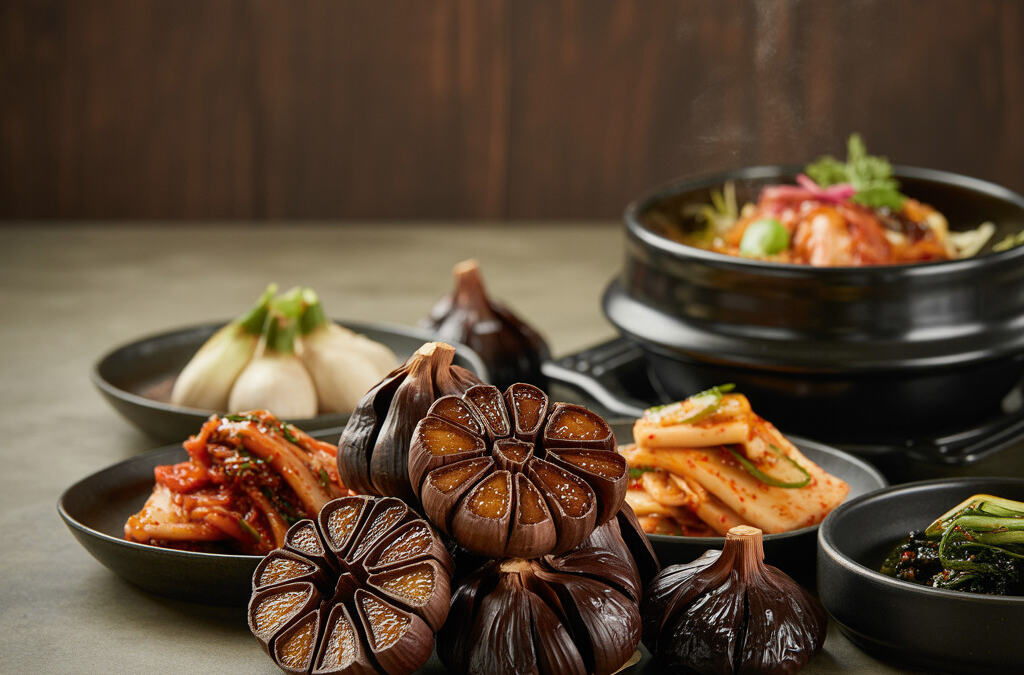
Black Garlic In Asian Cuisine: A Flavorful Journey
Black Garlic in Asian Cuisine is a rebel in the kitchen, flipping tradition on its head with its sweet depth and wild, earthy finish. Who would have guessed that a few humble garlic bulbs left to caramelize could come out tasting like a tangy balsamic mash-up? Last weekend I tried making black garlic at home for the first time, and my kitchen smelled like a cross between a clean campfire and fresh figs. Your house gets all warm and toasty while garlic goes from punchy to pure umami magic. It seems like more people than ever are catching on, too. Some estimates say the demand for black garlic in the United States market could soon triple in a single year. Home cooks and pros want the flavor that black garlic brings. Next stop: your kitchen.
If you geek out about flavor, you’ll love this beginner’s guide. You’ll see how Black Garlic in Asian Cuisine can shine in Japanese, Thai, and especially Korean favorites. By the way, there’s no need to go hunting product aisles: this guide will show you exactly How To Make Black Garlic At Home. You’ve never tasted garlic like this. Ready to dive in?
Understanding Black Garlic: A Culinary Treasure in Asian Cuisine
Black garlic looks mysterious sitting on the counter, with a texture like licorice and a flavor that reminds me of balsamic vinegar and roasted garlic. This humble ingredient isn’t actually a different variety of garlic; it is all about patience and a little bit of science. When ordinary garlic bulbs are carefully warmed for several weeks, the sharp bite softens and transforms into a sweet, earthy taste. I swear it sometimes even brings hints of tamarind, fig, or molasses, depending on how long it is aged.
Why Black Garlic Is a Rising Star in Asian Flavors
You might not see black garlic on every grocery store shelf yet, but step into the kitchens of modern Korean, Japanese, or Thai cooks, and you will notice it pops up all over the place. While white garlic gives a dish energy and heat, black garlic slides into each bite with a quiet richness. This makes it a big hit across Asia, where cooks seek to balance salt, heat, acidity, and sweetness.
It is easy to get frustrated when a recipe calls for black garlic and all you have nearby are plain white cloves or maybe, if you are lucky, a wrinkled bulb you bought last year at a specialty market. But that is what makes learning to make your own so rewarding. While patience is a must, the payoff is pure gold. Black Garlic In Asian Cuisine has become a way to reveal layers of taste in old favorites without overpowering new ones. If you use just a couple cloves smashed into a dipping sauce or whisked into a vinaigrette, the flavor glides right onto your tongue.
Because it combines sweetness, salt, and umami, black garlic brings subtle harmonies to staples like ramen, Thai noodle dishes, Korean galbi, or elegant fusions both at home and in restaurants. Chefs lean into black garlic for its culinary “bridge” qualities; it smooths sharp notes, pairs with spicy chilies as easily as buttery chicken, and becomes a gentle centerpiece instead of a background player. So if you have ever eaten something that made you swoon and wondered what that secret depth of flavor was, it is often black garlic doing its work behind the scenes. In this guide I will help you make and use it in all your favorite dishes, so you can see for yourself why it is called a hidden treasure of Asian taste. If you are also curious about how black differs from regular, here is some info on those key differences in flavor and nutrition.
The Science Behind Black Garlic: How the Maillard Reaction Transforms Flavor
It feels a bit magical how simple garlic cloves, given time, heat, and a little patience, can turn into soft black nuggets packed with sweet, mellow, almost smoky flavor. The secret behind Black Garlic In Asian Cuisine is less about spells, more about science. Enter the Maillard reaction: the unsung hero that transforms sharp, raw garlic into that inky, umami-rich superstar. If you’ve ever baked cookies or toasted bread and watched them change color and flavor, congratulations, you’re already a fan of this chemistry trick.
Flavor Chemistry: How the Maillard Reaction Makes Black Garlic
In plain terms, the Maillard reaction is what happens when amino acids (those are the building blocks of proteins, so you can thank biology class for those fun words) and sugars party it up under the right temperature combo. If you slow-cook whole garlic bulbs for days or weeks at low heat, they never burn, yet something inside them shifts. It isn’t quite roasting, boiling, or fermenting; it’s more like pure patience.
The end result? Those sharp, pungent flavors soften into deep sweetness—think hints of balsamic vinegar, molasses or prunes—layered with savory undertones. This is the heart and, dare I say, soul of black garlic. Black Garlic In Asian Cuisine gets its captivating depth because of the Maillard reaction, and it’s what makes home cooks in the United States so hooked once they taste a sliver. Imagine adding a dollop to a vinaigrette or blending it into mashed potatoes; suddenly, lunch tells a much better story.
For folks battling to find good quality black garlic at their local store, understanding the science is heartening. It reminds us the flavors are there someplace in those raw cloves—just waiting for a little home kitchen chemistry to be unlocked.
If you want to nerd out further on why those sugars caramelize instead of going funky the way a gassy cheese would, it’s about keeping everything dry-ish and just warm enough to encourage flavor substrates to shuffle. Don’t feel intimidated—science in this case is gentle, slow, and approachable. Once you know about this magical Maillard reaction, making black garlic at home for cusine like Black Garlic In Asian Cuisine starts to sound doable, delicious, and maybe—just maybe—a bit like having a superpower for your spice rack.
Step-by-Step Guide: Crafting Black Garlic at Home
You don’t need a fancy chef’s diploma or a specialty grocer nearby to unlock the magic of black garlic. For home cooks in the U.S., it can feel impossible to score a regular supply of top-tier bulbs locally. Fortunately, you can create small-batch black garlic at home and turn any humble clove into a true umami flavor booster. Bonus, it is easier than you think.
Throw out any dreams of high-effort fermentation or chemical treatments. Stunning Black Garlic In Asian Cuisine is about patience and warmth and more like slow-roasting than distilling. The hard work goes not into your arms but your rice cooker or a dedicated garlic greenhouse (ok, the old slow cooker at the back of your cabinet). Let’s test out the kitchen science step by step.
How to Make Top-Quality Black Garlic for Asian Cooking
First, rustle up a handful of plump fresh garlic bulbs. Bring them to room temperature and gently brush away surface dirt. Do not wash them. Peel off the very outer layer, but leave each bulb wrapped tight in its own papery skin.
Place the bulbs in a single layer on a rack inside your rice cooker or slow cooker. I have even used my oven on a keep-warm setting in an “off” house. Set the temperature between 140 and 170 degrees Fahrenheit. Never cook too hot or you will get bitter, dry, or burned bulbs; low and slow is the sole style here.
Tuck those bulbs in for a long rest—think two to three weeks. Yes, weeks, not hours. Most of that is hands-off. Set it and forget it. Try to wait two to three weeks before peeking! Gently check each bulb as you near the end of cooking: the cloves should look garnet-black and feel pillow-soft inside tough skins. If unsure, go ahead and taste-test one to see how the Maillard reaction—rather than fermentation—has deepened traditional garlicky flavor. Jettison scorched or moldy bulbs but generally, let your nose and eyes guide you. Once you have your haul, let them rest and return to room temp for another day or two to totally mellow.
For an easy reference, here is a simple guide to crafting black garlic at home.
Is it worth the patience? Oh, yes. Once you have homemade cloves, you possess the savory backbone found on every sushi counter, noodle joint, and five-star ramen shop. There’s no need to covet those celebrity chef jars with three-figure price tags now that you know the secret to Black Garlic In Asian Cuisine, including your favorite barbecue, Korean, and Thai recipes. One solitary weeknight with homemade black garlic and you will never look back.
Black Garlic in Korean Dishes: Elevating Traditional Flavors
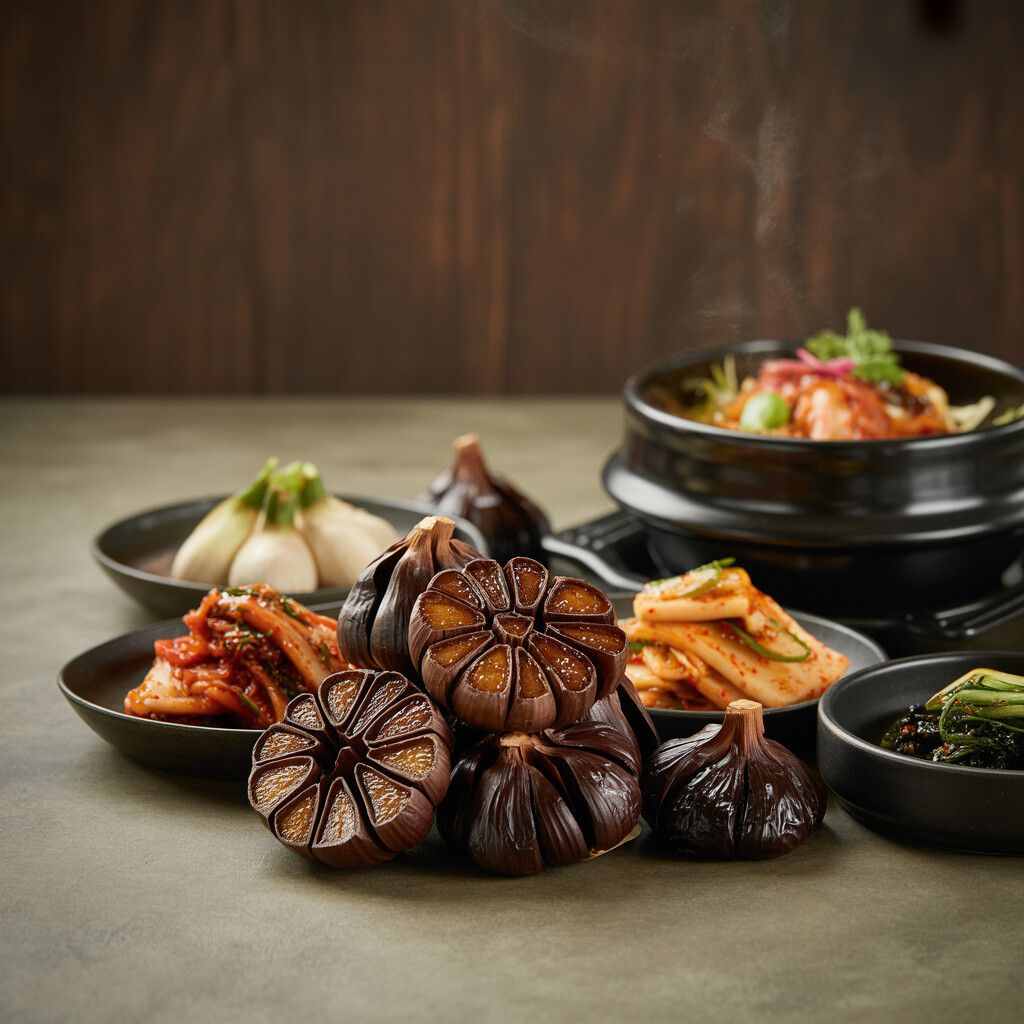
Korean cooking is famous for bold flavors, comfort food classics, and healthy meals with deep roots in tradition. Black garlic in Korean dishes brings something special to the table. The velvety taste, somewhere between earthy and tangy, pairs well with everything from meaty stews to light, seasoned sides. If kimchi gets most of the party invites, black garlic is its smooth-talking friend who charms the whole room.
Since black garlic used to be hard for me to track down at my grocery store, I started making my own batch at home. It was one of those “why did I wait so long” moments, because I could taste the difference right away. My go-to quick lunch now involves stirring black garlic paste into rice and dobing it with ribbons of roasted seaweed. When added to bulgogi marinades or ssamjang (the famous sweet-and-spicy table sauce for grilled meats), black garlic melts in and brings a caramel touch that makes me stop and just chew for an extra second.
Get Creative With Black Garlic in Korean-Inspired Recipes
Marinating: Crushed black garlic in your barbecue marinade adds depth to bulgogi or spicy pork, softening the sharper notes of traditional garlic. Soups and stews: It thickens and sweetens broths for galbitang (short rib soup) or kimchi jjigae. Swirl in at the end just before serving. Kimchi: Mixing black garlic puree into the gochugaru paste creates layered flavors and a darker, richer-looking batch come winter.
Black Garlic In Asian Cuisine is all about feeling free to riff and play. Storebought cloves are sometimes drier or less fragrant, but homemade black garlic—tender, sticky, and lush—shows off in these robust dishes. Wherever you spot soy sauce, gochujang, or traditional roasted garlic in a recipe, black garlic is an easy swap or bonus. Invite it to sit just off-center, like a harmony in your favorite K-pop ballad, and watch the flavors open wide.
If you have not already experimented with this ingredient, remember that black garlic is a sweet and savory flavor bomb. Just one or two cloves bring old favorites new life. Black garlic in Korean cooking is nostalgia, the umami dialed up, and proof that some flavors only get better with time.
Incorporating Black Garlic into Japanese Cooking: A Fusion of Taste
Black garlic has carved out a spot in Japanese kitchens, adding intrigue and a bit of whispery drama to dishes. When I first tried it in ramen, I thought, “Okay, this is the flavor bomb I’ve been missing.” While it’s not always easy to find top-quality black garlic in stores, the good news is that if you’ve mastered making your own, you have the power to play with Japanese flavors at home any time you crave them.
Let’s be honest: Japanese cooking is not all about raw fish or deep-fried tempura. Black garlic in Asian cuisine, especially the Japanese style, brings plenty of options. A spoonful of black garlic puree melted into a bowl of miso soup delivers a mellow, rounded depth that feels like a culinary hug. Slice it into rounds and lay it atop sushi or inside a roll, and even ordinary tamago (egg) sushi gets a major upgrade. I’ve served friends homemade onigiri (rice balls) rolled around black garlic and a hint of smoked salt – they vanished in minutes.
Infusing Japanese Recipes with the Boldness of Black Garlic
Don’t let shoyu ramen be your only canvas. Try whisking together softened black garlic with soy sauce, rice vinegar, and a drop of sesame oil. This becomes a silky dressing for chilled soba noodles. You can rub hunks of black garlic between your fingers and drop them into Japanese curry for sweetness that doesn’t overpower, but creates extra umami. If you adore gyoza, blend finely chopped black garlic into your pork or vegetable mix and see how the humble dumpling impresses.
Japanese home cooks sometimes use black garlic oil, slow-drip fried over gentle heat, to swirl into soups or to brush on roasted Japanese eggplant. This infusion takes veggie dishes to another world. Even dishes that seem modest – seared tofu with light dipping sauce, poached fish, steamed greens – spark to life with a dash of black garlic.
These ideas show that black garlic in Asian cuisine, like the Japanese tradition, is only limited by your curiosity. Mix it up with classic flavors: soy sauce, miso, green onion, shiso, wasabi, daikon. Before you know it, black garlic will become a staple in your Japanese-inspired meals right alongside white rice and miso paste. You’ll never look at your homemade black garlic as a specialty item again: now it’s just scenery for your kitchen adventures.
Exploring Black Garlic in Thai Recipes: Adding Depth to Spicy Delights
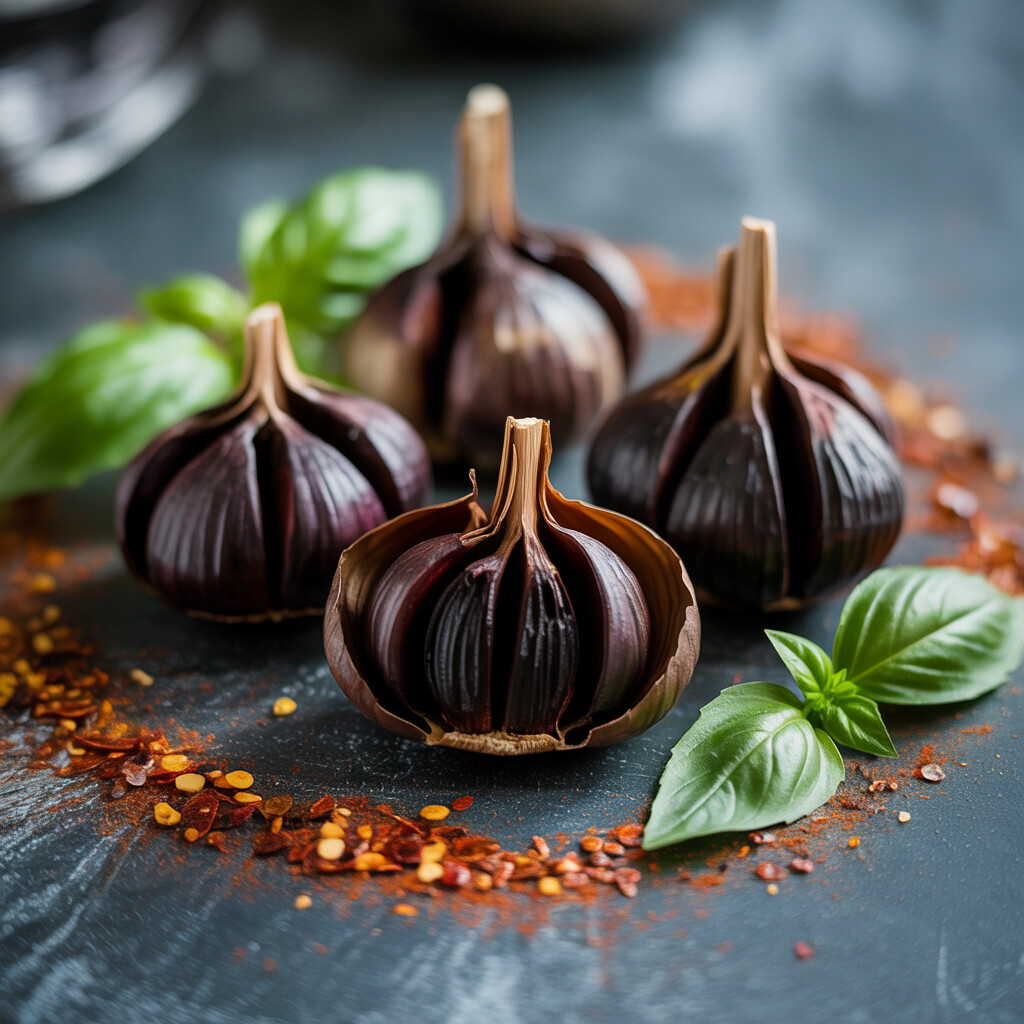
Adding black garlic to Thai cuisine brings a mellow, complex layer to the heat and brightness found in many of its spicy delights. If you are used to thinking of Thai food as all about chilies and fish sauce, get ready for a flavor journey. Black garlic’s sweet and savory mix supersedes the sharp bite of raw garlic. Instead of the ordinary garlic punch, you unlock a world that smells almost like balsamic vinegar or dried fruit—rolling through layers of earthiness and umami.
Black Garlic in Asian Cuisine started showing up menu after menu ago, but home cooks sometimes struggle to get their hands on quality bulbs. Maybe the store’s out, or maybe the price brings a tear to one eye. Fear not. Homemade black garlic is within reach, and it fits snugly into Thai food’s iconic dishes.
Cooking With Black Garlic: Practical Tips for Thai Meals
The best way to use black garlic in Thai recipes is to swap it in where regular garlic would take center stage. Fold it into your pad thai for rounded, earthy undertones. Toss minced black garlic with fish sauce, lime, and Thai chile for a dipping sauce that balances deep umami with tang and spice. I like to gently mash a few peeled cloves into a green papaya or mango salad. The result: each bite brings more layers.
Ever made tom yum soup? A spoonful of black garlic paste will make its broth richer, without losing the sharp, refreshing edge lemongrass gives. For grilled meats and seafood, whip up a quick marinade with black garlic, palm sugar, soy or fish sauce, and a little fresh ginger. Let it soak in and caramelize on the hot pan or grill.
Black Garlic In Asian Cuisine, especially in Thailand’s dynamic food scape, lives at that crossroads of spicy, sour, and sweet. It is no longer a flavor that belongs just in hip Asian-fusion restaurants or imported jars. You can make sweet, funky dressings for cucumber or glass-noodle salads, spoon it over sticky jasmine rice, or stir it into peanut-y satay sauces.
The truth is, there are as many ways to play with black garlic as there are types of curry in Thailand. If you need more inspirations for how to bridge connections between Black Garlic In Asian Cuisine and your favorite kitchen staples, you are not alone. Black garlic salad dressings and sauces can turn any simple vegetable, noodle, or meat dish into a stunner.
With just a few cloves of your own black garlic, your spicy red curry or sweet Thai basil chicken takes on surprising new depth. It is so mellow you can eat it straight from the fridge, but it likes to bloom in sauces and stir fries, too.
Storing and Using Homemade Black Garlic: Tips for Maximum Enjoyment
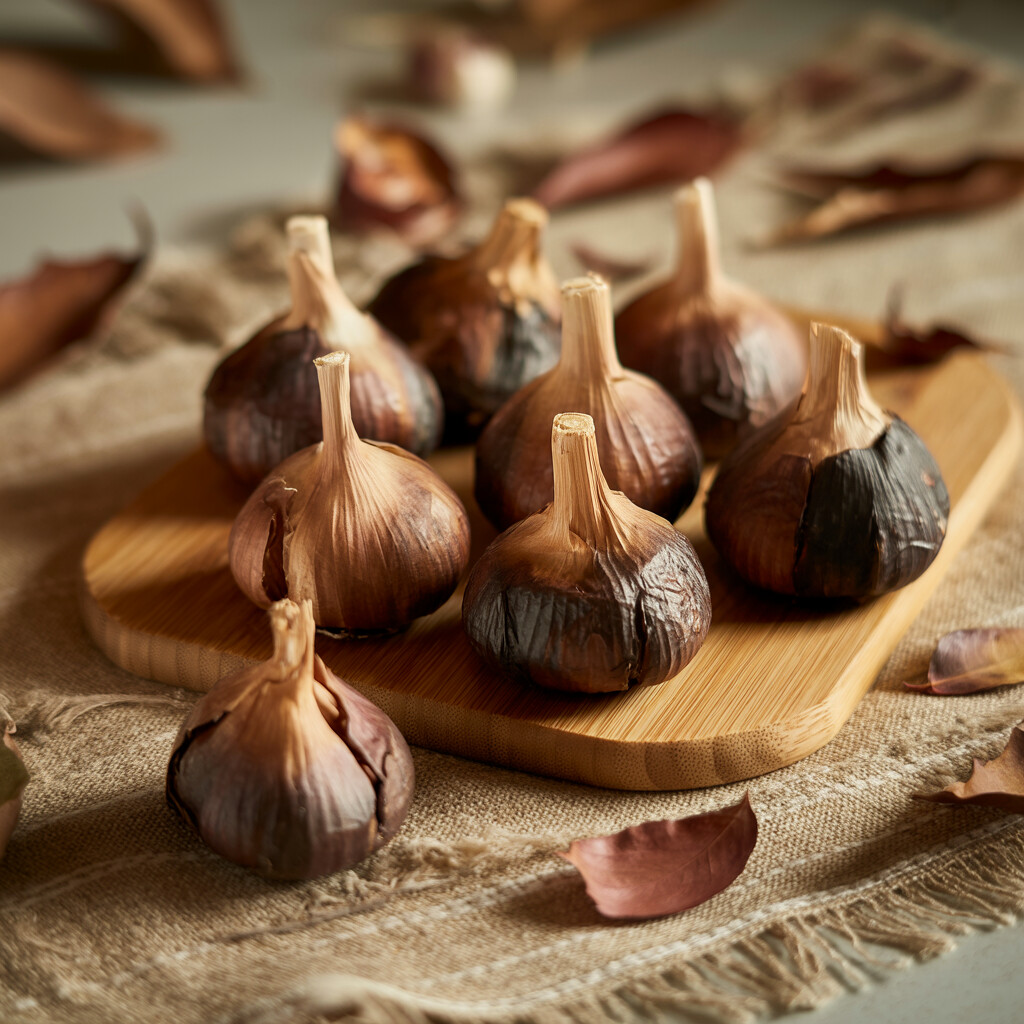
Your kitchen is glowing with the scent of freshly caramelized black garlic. Now, you may wonder: how do I keep this treasure tasting perfect and lasting longer? Proper storage is the key. This magical ingredient shines in Black Garlic In Asian Cuisine, including everything from fusion bites to my favorite warm dressings and zingy soups. To get the most out of it, your black garlic deserves a little special care right from the start.
Keeping Black Garlic Fresh
First, let’s focus on storage basics. After the garlic has completed its aging dance, let it cool to room temperature. I like lining a glass jar with a paper towel to help catch any extra moisture. Once it is room temperature, stick your cloves inside the jar or an airtight food-storage container. If you keep the favorite from Black Garlic In Asian Cuisine in the fridge, it will stay fresh for three months, but it never seems to last that long in my house. Leave it out at room temperature and you get three to four weeks of delicious, sticky, mellow richness that pairs perfectly with savory meats, grilled mushrooms, or even a pat of butter on a warm roll.
You can also freeze black garlic for a longer haul: think six months, easy. Just put some cloves, tightly sealed, in a freezer bag or freezer-proof glass jar; thaw as needed. At our place, this is a backup plan for garlic from a huge batch, or if I find myself going through a no-cooking phase (hey, it happens to the best of us).
Using Every Bit of Black Garlic
Once you’ve stored your black garlic, what’s next? This ingredient goes far beyond plain snacking (although nothing lifts my mood like a little nibble after a tough morning). Thanks to its melting richness, you’ll find black garlic in Asian cuisine as a sauce base, marinade helper, or the smoothest, most secret spice boost ever. Drop a whole clove on soup or sushi rice, purée some with oil for sweet balsamic dressings, or thin-slice it for salads or toast. Black garlic is magic, no matter how you serve it.
When it comes to flavor, explore beyond the basics. Black garlic practically invented umami, especially in Japanese and Korean classics. Take your leftover garlic and whip it into buttery spreads, finishing sauces, pile it over a steak, or toss a handful into a stir-fry meal. I even slip a few cloves into weeknight pastas or top pizzas with smoked black garlic for an Asian-inspired spin.
Not sure how to balance flavors? Try pairing black garlic with sharp cheeses, grassy greens, roasted veggies, brown rice, fresh ginger, or chili sauces. Start small, taste as you go—soon you’ll be coming up with your own Asian fusion flavor bomb every time you open the fridge.
For more tips on how to keep your homemade black garlic fresh, or inspiration for how to fold it into unforgettable dressings or brothy soups, you’ll find plenty more to savor. Mouthwatering Asian inspiration is only a few clicks away.
Conclusion
You’ve unlocked the secrets of Black Garlic In Asian Cuisine by learning how the Maillard reaction brings out its sweet, umami-rich flavor. Even if tracking down high-quality black garlic feels like a wild goose chase, you now have the skills to make it right in your own kitchen. It can take a little patience, but the homemade payoff is so worth it.
With each savory bite you work into Korean bbq dishes, Japanese noodles, or spicy Thai curries, you help flavor the future. Keep exploring new ways to use it, and share what you create with someone you love. The world of Black Garlic In Asian Cuisine has room for every curious cook, so go ahead: turn your next meal into a small adventure.
FAQ
How does black garlic add value to Asian cuisine?
Black garlic elevates Asian dishes by bringing a deep, sweet, umami flavor, completely changing a recipe with just one clove. When you add black garlic to Asian cuisine, you get more than just a faint garlic taste; you boost each bite with mellow richness that you will not find in regular garlic. For example, tossing a few chopped black garlic cloves into a sizzling stir-fry gives the sauce a savory touch, almost like a pinch of molasses or dark fruit. Your family might start sniffing the air for something special before they even guess the secret. It complements many distinctive dishes throughout Asia, and having black garlic in your pantry makes fusion recipes feel sophisticated and easy at the same time.
Is it worth making black garlic from scratch at home?
Yes, making black garlic from scratch is absolutely worth it if you can find a dark, quiet place to ferment fresh bulbs for a few weeks. You get all the control over your process and can pick your starting garlic, never worrying if it picked up off-flavors along the way to a store shelf. The thrill of opening the rice cooker to find peeled black cloves is awesome, because you know every dish becomes special when you reach for them. Black garlic in Asian cuisine is like adding a secret handshake to everything from grilled meat to tangy sauces – your friends will think you spent a fortune on specialty ingredients.
How can I use black garlic in Japanese and Korean recipes?
Black garlic is your go-to for depth and subtle sweetness in both Japanese and Korean favorites. Smash it into a paste and swirl it into ramen broth for richness without any bitterness. Skip crunchy raw garlic for sushi night and try a dab of black garlic on your rice for savory umami that is softer and rounder. Black garlic pairs perfectly with beef bulgogi, too, giving you rich, sweet tones that make Korean meat dishes come alive without overpowering lighter flavors. When you use black garlic in Asian cuisine, you shift the meal from traditional to modern fusion—guests will want to know if you came up with the upgrade yourself (hint: it is right in your kitchen!).
Is black garlic found in Thai cooking or just in Japan and Korea?
Black garlic in Asian cuisine is found in various forms, and yes—you can find it blended seamlessly into Thai classics, not just Japanese and Korean meals. Mashing it into curry pastes or seasoning spicy peanut sauces with it gives you extra depth and deep, rounded sweetness that balances out heat and sour citrus. If your salads or grilled meat skewers taste a little flat, a sprinkling of minced black garlic switches your flavors up instantly. You just have to scan recipes to see where traditional yellow garlic is used—think how swapping in black garlic takes things from “just like takeout” to weeknight wonder. Add it to chicken satay for a bite that is smoky, nutty, and so much more.