

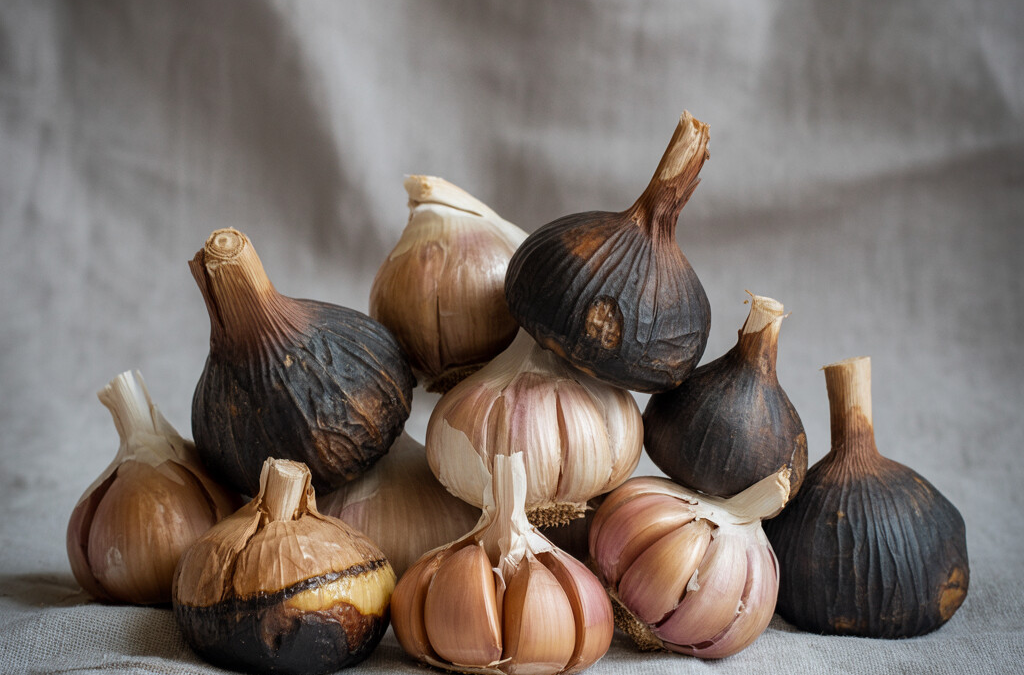
Black Garlic Varieties: A Flavorful Guide
If you’ve ever bitten into a piece of tender, deeply flavorful black garlic, odds are you remember where you were. That sweet, earthy funk is unforgettable. What if I told you that not all black garlic is created the same and that your taste buds are calling for an adventure? Black garlic varieties differ by region, sugar content, and even the base type of garlic—yep, this superfood’s origin story is more layered than your favorite pasta sauce! A United States farm grows over 500,000 pounds of black garlic annually, proving that the love for those mellow, licorice-like notes is exploding.
Last weekend, I roasted some black garlic from two different farms. The aroma filled the kitchen almost instantly, earthy and sweet, the kind of smell where you forget what you’re doing for a minute and just inhale. Whether you like to keep things simple or go full gastro-wizard, experimenting with black garlic varieties is just plain fun. Throughout this beginner’s guide, you’ll learn how to make black garlic at home, as well as understand mouths-watering ways to use it. Ready to dive in?
Understanding Black Garlic Varieties: A Flavorful Exploration
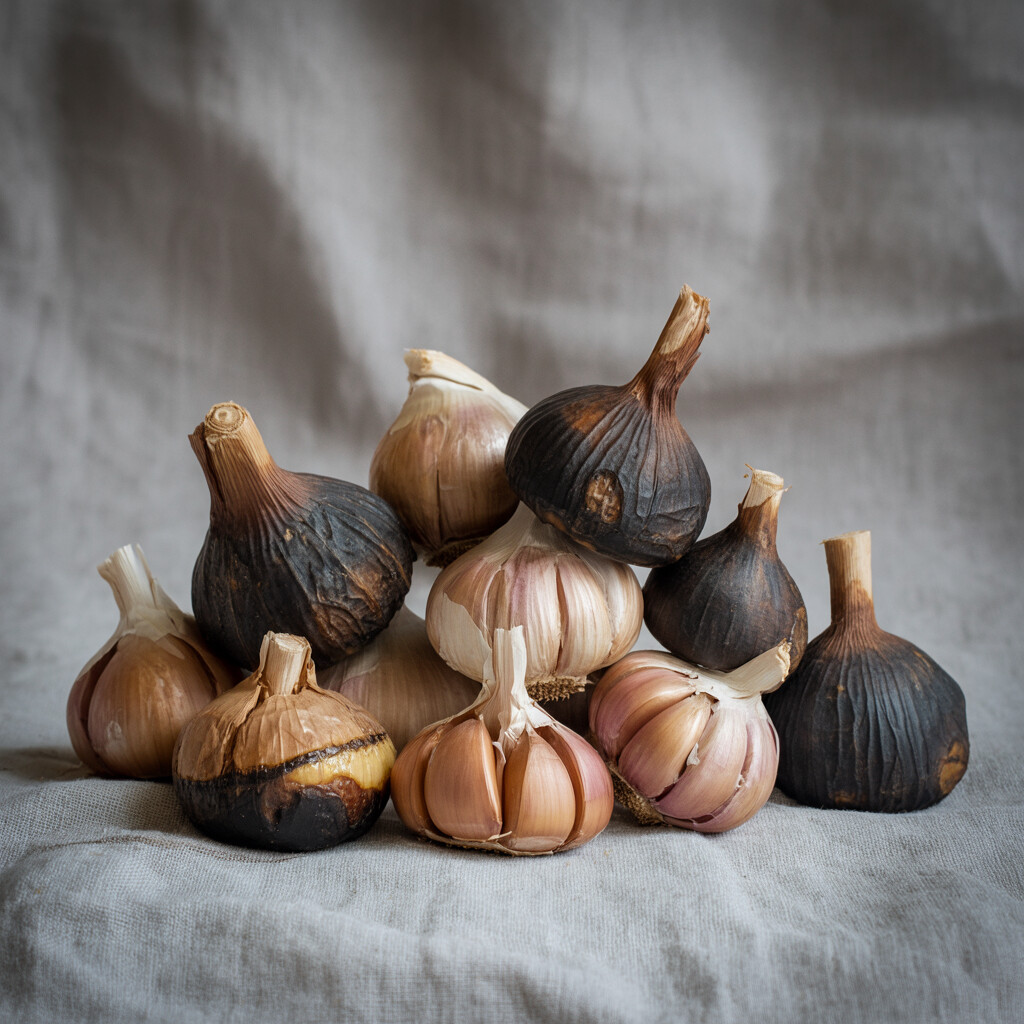
Black garlic comes in more forms than you might think, and each variety brings something brand new to the table, quite literally. If you thought all black garlic tasted the same, you’re in for a treat. Picture a spread of plump soft cloves that range from sweet earthy balsamic to hints of dried fruit and soy sauce. Not every head of garlic transforms into black garlic the same way, but with a little know-how, you can pick a type that brings your flavor goals to life.
Exploring the Main Types of Black Garlic Available
The right start begins with picking your base cloves. Softneck and hardneck garlic are the two main families. Softneck varieties, like California Early White, become melt-in-your-mouth sweet and have a gentle tang that’s great for salad dressings and spreads. Hardneck garlic, including favorites like Music or Rocambole, pick up deeper, almost roasted notes as they ferment. Often, these black garlic varieties offer sturdy structure and bolder flavor, perfect for stand-out pasta sauce or steak marinades. You don’t have to pick just one, either. Mix it up depending on mood, meal, or who’s coming to dinner.
Here’s something else I’ve noticed: wild types of black garlic—think solo garlic, with single oversized bulbs—develop bold umami and almost-zero bitterness. For true flavor fans, these are a form of garlic gold. And yes, there are Chinese, Korean, and Spanish garlic species that turn jet black and syrupy, with each kind revealing a special flavor twist.
Feeling stuck with only standard white bulbs at your grocery store? No worries. With a home setup, you can experiment with local varietals or hit up a farmers’ market and grab whatever looks best. It’s part of the fun.
The more you play with different types of black garlic, the more kitchen magic you’ll create. That’s why I always recommend buying, growing, or swapping different species until you lock in your favorites. For an even deeper dive into how black garlic elevates flavor, check out an exploration of black garlic’s taste profile.
Essential Equipment for Crafting Black Garlic at Home
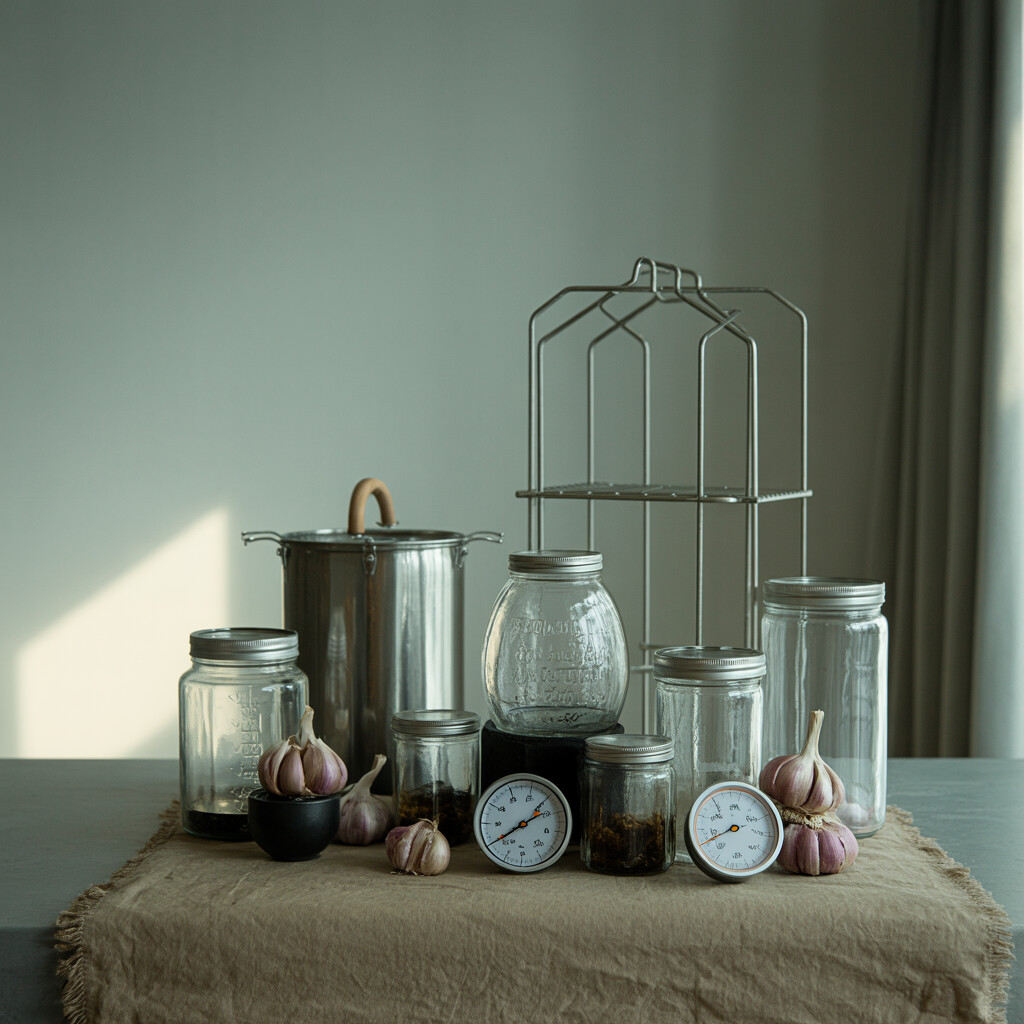
Before you start your black garlic adventure, it helps to gather a few key kitchen tools. These make the whole process smoother, cleaner, and more likely to result in those sweet, dark bulbs everyone raves about.
Your Must-Have Gear for Easy Garlic Transformation
First thing’s first: you need a way to keep garlic warm for weeks on end without turning it into charcoal. I like a rice cooker with a “keep warm” setting, but a dedicated black garlic fermenter, a slow cooker, or even a bread proofing box will get the job done. The key is to keep a steady, low heat around 140 to 170 degrees Fahrenheit. You don’t want to roast it, just a gentle, steamy hug.
Small tongs or even rubber gloves are handy when you handle the bulbs every few days. Black garlic will stain your fingers darker than a drive-thru iced coffee, so just a heads up there.
Grab a few paper towels or cheesecloth, too. Wrapping the garlic keeps the moisture even, which is important for that smooth texture across all black garlic varieties you’re trying to make. Some folks use a wire rack, just to give everything a little air and keep things tidy.
The last essential: patience. We’re talking multiple weeks. Thankfully, this doesn’t require a ton of babysitting. Go about your day (or week), then pop open your cooker now and then to check on the magic.
Having good garlic to begin with, whether you’re exploring Heirloom or Turban black garlic varieties, also makes a difference. Fresher is better. Not only will you unlock key differences in taste and aroma but you’ll enjoy comparing the results from different types of garlic in your future batches.
While supplies for making black garlic at home aren’t too fancy, using exactly the right equipment lets you play with batch sizes and types of bulbs. In other words, you can test which black garlic types work best with your favorite dishes—and, as I’ve learned, come up with a foolproof snack you’ll actually hope takes three weeks to finish.
Step-by-Step Guide to Making Black Garlic in Your Kitchen
Alright, let’s get you started on your kitchen adventure. Making black garlic at home isn’t rocket science, but it does require a good pinch of patience. First, gather your essential tools: a dedicated rice cooker or slow cooker, some fresh, healthy garlic bulbs, and a spot where funky (but not horrid) aromas won’t bother you for a while. Pick plump, heavy bulbs with their skins intact for best results, and trust me when I say bigger truly is better here—a nice fat bulb will give fuller cloves and richer flavors.
Next, give your garlic a quick wipe so no dirt comes along for the ride, but no need to break the skin. Load your bulbs into your rice cooker or slow cooker so they can cozy up close, but leave a little breathing space around them for air to flow. Keep your cooker on the “keep warm” setting, not cooking—if it’s an older model, you may want to check its actual temperature, which should hover between 140°F and 170°F.
Now comes the test of your willpower: wait three to four weeks. That’s right. Keep your garlic nestled in a dark, warm space for 21 to 30 days, giving it a quick check once in a while. It will turn darker and softer, and eventually fill your house with a savory earthy scent. Try to leave the lid on as often as you can to trap humidity and keep the magic working. When your garlic bulbs look inky and peel away from the skin without sticking, you’re ready for the final step.
Comparing Basic Garlic Types for Fermenting Success
The type of garlic you use influences how your black garlic turns out. Some Black Garlic Varieties are sweeter; others pack a more umami punch. Experiment with a few types and keep notes so you don’t forget which was your favorite at your next farmer’s market run. Take a quick look at several fresh garlic types and some of their key qualities before fermenting:
After making your decision, let patience do the rest so these Black Garlic Varieties work their alchemy right in your home.
Once you’ve tried a few Black Garlic Varieties, you’ll start noticing differences in taste and texture. Some get creamy and almost spreadable; others stay firmer, maybe a little chewy, perfect for chopping into dressings or sauces. Making your own black garlic puts you in charge of every part of the process, from choosing the base garlic to deciding how deep and robust you want the flavors. Experiment, take notes, and taste your way to the sweet, savory, home-fermented payoff.
Exploring Different Types of Black Garlic and Their Unique Characteristics
Black garlic isn’t just a smarter version of your average garlic clove. It’s an entire world of flavors, fragrances, and textures. When you take a deeper look, you’ll see there are actually several Black Garlic varieties available, each with its own personality. It’s a bit like discovering different types of apples at the store — one might be sweet as candy, another punchy and tart. All these details can change how you use that black gold in your kitchen adventures.
Let’s start with country of origin. Some black garlic varieties hail from Korea or Japan, places where traditional fermenting techniques have been around for ages. Japanese black garlic tends to be mild and very sweet, almost fruity, while the Korean variety brings a deeper umami kick and a thicker, fudge-like texture. Closer to home, California-grown hardneck and softneck garlic bulbs transform into black garlic with a distinctly mellow sweetness. Softneck varieties like Artichoke go jet-black and sticky, with a flavor sort of like roasted marshmallow with a whiff of balsamic. It’s pretty wild.
Types of Black Garlic: Finding the Flavor for You
Beyond origin, there are differences in how the garlic itself is grown. Porcelain and Purple Stripe garlic (hello nerds!) often get turned into artisanal black garlic. These have fewer, jumbo cloves that look like the fancy sports cars of the garlic world once they’ve turned black. Their grown-up flavor ends up sweeter, deeper, and richer than typical softneck types, with less harsh garlic “burn.” Meanwhile, the little round cloves of Creole varieties end up with a honey-and-molasses tang.
How you treat your garlic can add another curveball! Some producers infuse black garlic or age it with things like hay or leaves, pulling notes of smoke or the forest floor right into the bulb. This gives you more flavors to play with when you’re making condiments or glazes.
No matter your Black Garlic species or type, you’re getting antioxidants and helpful amino acids you won’t find in raw or aged garlic. Some of the most coveted black garlic on restaurant menus may come from fancy hardneck bulbs, but you can make it at home with supermarket softneck or hardneck garlic and still produce knockout results. For lots more details on all the things that change between black garlic vs garlic or to compare it with regular garlic, check out those guides too!
All of this is what makes black garlic so much fun for cooks and eaters—these differences mean you never completely know what sweet magic you’re in for until you pop off a clove, take a whiff, or taste a smear plain on your fingers. This is an ingredient that rewards your daring side. Give new black garlic varieties a go, and pop those new waves of flavor into roasted veggies, aiolis, vinaigrettes, and soups. Even if it takes a personal quest to search out something different, the payoff might be the best thing you ever spread on toast.
Comparing Black Garlic Species: What Sets Them Apart?
If you have ever stood in the specialty foods aisle, confused by the “type of garlic” section, I feel your pain. Black garlic varieties can sound like cryptic wizard names or the ingredients for a fancy cocktail. You might wonder if buying black garlic is some kind of lottery or if there are real taste and texture differences between them.
What Makes Black Garlic Varieties Distinct?
Let’s break down the differences by looking at the “species” question first. In reality, most black garlic varieties are simply adaptations of familiar white garlic bulbs. The magic happens in the slow transformation—the sugars caramelize, amino acids rearrange, and those sweet yet savory notes blossom.
Yet, how you start matters. Common varieties like California Late, Creole, Silverskin, and Tochal Red each have their own personality even before they turn black. The Tochal Red, for example, goes from spicy when raw to creamy and cocoa-sweet when aged. Then you have the big California Late—it becomes soft and fruity after fermentation, and can stand up to heartier meats or BBQ sauces.
But here’s the clue that can help you when standing in front of bags at the market: Slide toward garlic whose original color is the deepest red or purple. Those Asian heirlooms, like Korean purple stripe or Chinese red, often burst with rich cocoa flavor and jammy umami after aging.
Quality of starter bulb also plays a starring role. Fresher, plumper bulbs, especially grown with care and left to “rest” before the fermentation process, usually end up as more intensely flavored, unctuously sticky black garlic cloves.
Black Garlic Form: Bulb, Clove, or Puree?
Don’t forget the form, which impacts both how you use black garlic and the end result on a dish. Bulb-style black garlic is excellent for dessert sauces or stirred into pasta. Whole cloves are popular snacking or slicing. Pureed black garlic acts like a base, whisked into salad dressings, steak rubs, or fancy cocktails.
Secondary differences come from tweaks to fermentation times or humidity, but the average home cook will taste more difference from the original variety and form. There’s no official global grading system for artisan black garlic yet, but you don’t need to chase every wild black garlic difference out there to get started. One variety, the right recipe, and the joy of that first umami hit in a sauce: sometimes, magic is simple.
So, how do you choose from those many labeled jars? If you’re short on time or just want to start somewhere: go for a bulb with deep color—purple or red—fermented whole into black garlic. Bonus points if the package notes a region or heirloom type, since those are likely made with more attention to detail. When in doubt, buy what smells rich and fruity rather than sharp or earthy.
Curious for more info about how regular garlic gets so sweet and jammy as it ages? Take a look at Black Garlic Production Aged Garlics Sweet Transformation for a behind-the-scenes breakdown.
Culinary Applications: How to Use Various Black Garlic Varieties in Cooking
I’m a big fan of exploring new ways to maximize the flavors in my kitchen. Black Garlic varieties open up so many possibilities that it honestly gets me excited just thinking about it. Each type adds its own touch. Once you have those sticky, sweet cloves ready, there’s no reason to let them sit in the back of the fridge. Cooking with different types of black garlic species is about having fun and letting curiosity guide you. You really don’t need a perfectionist’s touch. Just knowing you have a little treasure trove of homemade flavor hidden away feels a bit like a culinary superpower.
Unlocking the Flavors of Black Garlic
Everyone says black garlic will “elevate your dishes,” and luckily, it’s not just hype. Softer, sweeter varieties almost melt right into butter. They make for a wild twist on garlic bread or supercharged mashed potatoes. I like to smash one clove into a vinaigrette or whisk a spoonful into Greek yogurt with lemon for a lush vegetable dip. Tangier, complex varieties are excellent for grilling or basting. Try mixing black garlic with honey, soy, vinegar, or hot sauce into a glaze. It brings an almost impossible richness to salmon, pork, or chicken. Every time I do this, guests ask, “What’s in this?” with eyes wide. You and I both know: it’s homemade black garlic magic.
And black garlic is not only great in hot meals. Smooth, raisin-sweet varieties work well as garnish for salads or on sandwiches with sharp cheese. Bolder, funkier types paired with oil take pizza, grilled meats, or roasted vegetables to a new level. Some cooks even blend bits of black garlic into cocktails. I tried a black garlic bloody mary once, and it did not disappoint.
Missing a specialty item at the store? Try experimenting with whatever garlic you have—it can help you discover tasty, unique twists. The differences between black garlic types—soft and licorice-tinged versus dense and tangy—create options for each plate or mug you fill. If you’re feeling overwhelmed about where to begin or want a few step-by-step ideas, talk to fellow foodies or check tips specific to your own Black Garlic Preparation Methods.
If you only learn one thing, let it be this: use homemade black garlic often and in everything. Once you start, you’ll find yourself grabbing one more clove, spoonful, or smear, simply because it’s there. Black garlic varieties just have that effect—even on stubborn home cooks like me.
Storing and Preserving Your Homemade Black Garlic for Maximum Flavor
Storing your homemade black garlic is about preserving the fruits of your labor, whether you’ve dabbled in one or many Black Garlic Varieties. Once your gels or bulbs cool to room temperature, peel the sticky cloves and store them in a resealable glass jar or airtight container. Some folks line the bottom with a paper towel—it absorbs the extra moisture and keeps the cloves silky smooth, not syrupy.
Your Black Garlic Preservation Checklist
Store your jarred black garlic in the fridge, tucked over with pickles or jams. Most curry sauces crowd my crisper drawer, but their company seems to make black garlic’s flavor richer for months. It can also be frozen for up to a year—think frozen chopped herbs, but squishier with much better plum flavor notes. Just place it in a freezer container or a heavy-duty freezer bag. If your fridge real estate is prime, try this: chop your black garlic and toss with just enough oil to coat. Then, pop everything in a sealed mason jar and burp out any air. Lightly oiled or vacuum-sealed bulbs last endlessly in the fridge, and some prep that way for gift baskets.
Keep black garlic away from anything too spicy, pickled, or onion-y, and always pop the lid back on tight to keep the flavor at its peak. Each type keeps its bright, tangy-smooth taste, ready to lend a little sweetness here or umami boost there. Your homemade black garlic collection will fill the kitchen with squishy, earthy tang for salads, pizzas, and even ice cream toppings for months—all without a trip through customs.
No Miso necessary; if you’ve made a range of Black Garlic Varieties, label your jars and celebrate. Just like a proper stash of coffee beans or fresh popcorn kernels, seeing all your flavors ready at a glance will make you want to experiment, taste more, and maybe—only maybe—share your best with visiting friends.
Conclusion
Now that you know more about Black Garlic Varieties and how to create them in your kitchen, you hold the power to bring distinct flavors right to your table. If you ever struggled with the limited choices for quality black garlic products, you can now choose from species with unique qualities. We also explored how to use and preserve your creations so you can expand your meals and always have tasty black garlic on hand.
Creating and cooking with your favorite type of black garlic gives you complete control over its flavor and freshness. No store can match that feeling. Keep experimenting with different uses and remember that each batch lets you celebrate the wonderful possibilities inside a single head of garlic. Don your apron, roll up your sleeves, and let your newfound knowledge of black garlic be a passport to delicious adventures.
FAQ
What are the main types of black garlic varieties?
When you explore black garlic varieties, you will find they come from different garlic species and origins, so the flavors can range from tangy to sweet. Some black garlic is made from classic American varieties like California Late or Early, while other regions such as Korea and Spain use their own traditional breeds. For example, Korean six-clove garlic develops a dark, caramel-like sweetness, making it stand out in your cooking. Each type gives a little twist in recipes, so you can enjoy subtle differences, like softer umami or bolder juice. Think of it like trying Granny Smith apples versus Honeycrisp apples, each variety bringing something special and delicious to your table. Trying several types will make you appreciate the wide range of flavors waiting in those little black bulbs.
How do black garlic species differ in taste and texture?
Black garlic species create an adventure for your senses because their taste and texture reflect the start of their journey. California garlic often brings a sticky, rich flavor that tastes like aged fruit or molasses, so your meats or dressings get an upgrade. Meanwhile, the single-bulb Chinese garlic variety has a sweeter, fluffier feel and works well in mild vinaigrettes. You can taste these differences side by side. I once made a quick aioli using Korean black garlic; its soft clove melted easily, giving my dip a tang that had my taste testers begging for more.
Can I make different types of black garlic at home?
Yes, you can make several types of black garlic at home. You need fresh garlic bulbs, and you may even want to experiment with both softneck and hardneck kinds to see what unique flavors develop. For a little variety, I keep a labeled stash of two or three types in glass jars, so I can always pick the perfect clove for stir fries or even simple buttered bread. Many home cooks start with classic American softneck bulbs since they’re easy to find and produce consistent results, so try those before going wild with exotic breeds.
What equipment do I need for making black garlic varieties?
What you actually need for black garlic varieties is pretty simple. A rice cooker, slow cooker, or fermentation box does most of the work by holding a gentle heat and trapping the garlic’s humid air. Steer clear of ovens, or your air will dry out those sweet cloves before you know it. A handy food thermometer kept right near the garlic batch takes the stress out, while a baggie for storing bulbs keeps aromas contained. Some folks joke that their slow cooker gets more action with soft, aged bulbs than with chili. Once you try it yourself, you’ll join that tasty club.
How do you compare black garlic differences for your cooking?
Comparing black garlic differences is kind of like sampling hot sauce lines. Each black garlic variety has its quirks, so I lay out cloves with cheese knives and invite friends over to vote for their favorite. Softneck bulbs’ flavors shine best for mellow sauces and dips, while firmer Asian types hold up in high-end steak rubs. If you find a mild garlic flavor that surprises you, update your meals. Try spreading Korean-style black garlic on a breakfast bagel for a sweet start.
How do you use different types of black garlic in daily recipes?
You can pretty much use all types of black garlic anywhere regular roasted garlic shines. Sneaking minced black cloves into cheesy quesadillas works beautifully. Milder Japanese species blend gently into egg scrambles, while chunkier Mexican purple garlic brings a punch to tofu veggie noodle bowls. Even picky eaters in your house may enjoy scooping up black garlic pieces on crunchy baguette, especially when all that hard work pays off with empty plates.
What’s the easiest way to store homemade black garlic for flavor?
After investing in black garlic making, your homemade haul deserves the best shelf life. Matured in the dark before seeing daylight, the bulbs store well inside clean, lidded jars in cool, dry spots. I tuck jars away in a breadbox where I’m most likely to grab something savory. You will want to refrigerate if you deal with high summer heat or big, juicy bulbs. For busy weeks, individually wrapping peeled cloves in plastic makes healthy snacking way too easy, even for garlic skeptics in your inner circle.