

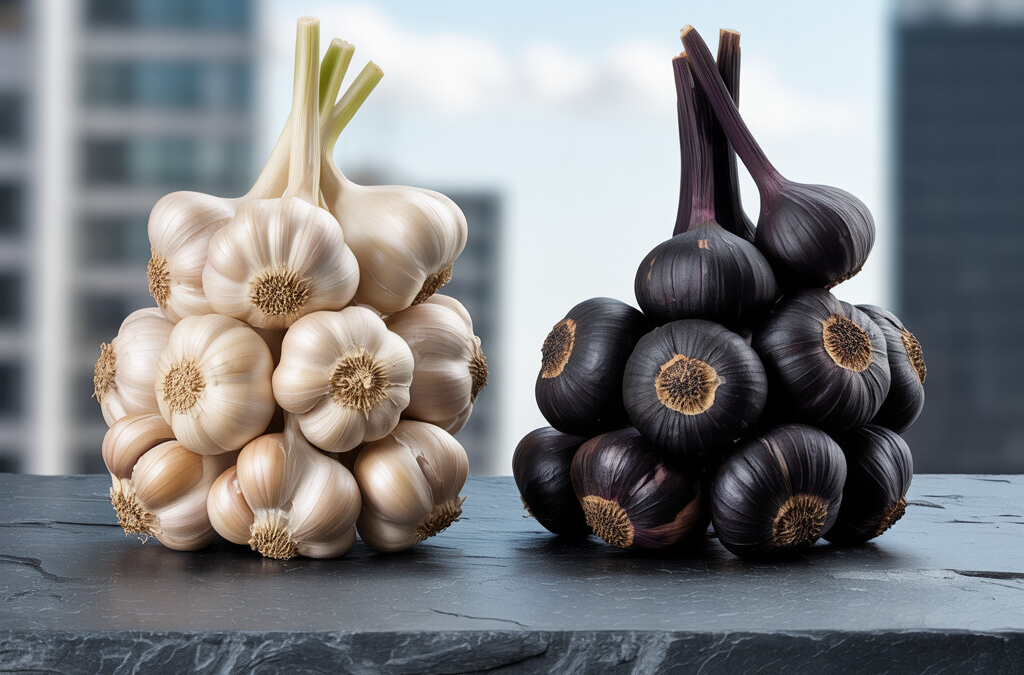
Black Garlic Vs Garlic: Key Differences Explained
Ever had something on your plate that tasted both familiar and totally new? If you love garlic, it’s time you meet its bold cousin: black garlic. Around 350 million pounds of garlic are eaten in the U.S. each year, but very few folks have tasted this dark and sweet treat. Black garlic started showing up in local food markets, then got trendy at fancy restaurants. Now, more and more people are ready to make it part of their kitchens.
Last weekend, I spread a gooey black garlic clove right onto some crusty bread and now regular garlic seems, well, bored. In this guide, you’ll learn about Black Garlic Vs Garlic, including health and nutrition tips, taste differences, modern myths, and smart ways to use either in your meals. We’ll walk through a crash course in Black Garlic vs. Regular Garlic, showing what makes them special and how to use them at home. Ready to dive in?
Understanding Black Garlic: A Unique Culinary Ingredient
Black garlic is not your everyday garlic. Instead, it is regular garlic that has taken a long, flavorful trip. Through gentle heat and humidity, it transforms into soft, dark cloves. These have a complex, sweet taste that mixes balsamic, molasses, and hints of fruit all in one bite.
Unlike white garlic, black garlic is not spicy or sharp. I remember my first taste—silky texture, surprising sweetness, and not a trace of sharpness you often expect from garlic. Where a slap of raw garlic often leaves you racing for a breath mint, black garlic lingers mellow and rich.
It is getting easier to find this all-purpose ingredient. Keep an eye out at farmers’ markets, gourmet shops, or your local Asian grocery. Online, specialty sites offer better, fresher black garlic than big supermarkets. If you feel daring (because, why not), you could use a slow cooker to prepare your own.
Black Garlic’s Entry Into Everyday American Cooking
In the U.S., black garlic first popped up as a “secret ingredient” in upscale kitchens. Now you can use it at home any way you would regular garlic or a rich condiment, but with bragging rights at your next dinner party. The “umami bomb” of black garlic boosts meats, pastas, even a simple pot of beans. Spread it on warm bread and, for a moment, you get to be king or queen of all hors d’oeuvres.
When smokey barbecue or tangy vinaigrette sound a little, you know, “plain,” black garlic lifts dishes beyond basic. As cooks, we ask ourselves all kinds of questions—like for garlic, can you bake it, blend it, or eat it raw? When you weigh out Black Garlic Vs Regular Garlic Key Differences In Flavor And Nutrition, think of black garlic less as a substitute and more as a wild-at-heart cousin who shows up late with good stories.
Having trouble sourcing good stuff in your area? Look for smaller U.S. producers, chef-owned food boutiques, or assemble your garlic “squad” and buy direct for better deals. Whether you are trying black garlic for superstar dishes or healthy boosts, exploring Black Garlic Vs Garlic will help turn how you cook—and taste—on its head.
Black Garlic vs. Regular Garlic: Key Differences
At first glance, you might not find much in common between black garlic and the plump, pearly bulbs in your kitchen drawer. Still, seeing them side by side gets you thinking: Black garlic vs regular garlic is not just about color. The differences go a lot deeper and make both stand out in the kitchen and your wellness plan.
Visual Appeal and Texture: Black Garlic Compared to White Garlic
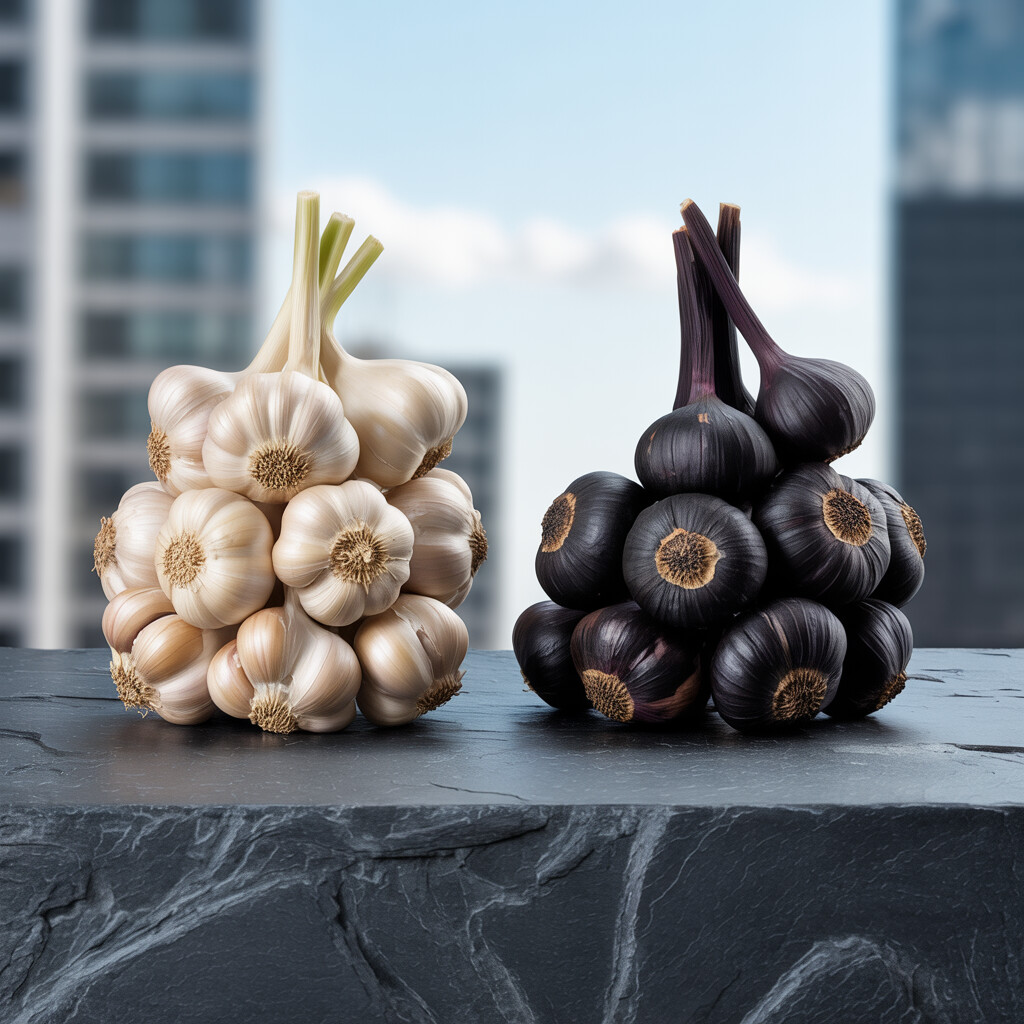
To start, there is the obvious: White garlic stays bright and firm, while black garlic takes on that inky, nearly licorice-rich hue from a slow heating process. Regular garlic is marked by its crunch and juiciness. It gives a sharp kick right on the tongue and releases a cloud of aroma that says time to cook. In contrast, black garlic, (formed after weeks of gentle aging that caramelizes the cloves), turns sticky, soft, and stretchy, almost like a softened fruit leather with layers of earthy sweetness.
People often ask, “How do black garlic vs garlic really stack up in the kitchen?” The simple breakdown is this: Black garlic gets sweeter as it matures and picks up subtle hints of molasses, balsamic, or dried fig without the harshness that raw garlic sometimes brings. This process also smooths out the aftertaste, making it easier to eat if you are sensitive to that classic garlic punch.
Now comes the tough part: Actually finding it. Most regular grocery stores stock only the traditional kind. Black garlic has to be tracked down at specialty markets or online. But don’t let this make you nervous about adding it to your kitchen. In many cases, people in the United States are now crafting their own and even using clever gadgets (think rice cooker or a trusty old slow cooker) to age it themselves. Trust me, it is worth that bit of trial and discovery.
Here is my advice: Black garlic is ideal for rounding out sauces, rubs, or toppings for roasted veggies without upstaging other spices. Regular garlic does the job in bruschettas, dips, or those Monday pasta dishes. The more you play, the more you see how each has a spot in your lineup.
The next time you pull out your standard garlic, imagine it taking that next culinary leap. Quite simply, black garlic vs garli coffers your kitchen more flavor and creative mileage than you would ever expect from a head of garlic. You are not working against regular garlic, you are just bringing a new depth and feeling to the table. In my book, that is not just a difference, it is a tiny taste revolution.
Health Benefits: Black Garlic Compared to White Garlic
So, what happens when you size up black garlic against the everyday white kind on health perks alone? At first glance, black garlic might just seem like regular garlic with a fancy makeover. But let’s dig deeper, so you can know what you’re really adding to your spice rack.
Comparing the Healing Effects: Black Garlic Vs. Garlic
Here’s a little secret: both types are pretty rich in healthy goodness. Regular garlic has a bunch of allicin, which is the main thing responsible for that spicy taste and its well-known immune-boosting punch. People love it for fighting colds and helping keep cholesterol in check.
Now for black garlic, fermented for several weeks until it’s chewy and almost sweet. During this transformation, the allicin breaks down and creates a powerful trio of aged compounds. These include S-allyl cysteine (SAC), which happens to be super stable and gentle on the stomach. That means black garlic’s health boosts stick around from the kitchen to your belly and might be easier for sensitive tummies.
Let’s glance at a few of their highlights in a handy chart:
When it comes down to “Black Garlic Vs Garlic,” black garlic has almost double the antioxidants. That’s important for neutralizing nasty free radicals, which are linked to aging and disease. They say black garlic is especially promising for your heart, liver, and brain health thanks to these supercharged antioxidants.
Plus, it tends to have none of that garlic-y pucker effect. Some folks can munch on a clove straight up—without that “Is my breath going to clear the room?” worry lurking in the back of their minds.
So, with all those “Black Garlic Vs White Garlic Health Benefits” stacked up, you may be wondering if anything is lost during the black garlic aging process. Not really—the important stuff becomes concentrated, if a little different. Both black garlic and classic garlic give your immune system support, natural detox upgrades, and great anti-inflammation points. It’s kind of like swapping out your classic sneakers for a pair of comfy slip-ons—they both get you where you want to go, but one’s got a different stride.
When it comes to finding antioxidant power, black garlic nudges ahead of the pack. It might even be gentler on your tummy, making it a nice choice if raw garlic’s a little rough. If you’re goofy like me, you might even toss it on a spoonful of peanut butter (I know, don’t knock it until you’ve tried it). In the end, your choice is less about winners and losers and more about what your meal and health goals call for today.
Ready to revamp your spice routine? You can always dig deeper through tips on black garlic’s health benefits.
Taste Profiles: Exploring the Flavors of Black and White Garlic
Let’s talk flavor. If you love garlic, you probably already know the punchy kick of regular—or white—garlic. Every time I peel a fresh clove, I catch that sharp, spicy smell that gets my mouth watering. This classic allium runs with a hot crowd: raw garlic is known for its strong flavor and can pack quite a punch in your mouth. Cook it a few minutes, and it mellows out, turning nutty and a little sweet.
Now, picture sitting down with a noir film: black and white create their own drama. Sounds like a Black Garlic Vs Garlic showdown! Black garlic, created by gently fermenting white garlic cloves at warm temperatures, brings on a whole other level of flavor. It loses the heat you expect from white garlic and picks up notes of raisin, balsamic vinegar, and a hint of tamarind. Don’t worry, it’s not weirdly sweet, and I promise it won’t haunt your breath.
The Subtle (and Not-So-Subtle) Differences in Black Garlic Vs White Garlic Taste
Regular garlic could be described as punchy, sharp, and just a little grassy when eaten raw—which is why so many pasta sauces, dips, and dressings start with at least one good-sized clove. Black garlic is all about umami, the mysterious fifth taste that chefs are obsessed with.
If you’re worried about missing out because you haven’t found premium black garlic near you, here’s a little secret: maybe try fermenting your own, if you’re feeling adventurous. It’s not complicated, just slow, kind of like making pulled pork in your slow cooker rather than quick grilling tacos. And yes, there are folks who use a rice cooker or a fancy fermentation box, but these days you can also buy black garlic online, straight from farmers and producers across the country.
This is a Black Garlic Vs White Garlic Taste match-up where everyone wins. One is raw, high-energy, and spicy. The other is mellow, deeper, and a little mysterious—perfect if you want to add complexity to everything from salad dressings to desserts.
Can you swap them in recipes? Sure, with a little adjustment. Definitely don’t substitute spoonfuls of minced black garlic for white garlic (or vice versa), but feel free to play around: think about using black garlic in a vinaigrette where you’d never dare put white garlic raw, or try a slice on a cheese board instead of fruit. If you love garlic, your kitchen will never be the same.
Culinary Uses: How to Incorporate Black Garlic into Your Cooking
Cooking with black garlic feels like unlocking a secret cheat code for your kitchen. While regular white garlic often goes straight into my pan for that spicy punch, black garlic offers up a richer, sweeter flavor that borders on balsamic or caramel. Give this a try: slice up a few black cloves and toss them on top of a pizza after baking, or make a creamy black garlic aioli for fries or as a sandwich spread. You will find that compared to regular garlic, there is no risk of overpowering your dish. Instead, every bite lands with a soft, mild hint of umami.
Creative Ways to Use Black Garlic Versus White Garlic in Recipes
Soups, stews, stir-fries, and pastas all benefit from the earthy goodness of black garlic. I sometimes knead it into bread dough, which leaves a gentle sweetness in every slice. It melts effortlessly into mashed potatoes and risottos too, painting the whole dish with smoky, sticky depth. For quick appetizers, blend black garlic with soft goat cheese or use it to jazz up your next vinaigrette. To take it further, rub it on steaks, lamb, or fish before roasting; or drop a whole clove onto cooked vegetables so it gently melts in, providing an unexpected layer of flavor.
Many of us have trouble tracking down top-notch black garlic. Stock at local grocers gets snapped up between Thanksgiving and Easter, and even the fancier specialty stores often fall short, so do not give up if you do not find it on your first try. If you want black garlic right away, you can always spring for the white kind and try to ferment it at home, which takes skill and patience but provides endless reward.
If you are ready to broaden your culinary horizons, check out these handy guides full of fresh techniques for Black Garlic Preparation Methods A Home Cooks Guide. Learning how to slice, mince, or smash black garlic the right way is probably the easiest lift you can make in your kitchen routine. It is wildly forgiving, deeply flavorful, and leaves every plate with new mystery after the first bite.
Try black garlic alongside white at your next happy hour; weave both into your charcuterie; or whisk a blob of black paste into chocolate pudding just to see who notices. Culinary uses are basically endless. Black Garlic Vs Garlic was never really a fair fight anyway, they both make you want a bigger sip of red wine or another hunk of bread.
Nutritional Content: Comparing Black Garlic and Regular Garlic
Ever found yourself at the grocery store staring down onions and garlic wondering which will offer a tasty twist or more nutrients? You’re not alone. Over the years, garlic has not only made people cry and made your meals taste wonderful, it’s also packed a secret nutritional punch.
The Nutritional Faceoff: Black Garlic Vs Garlic
Let’s start with plain old garlic, otherwise known as white garlic. This staple start ingredient is famously full of health-compounds like allicin, which is released when you chop or crush garlic cloves. Allicin is one of the reasons garlic gets its pungent punch. It also touts its immunity-boosting and cholesterol-lowering benefits. White garlic is higher in Vitamin C than its blackened cousin (think: acidic and refreshing-savoryness in sauce form), but black garlic takes the silver medal.
However, when white garlic turns black, it breaks down and what’s left over is called S-allylcysteine. This less-pungent chemical can potentially help reduce blood pressure and offers strong antioxidative properties. You may miss that specific acidity in a tomato sauce flavor profile, but you can still taste the sweetness and oh-so-earthiness that comes with black garlic.
Here’s a quick view of how regular (white) and black differ:
- White Garlic: Bright and tangy
- Black Garlic: Smooth, earthier syrup-like texture
While both offer benefits, one is superior on flavor and, technically, not all nutrients are created equal! Since how we process garlic affects what’s left in the clove, black garlic is higher in some acid-soluble antioxidants, notably S-allylcysteine.
The real star in black garlic, however, is its flavor and use in cooking. I love it because it just brings such a layered complexity to sauces, dips, glazes and rubs you just don’t expect from plain old white. And it still has all those nutrition benefits plus a few more that help in easier, on-hand cooking –especially for those who gravitate toward sauces or want to skip peeling (and prepping) cloves altogether.
Nutritional Showdown: Black Garlic Vs Garlic
When considering a new ingredient or method of cooking, ask yourself: what flavors do I need to work with? Are you trying a garlic-forward aioli or vinaigrette? If so, go with white. However, if you’re roasting, braising, or adding to something like mashed potatoes, a stickier, more gelatinous black garlic adds just the right vegetable-forward bite while enhancing the nutritional profile of your dish.
Think of black garlic as a natural enhancer that allows plant-forward eaters and garlic lovers everywhere (myself included!) to add sweetness or depth to sauces while reaping potential additional health benefits.
For further inspiration, don’t miss this Black Garlic Vs Regular Garlic: Key Differences in Flavor and Nutrition and this Black Garlic Nutritional Value Guide, where we add more recipes and outline every health benefit in an easy way. You’d be surprised how often black garlic is more easily added to specific recipes over white garlic (no prepping, no peeling, etc).
Lastly, it all boils down to whether you crave savory depth and complexity or just want nutrition without the tangy-forward bite that fresh garlic brings. It’s okay to mix and match, trust me. There’s a reason why we even add black garlic to plain mac and cheese these days —and the reason really comes down to the best of both worlds nutritionally and taste-wise.
Availability and Storage: Sourcing and Preserving Black Garlic
Getting your hands on black garlic can sometimes feel like a wild goose chase at your regular grocery store, especially if you are outside a big city. If that sounds like you, you are not alone. But let me tell you, it is worth seeking out. Start by checking international markets, natural food shops, or specialty stores. Online shopping can also unlock a treasure trove of black garlic options, from whole bulbs to pureed paste or powders. I have noticed black garlic tempting me from a refrigerated section on one visit, and tucked right next to ginger and shallots on another. Pro tip: call ahead and ask so you do not end up on a wild supermarket goose chase!
Preserving Your Precious Black Garlic: Storage Tips and Shelf Life
You might find yourself wondering about the shelf life of black garlic, especially after predicting incorrectly just how much you would use in your risotto. Unlike regular fresh garlic, black garlic’s deep flavor comes from fermentation, which actually helps extend its shelf life. Store unopened black garlic in a cool, dry spot away from direct light. The pantry works well, until you pop it open—then, move it to the refrigerator or freezer for longer storage. Once opened, reseal tightly or use an airtight container. If you snag a bulk deal on black garlic or want to make it last, you can freeze it. Just expect it to soften a bit, but the flavor and benefit remain firework-level bold.
How long does black garlic last compared to its white cousin? In the age-old debate of Black Garlic Vs Garlic, fermented cloves easily outlast their fresh relatives. While regular garlic may sprout or dry out in a few weeks or months, properly stored black garlic can read the expiration date on that mayonnaise jar in your fridge and laugh.
So, Black Garlic Vs Garlic in terms of sourcing and storage? While fresh garlic has been reliably available for generations, black garlic will take some planning ahead. Look past your normal grocer and geek out when you finally get your hands on this flavorful ingredient. With just a little care, your black garlic stash can stay ready for any culinary adventure for weeks (or even months) to come.
To dive even deeper into keeping it tasting as good as it smells, you might find this helpful: Black Garlic Storage And Shelf Life Keep It Fresh.
Making Black Garlic at Home: A Step-by-Step Guide
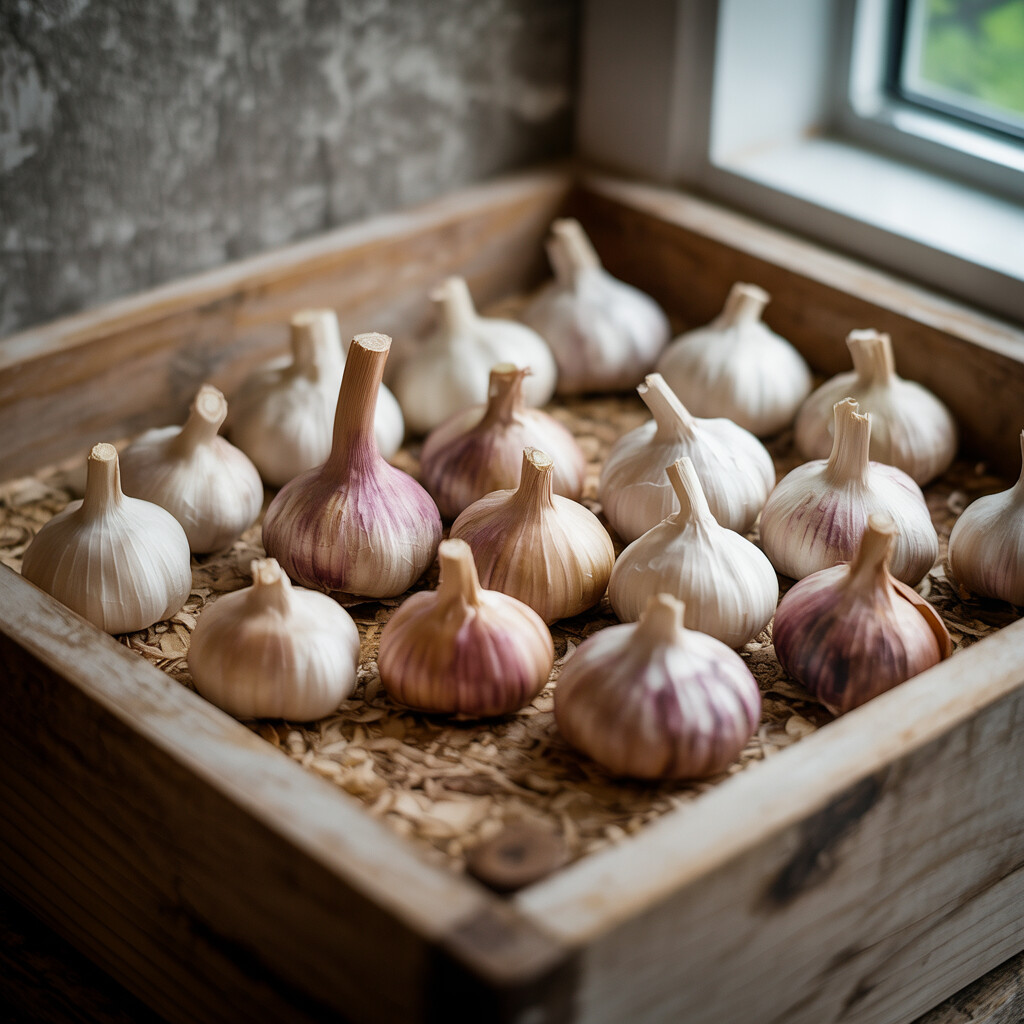
Ready to try your hand at making black garlic at home? I promise, it’s not as tricky as it might sound. In the ongoing debate of Black Garlic Vs Garlic, one challenge often comes up: not every grocery store carries high-quality black garlic. Your kitchen can be the answer. All you need are a few bulbs of regular garlic, a rice cooker or slow cooker, and a little patience. That’s it. No fancy gadgets, no need to order from mysterious online shops, and you never have to worry about what preservatives or processing are involved.
First, peel away any dirt, but keep the cloves inside their papery skins. Place the bulbs in your rice cooker or slow cooker; do not add water. Set the appliance to its “warm” setting, not “cook” (definitely not high heat), and let the magic begin. The container should be kept closed, as best you can, and in a space where some garlicky aroma is welcome. This process takes about 2 to 4 weeks. That’s not a typo – it really does take that long for the transformation. It’s worth it.
How to Household Guide – Turn Garlic into Black Garlic Easily
A home-based approach to Black Garlic Vs Garlic lets you control freshness, ensures no strange additives, and feels a little like tending your own culinary secret garden. For anyone who wants deeper guidance or to troubleshoot, I recommend diving further into the topic by reading a simple guide to making black garlic at home, which covers all the ins and outs in detail.
When the black garlic is finally ready, the cloves will look, well, black, and they are soft, spreadable, and chewy with a deep caramel smell. Store your black garlic in an airtight container in the fridge; it keeps well for 3 months or longer.
If, like me, you get a thrill out of turning basic ingredients into something exotic and irresistible, learning this home cooking method settles the Black Garlic Vs Garlic question for good. Yes, regular garlic is good. Made at home, black garlic is transcendent.
Conclusion: Embracing Black Garlic in Your Culinary Adventures
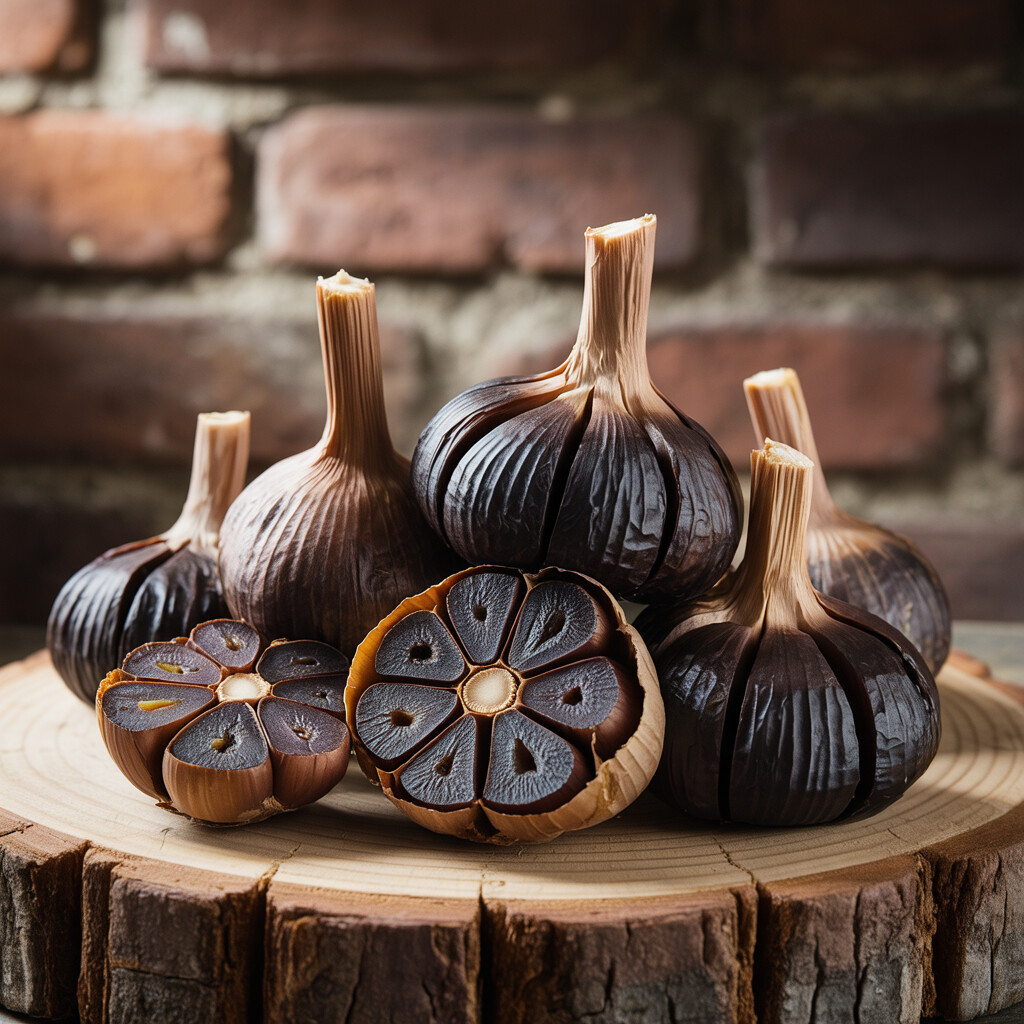
The world of garlic is much bigger than you probably thought, and black garlic has helped shake up kitchens everywhere. As we look at black garlic vs garlic, we have seen that their differences span from taste and aroma to health benefits and how you toss them into your favorite meals. Black garlic’s soft, sweet, and savory profile has turned it into the secret ingredient for anyone wanting to impress guests or simply treat themselves. Both garlics have their place on the plate, but there is something special about the flavor twist that a slice of black garlic offers. I will never forget the first time a gooey chunk melted onto my tongue and turned my garlic toast snack into a gourmet craving.
Jump In and Try Black Garlic to Elevate Home Cooking
Now comes the fun part. Finding the right black garlic products can be tough, but not impossible, and I promise it is worth every bite when you finally get your hands on some. It is a little more expensive, but because the flavor is so bold, you can use less and still make a big impact. Start simple at first: add black garlic to your mashed potatoes, spread it on a crostini, or drop it into a stir fry. Observe how the flavor changes, then branch out. Try layering slivers over pizza or blending some into salad dressing, hummus, or pasta sauce. If you cannot source high-quality black garlic at your market, try ordering online from a trusted brand, but I urge you to try your own batch if you enjoy a little slow food magic (and you have some patience)!
If you want to dive deeper into the differences, check out this resource on Black Garlic Vs Regular Garlic Key Differences In Flavor And Nutrition. It covers even more on how black garlic sets itself apart from the regular white garlic bulbs we all know.
Do not worry if you are new to specialty garlic. Start slow, pay attention to what you taste, and trust your nose. Your adventure cooking with black garlic will lead you to unique sauces, spreads, or even savory desserts more often than not. Remember, switching things up from black garlic vs garlic will keep your recipes, and your friends, coming back for more. Happy feasting!
Conclusion
Once you dig into the Black Garlic Vs Garlic basics, you see how beneficial this ingredient can be for your health, flavor, and kitchen creativity. The taste and health benefits set black garlic apart from regular, raw garlic. Be encouraged if you have trouble finding great black garlic near you—now you can make it at home and control the quality yourself.
By exploring new recipes, you may find black garlic’s rich umami key to your next favorite dish. Take the leap and make black garlic a staple instead of a rare treat. Your taste buds and your friends will thank you.
FAQ
What makes black garlic so different from regular garlic?
When comparing black garlic vs garlic, the real game changer comes from how each is made. Black garlic is regular garlic that has gone through a slow fermentation process. Instead of the pungent, sharp taste you get from raw garlic, black garlic morphs into a sweet, tangy, almost balsamic flavor. If you use it in a salad dressing, mashed into potatoes, or even sneak it into your burger, your taste buds can pick out the caramel notes with their eyes closed. You’ll notice more complexity and a softer texture, so it slips right into recipes where regular garlic would be a celebrity guest. Every time I slice open a clove of black garlic, my kitchen smells warm and inviting, almost like caramelized onions, and I daydream about what I’ll toss it into next.
Is black garlic healthier than white garlic?
When it comes to Black Garlic Vs Garlic, you might be surprised that black garlic could have the upper hand in some health departments. Your body absorbs more antioxidants from fermented black garlic than the raw stuff. Some folks even swear by it for immune boosts during cold season or better digestion after heavy meals. I like roasting black garlic heads and squashing them onto warm toast; it feels decadent, but I know I’m stacking my nutrients, too. You will still get classic garlic benefits, but black garlic’s unique compounds—called S-allylcysteine and melanoidin—offer added support for your heart and overall health. Who thought a morning snack could be this good?
How does black garlic taste compared to white garlic?
The difference in flavor is easy to spot in a Black Garlic Vs Garlic taste test. With black garlic, instead of the harsh kick from raw white garlic, you’ll get a chewy, molasses-like sweetness with hints of tamarind and aged balsamic. Your recipes with black garlic will mellow out, almost like how roasted onions add a layer of comfort to a dish. Sometimes, I toss black garlic into warm pasta with olive oil—it melts perfectly and transforms everything. You may still notice that deep umami backnote, but the offensive garlic breath that could scare small children and dogs is gone. White garlic is all about vibrant punch, but black garlic is graceful and comforting, like tucking yourself in with a culinary security blanket.
Can I use black garlic the same as regular garlic in recipes?
You can swap black garlic for regular garlic, but understanding the difference in Black Garlic Vs Garlic can help you level up dishes instead of just switching ingredients. Black garlic is not suitable wherever you’d use raw white garlic; its stickier texture and mellow taste work best swirled into dressings, blended in sauces, folded into mashed potatoes, or mushed onto seared steaks. If you reach for it when making grilled cheese, sprinkle of sea salt, then add slices of tomato—you’ve unlocked the next world of grilled comfort. So, while you can sub it into most savory dishes, just remember to start with smaller amounts and taste as you go. You can always add more.
Is black garlic hard to find at grocery stores?
Sourcing tips will help if you’re running into the common challenge of knowing where to find black garlic in the Black Garlic Vs Garlic comparison. You can sometimes spot jars of whole cloves or black garlic paste alongside specialty vinegars or gourmet jams. Give your produce clerk a wink; she may offer to order it if you ask nicely (mine did and that’s how I converted my whole block to black garlic fans). If finding the good stuff proves tricky, try making it yourself; all you need is a jungle of patience, some garlic, and a warm slow-cooker. Storage is easy—just stash unopened whole bulbs in your pantry. Once open, seal them and keep in the fridge up to four weeks—though I’d be shocked if they last the weekend.