

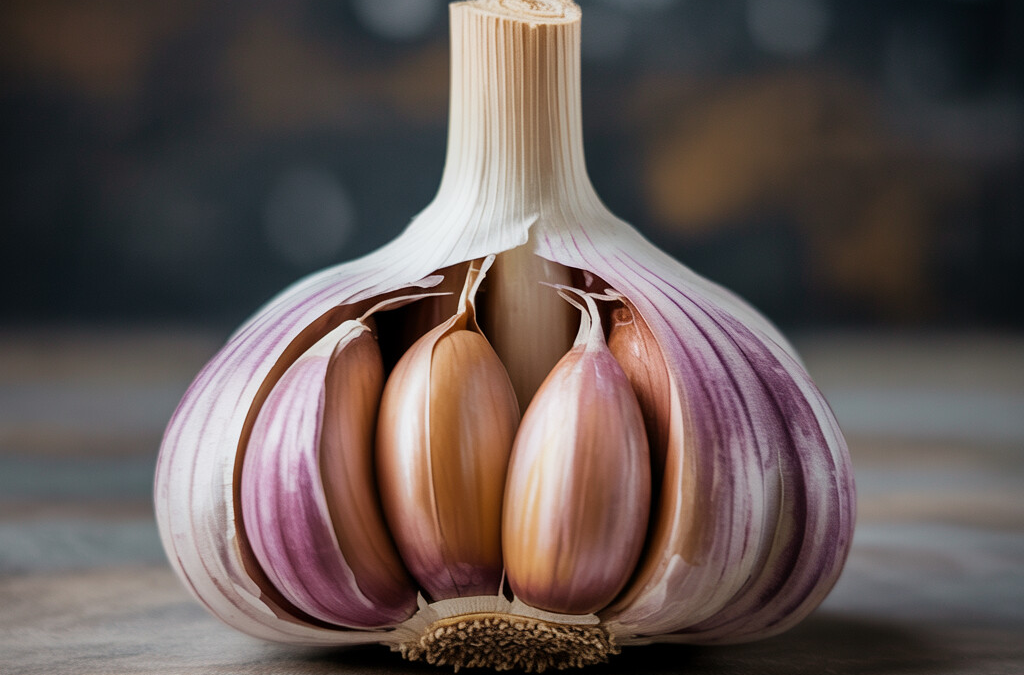
Regular Garlic Uses: Cooking and Health
Ever heard of a vegetable that started a 5,000-year-old war for flavor? That would be garlic. This familiar bulb gives wow-factor punch to dinner and a certain aromatic “oomph” to your kitchen (and, let’s be honest, all over your hands). Regular garlic uses totally live up to the hype: I threw a smashed clove into my spaghetti last weekend and, wow, the sauce did a little happy dance.
Most home cooks only reach for garlic out of habit, but there are way more regular garlic uses to consider. Those golden cloves do double (and triple!) duty; and since about half of American households keep garlic on hand, you’re likely already part of the flavor-packed club. Trust me, once you know the scoop, you spread the gospel of the allium like a pro. As you cruise through this guide, you’ll learn all the essential notes on regular garlic, before comparing and contrasting it with its richer cousin, black garlic. Ready to dive in?
Understanding Regular Garlic Uses in Everyday Cooking
If you’ve ever walked into a friend’s house at dinner time and said, Wow, that smells amazing! there’s a good chance garlic had a hand in it. Regular garlic probably sits faithfully in your kitchen right now, waiting for its big moment in almost every home-cooked meal. You crush it, mince it, or maybe toss whole cloves into roasts and soups. It serves as the everyday flavor backbone for pasta sauce, stir-fries, brisket, and even bread.
How to Make the Most of Everyday Garlic Applications
Most folks know a handful of classic, regular garlic uses by heart: sautéing a bit in olive oil before browning meat, rubbing it on steaks or chicken, or stirring it into chili. But have you tried letting the glory of a slow-cooked garlic mash shine over a seared steak or lentil stew? Roasting a head of garlic turns the cloves sweet and earthy, perfect for spreading on toast or dishing up with veggies. A simple omelet or pan of scrambled eggs tastes fancier with a little pressed garlic thrown in the pan just before you add the eggs. I usually buy regular garlic by the mesh bag and use a clove here, another one there, tucking the skins into freezer veggie stock while I’m at it. Even the simplest dressing or vinaigrette gains punch from fresh garlic whisked into lemon juice and oil.
If getting your hands on good-quality black garlic is tricky right now, don’t sweat it. Regular garlic can pull off lots of culinary magic. It disappears into butter sauces, upgrades salad platters, and makes grilled fish taste like something straight from a fancy chef’s dream. And if you love pickles, spicy salsas, or fermented veggies, it helps kickstart those recipes, too. The big deal is using it generously—and pressing, chopping, or grating it fresh when possible for the best pop of flavor.
As you explore more black garlic dishes, don’t forget all the classic, much-loved regular garlic culinary applications still waiting in your kitchen. If you have a recipe stash, regular garlic uses are probably flagged or starred in the margin of nearly every page. In short, garlic belongs in all spaces sweet or savory, bold or quietly subtle. Sometimes the best flavor heroes have been right there in the crisper drawer all along.
Health Benefits of Regular Garlic: What You Need to Know
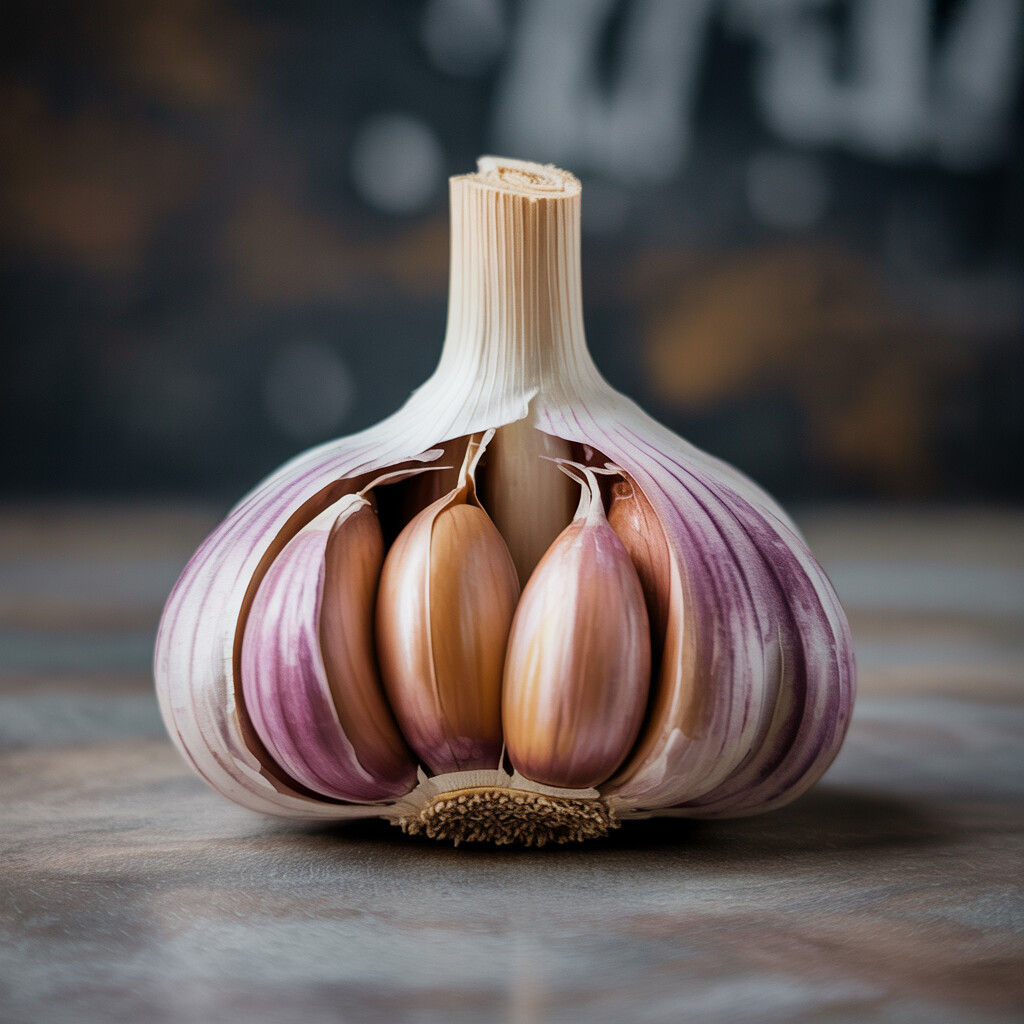
Let’s get to the heart of garlic’s reputation beyond the kitchen—its health benefits. When you crush a raw clove of garlic and catch that pungent, earthy scent, you’re not just prepping for your next meal. You’re unlocking a world of possible perks that go far beyond flavor.
Why People Use Garlic for Health Reasons
Much of garlic’s “superfood” status comes from a compound called allicin, which gets released when fresh garlic is chopped or crushed. This powerhouse is at the root of why garlic has always been considered a go-to for wellness. And hey, I can confirm from personal experience that crushing a clove or two is one step closer to kitchen confidence.
Studies show that people who regularly use garlic in their diet may experience:
- Better Heart Health: Garlic can help keep cholesterol and blood pressure in check, which is a big deal for many Americans—especially those with heart issues in the family.
- Immune Support: Got a sniffle? Regular garlic uses may help your immune system mount a better defense when those seasonal bugs hit. Folk sayings about eating garlic during cold-and-flu season aren’t just old wives’ tales after all.
- Naturally Taming Inflammation: Garlic is full of antioxidants, which can help reduce little aches and pains caused by inflammation.
If you’re already used to working garlic into pasta sauce, dressings, or even on your morning toast, you’re laying the groundwork for adding black garlic to your repertoire. Both offer unique perks, taste, and flexibility, so you don’t have to be limited if you can’t find black garlic right away.
Understanding both regular garlic culinary applications and its health benefits helps us appreciate why this allium family underdog has become a staple in kitchens everywhere. As we keep exploring garlic, you’ll see how easy it is to swap in black garlic for new flavors and health twists.
Nutritional Content of Regular Garlic: A Closer Look
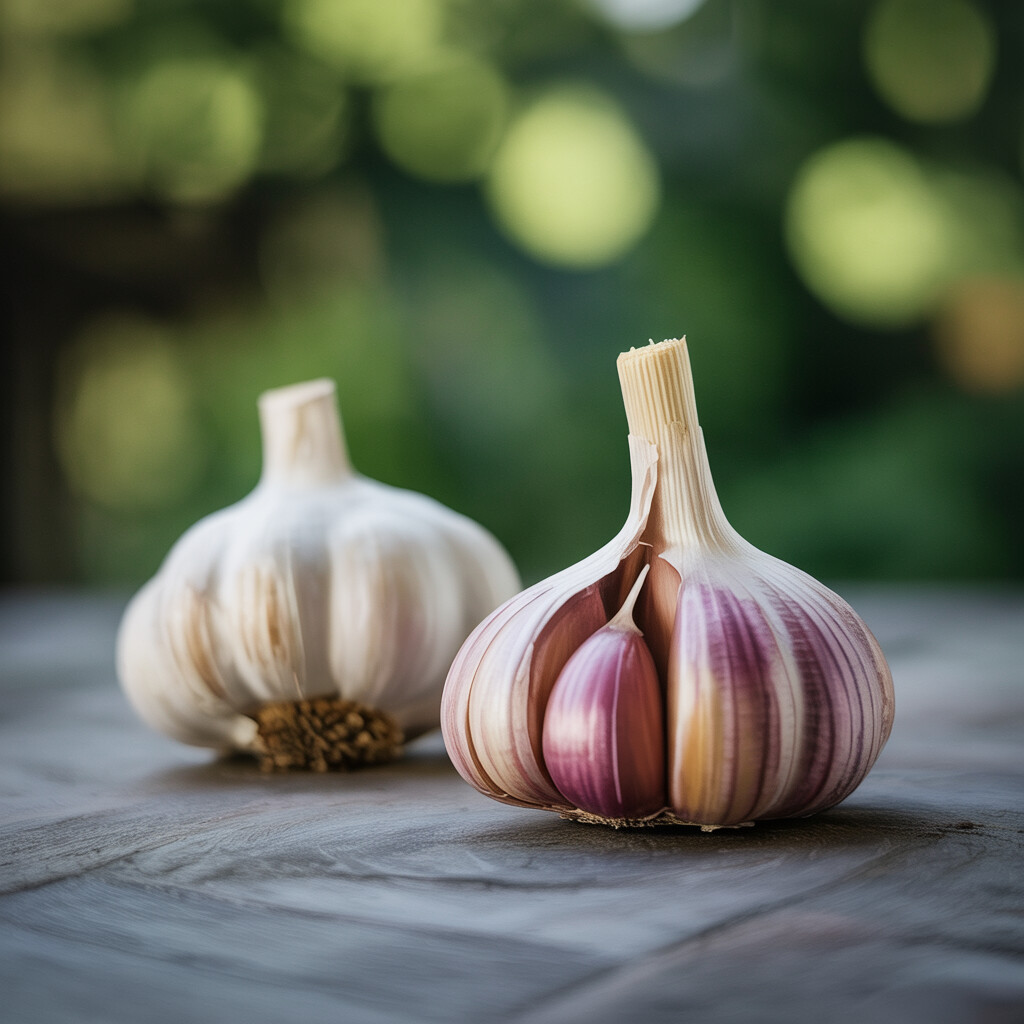
Take a closer look at what an everyday bulb of garlic really offers. Regular garlic is much more than a standard pantry item; its nutrition can help boost simple weeknight dinners and support your health. It is low in calories, basically fat-free, and naturally cholesterol-free, so it sneaks a few health wins into your meal even when all you did was toss a clove into your stir fry.
Regular Garlic Nutritional Value Breakdown
It is easy to undervalue regular garlic when powering through the produce aisle, especially compared with the drama forever swirling around “superfoods.” This simple table, though, makes it easier to grasp just how hard garlic is working without any show:
Regular Garlic Uses run from salad dressings to dinner entrees, but each clove supplies this impressive package. A clove holds a small, inexpensive dose of B vitamins and trace minerals like selenium, iron, and manganese. One clove is so tiny—a quarter is bigger—that the flavor seems almost unfair when weighed against its punch. Chefs toss two or three into a dish already high in leafy greens, bold dressings, and lean proteins, and nobody will ever know regular garlic was voted into the Top Ten Health Foods Hall of Fame by hundreds of cooks—and more than a few medical and physical fitness experts.
Regular Garlic Health Benefits tied right along with its nutritional content keep scientists buzzing. That old soul garlic clove is pathetically humble. Instead of kale-screaming itself across Instagram like a beauty influencer, garlic tucks in beside tomatoes and scooches up on a seat next to McCormick. It reminds us all that garlic typically benefits Americans with strong immune systems, higher iron levels, managed blood sugar, and healthy cholesterol already on board.
In my house, this isn’t mere decoration. It is South Mississippi Bee Season Garlic Season. If my kids or dogs got a bee sting, Mama blended up that garlic paste and tossed on a splat, stubbed in a medicine cup, and lathered all over. The garlic we relied on powered up an immune system that didn’t even know it was out of gas. Those who’d rather make dinner than medicine appreciate that [Regular Garlic Uses] run from old-fashioned healing to flavor powerhouse every single day.
Black Garlic vs. Regular Garlic: Key Differences
When you compare black garlic and regular garlic, you’re really looking at two versions of the same plant, separated by time, heat, and a bit of magic. Regular garlic is a kitchen mainstay. I go through bulbs like crazy, tossing chopped cloves in stir-fries or letting slices slowly golden in olive oil. Black garlic starts out as regular garlic, but it goes through a long aging process (think low heat and high humidity, for weeks). This process doesn’t just change the color. It transforms the sharp, potent garlic taste to something deeper, sweeter, and almost a little tangy, with the texture of a chewy dried prune.
Comparing Regular and Black Garlic Flavors and Uses
If I’m cooking, regular garlic uses are all about quick impact. Its pungency wakes up just about any dish—pizza, spaghetti, roasted veggies, name it. Raw garlic hits your senses head-on, while even a fast sauté can mellow the bite and draw out gentle sweetness. Black garlic, on the other hand, is much gentler. Eat it straight (no, really, just try a clove next time), and you’ll get notes that suggest balsamic vinegar or molasses, minus any bitterness. You can blitz it into a marinade, smash it into butter for warm rolls, or melt it into sauces without ever overpowering your food.
In a pinch, you could use them interchangeably, but you’d miss the real charms of both. If regular garlic is the reliable friend who tells you straight up what’s what, black garlic is the mysterious neighbor who bakes cakes you can smell for blocks. It doesn’t shout for attention, but it leaves a lasting impression—softening the edges of aggressive flavors and adding a silky, nuanced earthiness that’s unlike anything you get from a fresh clove.
Finding good black garlic doesn’t have to be tricky, either. You can grab it online, but if you’re game, making your own at home in a rice cooker or dehydrator opens up a whole new world of garlic uses. Next time you want to shake things up at dinner, swap regular garlic for black (or vice versa) and pay attention to how it changes the whole dish. That’s when cooking really starts to get fun.
Culinary Applications: How Black Garlic Enhances Your Dishes
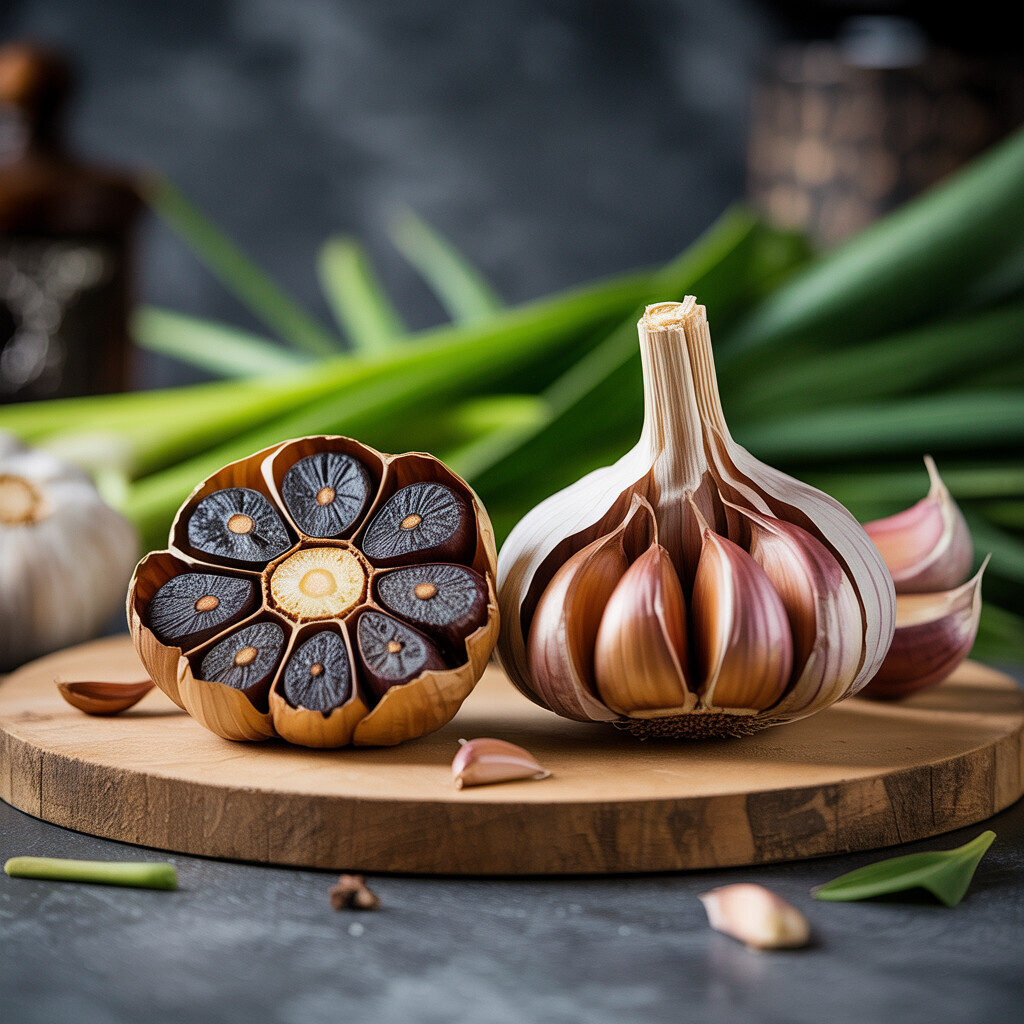
If you have only tasted regular garlic as part of classic dishes, like garlicky mashed potatoes or pasta tossed in browned butter and bulbs, you might be curiously unprepared for black garlic’s flavor adventure. As someone who always has a garlic press hidden in my kitchen drawer, I was blown away the first time black garlic transformed my dinner from “yeah, that was nice” to “where did all the leftovers go?”
Black garlic offers a sweet but earthy change-up to brilliant old favorites, and it also shines brightest as an ingredient on its own. Its flavor, complex and tangy, blends molasses, date syrup, and a faint promise of balsam all at once. Unlike the sharp punch of regular garlic, black garlic tastes almost brooding and haunting, with what foodies call umami—a savory depth usually linked to fancy aged cheeses or roast mushrooms. That means you can use it to accent everything you’d usually make, from salmon or roasted cauliflower to sauces or dressings. I once even whisked a squished clove into scrambled eggs and the results tasted like I’d finally figured out grown-up cooking.
Standout Dishes: Exploring Black Garlic Flavor Profiles
If you worry you can’t find quality black garlic, you’re definitely not alone. It’s still not at every grocery store in the US, but small-batch suppliers from across the country are popping up more and more. Don’t be afraid to grab some dried bulbs or paste online if the fresh stuff seems elusive at first. It keeps practically forever, and remember: a little goes a long way for its rich flavor to shine.
Swap black garlic in for minced regular garlic, and you might be delighted by how gentle but satisfying its flavor stays in risotto, brothy beans, fried rice, or creamy dips. Use a small food processor or fork with a splash of olive oil or hot water to turn individual cloves into a magnificent, sticky treasure that elevates sauces, dressings, pizza crusts, noodles, or a brown butter drizzle for steak or grilled vegetables.
As much as I respect the “old reliable” of garlic-centric favorites, the first crackle of roasted black garlic buds on sourdough toast won me for life. If you’ve been plugging black garlic into regular garlic uses, try a recipe crafted to show this dark beauty off. Half a clove diced into sour cream with lemon, chives, and salt makes an unforgettable tangy chip dip, or work into a black garlic vinaigrette or compound butter for roasted potatoes. When it’s marinated and blended, used as a spread, or mixed into glazes for grilling, black garlic proves that the biggest flavor adventures sometimes come in the smallest jars.
Cooking with newfound pride? Good. Then you’re already moving from plain “using garlic” into a full-fledged celebration of real black garlic culinary magic. Try it out—your taste buds and dinner guests will thank you.
Health Benefits of Black Garlic Compared to Regular Garlic
Ready for a surprise? Black garlic isn’t just a new face in the kitchen—some researchers and chefs are saying it offers real advantages over regular garlic in health benefits, too. If you’ve struggled to source quality black garlic, it might feel like a bummer, because you’re missing out—not just on the bold flavor, but maybe on a few wellness perks, too.
Comparing Garlic Varieties for Health Outcomes
Let’s start with what most of us know: Regular garlic uses range from seasoning meats and bread to adding a distinctive punch to soups and pastas. For years, folks have linked regular garlic to supporting the immune system and helping with heart health. Allicin, the active compound in raw garlic, is famous among nutrition nerds thanks to its antimicrobial and potential cholesterol-lowering effects.
This is where black garlic steps onto the stage. Through its special fermentation process (almost like garlic aging beautifully, not unlike fine cheese), raw garlic’s tough edges mellow out and its flavor sweetens. More importantly, the antioxidant content increases—many studies even estimate double the antioxidants compared to regular garlic. These antioxidants include S-allyl-cysteine, which shows up at much higher levels in black garlic. While regular garlic is no slouch, these unique antioxidants in black garlic may help fight inflammation, foster heart health, and offer some support for healthy cholesterol levels. The fermenting process also dials down the harsh bite of raw garlic, so more people can enjoy it without the pungent after-effects.
But reality check: Regular garlic uses belong on any shopping list. Raw, cooked, roasted, or pickled—it is accessible and affordable everywhere. In contrast, sourcing black garlic can be tricky and, let’s face it, not as wallet-friendly. Even so, I encourage every home cook to keep scoping out new options and maybe even consider making black garlic at home. Also, don’t forget to check out our Black Garlic Consumption Guidelines Health Benefits to discover how to get the most out of this superfood superstar.
So here’s the upshot. Next time you see black garlic available, give it a shot in your favorite recipes where regular garlic uses already shine. It might be hard to find, but when you do track some down, you get the satisfaction of bolder taste layered with some solid well-being benefits. Regular garlic is an old friend in the pantry—black garlic is that cool new friend with a few spectacular stories to share. Why not invite both to the party?
Incorporating Black Garlic into Your Cooking Routine
Black garlic might seem like a kitchen luxury, but you can bring its rich, mellow flavor into your everyday dishes with a few easy steps. I’ll reassure you—if you can find regular garlic at the store, black garlic just takes a little bit of extra searching. Try Asian grocery stores or specialty markets first. If you want to experiment and can muster some patience, some people even ferment it at home, although that requires a little extra readiness and planning.
Don’t be intimidated by the fancy vibe. Black garlic works great exactly where you already use regular garlic. Mash some cloves into mashed potatoes or fold them into creamy salad dressings for a sweet, savory upgrade. Spread soft black garlic directly on fresh bread or stir it into a warm bowl of noodles—you’ll be amazed at how fast it melts into a silky paste. You can grate it into pasta sauces, punch up ramen, or purée it into vinaigrette for a darker, earthier salad dressing.
Quick Tips for Adding Black Garlic Nutrition
If sourcing black garlic feels tricky, start by mixing a single clove into your favorite meals just as you would use chopped regular garlic—think chicken, tofu stir-fries, or roasted vegetables. Its softer, rounder flavor complements nearly any cuisine. Unlike regular garlic, there’s no harsh bite if you add too much, but a little still goes a long way.
If you already use regular garlic for its nutritional perks and everyday flavor, adding black garlic gives your recipes more variety and, let’s be honest, a little kitchen swagger. The joy for me is watching friends and family try it and get that “Wait…what’s in here?!” sparkle in their eye. You may find it becomes a staple that will take regular garlic uses in a bolder, adventurous direction.
Conclusion
Now that you know the basics of Regular Garlic Uses, you can see how humble garlic fits into everything from soup pots to salads. You explored a closer look at the nutritional content of basic garlic and zeroed in on what makes it so irreplaceable on your kitchen counter. With all that background, you now have a solid foundation for diving deeper into the world of black garlic.
If finding good black garlic feels like its own kitchen mystery, you are not alone. Instead of giving up on its amazing culinary potential, keep learning, try new recipes, and be part of the crew spreading the word about black garlic’s unique flavor and nutrition. Step into your kitchen, tie on your apron, and start making black garlic part of your routine—the next great ingredient worth exploring.
FAQ
How can I get the most flavor from regular garlic?
To get the strongest flavor from regular garlic, cut or crush it before using. Crushing or chopping releases allicin, a natural compound that gives garlic its punch and many of its health benefits. After chopping, let it sit for about ten minutes before cooking. I always enjoy that sharp, zesty smell that takes over my kitchen as it sits. Add it early to sauces or stews for max flavor or toss it briefly in oil at the end for a milder finish. Using these basic regular garlic culinary applications can switch up your cooking style while keeping dishes layered and interesting.
What’s the difference between black garlic and regular garlic in recipes?
Black garlic starts as regular garlic but gets transformed through slow fermentation and heat. This process mellows its flavor and gives it a jammy texture and rich, caramel-like taste. It works magic in sauces, salad dressings, and even desserts—think chocolate bark or tangy vinaigrette. Compared to regular garlic uses, black garlic is never overwhelming, so you get sweetness with a hint of umami instead of the bite. When I first tasted it in pasta, I barely recognized it as garlic and immediately wanted more.
Are there dishes where you shouldn’t use raw regular garlic?
You won’t want to add raw regular garlic to simple, delicate dishes, since its strong, sharp flavor can overpower subtle notes. Raw garlic also risks making sauces and dips taste harsh if used unchecked. I once threw too much chopped garlic into tzatziki—my lips hummed all night, but not in a good way. Regular garlic uses shine brightest when cooked in soups, stir-fries, and roasted recipes, softening both bitterness and that sharp zip. For milder, versatile flavor, use roasted cloves or add toward the end of sautéing.
Can regular garlic be used in sweet recipes, too?
Mostly, you’ll find regular garlic uses center on savory recipes, since its assertive profile can clash with sugar in desserts. For sweets or adventurous twists on drinks, black garlic or roasted shallots create intriguing, deep, molasses-like notes without the sting. Once, a friend made me chocolate truffles laced with black garlic instead of regular. At first I was suspicious, then delighted—the garlic was mellow, subtle, and complemented the cocoa rather than fighting with it. For sweets, stick with that approach unless you’re up for a bold experiment.