

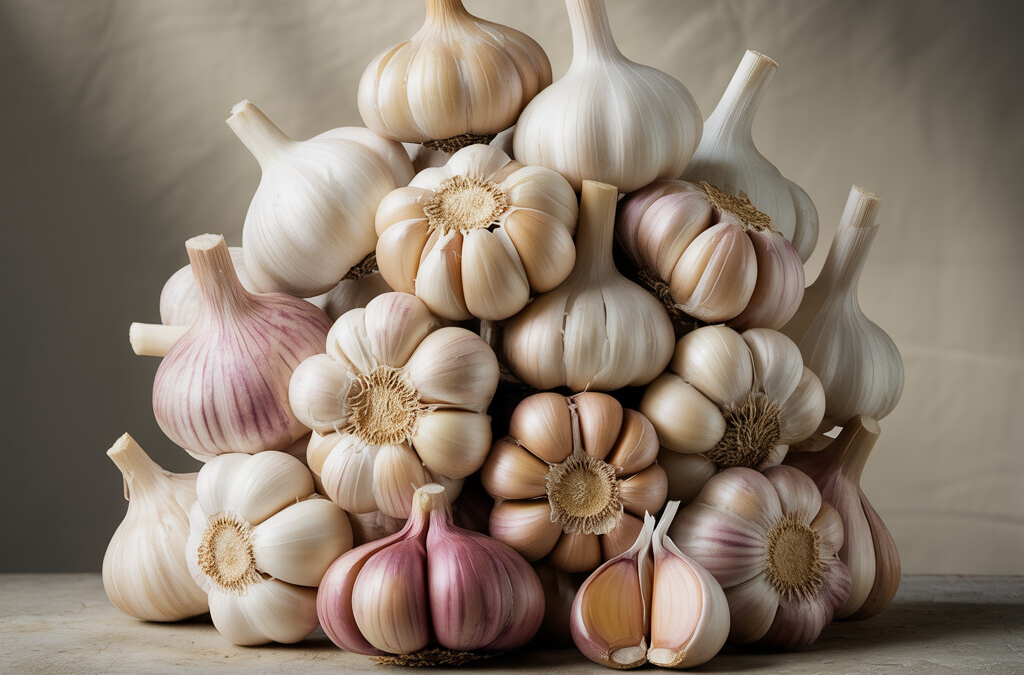
Regular Garlic Availability: Year-Round Insights
Can you picture the fresh smell of garlic browning in a skillet? I can, mostly because I make that smell a little too often. Regular garlic is the flavor backbone in so many dishes, you’d think it grows on trees. But getting it fresh and plentiful can be trickier than it seems. Sure, there’s regular garlic availability in grocery stores nearly year-round. Even though most of the supply is imported (about 87 percent, in fact), the quality can shift with the seasons. You’ve probably noticed some bulbs last longer than others, and sometimes the fresh stuff just looks tired. Still, on a good day, spotting plump heads in the produce aisle is like finding treasure. Last weekend I came across a bumper crop of firm, purple-streaked heads twice the size of golf balls and almost did a cartwheel by the celery just to celebrate.
Regular garlic stays on your counter, waiting to liven up almost anything: your sauces, taco nights, or maybe a Caesar salad you feel too lazy to make from scratch. But it’s not the only option. This pocket guide to regular garlic availability will compare regular and black garlic and help you find both in stores, markets, or maybe even your own backyard. We’ll talk about flavor, culture, health perks, and fresh new ways to use each. Ready to dive in?
Understanding Regular Garlic Availability in Grocery Stores
If you find yourself gazing at a row of garlic bulbs while daydreaming about black garlic magic, you’re not alone. To master the fine art of black garlic, first let’s talk about where regular garlic fits in the culinary lineup. Most big grocery stores here in the US keep regular garlic out and ready for action, 365 days a year. Usually, you’ll find it as whole bulbs tethered together in mesh bags or perched right near the onions. Some groceries also offer pre-peeled cloves in little tubs, and you might spot single bulbs hanging out in baskets near the produce section.
Navigating Regular Garlic Stock at Your Local Store
It helps to know what you’re looking for. The most common variety on US shelves is softneck garlic. If you spot a bulb with uniform white skin and a rounded shape, you’ve probably found its softneck cousin. Hardneck garlic, with purple striping and a single row of big cloves, tends to appear less often and usually pops up at specialty grocers or the Saturday farmers market—not your average stop and shop.
Even though regular garlic availability stays high, there’s still a world of difference when sourcing something as rare as black garlic. For regular garlic, from midweek stir-frys to your weekend roast, availability rarely dips. Grocery chains import it from California and even farther afield, so the shelves stay full in most seasons. Yes, the quality of a summer-fresh bulb from the farmer’s market is hard to match, but for most everyday uses, the stuff next to the avocados does just fine.
Regular garlic availability remains a real staple, offering ease and variety in your shopping list and setting the stage for fancier garlic tricks. Next up, we’ll explore why you may see subtle shifts in the garlic supply—and what to do when it matters most.
Seasonal Variations in Regular Garlic Supply
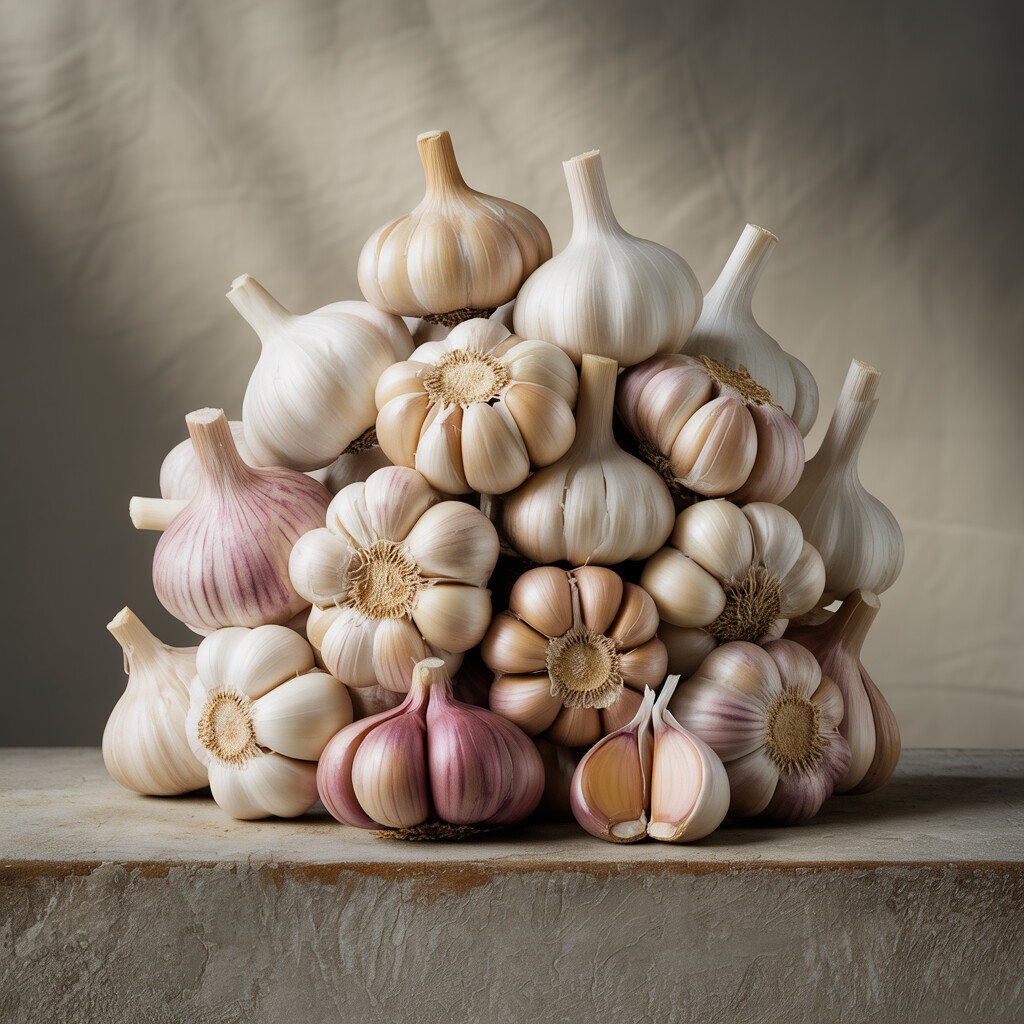
If you’re like me, you’ve probably noticed that regular garlic is not always the same in every grocery store, month after month. That’s because the supply and quality can go up and down depending on the season. In the United States, garlic is usually harvested in late spring or early summer. After harvesting, it gets dried and shipped all over the country so it can show up on store shelves through fall, winter, and even early spring. It usually hits peak freshness around July and stays in good shape for most of the year thanks to the drying process.
Still, not all regular garlic lasts as long or tastes as bold as it does in its prime. Sometimes, you’ll find a fresher, firmer bulb with thick papery skin and solid cloves. Other times, especially in late spring, you may find more sprouted, softer, or drier bulks at your local shop. Luckily, regular garlic availability remains pretty reliable. Even if the selection dips in winter or spring, you’ll almost never have trouble finding some, in part because the U.S. imports garlic from around the world.
How Seasonal Shifts Affect Fresh Garlic Access
During the height of garlic season, the bulbs you see will likely look and smell fresher because they’re recently harvested and local. Offseason, suppliers lean more on storage garlic. These bulbs spend a good deal of time in controlled conditions to keep them fresh. They still work for most dishes, but you might notice a slightly milder taste or a touch less punch as spring draws to a close.
As a garlic lover, I look forward to those plump and powerful U.S.-grown bulbs right out of harvest. During the colder months when that option may dwindle, I focus on other creative options. Maybe I’ll roast a head or turn toward more specialty garlic options, like black garlic, whenever I want to push the flavor envelope. The good news is that no matter the season or the little hiccups in regular garlic availability, there are always ways to explore the full spectrum of garlic’s flavor and power in the kitchen.
Bulk Buying: Ensuring Regular Garlic Availability Year-Round
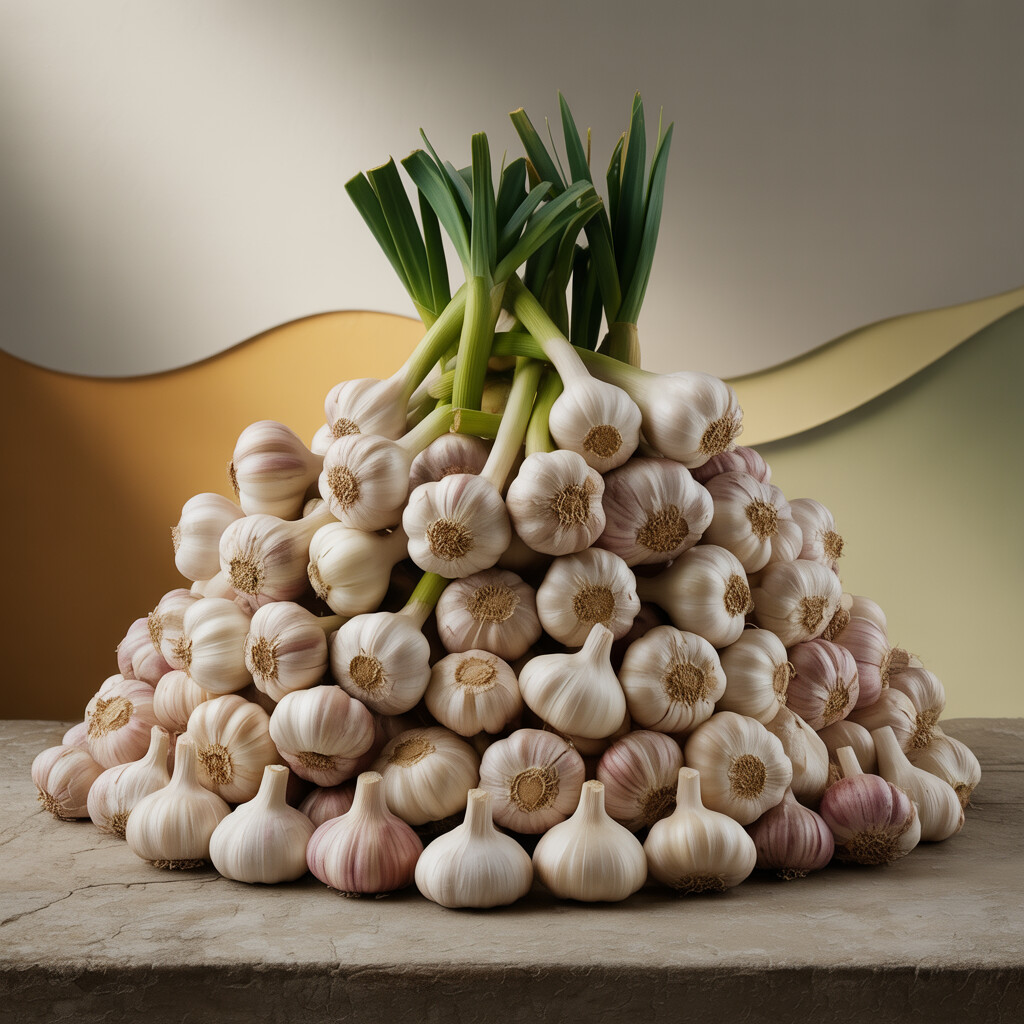
Regular Garlic Availability fluctuates with the seasons, but that does not mean your kitchen should lose its steady supply. The trick? Buy in bulk when garlic is lush and prices are good. Trust me, nothing looks more inviting than a neat row of garlic bulbs ready for action. Grocery stores and warehouse clubs often offer attractive deals on fresh garlic if you buy by the pound or by a mesh bag.
Garlic Storage Options for Long-Lasting Freshness
There is one golden rule when storing your garlic haul: keep them cool, dry, and in the dark if possible. You want good airflow, too, so skip the sealed plastic bags for whole bulbs and use a mesh bag, basket, or even a brown paper sack tucked in a shady pantry. If you are looking to keep Regular Garlic Availability high (and your food waste low), keep individual cloves attached to the bulb until you need them. Peeled cloves and chopped garlic can also ride out life in the freezer; just pop them in an airtight container. If you are feeling extra handy, roasting garlic and storing it in olive oil is always a great route for mellow flavor, but make sure you get the food safety steps right to avoid any spoilage.
Plan ahead by buying more than you think you will use, then store some for later. You always win when you do this. Since price hikes can hit during peak demand, stocking up ensures you keep Regular Garlic Availability high without annoying store shortages. If you live miles from town (farmer friends, you know the drill), you are set for months.
Want to save even more? Split an order with a friend or neighbor, then use the opportunity to try new recipes together. Bulk buying garlic brings a little laughter and great food right to your door. Since quality black garlic can be tricky to find, keeping a steady supply of regular garlic for fermenting experiments is always a wise move. Now that you have mastered Regular Garlic In Grocery Stores and home storage, get ready to compare the rich flavor journeys of black garlic and its rowdier, classic cousin.
Black Garlic vs. Regular Garlic: A Flavorful Comparison
If you love exploring flavors in your cooking, comparing black garlic with regular garlic is like watching two personalities on a cooking show—both vibrant but with very different strengths. Regular garlic brings that crisp bite and zesty punch you may know from pasta sauces or those garlicky mashed potatoes that send your taste buds on a vacation. Its sharpness mellows a bit once it’s roasted, but the core flavor stays bold and straightforward. Depending on Regular Garlic Availability at your favorite grocery store or local farmers’ market, you can expect to find fresh, firm bulbs almost everywhere.
Black garlic enters the scene darker and sweeter, but not in a high-fructose fake kind of way. It tastes complex and earthy, hinting at molasses, aged balsamic, and smoky undertones (without burning your nose the way fresh garlic sometimes can). Black garlic’s unique flavor developed during its long, amino acid–shuffling fermentation process. I would say it comes with a subtle umami essence as if garlic was invited to dinner and decided to wear a tuxedo.
Regular Garlic Availability is so consistent that you may forget just how magical garlic can be. You might consider adding black garlic to your spice cabinet for dishes where a softer hand delivers more excitement.
Real Ingredient Inspiration: Cooking with Black and Regular Garlic
Try roasted regular garlic hidden under the buttery crust of toasted baguette slices. Add a fine dice to homemade ranch or blend it into mac and cheese for a creamy punch. Black garlic, because it is soft and sticky, spreads almost like an aged cheese and plays so well in risottos, herbed butters, baked potatoes, compound spreads, meats, and even chocolate brownies.
If you’re an experimenter but are dealing with scarce shelves, you can often find this treasure in a well-stocked natural foods store, specialty markets, Asian grocery stores, or online. Give both versions plenty of time in your kitchen—they’re more partners than rivals. Take a look at Black Garlic vs Regular Garlic Taste Sweetness Meets Pungency for recipes that blend both forms for elevated weeknight meals.
Health Benefits: Black Garlic and Regular Garlic Side by Side
If you put regular garlic and black garlic in the lineup for a health-boosting contest, it’s a close race. Both bring extra flavor to dishes and give your body a hand in staying strong. Regular garlic is the go-to for many families because it’s everywhere: you’ll spot it at stores and markets all year. Think of it as the sturdy sidekick you didn’t know you needed for everything from pasta to stir-fry.
Now, black garlic is a bit more mysterious. It’s regular garlic that’s been aged and fermented until soft, sweet, and packed with antioxidants. Thanks to this extra step in preparation, black garlic sometimes beats regular garlic with higher concentrations of S-allyl cysteine, which helps the body absorb the good stuff. Imagine biting into a rich, plum-like candy that helps your heart; that’s black garlic, sneaking into your sauces and spreads with mellow elegance.
Comparing Health Perks: Black Garlic and Classic Garlic
Both types of garlic can help lower blood pressure and cholesterol and support immune function. They’re also both celebrated for possible cancer-fighting power. Regular garlic still holds its own though. Many folks prefer to stick with what they know and appreciate regular garlic for its punchy, familiar flavor and its easy Regular Garlic Availability at every grocery store.
The trick with black garlic is finding a good source. Since it’s often absent from regular grocers, that’s a real challenge for fans. Some folks try their hand at aging it at home because the health rewards are worth the wait.
The bottom line? Fresh or fermented, both boost your dishes and your health. If stumbling on top-quality black garlic in your area is tough, fill your basket with regular garlic for all its everyday goodness and keep your eyes peeled for a source of black garlic you can trust later. With some planning and a bit of curiosity, you can have the best of both worlds right in your kitchen.
Culinary Uses: Incorporating Black and Regular Garlic into Your Cooking
If you are diving into cooking at home, garlic is something you reach for a lot. Sometimes it is classic white, sometimes it is the mysterious and moody cousin: black. Why stick with regular garlic when black garlic is here to play? Regular garlic brings the familiar bite. Black garlic offers smooth, jam-like notes of molasses, balsamic, and tamarind. Let us get both kinds working their magic in your kitchen.
Adding and Substituting Garlic in Your Dishes
In the United States, regular garlic availability matters, since we build our flavors on it. I toss a clove or two into pretty much every soup or sauce—it wakes up canned tomatoes, brings a little heat to beans, and will save even a sad weeknight stir-fry. Add it at the start if you want mellow garlic vibes or at the end for a punch that zings in your mouth.
With black garlic, remember it is less about punch, more about lazing around in luxury. Mash it with butter and spoon over steak, or melt into a creamy goat cheese dip. Fold it into pasta, swirl into mayo, or use in place of honey or brown sugar in vinaigrettes. It will caramelize a bit under the broiler, so slather on fish right before cooking.
If you have got access to quality black garlic (which is still a bit specialty), use it where you would want power and umami together. If you are out of black garlic, simmer regular garlic very slowly in a splash of olive oil; it will brown, sweeten, and mirror some of those sunset notes you find in black garlic.
Cookbooks will try to show off, but real cooks know that timing is what builds flavor, along with plenty of seasonality, and a little luck in getting just the garlic you need. Regular garlic availability is a cinch in big grocery stores and buying in bulk helps, too. That opens up fresh takes for pickling, roasting, and chapatis, among others.
My tip: Taste as you season. If regular garlic tastes harsh, use just a bit right at the finish. If making salad dressing, take it low and slow. To maximize black garlic, think about which cooking step leans into sweetness (like caramelization or low roasting) instead of sharp, raw spice. I keep a jar in my fridge; grab a clove when your kitchen needs that little marvel of color.
Storage Tips: Maintaining Regular Garlic Availability at Home
Got a bunch of garlic bulbs sitting around? You’ll want to make sure they stay fresh as long as possible, right? Avoid the dreaded rubbery cloves or fuzzy bottoms with a few simple storage strategies. It’s all about using what you have on hand and keeping that regular garlic availability going strong.
Keeping Fresh Garlic on Hand: Simple Home Storage Hacks
First, find a cool, dark spot for your garlic bulbs. The kitchen pantry or a cupboard away from direct sunlight works well. Good airflow is must. Garlic can trap moisture like rain in a muggy summer if you stash it in a plastic bag or tightly sealed container. That excess moisture equals sad, sprouting cloves in no time. Instead, try a paper bag or mesh bag you snagged from the grocery store produce department. Even better, a small bowl or ceramic garlic keeper will let air do its job and slow down the sprouting process.
Don’t put garlic bulbs in the fridge unless you’re a fan of green shoots and softer texture. Cold temps trick garlic into thinking it’s time to grow. The only garlic stash that belongs in the fridge is pre-peeled or chopped, stored in a tightly sealed glass jar for up to a week.
If you buy garlic in bulk, inspect the bulbs weekly. Cook with the softest cloves first or roast the whole thing if your plans change (nothing like the thick smell of caramelized, spreadable garlic oozing from the oven). Catching garlic early not only helps reduce waste but keeps your dishes humming with that pop of flavor. Chopped extra garlic? Pop it in a small freezer bag, press it flat, and you’ll always have it ready for soups or pasta sauce.
Don’t let poor storage tank your regular garlic availability. A few household tweaks make it easier to toss garlic into every dish, whenever you want.
Exploring Black Garlic: Where to Find and How to Use This Unique Ingredient
If you’re on the hunt to try black garlic, I get it: finding a jar on U.S. grocery shelves can feel a lot like hunting for hidden treasure. Unlike regular garlic, which is restocked like clockwork next to the onions, black garlic’s sweet, earthy cloves might not be as easy to find. Fear not, fellow food explorers. Let’s dig into a few practical tips to help you source high-quality black garlic right here in the States.
Sourcing Black Garlic: Reliable Ways to Track It Down
Start local. Specialty grocery stores with global food sections, high-end food markets, or natural co-ops often carry jars of black garlic. You can usually find it near the gourmet vinegars and olive oils I know and love. If you love chatting with people who love food, strike up a conversation with a store manager. They’re often excited to talk about new products and will sometimes order specialty items if there’s enough interest.
Still no luck? Farmers markets and garlic festivals sometimes feature regional vendors who use regular garlic from right down the road. Local growers’ clubs also offer a gold mine of connections—plus, you can often ask questions to make sure you get the quality you want.
If shopping in person isn’t panning out, food websites and social media can help you locate black garlic as well. A quick online search shows several reliable sources to have it delivered to your doorstep. Just pay attention to ratings and reviews for quality control.
When scouting for black garlic, look for berries or peeled cloves that are soft and sticky with almost no “give” in their center—that means they’re sweet and fermented to the core. Avoid anything that feels too dry or looks hard.
How do you use black garlic now that you’ve got it in your hands? Drop a clove into homemade hummus, stir it into mashed potatoes, or whisk it into your next salad dressing. When I cook up burgers, a little mushed black garlic goes under the bun—it’s like grown-up ketchup.
Mix and match with regular garlic for even bigger flavor combos and a full range of garlicky zing. Black garlic pairs with roasted veggies, aioli, cheese boards, umami braises, and even chocolate-based desserts.
Black garlic might not have regular garlic availability just yet. Still, growers are catching on to its rising stardom. Increased demand means sourcing black garlic will get easier. For now, enjoy the chase—and all the new ways to elevate old favorites. Dentists might not appreciate your enthusiasm, but your inner chef will.
Conclusion
Thinking back to our chat about getting just the right amount of fresh bulbs and making the most of flavorful storage tricks, it’s clear that planning for regular garlic availability opens up more creative dishes throughout the year. Even when black garlic is tough to find, having a stash of regular cloves means you’re always prepped for home cooking. Now you know some easy tricks for buying in bulk and proper storage, so even your late-night garlic cravings stand a fighting chance.
If black garlic is new to your kitchen and you haven’t found a local source, don’t let that hold you back. Try simple, practical swaps like aging regular garlic at home, and find creative ways to showcase black garlic’s unique flavor whenever possible. Garlic’s versatility will surprise you again and again—inspire fellow cooks by sharing your efforts, learning from each other, and, above all, celebrating the joy of bold flavor.
FAQ
How can you find regular garlic in grocery stores year-round?
Luckily, regular garlic is available in just about every grocery store, and you’ll usually find it in the produce section. Regular garlic availability is quite reliable. Even in the winter, you don’t have to go far; your local store will almost always have bulbs on hand. If you’re searching in a smaller shop, check that corner by the onions and potatoes. I once went out for late-night spaghetti fixings and found five different garlic varieties near the salad greens, so it pays to explore the whole produce area. Your best bet? Scan the bins that hold fresh root veggies or ask the first employee you see.
How does season affect regular garlic supply in stores?
Regular garlic availability varies just a little with the seasons, depending on where it’s grown. U.S. harvests peak in late summer and early fall, making those months the easiest for snagging super fresh bulbs at chain stores and farmers’ markets. In the offseason, you’ll still see hard-neck and soft-neck garlic in stores, but it’s usually imported or cold-stored. That means slightly less variety, but you won’t need to worry about shortages. One summer, I visited peak garlic season in Gilroy, California. Even the air outside Whole Foods smelled like fresh allicin.
Is it practical to buy regular garlic in bulk for year-round use?
Buying regular garlic in bulk is a smart move for any home cook. Regular garlic bulk buying helps you save money, and ensuring regular garlic availability means you’ll never have to make a late-night store run in your slippers again. You just need a cool, dry spot away from sunlight and some solid airflow (please, no plastic bags). One time, I bought a giant braid of hard-neck garlic at a roadside stand and stashed it in a basket on my kitchen shelf; it lasted two and a half months without a single bad clove. Bulk buying? For most Americans, this trick works best in cooler climates.
How do you compare regular garlic to black garlic in terms of flavor and availability?
Comparing black garlic to regular garlic is like comparing chocolate chip ice cream to vanilla—you get similar roots, but with different personalities! To guarantee regular garlic availability, just take a trip down your produce aisle. Traditional garlic packs a fiery bite when raw and mellows in heat; by contrast, black garlic owes its sweet, jammy taste to a long fermentation, so it’s much harder to find. Start with the basics: if you want reliable options for most recipes, keep regular garlic on hand. If you spot black garlic at a fancier store, snatch it for cheese boards or fancy steak night.
Which stores offer reliable regular garlic supply, and how can you make sure you always have enough?
Everyday grocery chains keep a solid supply of regular garlic, and availability is rarely a problem. Your go-to megamart, small specialty market, or warehouse club will all stock affordable heads year-round. Keeping regular garlic on hand at home means cycling your purchases just like you do with potatoes or onions. If you’re very garlic-loving—hello, that’s me—you can check the organic aisle or spice section for dried and powdered garlic, too. If you really want to be sure you’re never out, reserve a small garlic basket on the counter so you always know exactly how many bulbs you have left. Trust me, you’ll eat them all!