

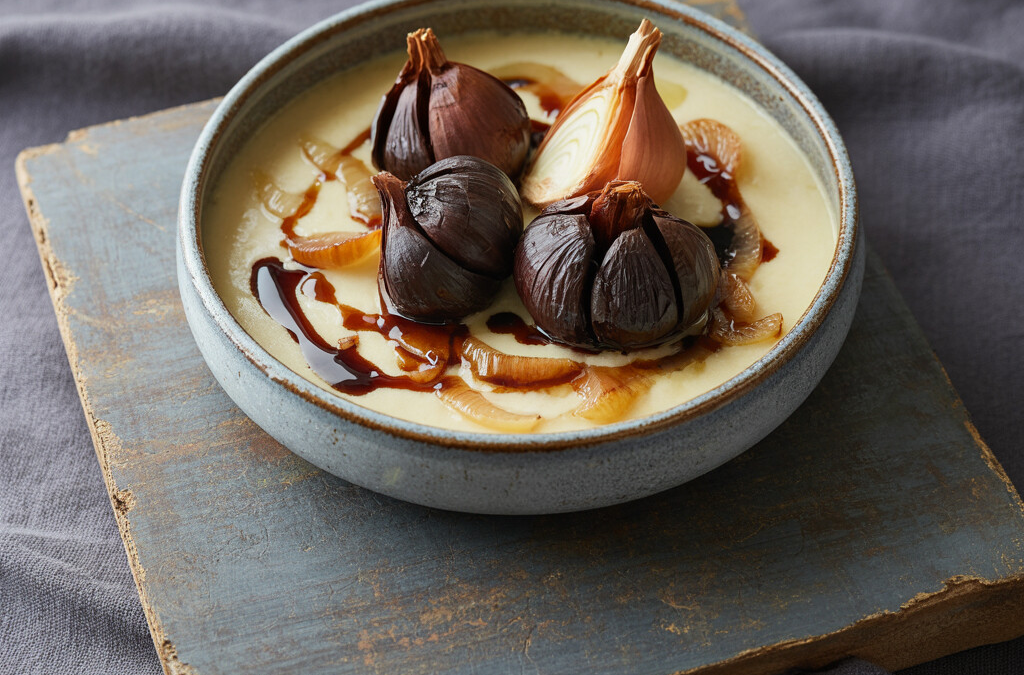
Black Garlic In Western Cuisine: A Flavorful Guide
A single bulb of black garlic can punch up a whole dish with just a few cloves. Who knew transforming something as humble as garlic could add such a dark edge? Cooking with black garlic in Western cuisine has taken off—recent trends hint that its popularity has more than doubled in US kitchens this past decade. It’s easy to see why: open the jar and you get sweet, tangy aromas, with soft cloves that look a little evil but taste surprisingly mellow and rich.
Last weekend I spread these caramelized gems over toasted sourdough with a generous pat of butter, then my kids practically inhaled it before I even sat down. Black garlic in Western cuisine brings strange-yet-strangely-comforting flavors to everything from meat to mushroom pasta salads. The best part, you don’t need to fly to Europe, hunt obscure local markets, or even find a specialty food store—making it at home is easier than you think. If you’ve ever wondered how to make black garlic for American recipes or Mediterranean dishes, you’re in the right place. Ready to dive in?
Understanding Black Garlic: A Culinary Treasure
One of the joys of discovering a new ingredient is figuring out all the ways it can fit into the foods you already love. Black garlic is a prime example. It started as a special find in high-end Asian restaurants, but today, even regular folks, foodies, and casual cooks are getting a taste of what makes it truly unique. Its mellow, deep, and almost tangy profile works wonders with roasted meats, blends like magic into dressings, or stands out as a topping on just about anything: think charred vegetables, watermelon salad, or a basic burger on a chilly afternoon.
Why Black Garlic Has Become Popular in Western Dishes
The growing demand for Black Garlic In Western Cuisine comes from people who want new and memorable tastes. Messages buzz on phone screens: “What IS this stuff?” “How do I use it with my salmon, roast chicken, and pizza tonight?” People are ready for something new, and black garlic feels more mysterious than aged cheeses or vinegar candies.
Unlike anything else, black garlic brings an easy umami punch to comfort food and simple weeknight meals. Plus it has no biting edge like normal raw garlic or young green onions, so even the pickiest eater can join the black garlic fan page. Instead of being a rare luxury or hard-to-find store item, you can make black garlic at home with pantry staples and a bit of patience.
From pasta sauces in the Midwest to tossed sweet potato salads in California, black garlic works both as a secret ingredient and as the main flavor in flashy spreads, dips, and compound butters. This is part of what secured Black Garlic’s cool-kid reputation in Western Cuisine: it’s versatile, a little surprising, and becoming easier to spot in farmer’s markets, gourmet shops, and stores across the country.
So, why does black garlic matter to home cooks? It is the missing trick to shake up everyday favorites and wow your friends, whether you are out celebrating, watching the big game at home, or teaching the kids what umami really means. In the guide that follows, you will see why Black Garlic In Western Cuisine is an experience everyone should try for themselves. Once you get it, you will not want to let it go.
The Science Behind Black Garlic’s Transformation
Most of us first came across garlic as a fiery, almost punky ingredient. But black garlic channels that same aroma into a velvet-rich, deep jamminess. So, what’s going on beneath those inky, chewy cloves? Here’s the story.
Unraveling the Magic of Black Garlic in Modern Western Meals
Black garlic doesn’t grow on some mysterious vine or arrive by parachute from specialty markets. It starts life as ordinary garlic tossed into a fragrant oven or rice cooker, transforming in a weeks-long nap somewhere warm. What makes it change so drastically, and what does that change taste like?
During the gentle heat treatment, the garlic undergoes a process called the Maillard reaction. No, it’s not as complicated as it sounds. Instead, it’s a chemistry party between sugars and amino acids that unlocks new flavors and colors. This classic boost turns white, sulfur-punchy raw cloves into sticky, tangy pearls of umami with curious hints of molasses, balsamic, fig, and mushroom.
It’s a far cry from roasted garlic or fresh garlic bread, that’s for sure. I’ll tell you from experience: As black garlic matures, the enzyme alliinase (responsible for the familiar bite when cutting into a clove) breaks down. What grows in its place might remind you of miso or licorice candy more than tzatziki or garlic knots. That softer edge pairs just as well with beef and mushrooms as it does with bourbon-glazed salmon or pork carnitas. That’s a big reason black garlic is becoming a darling in restaurants where “surprise and delight” have replaced “simple and safe.”
Black Garlic In Western Cuisine has had a ripple effect, too. European chefs were some of the first to fall for its chocolate-and-allium flavor. Stateside food innovators then caught on, working black garlic into steak rubs, wild rice salads, even Manhattan cocktails. Black garlic is now popping up in bistro sauces and test kitchen dressings, while its faint balsamic scent wafts out from grilled velvet pasta in places I wouldn’t have guessed.
No mystery shopping trips or bank-breaking cheese caves are needed for black garlic. The real adventure is witnessing garlic’s captivating transformation for yourself and opening new wardrobes of flavor to discover. If you’re drawn to Black Garlic In Western Cuisine, are dabbling in European or American fusion dishes, or eyeing Mediterranean twists, a tray of homemade black gold is much more accessible than you think.
It may sound a bit sciencey at first, but it’s mostly patience, a dash of curiosity, and a cozy spot on your kitchen counter. Pull up a chair: The science truly is delicious.
Essential Equipment for Making Black Garlic at Home
If tracking down high-quality black garlic feels hopeless, I have good news: with just a few beginner-friendly tools, you can make rich, sweet cloves in your own kitchen. No secret chef gadgets are required. I gave up after burning two pots of garlic, so it took me a while to learn that people with Black Garlic In Western Cuisine swear by slow, steady patience instead of fancy gear.
Must-Have Home Tools for Black Garlic Success
Serious black garlic chefs have stirred old town rumors about custom fermenting boxes and precise humidity machines. You’ll be relieved to hear you probably already have what you need: a rice cooker or multicooker, plus a little foil and some patience. Those basic tools help any home cook transform sharp, ordinary bulbs into the plump, jammy black cloves trending in Western kitchens.
Set your timer for two to four weeks. Your garlic slowly “cooks” in gentle, sticky heat until it softens. The rice cooker keeps it all in a happy, even warmth, which means you’re doing exactly what any popular chef using Black Garlic In Western Cuisine would do. Wrap the bulbs tightly in foil, check on them, and embrace that slow, forgiving pace.
If this all sounds old-school, that’s because it is. French and Italian grandmothers have used similar “keep it warm and hands-off” tricks for generations. If smell is a worry, simply wrap each bulb twice in foil, then keep an open window for fresh air. The house will smell earthy for a few days, yet it’s a great teaser for the sweet magic to come.
While specialty machines do exist, they’re far from essential. Your reliable rice cooker helps transform basic white bulbs into rich black garlic prized by so many chefs and foodies. If you’re as into this niche as I am, you can find guides and handy charts for homemade black garlic right here—without needing anything but what’s probably in your pantry.
With tools this simple, you can impress your family or inspire a neighbor to start their own batch. Half the joy is knowing it’s easily within reach—and that you can finally bring Black Garlic In Western Cuisine right to your own dinner table.
Step-by-Step Guide to Crafting Black Garlic in Your Kitchen
Making black garlic at home may sound mysterious at first, but once you get started, it becomes a rewarding project. The process is simple, but it does require patience, so prepare for more of a slow burn than a quick rush. Fear not: you can produce delicious, gourmet black garlic on your own, even if your access to specialty shops is limited. This method will guide you step by step as you bring an ancient ingredient into your kitchen and ensure you become well-versed in the many uses of Black Garlic In Western Cuisine along the way.
Simple at-Home Black Garlic Method
- Start with whole heads of fresh garlic. Choose tight, heavy bulbs for best results. Peel away any loose, papery leaves, but leave the heads mostly intact.
- Arrange the bulbs in a rice cooker or slow cooker. Set the appliance to its “keep warm” setting. Do not use “cook”—we want low, consistent heat, not a rolling boil!
- Close the lid and, unless you love your home smelling like a rustic bistro, cover the cooker with a few layers of plastic wrap, then a towel, to trap the aroma.
- Aging is where the magic happens. Let the garlic age for 2–4 weeks on keep warm, checking occasionally to make sure nothing dries out or spoils. There is no rush: black garlic rewards patience with deep, caramelized flavor.
- When the bulbs turn black, feel soft, and offer a sweet aroma, they are ready to eat.
The texture should be soft and chewy, like dried fruit, but without bitterness. Don’t be afraid to taste test after two weeks, to see how the flavor develops!
While the work is minimal, the key to successful home production is consistency. Keep an eye on the garlic—but without repeatedly opening the lid—and make sure your appliance stays on the right temperature. If your rice cooker automatically shuts off every few hours, you’ll need another approach—a constant, warm environment is essential.
Homemade black garlic brings a whole new world to your dishes: try folding it into mashed potatoes, stirring it into sauces, or even blending it with butter. As the number of ways to use Black Garlic In Western Cuisine grows, so will your confidence in its transformative power. If you would like more ideas for experimenting with this rich, tangy treat or more Black Garlic Preparation Methods A Home Cooks Guide offers extra inspiration. Happy transforming!
Incorporating Black Garlic into European Cooking Traditions
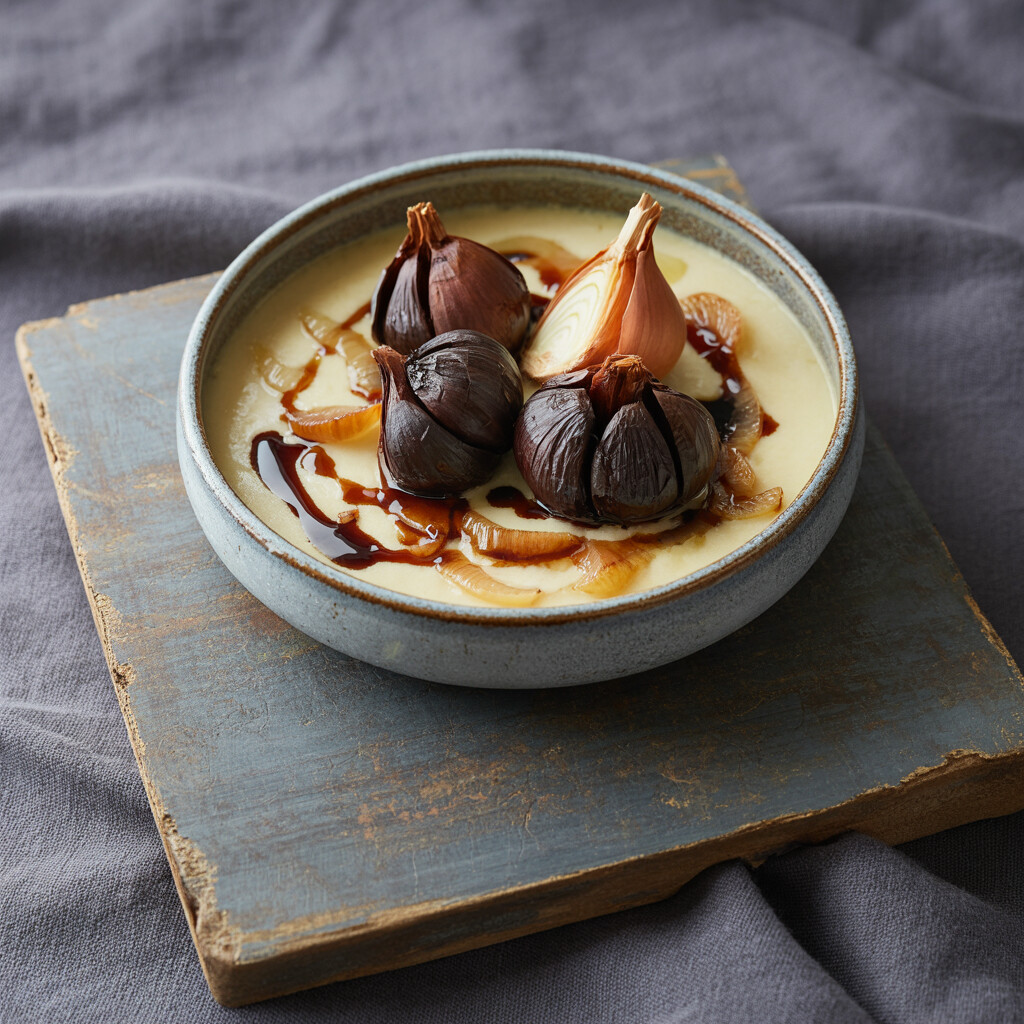
Let’s dig into tradition. Since black garlic is catching on in kitchens across the world, it’s no surprise the trend is finding a home in Europe’s timeless recipes. Black Garlic In Western Cuisine simply adds another note to the region’s diverse set of styles, appearing everywhere from butter-slathered bruschetta in Italy to steak frites in France. If you’ve ever dipped crusty bread into garlicky fondue, you’re already primed. Nothing stops you from swapping half the regular garlic for silky-soft black garlic instead; the richness will keep things warm and comforting.
Try Black Garlic In Old-Fashioned and Fancy Dishes
Bread and cheese get a posh upgrade with black garlic. Mash three cloves straight into a soft cheese for a party spread or rub them into herbed butter—just like I do for tomato-topped crostini. Spanish aioli, roast chicken, and Vienna’s pork roast all work surprisingly well with black garlic added to classic sauce recipes. I break out the food processor, toss in equal parts black garlic and lemon juice for a wild spin on creamy sauces, and dash it over grilled shrimp or paprika chicken.
Other kinds of Black Garlic In European Cooking traditions are worth exploring. You’ll find it chopped and melted into ticklish mashed potatoes, pureed through saffron sauces, and hiding beneath layers of moussaka and Greek lemon chicken. I try it as a potato filling with boiled eggs, on top of just-wilted escarole, or as a sandwich spread. With black garlic I take the oldest, simplest meals in Europe’s traditions and lay a little mystery across every plate. It’s easy nuance—fancy, but not fussy.
Making your own black garlic lets you skip the search and get creative, even on a Tuesday night. When you can’t find a local source, DIY is about the journey (with dinner line as the destination). And remember, Black Garlic In Western Cuisine is growing so fast because curious cooks like you are willing to try something old done a little differently. Give it a spin. Your steak, potatoes, and roasted veggies will be anything but boring.
Exploring Black Garlic in American Recipes
Black garlic isn’t just for fancy restaurants or exotic Asian cuisine anymore. In fact, you might spot this sweet, dark garlic sneaking its way into burgers, mashed potatoes, or even simple backyard gatherings across the country. As a home cook, you can join in by using homemade black garlic without waiting for that rare jar to pop up at your local grocery store. That’s not only empowering but much more fun than stalking grocery store aisles.
How Black Garlic Boosts American Flavors
Let’s face it, grilled cheese, homemade salad dressings, barbecue brisket, and even ranch dip have all shined brighter thanks to a little bit of black garlic. It adds deep roasted notes and a soft tang to all sorts of American classics. Chop a few softened cloves and fold them into butter for garlic bread or steak. Or mash them into a vinaigrette with lemon juice, olive oil, and Dijon for next-level summer salads. Sprinkle the crumbly pieces onto pizza or toss them straight into mac and cheese for an upgrade the whole family will notice.
If that’s not enough to tempt you, consider the visual drama. Unlike regular garlic, black garlic keeps its funky black color, making mashed potatoes, chicken sandwich spreads, and cheddar cheese dips look appetizingly dramatic—like you’ve just discovered the culinary dark arts.
The best part? You no longer have to hunt far for black garlic in Western cuisine. Once you know how to make it at home, you won’t be stuck with inferior imports piling up dust at fancy shops anyway. You can blend, puree, or mortar-and-pestle your own batch to whip up dazzling black garlic pastas, salads, soups, and more. Find even more easy dressing ideas or new uses in the recipes archive if you want more inspiration.
If you love that mix of sweet, spicy, and tangy, start slow. Add a clove bit by bit, whether you fold it into mayo for homemade aioli, ranch, or even blend into melted butter for finishing scallops or chicken roasts. In Western cuisine, there are no strict rules—so play around with it however makes you happy. With each test batch, you may catch yourself smiling at the deep, nostalgic flavor you find in black garlic that simply wasn’t there in your grandmother’s toasting pan.
Black Garlic’s Role in Mediterranean Dishes
It’s hard to imagine Mediterranean cooking without the punch of garlic, so it only makes sense to play with its moodier cousin, black garlic. Think about the big tastes along the Mediterranean Sea: tangy tomato sauces, rich olive oil, zesty cheeses, and woodsy, fragrant herbs. Black garlic fits right in and adds an almost magical kind of sweetness, a touch of umami, plus a little hint of balsamic that just keeps the big flavor party going.
Not long ago, the thought of finding quality black garlic in your local supermarket felt like asking for a unicorn at the deli counter. I used to track it online, nervously refreshing my cart waiting to see if it would ship before midnight. Now that you can make it at home—or get it more easily—“Black Garlic In Western Cuisine” really starts to shine. I sometimes smear it on toasted pita or dip chunks of fresh mozzarella right in and call that lunch.
Here’s one take: pulse some black garlic into your next batch of hummus or baba ganoush. With just a little blitz in the food processor, the purée turns richer, almost chocolatey. For another twist, add a few cloves to seafood paella or tomato confit. The black garlic melts into buttery goodness, rounding out the base and kicking the dish straight to best-in-town status.
Mediterranean Recipes, Now With Extra Depth
If you want a summer dinner party to be epic, swirl black garlic into tzatziki or aioli. Brush an entire loaf of sliced ciabatta with black garlic olive oil, grill it, and top with whatever you have (cheese, marinated strips of veggies, roasted peppers or eggplant). Imagine black garlic mincing into a tapenade or salsa verde that you spoon over grilled lamb chops or juicy fish—in a word, wowza.
One reason black garlic in Western cuisine feels so right in these dishes is its ability to harmonize, not boss around. Pairings that lean toward garlicky, herby, garlicky, or herby-and-garlicky just get more interesting with black garlic’s jammy, mellow personality.
Some ingredients are musts: ripe tomatoes, good olive oil, fresh lemon, and plenty of crunchy sea salt. If you’re flying solo, spoon black garlic into roasted veggie soups or ratatouille, and let the aroma fill the house.
Black garlic is easy to use and pretty much indestructible once made. Just try swapping it into your favorite old-school Italian, Greek, or Provencal recipes. Pretty soon, you’ll never want to run out again!
Storing and Preserving Your Homemade Black Garlic
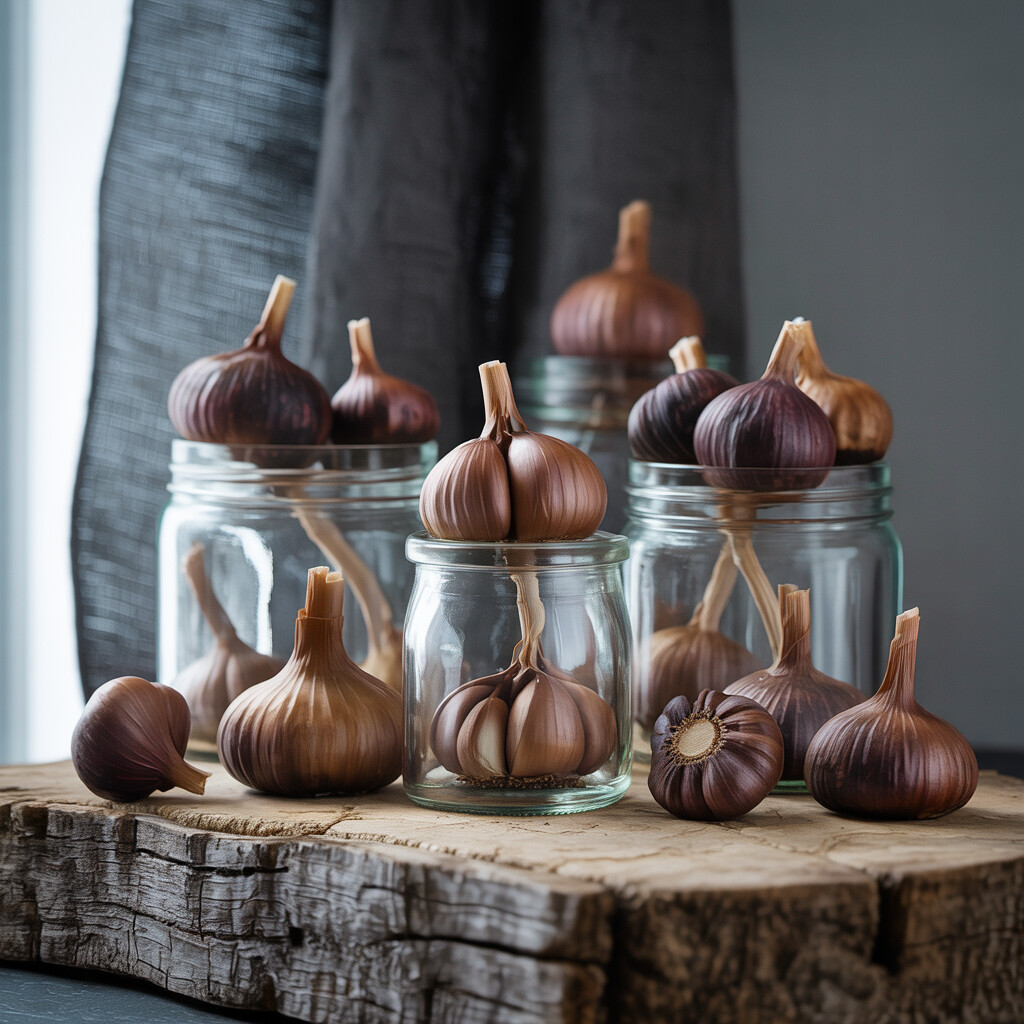
There is a certain joy in opening a container, day or night, and finding your own homemade black garlic. The intense aroma is sweet, funky, and deep, reminding you of balsamic vinegar meets roasted garlic, with a hint of caramel. Still, nothing takes the wind out of your sails faster than realizing you did not store your creation correctly, and your prized black garlic has spoiled.
The Art of Preserving Black Garlic Flavor
When homemade, black garlic does not contain preservatives aside from its own augured magic, so tuning into the right way to store it is vital to extending both its life and usefulness in any modern kitchen.
Let your black garlic rest at least an hour when it is done before you put it in any storage container. If segments look damp, you can pat them dry with a clean cloth or towel. Avoid letting condensation sit on it, since extra moisture triggers mold.
The ideal way to store whole bulbs is unpeeled, wrapped gently in a paper towel, and placed in a clean resealable bag or glass jar with the lid put on loosely. Once opened and segmented, keep those cloves in a tightly sealed glass or plastic container. I stash mine in the fridge, and they are still prime after three months. Many folks say it keeps well at room temperature, but I prefer the fridge for peace of mind, especially with the humidity swings in my part of the U.S.
Even better, you can freeze your finished black garlic bulbs or single cloves in plastic wrap stacked inside a freezer bag, marking the freeze-by date. Their flavor will hold for several months, but be sure to let them thaw in the fridge to keep the texture just right.
The commitment to preserving black garlic means you always have this transformative ingredient on deck. Toss soft or shriveled-out cloves that show fuzz or weird-smelling spots. If you need bite-sized pieces on hand for everyday use, peel a handful and keep them in sealed glass, submerging them in olive oil to drizzle over grilled steak, pour on a ho-hum salad, or brush over pizza — almost like a candy chef’s stash for savory dishes.
The more you store and protect your supply, the more possibilities you can discover, especially as black garlic in Western cuisine takes center stage in restaurant dishes across the U.S. Start incorporating these savory and sweet notes in your home cooking, too, and soon you might be handing jars of glossy, pitch-perfect black garlic to friends at the holidays — the ultimate edible gift.
With a well-prepared stash, you will be ready any time to add a little black garlic that brings umami power, a little drama, and a lot of flavor excitement to a dish of pasta, chicken breast, spiralized zucchini salad, or a decadent smashburger. When stored with love, homemade black garlic becomes a kitchen standby — not a seasonal import or pricey treat meant for special occasions. For my kitchen, and more than a few others across the U.S., using black garlic in Western cuisine is best when you have your own magical stash for every meal.
Health Benefits and Nutritional Insights of Black Garlic
Black garlic is having its moment in the spotlight, and let’s just say it is not just for looking pretty on Instagram. Black garlic is packed with extra antioxidants once it transforms from raw cloves to that deep, dark umami bomb your kitchen craves. Black garlic has something called S-allylcysteine (try saying that five times fast), which scientists are really excited about. It’s linked to heart health, helping to regulate cholesterol, and may lower inflammation.
Nutritional Benefits of Black Garlic for the Home Cook
Aging garlic doesn’t strip nutrients: it actually makes some of them easier for your body to use. Picture roasting veggies to make them taste better and be more digestible; black garlic works like that for your immune system and heart. Cloves get soft and spreadable while packing a concentrated punch of certain minerals and vitamins, like vitamin C, calcium, and magnesium.
You may wonder, “Can I eat too much?” There’s no set serving size, but because of the intense flavor and digestive perks, a clove or two a day is a smart entry point.
Beyond the nutrition facts, it’s plain fun to drop a slice of black garlic into salad dressings, stir it into vegan mayo, or mash it on sourdough. Global chefs are topping grilled steaks, stirring it through pasta, or even using it for new twists on barbecue sauces in Black Garlic In Western Cuisine.
Once your first batch is ready, trust me, you’ll find tastier ways to boost both health and flavor around the dinner table. Homemade means nabbing all the benefits without those soggy store brands you sometimes see—and you know for sure it’s made just the way you like it. If you want to dig into the details about how it compares to regular garlic or what makes it so magical, you might enjoy this breakdown on Black Garlic Vs Regular Garlic Key Differences In Flavor And Nutrition. Armed with your own batch, you’ll never have to struggle to find quality black garlic for those recipes you’ve been dying to try.
Conclusion
You’ve now unlocked the magic of making and using black garlic in Western cuisine, making local shortages way less stressful. The Step-by-Step Guide gives you the confidence to craft this ingredient at home and I hope the tips for flavoring all sorts of American and European recipes inspire you to try something new. With homemade black garlic within reach, skipping it when you shop for trendy snacks or blends is a snap. Just do it yourself.
If you’re still nervous, remember: Every culinary adventure starts with one bold step. This is yours. Let your kitchen brim with curiosity, creativity, and that unforgettable aroma. Embrace the process, trust your taste, and help create a wider world of flavor. Then share your stories and help others make every ingredient count.
FAQ
What is black garlic, and why does it taste so unique?
Black garlic is regular garlic that has been aged, slowly caramelizing into chewy, black cloves. When you try it, you’ll realize it tastes nothing like raw or even roasted garlic. Instead, you get rich notes of balsamic, molasses, and sometimes a hint of tamarind. It’s sweet, tangy, and totally addictive. As you dabble with Black Garlic in Western Cuisine, you’ll notice it’s the magical ingredient that lifts a dish with just a small spoonful. Once, when I mixed some into mushroom risotto, friends thought I was using truffles. They were hooked and wanted to know why it wasn’t used in more dishes over here.
How do I make black garlic at home, and what should I expect?
Making black garlic at home requires patience, but the reward is delicious. This is a slow aging process that uses gentle heat and plenty of time. All you need is fresh, unpeeled bulbs of garlic and something like a rice cooker to keep them at a constant, gentle 140 degrees for 3-4 weeks. The cloves inside turn jet black—they’re sweet and chewy with almost a fruity aroma. You’ll want great ventilation, because the aroma will fill your kitchen. Trust in your patience; your first whiff of homemade black garlic makes all the careful tending pay off. With Black Garlic in Western Cuisine suddenly close at hand, you’ll find you add a dark anchor to salad dressings, sandwiches, or pasta.
Where can I use black garlic in common Western recipes?
You can use black garlic in almost any savory dish where you want layers of depth and a hint of sweet, umami-rich savor. I like to mash it straight onto crusty bread or toss it in pasta sauces for quick drama. If you’re a weekend roaster, try rubbing it on chicken or pork. When you fold black garlic into compound butter, it melts into steaks. You’ll soon find that Black Garlic In Western Cuisine acts like a flavor amplifier. Even mac and cheese gets a face-lift when you sneak in a few cloves.
How should I store my homemade black garlic, and how long does it keep?
Store your homemade black garlic just as you would fresh garlic, but with a few tweaks. After aging, wipe off any exterior gunk and let the bulbs breathe in a small, open container for a day. After that, seal in a glass jar in the fridge and only separate cloves as needed. They’ll keep for up to three months in cold storage. Some folks keep it ready to use on the counter, which is fine if you’re finishing a whole bulb within a week. Having Black Garlic in Western Cuisine handy means you’ll answer a whole bunch of culinary what-ifs that come up with creative confidence.