

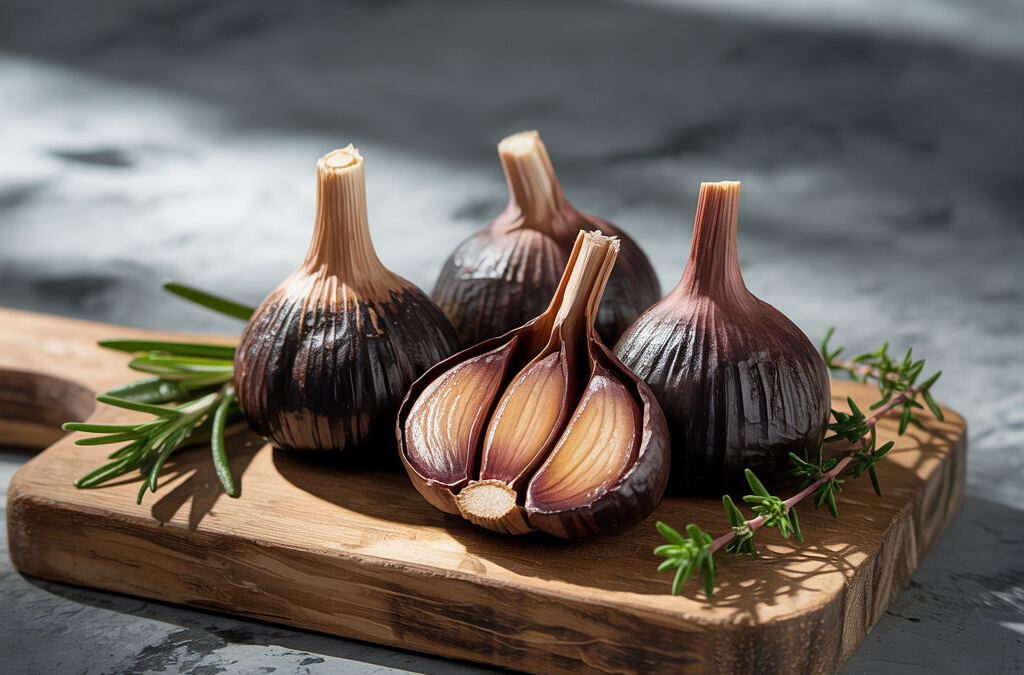
Black Garlic In Baking: Sweet and Savory Creations
Have you ever dreamed of bread that tastes sweet, savory, and wild all at once? Black garlic might just be the secret weapon your kitchen needs—especially when you start experimenting with Black Garlic In Baking. It is not just for fancy chefs or gourmet food lovers, though. Since it first turned heads in America in the early 2000s, black garlic’s popularity has soared, with major brands and showy restaurants alike getting in on the magic. Last weekend I baked a loaf with a hint of black garlic, and even my pickiest eater asked for seconds.
The secret? Gentle fermentation, patience, and about three weeks of waiting. It basically turns regular garlic into deep, caramel-colored nuggets that taste as complex as chocolate and molasses stirred together. You will soon want to try Black Garlic In Baking everything: think dinner rolls, pastries, or even pancakes. This beginner’s guide walks you through the basics of adding black garlic’s magic to your home-baked breads and sweets, starting with How to Make Black Garlic at Home. Ready to dive in?
Understanding Black Garlic: A Flavorful Transformation
Imagine garlic that has shed its spicy bite and replaced it with a mellow, almost sweet luscious flavor—like balsamic vinegar met roasted garlic in a dark room, shook hands, and decided to start a jazz band. That sums up black garlic. Unlike regular garlic, black garlic starts with fresh, whole bulbs and slowly transforms through a long process of gentle heat and humidity. Each clove softens, turns black, and develops an umami depth that gets food lovers scheming about their next culinary adventure.
Aged Black Garlic Makes a Tasty Ally for Bakers
Home cooks often wish more stores sold reasonably priced, high-quality black garlic. It feels mysterious, but here’s the best secret: the process is simple, cheap, and needs only patience. If you can buy a big bulb of regular garlic, you can make black garlic in your own kitchen. With pantry basics and a little time, you can unlock that elusive dark garlic aroma for yourself. It keeps for months, which means you can work it into sweet or savory dishes whenever you crave.
But let’s talk about why you want to do this, beyond the culinary street cred. Black garlic isn’t just savored for its taste as a pizza topper. A small amount mashed into butter can lift umami on roasted vegetables or steak. It is smashing in salad dressing or blended into a marinade. You can even try it in dessert—think dark chocolate brownies, vanilla frosting, or scones. Baking with black garlic adds depth to savory breads, earthy focaccia, and even brioche. If you’re a weekend baker, add a little black garlic to dinner rolls or pizza dough and see friends demand second helpings. When making black garlic, experimentation becomes your new best friend. Watching that beautiful transformation hooks you fast.
If you want to learn more about black garlic’s mellow transformation, head over to Black Garlic Production Aged Garlics Sweet Transformation. Black garlic is not some snobbish chef’s secret ingredient. With a little effort, you can make this bold, mysterious superfood at home—opening more doors to culinary exploration.
Essential Equipment for Making Black Garlic at Home
Making black garlic in your own kitchen might sound tricky, but the real secret is in the tools that help coax out those complex flavors we love. Before you get too eager to bake, plan to gather the right gear. Making black garlic at home not only solves the problem of finding good quality bulbs nearby, it feels a bit like a science experiment you can actually eat.
Key Tools for Black Garlic Preparation
There’s no need for anything fancy, but you do need a way to keep garlic at a steady, low temperature for several weeks: around 140 to 170 degrees Fahrenheit is ideal. Many kitchen pros and seasoned black garlic fans use a rice cooker with a “keep warm” function to do this job. Others might choose a slow cooker set to low, or even an electric fermenting box if they’re really all-in. They’re all easy to use, and I find the rice cooker also wins points for being compact.
You’ll need whole, tight garlic bulbs. Buy them as fresh as you can so they don’t dry out before you bake them into something tasty later. Since black garlic creates a strong aroma as it ferments, keep aluminum foil handy to wrap each bulb tightly. This helps keep the cloves moist and will make your nose (and housemates) much happier.
Standard kitchen supplies will round out your toolkit: a clean towel to absorb moisture and a cool, dark space to store the finished bulbs. If you like to document your progress (I do), jot down the start and finish days on a sticky note right on your cooker. Waiting isn’t as painful when you can see progress happening.
Get started with the right tools and you’ll set yourself up for black garlic success. Once you get a batch going, try slicing or mashing it for use in many dishes, especially if you’re excited to test some Black Garlic In Baking. I love swirling glossy pieces right into doughs, pastries, or even pizza for a pop of color and tang—innovation is what makes baking with black garlic so much fun.
Step-by-Step Guide to Crafting Black Garlic in Your Kitchen
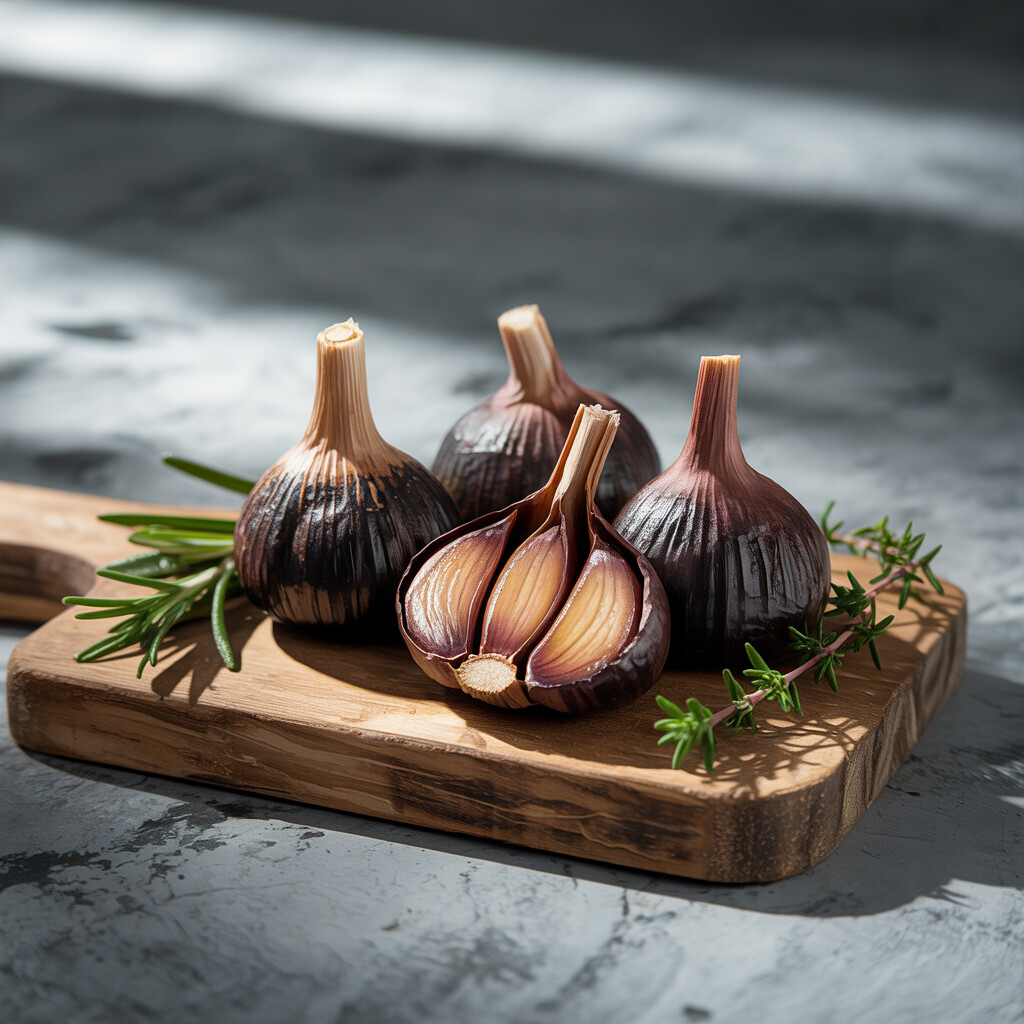
Turning regular garlic into black garlic feels a bit like real-life kitchen magic. The transformation comes from time, low slow heat, and moisture. To make black garlic at home, all you really need are heads of fresh garlic, a rice cooker or slow cooker, and a little patience. If good quality black garlic is hard to find where you live, you can easily craft your own.
Prep your garlic first—just remove extra layers of paper skin but keep the head whole. Some people like to lightly wipe the bulbs clean with a damp cloth; no one wants dirt in their magic. Get out your rice cooker or slow cooker; I prefer the rice cooker because it doubles as a tiny incubator. Line the bottom with paper towels and place your garlic inside, keeping the bulbs from touching. Close the lid, set the cooker to the “warm” (not “cook”) setting, and tuck it away because this is a low-and-slow project.
The Black Garlic Cooking Timeline: What to Expect
You’ll want to run through this checklist as you go, so you end up with the rich layers of umami that make Black Garlic In Baking so irresistible.
Let your garlic “cook” for 2–4 weeks. Each week or so, check for blackness and a jammy feel—the cloves should have a sweet-savory punch, but not get dried out or rock hard. If the cooked heads feel too dry, slip a small heat-proof bowl of water inside your cooker and keep going.
Once it’s ready, your homemade black garlic is good to eat right away. Slice or mash it into butters, sauces, and doughs. I keep extra on hand for experimenting with Black Garlic Bread or working Black Garlic In Baking recipes into weekend brunch. Since it lasts weeks in the fridge, there’s plenty of time… if it doesn’t all disappear straight from the cutting board first.
Storing and Preserving Your Homemade Black Garlic
Freshly finished black garlic might last for months if you store it correctly, but let’s talk about how to guarantee each bulb stays as delicious as the day you made it. Temperature and humidity are the enemy. Black garlic clove holds up best with care. Treating your bulbs with respect not only helps with everyday inspired cooking, it’s key for getting the most out of your effort when you use Black Garlic In Baking bread or even pastries.
Saving That Silky Texture: Best Practices for Storing Black Garlic
Once your garlic cloves have transformed to inky glory, let them cool completely. Toss them straight in the fridge or freezer while they are warm and excess moisture can wreck their texture and flavor. So, patience first. Lay the bulbs out on a clean kitchen towel and ensure the papery skins are dry to the touch.
Afterward, there are a few options. If you plan to gobble everything down in a single week—hey, I don’t judge—an open paper bag in your fridge works well. This gives the garlic some air without letting it dry out or absorb fridge odors. But if your patience is greater than mine, peel all the cloves and tuck them in a sealed glass jar, container, or even a zipped freezer bag (for ultimate long-term storage). In the freezer, black garlic stays good for months; just let it come to room temp before using so the flavor truly shines in sandwiches or when you’re getting that Black Garlic In Baking bread so sweet and nutty it disappears by brunch.
For those with ideal dry pantries, whole heads stored in mesh or paper bags work fine for several weeks as long as it’s cool, dark, and dry. If humidity threatens or you live in a humid part of the country, stick with refrigeration or the freezer, since moisture is black garlic’s sworn enemy. I rotate between keeping a small jar in the fridge for snacking and a big batch safely nestled in freezer bags—always avoiding plastic wrap or open trays, since garlic soaks up stray flavors like a sponge.
The trick is finding a stash system that fits your kitchen habits (and how quickly your family starts demanding “garlicky” sandwich spreads). If this is your first home batch, congratulations on cracking the code! By investing a little care in proper storage, you’re ready to pull from your supply whenever inspiration strikes—no more rushing to specialty stores or relying on stale mail-order bulbs. It means Black Garlic Bread Recipe nights are limited only by your appetite, not your supply chain.
Finally, a quick note: if any clove turns suspiciously tacky, fuzzy, or has an off smell (think sour rather than that heavenly aged umami), it’s time for the compost bin. Black garlic, well-kept, doesn’t expire fast but it will appreciate your respect. The best homemade product will last a solid eight weeks in the fridge or much longer tucked in the freezer—plenty of time to raid your stock again and again for your favorites, from sauces to your next Black Garlic In Baking masterpiece.
Baking with Black Garlic: Elevating Your Bread and Pastries
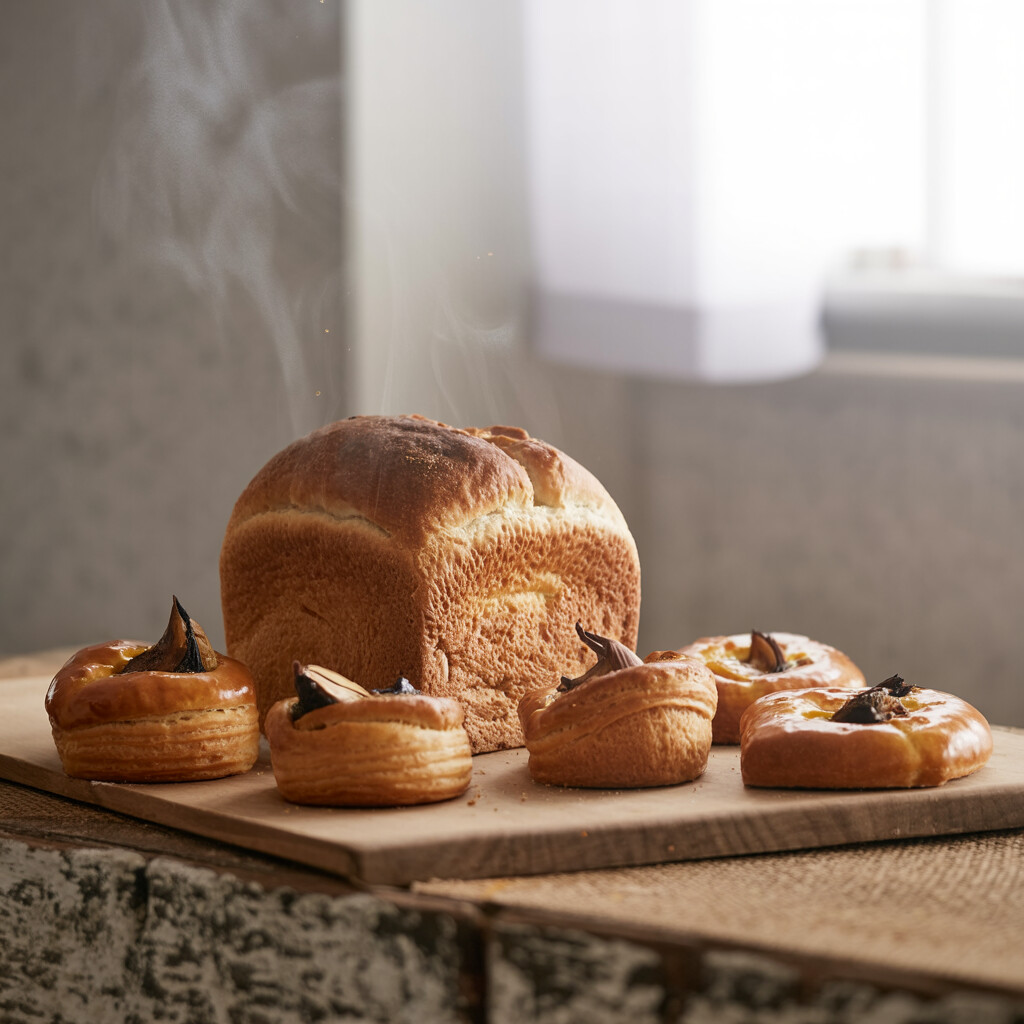
Welcome to the part of your black garlic journey that might just sneak up and surprise you: baking! Whether you are trying to impress friends or simply tinker in your kitchen lab, using black garlic in baking opens up a whole new world of flavors. Its rich, balsamic notes and tender texture transform everyday bread and sweets into memorable feasts. Best part? You can make your own batch at home, so you no longer have to worry about limited shelf space at your local market.
Simple Ways to Bake With Black Garlic at Home
Let’s start with the basics. The deep flavor of black garlic was made for slow-rising sourdough and crusty white bread. Kindly mash a few peeled cloves into a paste, then swirl it through your favorite dough. When you slide the loaf out of the oven, expect rich, caramel tones with the tang of garlic mellowed by time and warmth. The smell floats around the kitchen for hours.
But if you are looking for a bit more adventure (and, well, who isn’t?), try black garlic in pastries. Add it to a soft breakfast bun or a savory scone, and be ready for wild applause at brunch. Just remember to start small. A little black garlic goes a long way in baked goods.
In pies or hand-twisted pastries, fold chopped bits into fillings like butternut squash, mushrooms, or soft goat cheese. Black garlic’s umami qualities make these flavors deeper and more balanced. For the best result, work the paste well into your wet ingredients first. That ensures even distribution and prevents unexpected pockets of chew.
Got a favorite dinner roll recipe? Jazz it up by weaving in black garlic and rosemary. Smoosh the cloves into a spreadable purée, and dollop it between twisted strips of roll dough before baking. Subtle flavor, big grin from the first bite.
Baking with black garlic gives amateur and professional cooks alike a fun, unexpected way to create Black Garlic Culinary Applications Elevate Your Dishes in everyday homes. It is no longer just a “chef thing”; it is a “your kitchen thing.”
In short, black garlic in baking remains one of those rare flavor tricks worthy of the curiosity and effort it inspires. Try it everywhere a sweet-savory touch would elevate the dish. Even in cookies, use a bit for intrigue. Kids won’t know what it is, but they’ll ask for another. I do!
Black Garlic Bread Recipe: A Savory Twist on a Classic
If you’re a bread lover like I am, you know there is something almost magical about baking a fresh loaf. Now picture this: you slice into that warm, tender bread and get a punch of sweet-savory umami you never knew possible. Welcome to black garlic bread.
Getting great black garlic isn’t always easy, and most stores won’t carry it. The reward when you make your own batch, though, goes beyond a cool kitchen science project. Suddenly you’re sitting on a stash of flavor gold that can blow up classics like garlic bread with layers of intrigue.
Black Garlic Loaf Recipe: Step-by-Step Savory Brilliance
Let’s jump in. This recipe was born out of weekend curiosity, but it quickly became a staple at family dinners. For your first loaf of black garlic bread:
Ingredients:
- 3 cups bread flour
- 1 tablespoon sugar
- 2 teaspoons salt
- 1 packet (2 ½ teaspoons) active dry yeast
- 1 cup warm water
- 6 cloves homemade black garlic, mashed
- 1 tablespoon olive oil
-
Start by stirring the yeast and sugar into the warm water in a big bowl. Give it five minutes to get foamy. Nothing smells as hopeful as that warm yeast aroma filling the kitchen.
-
Mix in the flour and salt. Knead by hand (or in a stand mixer, if that’s more your style) until the dough is smooth and elastic.
-
Mash the black garlic cloves to a paste with olive oil. Fold this gooey treasure into the dough at the last stage so that it swirls, not streaks, through each loaf.
-
Cover the bowl with a damp towel and let it rise until doubled, maybe an hour.
-
Once it’s nice and puffy, dump onto a floured surface, knead it once or twice, then shape into a log and drop it in a loaf pan. Top with a sprinkle of flaky salt or a brush of butter if you feel decadent.
-
After a second rise, bake at 375°F for 30 minutes. The smell in the kitchen will make your knees buckle.
This is where Black Garlic In Baking goes from simple upgrade to pure transformation. Picture the jet-black cloves threaded through warm, buttery white crumbs. Each chunky bit carries complex notes that echo roasted garlic, balsamic, and the darkest caramel. The flavor is so clean you wonder if you’ll ever bother with traditional garlic bread again.
Try to wait at least 20 minutes before slicing, but let’s be real: If you can wait that long, you have a self-control award in your future.
Great bread should be shared, and this loaf is no exception. Pair it with soup, serve with pasta, or cube for next-level croutons. The next time you invite people over and humble-brag, “I baked the bread,” prepare for their faces when they ask, “Is that Garlic?!” Grin and say, “Nah, it’s black garlic,” then watch grownups fall to pieces.
With the rise of Black Garlic In Baking, there is nothing stopping you from bringing a ridiculous amount of flavor and allure to every loaf. That’s a superpower worth sharing.
Exploring Black Garlic in Pastries: Sweet Meets Savory
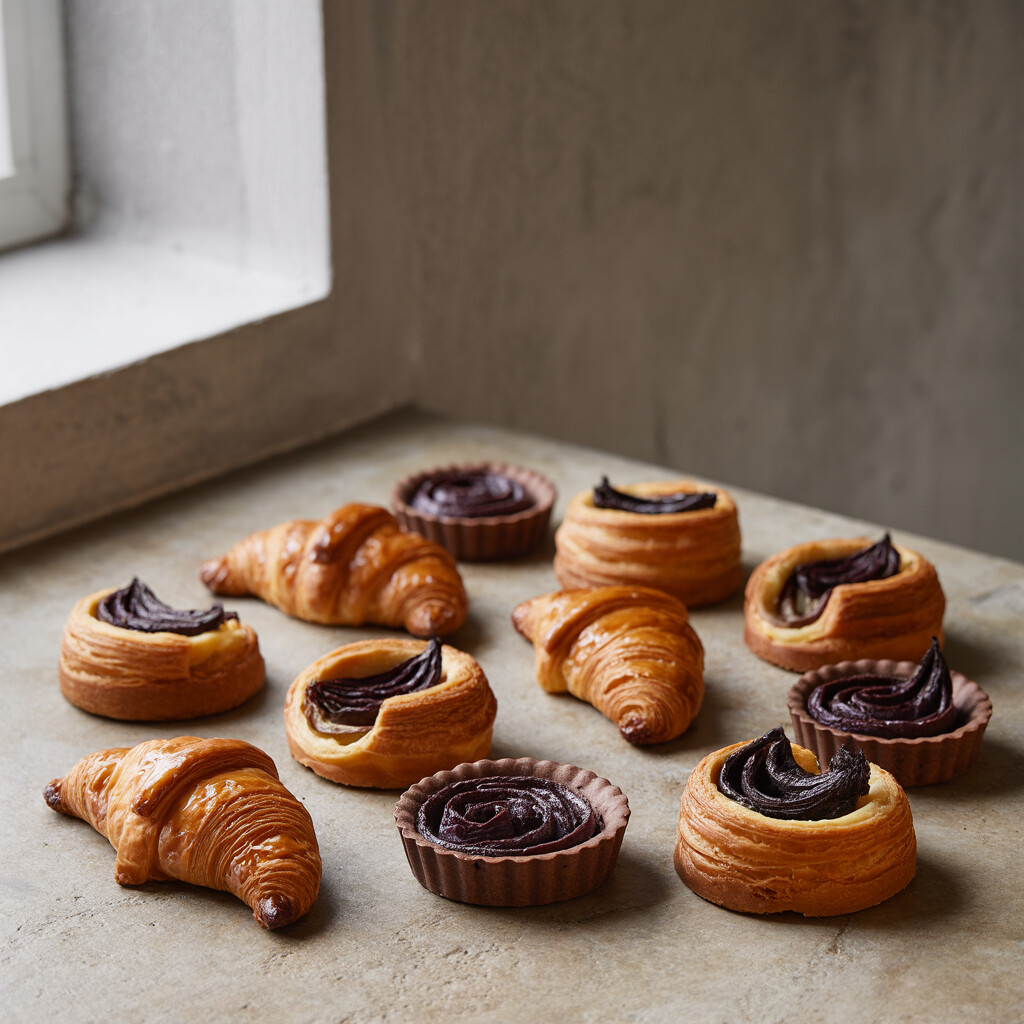
Let’s get right to the good stuff: black garlic in baking. It quickly jump-starts pastries into a whole new flavor world, especially when you want something that walks that fine line between sweet and savory. Imagine a flaky croissant with a ribbon of sweet black garlic butter inside or a dark chocolate tart where candied black garlic pieces nestle inside the ganache. If your jaw dropped, you get it. I won’t lie. Most people in the U.S. do not have a boutique Mediterranean grocery down the block selling artisanal black garlic. Making it at home just makes sense, and that opens the door for loads more experimentation.
Sweet and Savory Black Garlic Baked Treats
As someone with a serious sweet tooth, I never pictured myself slicing up a black garlic and cardamom danish. Then I tried it. The sticky, earthy tang pairs with cinnamon in spiced morning buns and echoes the plum-rich filling of a rustic plum-black garlic galette. And while you might think black garlic overpowers butter or vanilla, it does the opposite: it makes everything taste richer, roasty, and deep.
One reason that baking with black garlic feels so satisfying is how the sugars in the garlic play with the sugars or brown butter in most pastry doughs. Small diced bits add chewy, umami-packed pockets to shortbread or madeleine cookies. Or try using black garlic paste to fold into muffin or banana bread batters. Even something as simple as brushing black garlic-infused honey into open split eclairs adds a sweet shine without hitting with straight sugar. And of course, that secret ingredient sparkle makes you feel 100 percent chef-y.
If access to good black garlic products makes your specialty baking dreams stall, try to remember that patience is part of the fun. I have tried dozens of imported and domestic brands, and nothing compares to the tangy-sweet richness of a homemade batch, even if it’s a little uneven or odd-shaped. Black garlic in baking—especially in pastries—really highlights the ingredient’s dessert-crossover power. Just wait until you try s’mores with black garlic-marshmallow ganache and graham crackers. Burn the recipe card; you won’t need it.
Conclusion
With the know-how from our step-by-step guide and easy storage tips from the earlier sections, you are set to conquer the gentle, sweet world of black garlic. No more chasing down hard-to-find jars in specialty markets: your kitchen can become a steady source for this delicious stuff. By learning to make it yourself, you are breaking the limits on its uses—from Black Garlic Bread to some wild new rules in Baking With Black Garlic.
Now, I encourage you to dig deeper into Black Garlic in Baking. Warm bread, rich pastries, or that earthy slick you get over grilled veggies: whatever calls you, the path is wide open, and your food will thank you. Try a new recipe every week; challenge your tastebuds; make this transforming ingredient your signature.
FAQ
How can you incorporate black garlic in baking simple treats at home?
You can gently mix black garlic into bread dough or pastry batters to surprise your tastebuds. Black garlic in baking works best when you treat it a bit like roasted garlic. You could try chopping it finely and folding it into focaccia or even a cinnamon roll batter. This approach leads to subtle, grown-up sweetness with warm earthy notes that make every bite different but never overpowering. Even my picky neighbor said my last batch of blondies tasted mellow and mysterious. Your creations will keep that come-back-for-more appeal, and you still harness the unique antioxidant properties of black garlic each time you pop a treat in your mouth.
What are the best ways to balance black garlic’s flavor in baked goods?
Bold but not sharp, black garlic brings umami to the party, but you control the impact. You get the most from black garlic in baking when you pair it with rich dairy, like butter or cream cheese, and gently sweet things. I once tossed minced black garlic in a honey butter swirl that I spooned over mail-it-to-your-mother brownies. Friends raved and couldn’t place the mystery twist. If your bread or cookies call for chocolate or smoke, black garlic can tip the flavor meter without ever causing a nose wrinkle. Bake a test loaf, taste, and always add more if you want hearty depth.
Can you substitute regular garlic for black garlic in pastries?
You can, but regular garlic brings sharpness where you want smoothness. Black garlic in baking is like the mellow crooner after garlic’s rock star solo. When you use black garlic instead of raw or even roasted garlic, your pastries will pick up lean, balsamic-like notes that make people smile. Picture a savory croissant that makes a faint echo of balsamic and soy, never a bite of sharp aioli. I learned long ago during a failed garlic-cheese biscuit bakeoff that standard garlic crowds the flavor—but black garlic brings mystery. You may get mistaken for the pastry wizard in your crew.
Are there health perks to adding black garlic to baked treats?
Researchers love black garlic for its antioxidants, which develop as the alliums slowly caramelize. Each time I use black garlic in baking, people ask, Is this like a superfood? Studies show it may help boost immunity and tame inflammation, but honestly, you’ll want to keep using it just for the smooth taste. Because black garlic feels luxurious and never overwhelming, you’ll discover it pairs well with every sort of grain or nut flour. Who said sweet could not be healthy, layered, and luscious? It just comes naturally when black garlic is in the mix.
How do you keep black garlic flavor bold through the baking process?
Black garlic’s flavor shines best when you know how much heat and which mix-ins enhance or hide its unique notes. In my kitchen, I learned to fold it into softened butter for marbling between dough or use it to punch up your swirl fillings. Top your loaf, don’t stir it deep where it’s drowned out by three sticks of butter and chips. For the boldest black garlic in baking, I encourage you to lightly toast or even caramelize grains first for that perfect savory-sweet contrast. Your breads and pastries will taste so complex and rich, you’ll feel just a bit giddy when breaking them apart.