

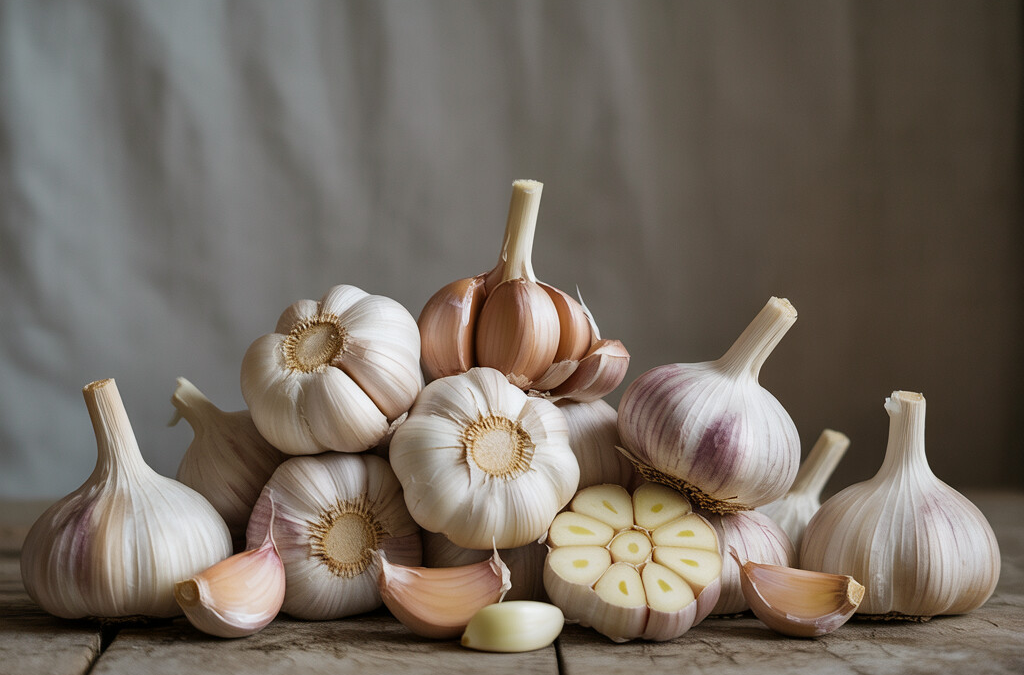
Regular Garlic Taste Profile: A Flavor Breakdown
Did you know the classic garlic kick you crave in Italian dishes comes from just one magical bulb? The Regular Garlic Taste Profile is famous for its bite, warmth, and sweet aftertaste. If you’re like most Americans (87 percent, according to surveys), you likely keep at least one bulb in your kitchen even if you’re not sure what to do with it. Last weekend I caramelized a whole head on the grill. The garlicky aroma, cloaked in buttery soft sweetness, drew everyone to the fire.
Whether you think of garlic as a pizza topper, salad hero, or agent of culinary chaos, there’s more to the Regular Garlic Taste Profile than just sharp hits and comic bad breath. Regular garlic layers pungent, grassy notes with deep earthiness and playful sweetness. Ready to dive in and see how garlic’s classic flavors stack up against bold black garlic? Keep reading for this month’s guide to Black Garlic vs. Regular Garlic!
Understanding the Regular Garlic Taste Profile
Picture the first time you minced a fresh clove of garlic: out bursts a wave of sharp, raw aroma that makes your eyes water and your hands smell like dinner for days. That supercharged sensation hits your taste buds like a little electric shock. This is the essential regular garlic taste profile. Whether you eat it raw or sauté it in oil, garlic brims with powerful punch—the secret to its flavor starts with a simple bulb, but inside is a complex world waiting to transform your cooking.
How Regular Garlic Taste Unfolds in Your Mouth
The taste of regular garlic isn’t just strong for the sake of it. Cut open a raw clove and you start with a fresh, crisp, slightly grassy flavor that evolves quickly. When you bite into it, you get raw heat and an understated sweetness at the core. That stinging bite? It doesn’t linger long, but boy, it jumps out early.
Much of what makes garlic taste like garlic comes from its sulfur-containing compounds, especially when you break the clove’s cell walls by crushing or chopping. Cooking garlic changes the story, mellowing its harshness and sometimes releasing toasty, nutty, and even slightly sweet flavors.
Every ingredient you pair with garlic experiences changes too. Tomatoes feel brighter, steaks get deeper, and homemade salad dressings blossom with sharpness that keeps you reaching for one more bite. The regular garlic taste profile is a moving target depending on your choices, which, fair warning, can quickly become addictive for your palate.
Real world tip: if good black garlic is hard to find where you live, explore regular garlic’s many moods—raw, poached in cream, smashed in vinaigrettes, fried until golden, or confit. One humble bulb will charge your next culinary adventure and set the stage for discovering even more unique versions of this flavor bomb.
The Pungency of Regular Garlic: What Gives It That Kick?
Standing at the cutting board, knife in hand, you already know the power of a good regular garlic taste profile. That first burst is anything but quiet. Why does this humble white bulb scorch across your tongue, perfume your air, and make your taste buds tingle? It is all about something called allicin.
Allicin forms as soon as you chop, mince, or crush a fresh garlic clove. No scientist goggles needed. This simple chemical reaction is really where garlic’s potent scent and sharp flavor come alive. The intensity can range from a gentle warmth—for the minimalists among us who just bruise a clove for a subtle nudge—to full-on nose-tingling zest that lingers even after you have finished your meal. Tylenol might cure a headache, but for garlic fans, only the spicy brightness of regular garlic will satisfy a craving for sharp, zingy flavor.
Chemistry of That Famous Garlic Bite
Think about it: why do marinades or stir-fries taste so lively with a bit of raw garlic? While roasting or sauteing garlic brings out a sweeter side, leaving it fresh can crank the pungency up to one hundred. The teeny molecules released by that all-important allicin will cling to your skin for hours, leaving friends to wonder if you have been picking wild ramps or prepping a feast.
Here is a pro tip if access to exotic black garlic is still months from your online order: focus on the lively Regular Garlic Taste Profile of what you already have on hand. A touch of regular garlic brings freshness and spine to savory classics, saving overly rich or fatty dishes from becoming dull. Paired with peppery greens or sweet tomatoes, you could almost skip salt entirely.
One last sensory cue—close your eyes, and inhale deeply. You can practically hear garlic entering the room before you see it. Tudors might have worn cloves as jewelry for warding off evil spirits, but tonight, you are just honking up your weeknight dinner, chasing sweetness with a tingle that sticks around longer than your mail-in Turmeric subscription. When you own the regular garlic taste profile, you are never at a loss in the kitchen—no matter what you have in your pantry.
Regular Garlic Flavor Notes: A Breakdown
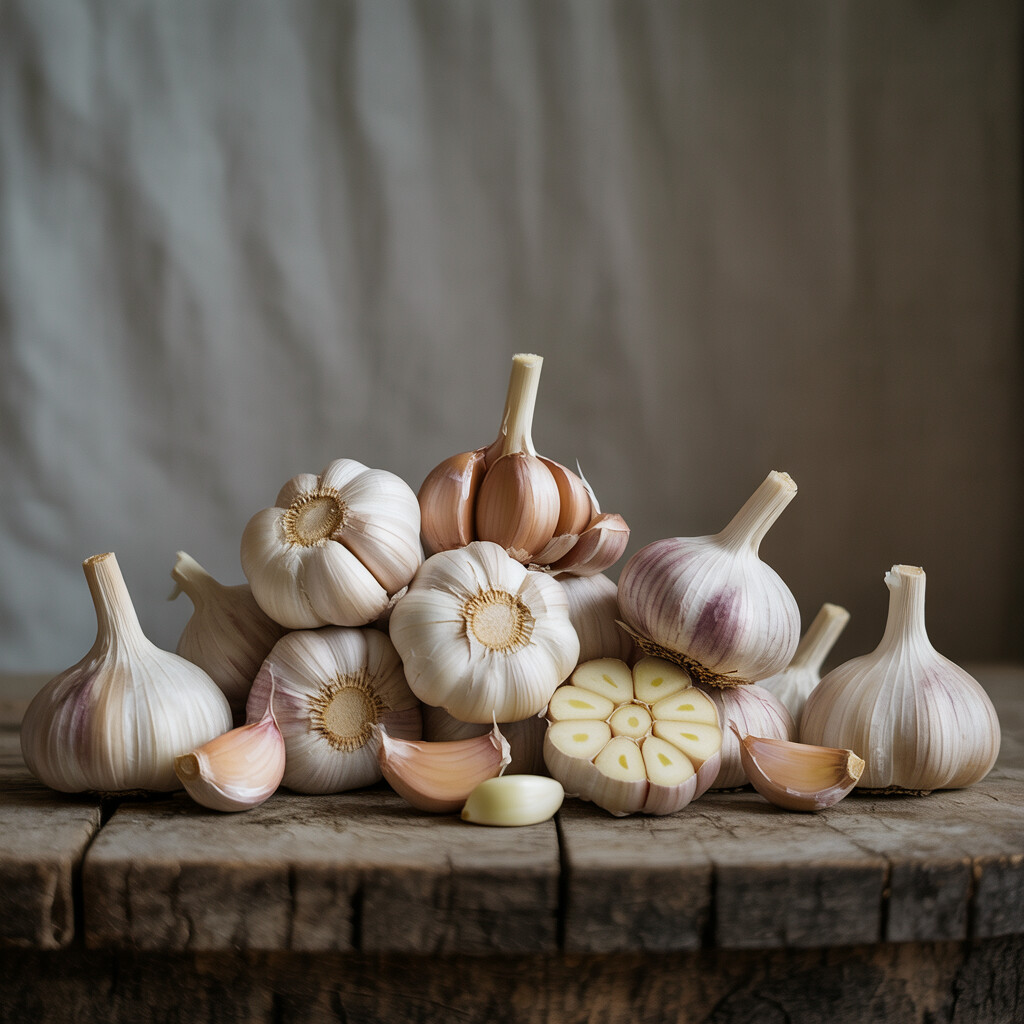
If you’ve ever sliced into a bulb of fresh garlic, you know the Regular Garlic Taste Profile means business. Slicing releases a sharp, spicy aroma that might sting your nose and make your eyes water. But dig a little deeper, and you’ll start to find more. Garlic’s flavor profile is layered like a well-made cake, with each bite offering a little twist or surprise.
Garlic Flavor Components: Breaking Down the Taste
Tasting raw garlic brings the following sensations, especially as you chop it finer:
The regular garlic taste profile can hit hard up front, hitting you with a jolt of spicy fire when raw and a full-bodied, mellow flavor once cooked or roasted. This heat isn’t just heat for heat’s sake. It’s a flavorful mix of earthy, slightly sweet, and sometimes grassy notes. Garlic can round out a sauce, give life to a piece of chicken, and even punch up a salad dressing.
What many don’t always notice is that garlic’s flavor can shift wildly, depending on the cooking method. Raw cloves tossed into a salsa or crushed into aioli add a sharp brightness. Once you cook or roast them, garlic takes on nutty, caramel-like notes, mellowing out the big, bad breath stuff and replacing it with soft, mouthwatering depth. Let me be real here: I eat roasted garlic by the clove like it’s candy at Thanksgiving.
The interplay between the pungency of regular garlic and these layers makes this stuff a favorite of home cooks and pro chefs everywhere. Garlic’s complexity sets up a head-to-head between regular garlic vs black garlic taste each with its own delicious superpowers.
Getting familiar with the Regular Garlic Taste Profile sets the stage for all kinds of culinary adventure, especially for anyone craving something funkier due to limited access to high-end black garlic. Yup, the old white garlic bulb is alive and kicking… and ready to party.
Black Garlic vs. Regular Garlic Taste: A Side-by-Side Comparison
Let’s talk taste buds. Here’s where the classic, spicy zip of garlic meets its dark, mysterious twin: black garlic. Ever bite into a raw garlic clove and feel a jolt in your nose and sinuses? That’s the Regular Garlic Taste Profile doing its work—bold, biting, almost electric. Regular garlic needs little introduction, with its well-known pungency powering everything from garlic toast to savory soups. You control the power with a knife or a press, unleashing a fresh burst every time you crush or chop it.
Black garlic, though, whispers instead of shouts. Its flavor is gentler and more layered, like a silky jazz riff in a crowded bar. The pungency of black garlic isn’t gone, just subdued. In place of regular garlic’s metallic heat, black garlic’s notes land somewhere between balsamic, tamarind, anise, plum, and molasses. Imagine an aged fruitcake—minus the holiday trauma and unexpected tooth shatter—that’s how rich things get. Many folks think it tastes a bit like roasted garlic, but rewired for a decadent edge.
Black Garlic and Regular Garlic Taste Explained: Key Differences at a Glance
If you’ve never tried black garlic, you might worry it won’t “taste like garlic.” Rest easy. Both start from the same bulb, but the differences are dramatic. Sometimes, black garlic can get tangled up in supply issues at regular grocery stores, making it tough to do your own side-by-side. If you do find it—ideally from a farm stand or a specialty market—treat yourself to a test: nibble a sliver of raw garlic, then follow it with a slice of black garlic after a sip of water. While the Regular Garlic Taste Profile will tingle, black garlic will flood your tongue with a dark, sticky, slightly sweet flavor, somewhere between a prune, a date, and expensive licorice. Some liken its umami hit to a soy-glazed mushroom, echoing its natural fermentation process.
Still debating regular garlic vs. black garlic taste for your next kitchen adventure? Think of your intended dish and the vibe you want—fiery, sharp lift or smooth, mysterious depth? With black garlic, a little goes a long way, and quality is key (sorry, grocery spend-thrifters). Classic garlic heroes, don’t worry: raw and freshly pressed garlic will always have a powerful bite in its corner, while black garlic happily transforms an already-finished meal or slow-simmered dish into an umami bomb.
Craving more details on sweetness, acidity, and aroma? Dive into our in-depth comparison of black garlic and regular garlic tastes. This kind of flavor spectrum means you can pick your favorite garlic to create anything you want—sharp and lively, or rich and decadent.
How the Aging Process Transforms Regular Garlic into Black Garlic
Every cook knows regular garlic brings sharp bite and strong aroma to the kitchen. But through a unique aging process called controlled Maillard reaction, that profile transforms into the rich, velvety sweetness of black garlic. Let’s peel back the layers together and see how this happens.
What Happens During Aging? From Sharp Aromatic to Sweet and Savory
At first, the regular garlic taste profile hits hard: a punch of heat and clean, vegetable tang, usually followed by mouthwatering pungency. Once fresh garlic bulbs go into the “curing” room, things start to change slowly but surely. It’s kept warm and humid for several weeks. That time invites magic to happen on a scientific level. The sugars in garlic join up with amino acids. As they mingle, the garlic changes color, softens, and darkens to a deep black. Out goes that spicy crunch; in comes chewy, balsamic complexity.
Think chewy figs or roasted root veggies—these are the flavors that black garlic puts front and center. You don’t need fancy high-tech equipment to try this, either. Dedicated home cooks and black garlic fans have figured out ways to create those aging conditions at home with a rice cooker or warming tray. Just keep things low and slow! You’ll mimic the gentle transformation, even without “professional” black garlic in your pantry.
There’s good reason for the change in flavor and color. Raw garlic brings lots of sugars and a signature enzyme called alliinase to the party. White cloves become darker, earthier, and much sweeter as sugars break down and the classic taste profile morphs. That familiar stinging garlic shot? Aging softens it way down, replacing it with notes of molasses, prune, soy sauce, and even a hint of chocolate.
If your regular garlic taste profile feels too one-note for some recipes, you’ll find black garlic brings gentle drama, subtle sweetness, and silky texture to the very same dishes. Experiment with your own batch and see how powerful that slow transformation can be.
Culinary Uses: When to Choose Regular Garlic Over Black Garlic
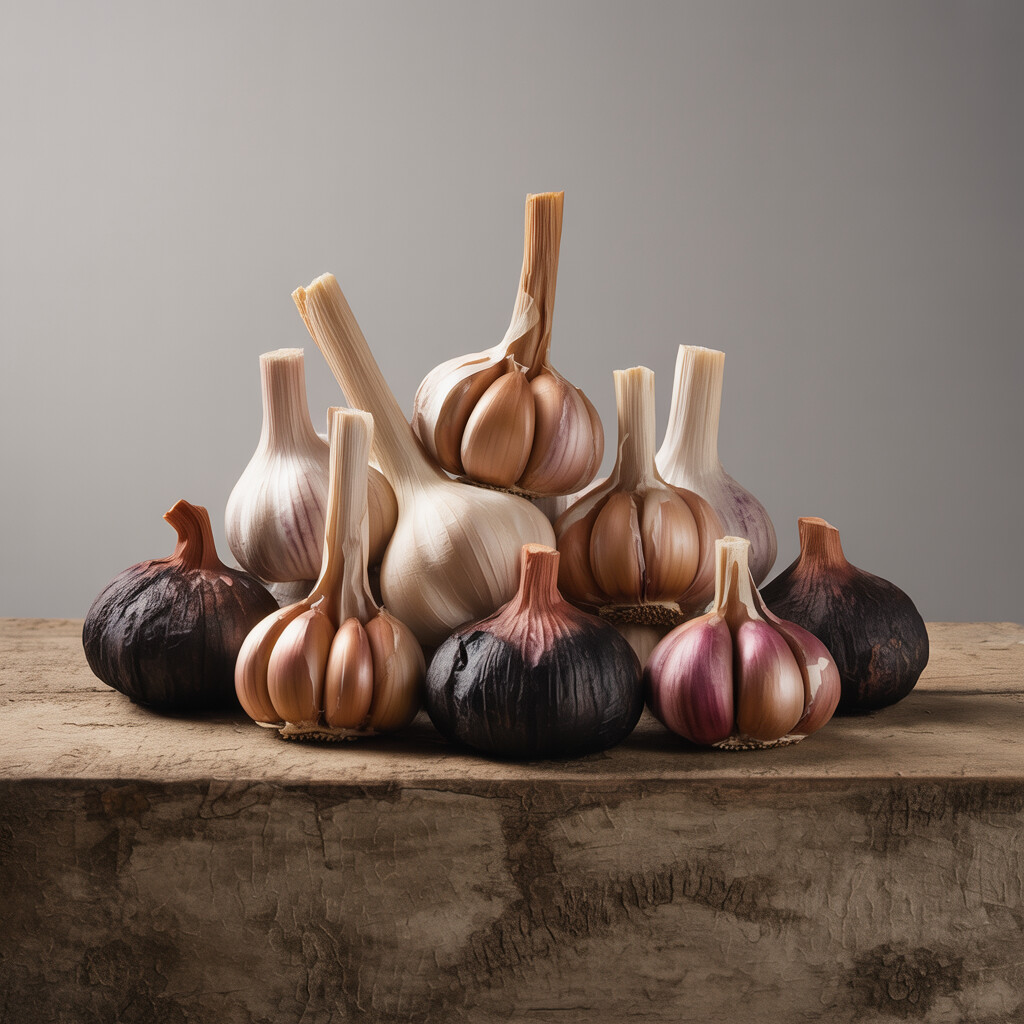
Many people feel a bit left out when they hear about black garlic. Part of the problem is that black garlic can be tricky or expensive to get where you live. The good news is you can keep cooking great food by sticking with good old regular garlic. The Regular Garlic Taste Profile brings almost a spicy warmth to whatever you’re making, and it can be the perfect way to set the stage for sweet, smoky, or tangy flavors.
Deciding Between Classic Garlic Cloves and Black Garlic
The sharp punch and strong smell of regular garlic are classic for a reason. That spicy kick makes regular garlic excellent for meat marinades and stir-fry sauces, especially in bold dishes. Like when I’m roasting a whole chicken or whipping up some garlicky mashed potatoes, fresh regular garlic never lets me down. In recipes where you want a strong garlic flavor upfront, crush or slice a few cloves and add them straight to your preheated olive oil. That aroma is a big part of the Regular Garlic Taste Profile, and it tells everyone in the house something good is about to happen.
Black garlic, on the other hand, is unique and naturally sweet, but regular garlic will always have its place in starting strong. Fresh garlic turns up the flavor when quick-cooking vegetables, seasoning salad dressings, or perking up plain cooked rice. Since aged black garlic is hard to find, let regular garlic do the heavy lifting in dips, soups, or quick pestos, saving black garlic’s nuanced depth for when you stumble across a decent jar.
The bottom line: don’t worry if black garlic isn’t sitting on your kitchen shelf. Use the bold, lively notes in a Regular Garlic Taste Profile to boost soups when mildly sweet black garlic would fade into the background. Keep a few bulbs handy and, with a simple twist of the wrist, regular garlic is ready to wake up any weeknight dinner.
Health Benefits: Regular Garlic’s Nutritional Profile
It’s hard to spend time in the kitchen and not come across garlic in some form. Good thing, too: The Regular Garlic Taste Profile isn’t just about bold flavors and pungency. Beneath the savory sharpness, garlic is loaded with beneficial nutrients that work behind the scenes to help your body stay at its best.
Garlic’s Health Edge: What Makes a Clove a Superfood?
Your everyday clove starts with just four calories but brings in vitamin C, vitamin B6, and loads of manganese. These aren’t decoration, either. Vitamin C can help keep your immune system running well all week, which explains why grandma swears by garlic soup during sniffle season. Vitamin B6 chips in for energy metabolism, while those trace minerals keep your bones strong.
Here’s where regular garlic separate itself from the pack. Most of its magic comes from compounds formed the moment you crush, chop, or chew the clove. One compound, called allicin, fights bacteria and may help manage blood pressure and cholesterol levels. You’re not just making food tastier, you’re sprinkling each dish with punchy health benefits.
If your desire for black garlic is stymied by supply, don’t resign yourself to bland food. Keep that classic Regular Garlic Taste Profile on rotation in your daily cooking and you’ll still get disease-fighting antioxidants with every meal. Black garlic may be the new culinary darling—especially for those looking for extra sweetness in a savory bite—but old-fashioned garlic comes story-rich and scientifically backed.
Like to eat garlic raw? That’s where the sharp flavors really shine, but you’ll get most nutrients either way: chopped fresh on salad, roasted on sheet pan dinners, or swirled into mashed potatoes.
If you want to dig deeper into these advantages, go ahead: grab the health scoop at Regular Garlic Health Benefits A Flavorful Boost. You’ll find plenty of science, recipes, and eye-opening tips to bring your garlic game (and your nutrition) up a notch.
Pairing Regular Garlic with Other Ingredients for Maximum Flavor
Get excited, because regular garlic is like the reliable friend who knows a ton of people and lights up every party. It plays well with just about everything in your kitchen, and understanding its Regular Garlic Taste Profile means you’ll always land on big flavor wins.
Best Complements for Regular Garlic’s Bold Flavor
You’ve probably caught onto the Pungency Of Regular Garlic by now. That sharp, spicy kick is awesome, but it sometimes needs a backup singer (or several) to really shine. These food pairings will help you get the most from garlic’s bold, alliumy punch.
First, think classics. Garlic loves to hang out with anything in the Italian, Mexican, or Mediterranean worlds. Try roasting it with tomatoes and olive oil—suddenly your regular red sauce becomes full-bodied and layered. Drizzle it over toast or finish with fresh basil, and suddenly your kitchen smells like a cozy trattoria.
On the protein front: Garlic’s fiery edge balances savory meats like beef, lamb, or chicken. Toss a few smashed cloves (peel left on) into that roasting pan. If seafood is more your speed, minced garlic and shrimp are a classic couple—just stir in a splash of lemon at the end.
The Regular Garlic Taste Profile also complements earthy or nutty veggies. Sauté broccoli, green beans, or mushrooms in butter, toss in a little minced garlic, and get ready for applause—even from any picky eaters at your table.
If you wish your garlic was a little milder, go slow and low. Roast it or lightly brown slices in butter and the edible gold mellows out, with all the punch but way more silky sweetness.
Garlic holds its own with bold herbs, too, like rosemary or thyme. Sprinkle either on top of potatoes before popping them into the oven. I often catch myself stealing golden, crispy edges right off the sheet pan—caramelized garlic is just that addictive.
Life can certainly feel unfair if you can’t find quality black garlic. But fresh, flavorful garlic used well is never bland. Perk up your Regular Garlic Vs Black Garlic Taste memory with a quick stir-fry or creamy garlic dressing drizzled over grilled asparagus.
Once you respect the Regular Garlic Taste Profile, it will reward you with layered flavor and remind you every meal can be an adventure—even on a Tuesday night.
Storing and Preserving Regular Garlic to Maintain Its Taste
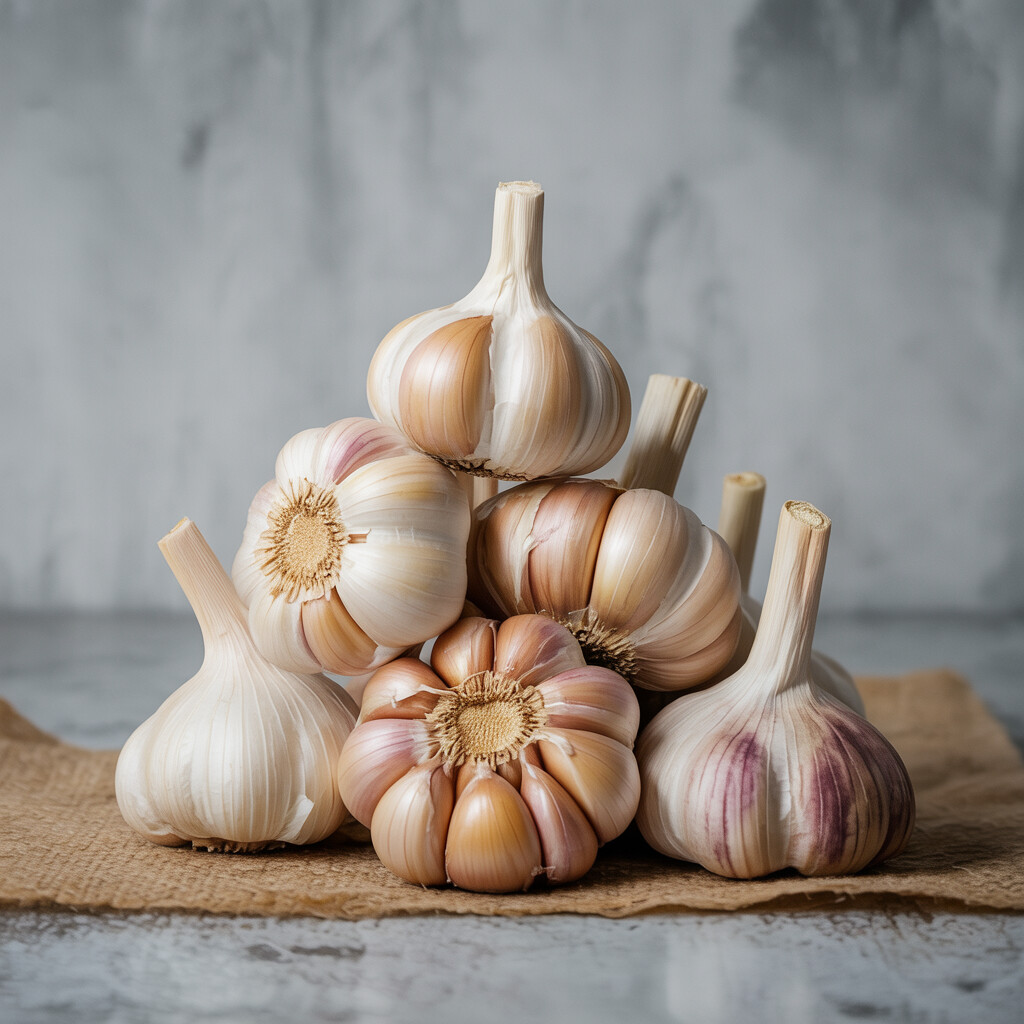
If you want to protect your Regular Garlic Taste Profile, you’ll need to guard your bulb stash with the care of a squirrel hiding acorns. Fresh garlic might seem bulletproof with its papery coat, but moisture, sunlight, and odd fridge arrangements can rob your cloves of their punchy, distinct character. That would be a loss not just for your recipes, but for whatever dreams you have of elevated home cooking.
Pro Tips for Storing Garlic’s Distinct Flavors
Start by keeping whole heads of garlic in a well-ventilated container or a mesh bag. If your kitchen tends to get humid or warm, opt for a clay garlic keeper or even a small basket, setting it in a spot away from trash talkers like onions. Those louder neighbors can make your garlic sprout or spoil early, threatening the Regular Garlic Taste Profile you’ve worked so hard to keep potent and fresh.
Once you break a head, plan to use the cloves within 10 days or so. Peeled cloves should see the inside of an airtight container and head to the fridge if you don’t need them right away. I even keep a small bowl handy to pile up the loose skins for compost or easy clean-up. It’s all about building habits.
If you hope to stretch things out long-term, freezing peeled cloves or chopped garlic (dredge slices in oil first) is perfectly fine. This won’t stall the garlic flavor train entirely, though you may want to double up when using frozen stuff in the skillet. Preserved in olive oil or vinegar, garlic also does the chilling act quite nicely, storing for months with that sharp, fresh tang intact. Take care to follow food safety rules when preparing infused oils, as botulism is a nightmare scenario and isn’t the kind of culinary adventure anyone’s after.
Avoid leaving garlic submerged by itself in oil at room temp since that’s a health hazard rather than a flavor upgrade. Joined up fresh and safely stored, though, garlic holds onto everything that makes it stand out, especially when you miss easier access to fresh black garlic. Compared to it, regular garlic lasts longer in your pantry, letting you rely on its steady, punchy taste until you finally land that premium black garlic delivery.
Conclusion
So, as you explore black garlic’s sweet magic, remember that regular garlic packs its own punch too. By understanding the regular garlic taste profile and how it stacks up against its darker cousin, you are ready to taste the distinct flavor notes and kick up your kitchen game. Wherever you live, quality black garlic can be hit or miss at local stores—but don’t let that hold you back from turning up the flavor with good old regular garlic.
You hold the best of both worlds right in your pantry. Challenge yourself this week to make regular garlic shine front and center in at least one meal. Invite someone to the table to share in the bold, soulful flavors you’ve unlocked. And when you uncover a great new use for black garlic, don’t keep that secret sauce to yourself. Show everyone the rich, versatile world of black garlic and regular garlic side by side.
FAQ
How would you describe the regular garlic taste profile?
When you bite into a fresh garlic clove, you get a burst of sharp, savory warmth that tingles almost instantly. The regular garlic taste profile hits your tongue with a mix of spicy heat and earthy depth. Not only does garlic add a punch to your food, but it also leaves a lingering bite on your tongue and even on your fingertips. If you’ve ever sautéed garlic in oil for pasta sauce, you know how your kitchen fills up with that unmistakable, mouthwatering aroma. It wakes up every dish, whether you mash it into guacamole or rub it on toasted bread. Personally, I find it impossible not to stop and sniff when I sauté garlic and onions even if I’m just reheating leftovers. Garlic’s taste sets the stage for bold flavors, making it an essential ingredient in many cultures’ cookbooks.
What makes regular garlic taste so pungent?
The pungency of regular garlic largely comes from sulfur compounds, especially allicin, which is released as you chop, crush, or chew those little cloves of power. When you let garlic hang out on your cutting board a minute after you slice it, you give that pungency a golden chance to intensify. Cooking it down tames that kick quite a bit, which explains how some people who hate raw garlic in salads can practically swoon over it roasted on potatoes. That abrupt zing, almost like a wake-up call for your taste buds, is a crucial part of the regular garlic taste profile. Once you taste really fresh garlic in your favorite salsa or vinaigrette, you realize why people rave about the color it adds to all kinds of foods.
Can you break down the flavor notes found in regular garlic?
The regular garlic taste profile delivers punches of spicy bite and wicked sharpness, but you also find small hints of sweetness and musk in the aftertaste. In its raw state, garlic leans “hot,” but give it some time in a sizzling skillet or roast it in the oven, and it unfolds into smoother, slightly nutty, mellow flavors with a trace of satisfying umami. On my last camping trip, I wrapped a head of garlic in foil and tossed it in the coals. Each soft clove came out creamy, mellow, and rich—a world of change from their raw state.
How does regular garlic differ from black garlic in taste?
Black garlic comes from a slow aging process and regular garlic keeps all of its strong, biting energy. With regular garlic, the taste profile is bold: spicy, aggressive, raw-you-might-even-cry energy that almost demands attention, especially when you sneak in one extra clove. Black garlic is rich, sweet, and softer than a ripe plum. If you want your meal to light up everyone’s senses, regular garlic delivers fast and big; for a gentle contrast alongside strong proteins, black garlic sings deeper notes. When deciding between them, let the dish’s purpose and mood guide you.
What’s a simple way to enjoy regular garlic at its best?
To show off the entire regular garlic taste profile, try rubbing freshly cut garlic on warm toast or fold finely minced cloves into a homemade vinaigrette. You’ll catch that sharpness in one bite, sweet mildness in another—you hit the gold standard flavor notes with barely any effort. You don’t even need knife skills: just crash a peeled clove with the flat side of your knife, form a paste with a pinch of salt, and spread it right on whatever bread you love. The result: all that signature heat with absolutely no bitterness.