

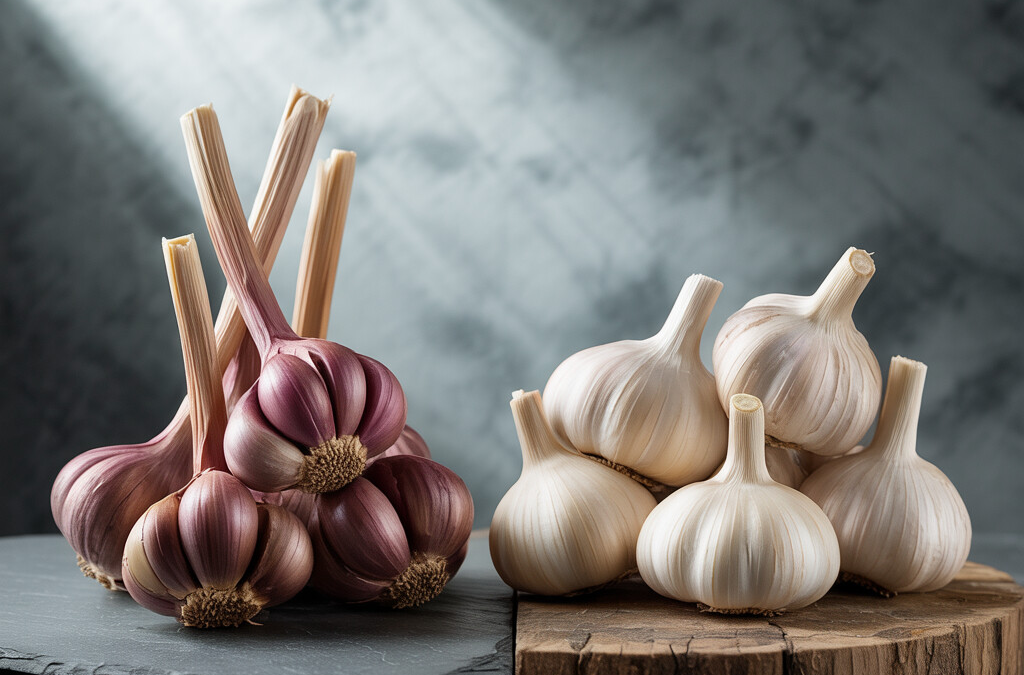
Regular Garlic Nutritional Content: Key Facts
Ever wonder why garlic gets such a grand reputation for being more than a kitchen staple? Regular garlic doesn’t just kick up the flavor in your favorite dishes, it is also loaded with health perks. A single clove packs only 4 calories but is bursting with vitamins and minerals. When thinking about Regular Garlic Nutritional Content, this little bulb gives you punchy power without weighing you down. Last weekend I tossed a few fresh cloves into my skillet—the aroma alone made my whole kitchen smell like a rustic Italian farmhouse. Pure magic.
Before diving spoon-first into your next recipe, let’s first explore what makes Regular Garlic Nutritional Content so special. From vitamins that keep your immune system fired up to antioxidants that give your body an armor of sorts, there is plenty to uncover. We will break down calories, vitamins, minerals, and even throw in a little science about how garlic stacks up against showy black garlic. You will get the knowledge to eat well and feel good about it. Ready to dive in?
Understanding Regular Garlic’s Nutritional Content
Biting into a raw clove of garlic is not for the faint of heart. It packs a mean punch and will keep your breath zingy all day. But that strong flavor hints at something else: garlic is loaded with good things that help keep your body running smoothly. If you want solid health basics in your meals, regular garlic delivers.
Balancing Nutrition: The Powerful Garlic Makeup
Let’s pull back the papery skin and check out what this little bulb is really made of. When you cook, crush, or just chop regular garlic, you get more than fierce flavor. You get vitamins, minerals, and even some handy natural chemicals that help keep you strong. In other words, you can lean on the everyday garlic clove to boost your meals and add a quiet power punch you won’t even taste under alfredo sauce. The good news? Your body does.
Regular garlic nutritional content is pretty impressive for something that usually stays in the background. You get trace amounts of just about every vitamin and mineral you can name. Garlic isn’t super high in calories, but it offers good levels of manganese, vitamin B6, and vitamin C to perk you up and help your body run right. If you cook with it, sometimes the flavor changes a bit, but the nutrients tick right along with the taste.
When it comes to flavor, regular garlic has bite and heat; yet below the savory fireworks, it quietly nudges your health in noticeable ways. Curious about the sweeter side of the garlic world? You’re not alone. Luckily, the next section breaks down how black and regular garlic stack up, so you can find your gustatory groove and still get a bucket of nutrients with every clove.
Black Garlic vs. Regular Garlic: A Nutritional Comparison
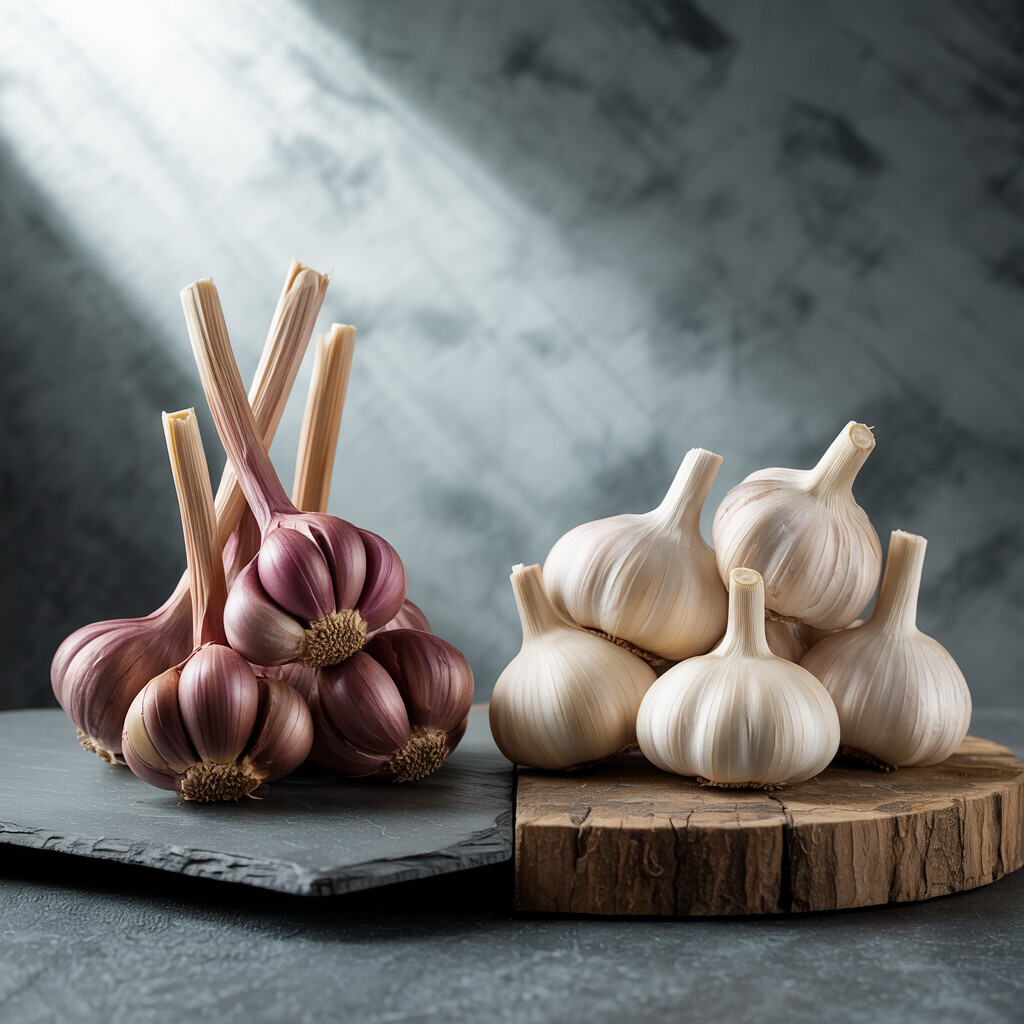
Trying to figure out if black garlic has the same benefits as white garlic
When most folks reach for garlic in the kitchen, they probably grab those familiar white cloves. Regular garlic nutritional content is well known: lots of vitamins, minerals, and strong antioxidants. But lately, black garlic—the sweet, tangy, almost syrupy black-colored cousin—has caught the eyes (and noses) of home cooks and chefs everywhere. I get it; the sticky, fig-like appeal is tempting. But is it just a culinary fad, or can it stack up when compared side-by-side with the pungent bite of regular garlic?
And Nutrient Profiles: Garlic Health Pros and Cons
Black garlic starts as regular garlic, but goes through a special slow-cooking process. The fresh garlic bulbs get heated and aged at controlled humidity. Over two to three weeks, they caramelize into soft, jet-black cloves. This aging gets the sugars to the surface, meaning one reason black garlic tastes so much sweeter is that the naturally occurring sugars in garlic come forward. That explains its new nickname, “garlic candy,” among foodies.
While a clove of regular garlic clocks in at sixteen calories per tablespoon with no fat, black garlic’s calorie count goes up slightly—to about twenty calories per tablespoon—because of that increased sugar. Both are low-calorie in the grand scheme. The main nutritional content of both types of garlic remains similar, but a few things change after black garlic’s makeover: the sharp taste loses its edge and some stable nutrients, like vitamin C, decrease a bit. However, black garlic ends up packed with even more antioxidants called S-allylcysteine (SAC). Scientists believe SAC plays a key role supporting healthy blood pressure, and overall heart health.
Don’t fret about missing out entirely on nutrients, though: the basic minerals like selenium, manganese, and trace B vitamins carry over, as do the main bioactive star ingredients. Regular garlic nutritional content will always top the vitamin charts a bit more, but with its reliable flavor and flexible uses, black garlic wins my heart in the sauce, marinade, savory baked good, or salad topping categories. If you can’t get quality black garlic locally yet, try slow-roasting your next batch of regular garlic, and you’ll see that mellow caramelized notes show up there, too! Paste or puree it for pasta, veggie, or pizza toppings and you’ll enjoy similar sweetness and depth.
Ready to geek out about the specifics? Check out the Black Garlic Nutritional Value Guide for a deeper dive on antioxidants and exact measurements. The regular white stuff is no slouch in the nutrients department, but for a fun flair and a new batch of culinary options, black garlic always deserves a spot on your to-try list.
Regular Garlic Calories and Their Impact on Your Diet
It seems like everyone is counting calories these days. Food tracking apps are everywhere, and it feels like even my local sandwich shop posts nutrition stats beside the menu board. So where does that put regular garlic? Not only does it have a legendary punch of flavor, it is light on calories too.
Counting Calories: Comparing Regular Garlic with Black Garlic
Regular garlic comes in at about four calories per clove. That is so little, even if you go heavy in a pasta sauce, your calorie count barely shifts. Black garlic is made from fermenting regular garlic, so its calories are also very low but with a subtle increase since the natural sugars concentrate as it ferments. Take a look at this quick chart:
What you put on or eat with garlic, like buttery garlic bread or rich curries, might turn up the calories in your meal, but the garlic itself stays light. If you are limiting calories or prefer whole foods, regular garlic fits well within almost any eating pattern. I sometimes toss a few cloves into warm olive oil (on medium-low, those little devils burn fast!) just to add extra flavor to roasted vegetables, stir-fries, and creamy dressings. You get savory satisfaction but keep your calorie intake in check.
If you do not have access to good black garlic, knowing the Regular Garlic Nutritional Content puts you ahead. You can tweak your recipes so that when you switch from regular to black garlic (when you find a source), you already nail the balance of flavor and nutrition.
Using garlic for flavor instead of butter, dressings, or extra meat is how a lot of home cooks trim calories while still making memorable meals. Regular Garlic Nutritional Content makes it a smart, familiar pick for cooks becoming more calorie-aware. When you finally score that jar of good black garlic, you will have even more options, but in the meantime, you will not go wrong with the reliable white bulbs.
Essential Vitamins in Regular Garlic: What You Need to Know
Some hands-on folks may say fresh is best, but in the world of garlic, even humble supermarket regular garlic is packed with nutrients and vitamins your body can use. When you peel a clove, the regular garlic nutritional content gives you an impressive dose of essentials like B6, vitamin C, and—even in small amounts—a sprinkle of other helpful nutrients.
Breaking Down the Vitamin Power Behind Regular Garlic
Vitamin B6, also called pyridoxine, is the real star here. It supports your immune system and helps balance your mood, so next time you feel a little grumpy, maybe grab an extra clove or two. If you already love garlic bread, you are in luck because this warming, fragrant food delivers a daily boost with every zest-packed spread.
You also get a helping of vitamin C in your regular garlic stash too. Fun fact: I sometimes toss sliced garlic into salads for a double whammy, feeding both my taste buds and my immune system with a shot of vitamin C that rivals a tiny slice of orange.
Even though the quantities in a single clove are small, if you regularly cook with garlic, those benefits add up over time. The overall regular garlic nutritional content does real work for your body. For folks who wish they could snag more black garlic, remember that regular garlic offers consistent, year-round returns, ready to take on soups or spring rolls with the flip of a knife.
As much as black garlic sounds glamorous, do not count common regular garlic out just yet. Its vitamins fit right into an everyday routine: boost flavor, keep antibodies sharp, and get one step closer to garlic greatness one recipe at a time.
Mineral Content in Regular Garlic: A Closer Look
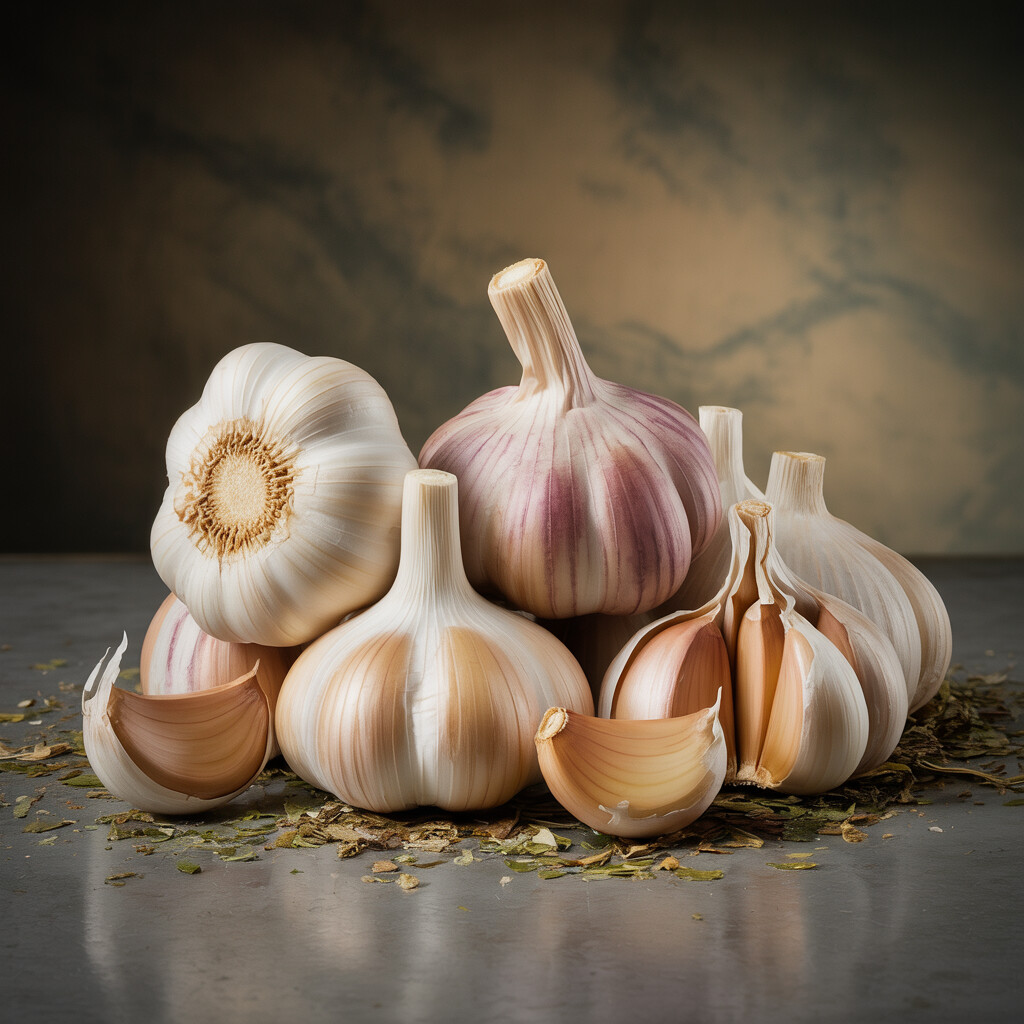
Take a peek into your spice drawer: that regular garlic bulb packs more minerals than most people realize. Your grandma probably told you to eat garlic to keep those sniffles away, but the truth goes deeper. Does this mean you can skip the multivitamin? Not quite, but garlic puts up a good fight. Let’s chat about what’s hidden in those white cloves, and how it connects to the wider world of bold black garlic (more fun in the kitchen, same good-for-you vibes).
What Minerals Matter Most in Garlic?
When you’re checking out regular garlic nutritional content, focus on garlic’s best stuff: manganese, selenium, calcium, and iron. Even a clove or two sneaks a powerful punch without sticking to your teeth or causing dragon breath.
- Manganese: One of those words you only hear if you’re watching cooking shows, but your body uses it constantly. Manganese kicks your metabolism into gear and helps you absorb nutrients from anything else you eat. Garlic makes it all so simple and tasty.
- Selenium: Garlic grabs this mineral from the soil socked in around its roots. You need it to feel sharp, keep your thyroid in shape, and support a strong immune system. It also helps to clean up those “free radicals” everyone’s worried about.
- Calcium: Not just for strong teeth and bones—thanks to regular garlic. It helps your nerves spark and your blood move smoothly. Thought you only needed milk for calcium? Surprise, surprise!
- Iron: Garlic contains a little iron that your body counts on every day to transport oxygen around. Nobody ever orders garlic fries for the iron count, but hey, it’s a happy little bonus, right?
Garlic doesn’t dump loads of sodium into your food—perfect for folks with high blood pressure. A few cloves each day, and you get both flavor and nutritional support.
So if your neighborhood store is fresh out of black garlic, don’t worry. It takes ordinary regular garlic—with all its nutritional content and minerals—to create that deeply savory black version anyway. Try layering them in your dinner: regular garlic first, then black garlic toward the end. Garlic’s minerals blend effortlessly into any meal and sneak a little boost into your health regime, possibly before you’ve even noticed.
Health Benefits of Regular Garlic’s Nutritional Profile
Garlic has a big reputation for a reason. Packed with both bold flavor and health-boosting powers, regular garlic brings far more to the table than a little extra zing for your spaghetti sauce.
Regular Garlic’s Wellness Perks: Immunity, Heart, and Beyond
If you peek at the regular garlic nutritional content, you’ll notice a blend of antioxidant compounds, vitamins, and minerals. These teamwork nutrients support your body in some impressive ways. Garlic’s antioxidants, for example, help redirect oxidative stress that can damage your cells over time. If you’re anything like me, thinking about cells fighting mini sci-fi battles inside your body is pretty cool.
Garlic is loaded with natural compounds that care for your heart. Allicin, the big star, can help keep cholesterol and blood pressure in a healthy range when combined with a balanced lifestyle. Plenty of people also swear by garlic’s comfort as a cold-season staple, thanks to its own immunity-boosting properties.
Eating more regular garlic could nudge down your risks of long-term wellness spoilers like certain types of cancer and heart troubles. That information alone convinces me to sneak garlic into almost everything, from Friday night pizza to my scrambled eggs.
For days when good black garlic feels a world away, don’t discount the everyday power right in your own kitchen cupboard. Utilizing the regular garlic nutritional content already in easy reach keeps your home-cooked meals disease-fighting, heart-happy, and full of real flavor. Every clove helps!
How Regular Garlic’s Nutrients Support Immune Health
Let’s shine a little light on how regular garlic can boost your immune system. It might not wear a cape, but the nutritional content of fresh garlic fits superhero status. Packed with vitamins and minerals, regular garlic makes natural immune support feel easy.
Garlic’s Nutritional Content Powers Up Your Defenses
First up, garlic’s vitamin C loads your body with antioxidant power, helping ward off harmful invaders, like a flu bug on a cold Tuesday morning. Vitamin B6 steps up your white blood cells, so you stand strong against germs. Allicin, another natural compound, is released when garlic is chopped or crushed. It supports infection-fighting by keeping inflammation down.
Garlic is also rich in minerals, especially selenium and zinc, and they make a pretty great tag team. They each keep your body’s antibodies in top shape, ready to respond when they spot trouble. Garlic has even shown a knack for helping cells repair themselves after sickness.
I slice garlic and rub it on toasty bread or toss it in soups and roasted veggies. It makes everything taste bolder, while giving my immune system a little back-up dance crew. Plus, Regular Garlic Nutritional Content doesn’t rely on hard-to-find products; you can work immune-boosting garlic into your routine—no specialty markets required.
Regular garlic may seem less glamorous compared to black garlic. Still, its vitamins and minerals mean real benefits, especially when it comes to holding the line for your immune health. So if you find fresh black garlic as elusive as a four-leaf clover, reach for common garlic. Your body, and your taste buds, will thank you.
Incorporating Regular Garlic into Your Daily Meals
Let’s be honest: fresh, high-quality black garlic can be a pain to track down. That’s why it pays to get creative with what’s already in your pantry. Regular garlic is a reliable kitchen sidekick. It’s not just the flavor boost that’s hard to beat. It also comes with nutritional bonuses. With just a few cloves, you can bump up the Regular Garlic Nutritional Content of your everyday meals and feel pretty satisfied with yourself (at least, I always do after a solid meal prep session).
Practical Ways to Add Regular Garlic for Extra Nutrition
Garlic works like a flavor glue in so many foods. Start with a breakfast omelet or frittata. Sauté minced garlic in the pan first for a savory base, then spill in your eggs and veggies. Feel free to keep it simple: two sliced cloves tossed over roast veggies—broccoli, carrots, potatoes—make an easy side dish.
Turning to lunch, skip the expensive store-bought dressing. Drop in a little crushed garlic, olive oil, and lemon juice for a fast, punchy vinaigrette on your salad or grilled chicken. Even old-school classics like spaghetti with marinara jump up a notch when you sizzle garlic in the pan at the start.
For dinner, pretty much every stir-fry, stew, or bean dish benefits from some garlic. Make it part of your taco night. I like to toss garlic with ground meat, chipotle, and beans to infuse a rich depth without relying on extra fat or salt. If you’re feeling bold or a little extra hungry, add a side of warm bread spread thickly with garlic butter or roasted cloves.
Snackers, don’t fret. Plain hummus stands in for a mid-afternoon snack and loves a little raw garlic for a flavorful kick. If you drizzle garlicky oil over popcorn, your guests’ sense of smell might get even keener than their taste buds—a true crowd pleaser.
Sprinkling small amounts of regular garlic through your meals is a stealthy way to enrich the Regular Garlic Nutritional Content you pack into your eating routine. The natural vitamins and minerals can slip quietly under the radar as flavor, making it simple to eat smarter and tastier at the same time. And who knows, by using garlic often, you may find yourself empowered to branch out once you have access to some of that elusive black garlic—ready and eager to make it star in your kitchen.
Regular Garlic vs. Black Garlic: Which Suits Your Culinary Needs?
When you stand in your kitchen trying to decide between regular garlic and black garlic, it actually depends on what you want from your food. Regular garlic will turn any meal into comfort food—think garlicky pasta sauce, your favorite shrimp, or even warm bread with melted butter and a sprinkle of garlic.
Garlic, in its regular form, carries a solid nutritional punch at an affordable price. It is always available at the store, works in almost any savory dish, and—with a little practice—you can adjust how strong or mild that garlic flavor comes through. Black garlic, meanwhile, begins its life as regular garlic, but transforms during fermentation. As the cloves darken, the flavor shifts to sweet and rich, like balsamic vinegar mixed with dried fruit. This makes black garlic a fun way to surprise your taste buds, particularly in dressings, pasta, burger toppings, or even as a dessert ingredient.
Choosing the Best Garlic Variety for Culinary Creativity
In many ways, “garlic” and “kitchen” go together like “peanut butter” and “jelly.” That is hardly an accident. When the main thing you want is slamming, dependably fresh “Regular Garlic Nutritional Content,” you will be hard-pressed to beat what comes naturally from a bulb in the produce aisle. Black garlic, on the other hand, seems to whisper, “Try me” in pineapple salsas, chocolate truffles, or creamy soups.
For “Regular Garlic Nutritional Content” and taste, loyalty to tradition is fine. You can roast, sauté, or eat it as raw as you like. But if you crave new flavors, keep black garlic in mind. While local supermarkets do not always have it in stock, specialty grocers and online shops make it easy to experiment.
For home cooks with limited access to specialized products, do not worry: the nutritional and practical value of regular garlic gives no cause for “food FOMO.” Embrace the best of both; try in-season black garlic offerings when you see them, and know your go-to garlic is doing a great job of keeping your meals healthy and interesting. As a garlic fan, you simply can’t lose.
Conclusion
You now understand the regular garlic nutritional content. You also read about how it gives your cooking essential vitamins, minerals, and flavor. Whenever you are feeling fed up while searching for high-quality black garlic, remember what mixing both types into your favorite foods can do for your health and taste buds.
Your next adventure: Bring in both standard garlic cloves and black garlic too. They combine well together in simple roasted garlic or in more complex dishes. There is no need to choose just one. Black garlic takes you to the next level, but regular garlic shouldn’t be overlooked.
FAQ
How does regular garlic nutritional content compare to black garlic?
If you have ever tried both garlic and black garlic, you probably noticed a difference right away. Regular garlic nutritional content features more vitamin C and a few extra minerals because it is fresh and raw. Black garlic, on the other hand, changes during the fermentation process. The biggest difference is in taste and texture, but the nutrients do shift slightly as well. If you cook with both, you will notice your body still gets plenty of vitamins, minerals, and sulfur compounds from each one. Sometimes I sneak both into my pasta sauce to keep things interesting at dinner.
What are the key vitamins in regular garlic?
Garlic fills your plate with a natural source of vitamin B6 and vitamin C. Using fresh garlic is an easy way to give your meals an extra dose of antioxidants and sulfur compounds that your body loves. When your salad or veggie stir fry could use a spritz of flavor, chop in a clove or two—no fancy kitchen gear needed! Regular garlic nutritional content helps support a balanced diet and your body’s routine vitamin needs. You get so much from just one clove, you might actually crave the sharp flavor once you get used to it.
Which minerals in regular garlic benefit my body most?
Garlic is never just about taste; regular garlic brings trace minerals like manganese, selenium, calcium, and iron. Garlic’s nutritional content also means you get a little potassium from every meal. These essential minerals help support strong bones, your immune system, and steady energy for those days when you have one too many Zoom calls. I like sprinkling a few freshly minced cloves into my roasted potatoes before dinner—my muscles thank me for it later.
How many calories do you add with regular garlic?
With garlic, your calorie intake will not be a concern. There are only about four calories in each average clove, so adding regular garlic hardly affects your diet at all. You get bold flavor and nutrients with so few calories that you can snack guilt-free. I often roast a whole head and spread it on toast like butter. It tastes rich but only adds a whisper to your food journal count.
Does eating garlic improve my immune health?
Not only does garlic boost the flavor in your cooking, but regular garlic nutritional content adds immune-bolstering properties too. Sulfur compounds found in garlic can give your natural defenses a pep talk with every bite. When cold season rolls in at home, I lean heavier on my garlic press for pasta, potatoes, and even salad dressings. The old folk tale about garlic fending off viruses has roots in what these powerful cloves actually deliver, bite for bite.