

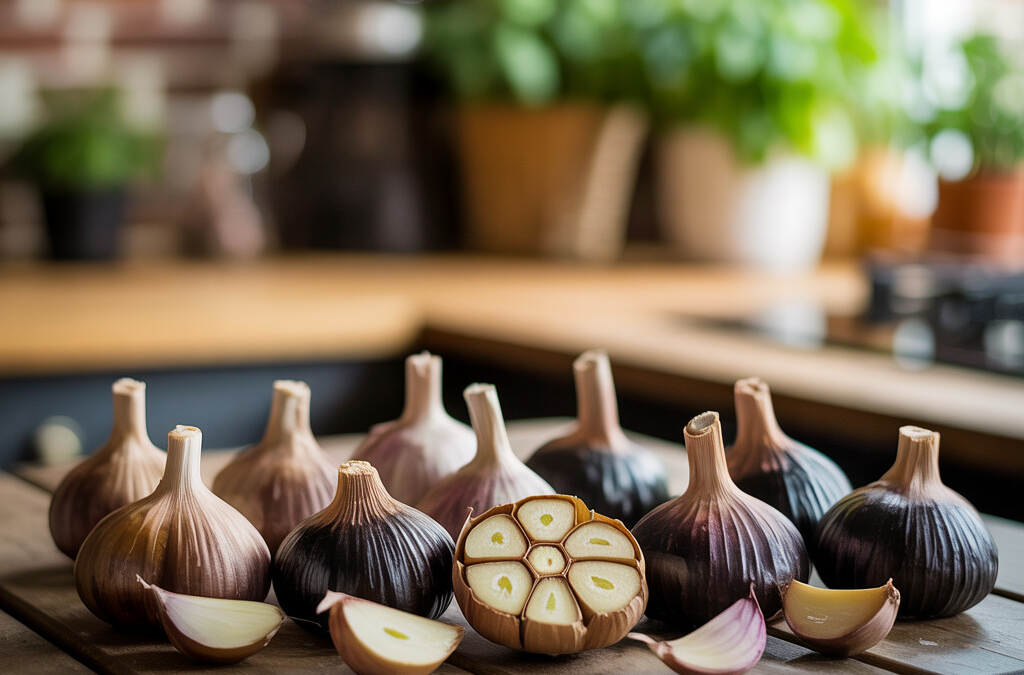
Black Garlic Recipe: Easy Homemade Guide
Ever stumbled across a picture of inky garlic cloves and thought, “What kitchen magic is this?” If so, welcome to the wonderful, mysterious world of black garlic. There is a quirky fact for you: in South Korea alone, about 3,000 tons of fermented garlic is made on purpose each year. And after chewing a velvety, caviar-like piece at a chef friend’s house last weekend, I still catch myself craving the savory sweetness that lingered in my mouth long after dinner.
The best part is, you do not have to live near a fancy market to enjoy this treat. Our Black Garlic Recipe walks you through a beginner journey that ends in true “I can’t believe I made that” territory. With the step-by-step guide on how to make black garlic at home, you will meet your wildest midnight cravings. Plus you will discover how to use black garlic every week: in mayo, with cheese, and even on your avocado toast. Ready to dive in?
What Is Black Garlic?
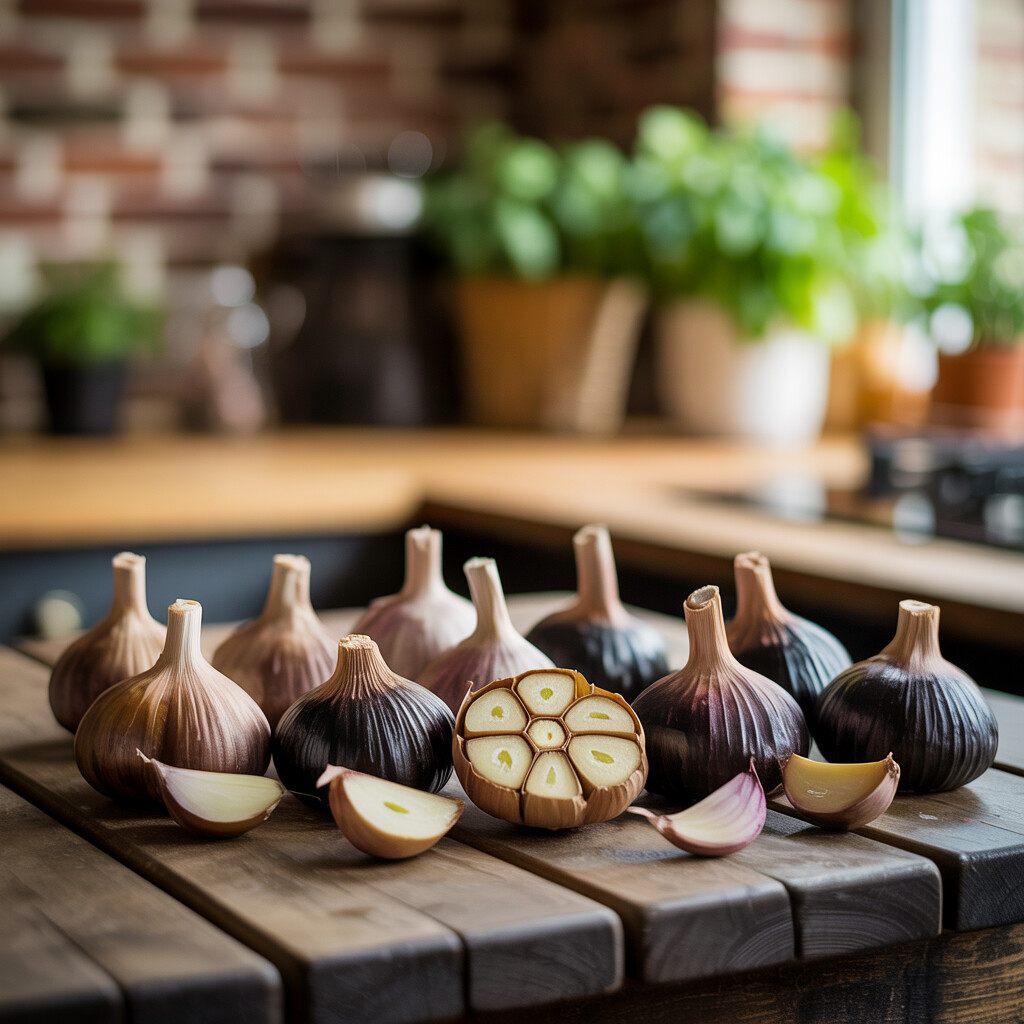
Black garlic comes from the humble allium that’s likely within arm’s reach in your kitchen: classic garlic. Instead of being eaten fresh, these heads go through a low, controlled heating process over about three weeks, followed by a resting period. The slow transformation doesn’t add anything weird; it just deepens the garlic’s color, texture, taste, and even its nutritional profile.
At first glance, it looks as dramatic as it sounds—silky jet-black, almost like licorice or balsamic. If you ever cracked open a whole roasted garlic clove, you’ll recognize that luscious squish, but the black version kicks the charm up a notch. There’s none of the bite or fiery punch you get from raw garlic. Instead you’ll discover this gentle, tangy, almost molasses-like warmth with hints of tamarind, balsamic, or even miso.
Black Garlic Recipe Basics: History and Scarcity in the U.S.
A quick bit of background: Black garlic is not a brand-new culinary find. Versions have graced dishes across Korea, Thailand, and Japan for ages, each culture putting its own spin on the process and traditions. Here in the States, enthusiasm is growing, but even a good gourmet grocer isn’t likely to keep it in stock year round. When you do spot it, the price per head for true, properly aged black garlic often gives a bit of sticker shock.
Why even hunt it down? If you’re tuning in, chances are a black garlic recipe has popped up on your radar and got you curious. Maybe you saw it dolloped on a food show or dotted across a steak at your favorite high-end restaurant. Or you simply want to level up home cooking with something new.
Either way, making a black garlic recipe at home ticks every box: It’s cost-effective. You control the quality from start to finish. It honestly could not be easier. To me, the toughest part is sitting on your hands and giving it three weeks to work its magic, but man, is it worth the wait! Once you stock homemade black garlic, the fun of using it in everyday meals is just getting started.
The Unique Flavor Profile of Black Garlic
When people hear about black garlic for the first time, they often imagine it will taste strong and bitter, like raw garlic. Surprise! Black garlic is a whole other experience. It is jammy-sweet, savory, and only mildly garlicky. Think tamarind candy mixed with balsamic vinegar. I describe it as otherworldly. It has all those triple-word-score flavors: hints of molasses, dates, soy sauce, and a burst of rich umami in every bite. There is none of the sharp, burn-your-tongue bite of a fresh clove. That mellow sweetness keeps you reaching for another clove, instead of stepping it out into the garden.
It is a flavor I did not know I needed in my kitchen, but now I panicked when I saw my container running low. Black garlic opens a door to meals with deep, savory character or unexpected pop, even if you just have a grilled cheese planned for tonight.
Black Garlic Recipe Inspiration: Discovering Stand-Out Taste
Here is the fun part: Any simple meal can turn chef-y with black garlic. You want to see what the hype is about, and the only way in is to make your own. Not only is it a satisfying project, it lets you savor the purest black garlic flavor profile at home. Grab some tools and I will walk you through it. Or wander to a specialty grocer if you are in a big city. There is no shame in store-bought, just read labels for added salt and other flavors.
When you use my black garlic recipe, you will notice flavors deepening every week. It almost feels like black garlic remembers every meal you cooked then showers your senses with memories. Add a clove to a salad dressing and it smooths all the sharpness out of lemon and vinegar. Warm a slice on top of toast and it blooms like honey and dark roast coffee and a touch of spice. Once you have tasted it on its own, throw black garlic into eggs, sautéed greens, or simmering soup with no rules. Let it show you its friendly side.
My black garlic recipe does take a few weeks. There are tricks to push the process along, but if you wait all that time you will see why so many chefs and home cooks keep homemade black garlic close by. The wait is worth every sticky bite.
Essential Equipment for Making Black Garlic at Home
Making your own black garlic at home might sound daunting, but you only need a few tools. This is great news, especially if you can’t find black garlic in stores, or if you’re after those unique flavors in every batch. You’ll need garlic bulbs, a way to maintain a steady, warm temperature, and a spot for some olfactory patience. When I first made a batch, my house smelled like garlic bread for days; now, I look forward to it.
Key Tools You’ll Need for Black Garlic Cooking
To craft a classic black garlic recipe, think slow and low. Here’s a quick summary of essential gear:
Your main gadget will be a rice cooker or slow cooker. Both work well because they hold at 140-170°F for several weeks. Set the cooker to “keep warm.” Nestled inside, your garlic bulbs slowly transform. Add a mesh rack if you want air circulation and to avoid direct contact with hot surfaces. If you’re not sure your machine is calibrated correctly, use a simple oven thermometer to double-check.
Remember, the process takes patience. If you want to keep the aroma contained, wrap bulbs in parchment and then foil, but don’t seal everything tight—air circulation helps. You can try other gadgets, but keep an eye out for weirdly uneven results; some folks have used dehydrators or even proofing boxes with success.
If black garlic has not made it to your local store’s shelves yet, and you’re inspired to try your own Black Garlic Recipe, consider making extra. You’ll have backup for the next time you’re out of luck—or want to share.
Once you gather your setup, you’re ready for several Black Garlic Cooking Methods; the tools above give you a simple and cost-effective start.
Step-by-Step Guide to Crafting Black Garlic
Here’s where the slow magic happens: making black garlic at home takes patience, but the payoff is worth it. If tracking down black garlic in stores leaves you frustrated, get ready to make your own. Before you start, make sure your workspace is clean and free from drafts. Dust and old food odors can easily get trapped in your garlic bulbs, so it’s best to designate a corner safe from kitchen chaos.
Getting Started: Your Blueprint for Homemade Black Garlic
- Clean whole garlic bulbs, leaving the papery skins intact. Peel off only the dry outer layers for an even finish—too much removal or too little, and you’re left with a mess.
- Wrap each bulb tightly in a couple of paper towels or parchment sheets to help control moisture loss. Talking kitchen towels here, not bath towels, though I have made that mistake, and my wife still won’t let me forget it.
- Tuck the wrapped garlic into a rice cooker or old slow cooker you can spare for weeks. Avoid crockpots with automatic shutoffs or fancy programs. Set it to the “keep warm” function and keep it steady. Do not confuse this with “cook,” or you’ll risk burnt bulbs.
- Crack the cooker lid very slightly with a chopstick or paper wedge for airflow. The garlic needs to breathe as sugars melt and flavors change; too tight, and you’ll get soggy bulbs.
- Place the cooker in a ventilated spot (the aroma has a kick) and let nature do her thing. Black garlic needs 14 to 40 days undisturbed; it’s slow food in every sense.
- To check progress, unwrap a single garlic bulb once per week. If the flesh is black and the texture is soft like chewy fudge, you’re done. For bold flavor, press further and test at the 30-day mark.
- Cool the finished bulbs on a cooling rack, then stash them airtight in the fridge. They’ll keep for months, and every honest kitchen mistake along the way makes for memorable kitchen tales.
A classic Black Garlic Recipe (and process shortcut) begins here, as nothing fits this bill quite like the real, from-scratch home method. Every bulb you finish at home shapes your kitchen story and authenticity, bite by bite. This starter method sets you up for the next discovery, so be sure to use your first batch to unlock the sweeter side of garlic, and don’t be afraid to experiment along the way.
Black Garlic Cooking Methods: Incorporating It into Your Dishes
So you’ve crafted your own black garlic (or are planning to) and want to take the leap into the kitchen. Fantastic idea. Black garlic’s mellow, complex flavor deserves a starring role in more home kitchens, and using it can be as easy as tossing it into whatever you love to cook. The secret is to tap into its savory sweetness, letting it either anchor a dish or add depth in subtle ways.
Tried-and-True Ways to Cook With Black Garlic
Black garlic spreads easily, so you can start by smashing a clove into cooked pasta, spreading it on toast, or whisking it into salad dressings to give vinaigrettes an umami punch. Many fans add a spoonful to sauces, gravies, or even ramen broth for an extra layer of flavor. I like to chop it and fold it into mashed potatoes—earthy, garlicky, kind of magic.
Want to show off your homemade black garlic? Try it in your next tapenade, hummus, or even a grilled cheese for a slightly sweet tang. Mince the cloves for compound butter, or smear it on pizza dough instead of classic red sauce; top with mozzarella, mushrooms, and greens, then bake.
Roasting black garlic with chicken, beef, or root veggies brings out an almost balsamic depth, while including thin slices with a cheese or charcuterie plate highlights all those sweet, tangy notes. If you’re a breakfast fan, try putting a small dollop on eggs or avocado toast. It tricks your taste buds in the best way.
If you’re worried you can’t consistently get great black garlic from the store, making it at home gives you complete control. Most classic Black Garlic Recipe builds treat the finished cloves more like a condiment than raw garlic: the slow-cooked garlic won’t overpower dishes, so feel free to experiment. Whether you stir a clove into risotto, sprinkle chopped pieces onto roasted Brussels sprouts, or whisk them into a rich pan sauce, each approach uses black garlic as a launchpad for bold new taste experiences.
Don’t be shy—grind it into a paste and layer it under fish skin before searing, puree it into smooth dips, or swirl it into butter for top-tier potato rounds. If you want more Black Garlic Recipe inspiration, check out quick, easy ideas for dishes that keep all the joy of fresh black garlic alive.
Exploring Black Garlic’s Culinary Uses in Everyday Meals
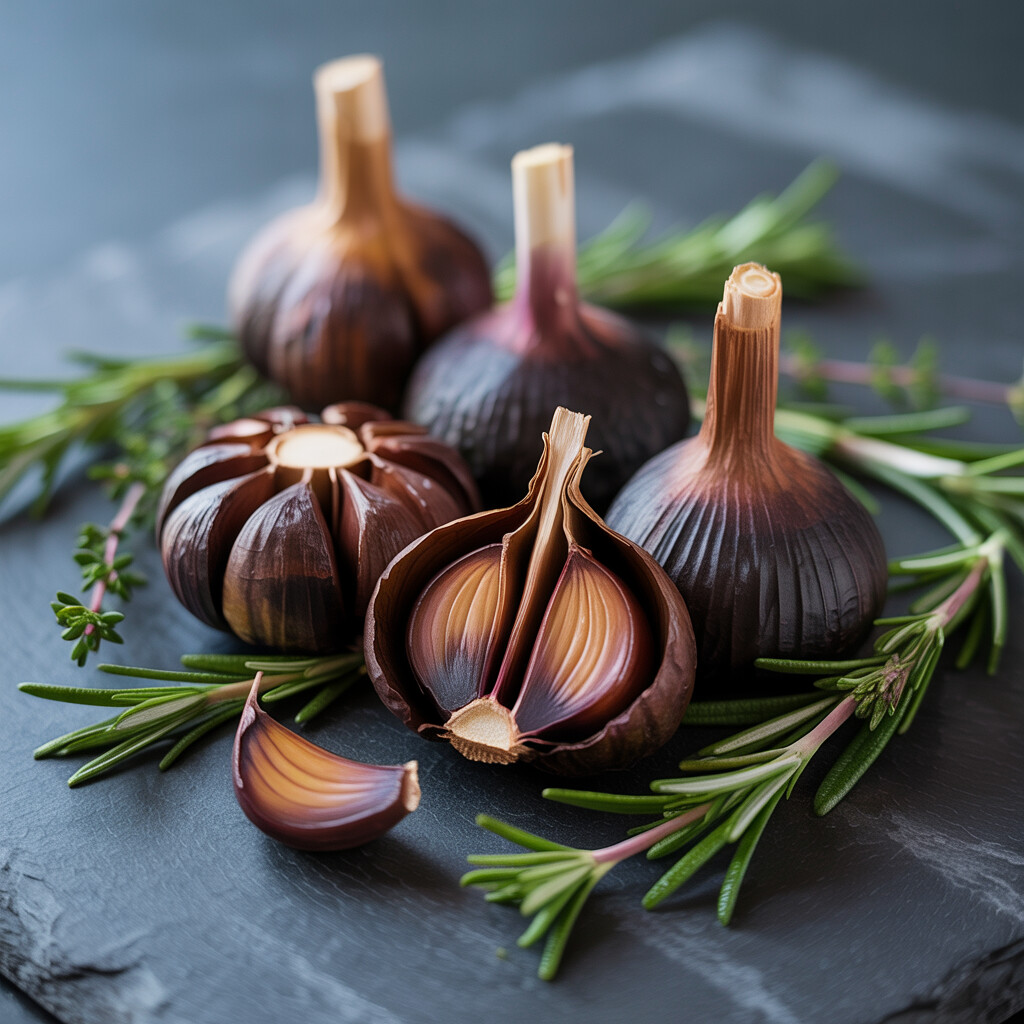
Black garlic brings a new kick to familiar favorites, leaving a trail of sweet, tangy richness wherever it goes. Think pizza, but with umami-packed black garlic tucked under gooey cheese, or try adding a clove to your mashed potatoes for a subtle, caramelized undertone that perks up every bite. And yes, you can just pop it in your mouth or smash it on toast with a little butter if you want to taste its one-of-a-kind flavor all by itself.
Simple Everyday Black Garlic Cooking Methods
If finding ready-made black garlic at the store is a headache (boy, do I know that struggle), consider whipping up your own. Once you do, the options multiply fast. Chop or mash a clove right into salad dressings and marinades for a hint of aged balsamic vibe without overpowering the whole bowl. Black garlic disappears into soup broths or glazes for vegetables and proteins like it was always meant to be there.
Try folding soft, black garlic paste into scrambled eggs, grilled cheese, or even bagels with cream cheese for a breath of savory-sweet air. Quick and easy, but big on flavor. Did I mention pasta? Stir it right into a warm sauce, or rub pureed black garlic on roasted chicken skin before it hits the oven.
Get a little adventurous with these black garlic recipe ideas: whisk it into hummus, blend into aioli, or swirl in a food processor with olive oil for a drizzle on basically anything. For something new, pair it with blue cheese, walnuts, or roast beef. You can even chop it up for a unique segue into chocolates or truffles, though I wouldn’t blame a soul for sticking with pizza and veggies first.
If you’re always looking for ideas on how to really shake things up, explore Black Garlic Culinary Applications Elevate Your Dishes at home, or check out local farmer’s markets for hard-to-find gems. Homemade or store bought, black garlic can make you look like a flavor genius in the kitchen, which, if you ask me, feels good at the end of a long day.
Health Benefits Associated with Black Garlic Consumption
If you have ever wondered about the health perks of this deeply caramelized garlic, you are not alone. Black garlic brings a bold taste to the table, but its unique fermentation process might also dial up benefits for your body. Here is what you will want to know.
Unpacking the Advantages of Fermented Black Garlic Recipes
People love black garlic for the sweet, almost tamarind-like flavor, but it may also contribute to everything from heart health to immune system support. While you should not pitch your veggies overboard and never trust a black garlic recipe to fix up every health woe, let us talk practical possibilities:
-
Full of antioxidants: Fermented garlic might have higher antioxidant levels compared to fresh versions. That could help battle stuff like stress, pollution, and even late-night potato chip binges. (Guilty.) Antioxidants are those chatterbox buzzwords about anti-aging, but really, they are about keeping the wear-and-tear in check everywhere from your skin to your joints.
-
Friendly for your heart: Some studies say regular black garlic consumption can help lower cholesterol or support healthy blood pressure. You will want a healthy lifestyle, too, of course, but it is a tasty tool for trying to keep things ticking along smoothly.
-
Gut-gentle and easy to digest: If you have ever felt a twinge after raw garlic but can shovel handfuls of roasted garlic straight off the baking sheet, you are not alone. Black garlic is often kinder to your stomach, making it a way to eat something flavorful even on the gentler-diet days.
-
Potential immune booster: Just like its fresher cousin, this garlic holds up well in the cold-and-flu season badge parade. There are some studies and lots of kitchen table wisdom about added support for your body’s defense system.
So if you live in a spot that is short on garlic gold or just cannot get fancy bulbs at specialty stores, do not let that keep you from making it in your own kitchen. It is one of the main advantages of following a black garlic recipe at home: you do not have to miss out just because nobody stocks it within fifty miles. In fact, you get to pick the bulbs, control the time and flavors, and enjoy something that might just have a health punch built-in with every bite.
Storing and Preserving Your Homemade Black Garlic
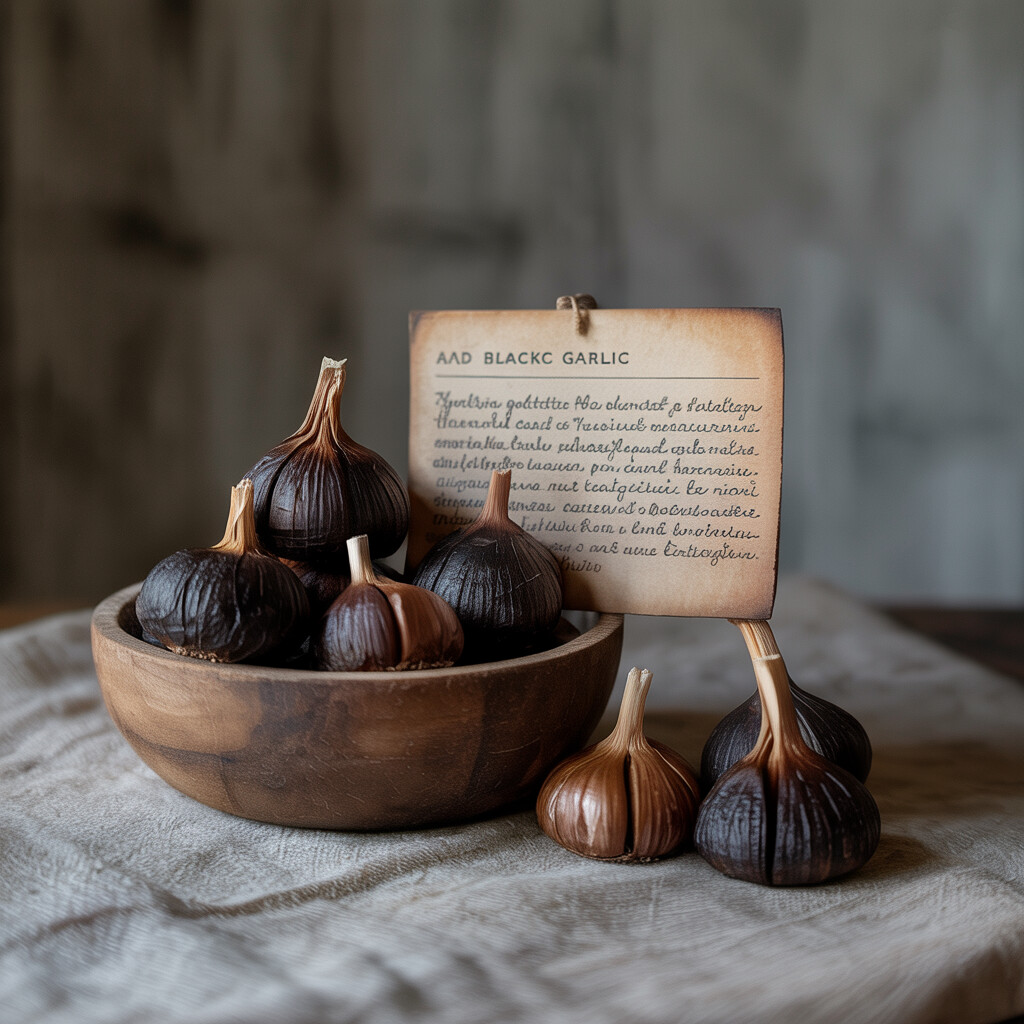
Making your own black garlic is pretty rewarding, but nothing dampens the excitement faster than realizing it can go south at home just as quickly as your last batch of roasted veggies. Since black garlic is made through steady, low-heat aging, it packs some natural keeping power, but simple care pays you back with sweet, sticky flavor for months.
Tips for Keeping Homemade Black Garlic Fresh
First things first: never toss black garlic in the fridge until it’s absolutely cool, bone dry, and resting in an airtight container. Any hint of extra moisture actually shortens its lifespan. If you want to keep your black garlic handy for daily recipes, a cool, dark kitchen cabinet works fine for two to three weeks in a well-sealed jar. If you’ve made enough to impress your whole neighborhood, move the extras into the refrigerator, where it’ll keep beautifully for up to six months. That’s longer than most of my leftovers, trust me.
Some folks take it even further and vacuum-seal their black garlic—this slows down spoilage and prevents any fridge logic, where onions are suddenly flavored with undertones of black garlic funk. If you try this, clearly date your pouches. From personal experience, it’s no fun playing “is it cork or capers?” in two months. Black garlic recipe notes often skip this detail, but I promise the extra organization is worth it.
Pro tip: If it starts looking moldy or dried out, don’t risk it. Homemade black garlic should smell sweet, not funky, and stay moist, chewy, and sticky almost like licorice. Following this guidance, you’ll have plenty on hand for every Black Garlic Recipe your heart can imagine. Try folding chopped cloves into butter, sauces, or something new. Once you’ve made that first batch and stored it right, you’ll want black garlic within grab range all year—trust me, your taste buds will thank you.
Troubleshooting Common Issues in Black Garlic Preparation
You’ve studied the procedure, bought a rice cooker or figured out another method to slow-cook your garlic for several weeks, but something just doesn’t seem right. Black garlic has a deep allure, but making it at home can sometimes come with a few surprises. The kitchen can be a moody place with lots of science up its sleeve. If you discover that your batch wasn’t perfect, don’t toss those bulbs just yet. Here’s how to spot and solve the biggest black garlic recipe headaches.
Common Black Garlic Troubleshooting Tips
Black garlic should be sweet, tangy, chewy, and dark—but sometimes it comes out tough, dry, or even moldy. If you wind up with hard bulbs, odds are the humidity was too low. Garlicky goodness hinges on a moist, gently steaming environment. Wrap your garlic tightly in plastic wrap or foil next time, then seal it up in an airtight container or bag before cooking. That will help keep the moisture inside, resulting in the cloves’ classic chewy, jammy texture.
If you unwrap a bulb expecting a blast of umami, but instead find hard dry blueish cloves, the humidity got out of whack and it’s probably time to cut your losses. Here’s a tip for your next black garlic recipe: check on your bulbs once a week to catch issues before flavor goes downhill. Low humidity can turn the process into tough trouble long before the weeks are up. Do tiny taste tests when you peek.
Funky or sour smells can signal problems, too. Trust your nose! While the aroma will be rich and complex, it should never smell rotten. Mold is another warning sign to walk away and sanitize everything thoroughly before starting fresh.
Even seasoned garlic producers run into small batches that don’t go as planned. It happens. Double-check the simple steps, and keep your kitchen humid and warm. Snap photos while troubleshooting so you can track your process, improve for the next batch, and preserve a treasure trove of homegrown culinary wisdom. That’s half the fun of home-cooked black garlic after all — every chef’s a scientist on the hunt for flavor.
Don’t miss this: black garlic isn’t just great on its own. If your first DIY adventure doesn’t end in perfection, get inspired by exploring Black Garlic Cooking Methods that will help you make the most of your experiments. Each black garlic recipe you try will help you master the process and bring you closer to smoky-sweet savory success every time.
Conclusion
Now that you know the unique Black Garlic flavor profile and the simple steps to make it at home, your favorite Black Garlic recipe is finally within reach. No more hunting down pricey or hard-to-find products—suddenly, you’re empowered to explore its deep, caramel notes in salads, bowls, and family pasta nights. Store some away, share some with friends, and savor the richness as you dive bravely into more Black Garlic cooking methods and culinary uses that make even Tuesday leftovers something special.
Bring that patience you honed in the slow transformation of garlic to your cooking adventures. Black Garlic makes a recipe sing, lifts moods, and starts conversations—maybe even a spark of curiosity at the table. So, fire up that rice cooker, take a deep breath, and let Black Garlic’s versatility inspire you to level up your kitchen. The story isn’t done—this flavor story is just getting written, and you’re the author.
FAQ
How difficult is it to try a Black Garlic Recipe at home?
If you can wait patiently and keep your garlic warm and dry, you can tackle a Black Garlic Recipe. Trust me, your kitchen won’t need a culinary degree for this process. Although making black garlic looks intimidating, the hard work happens inside your slow cooker, not outside it. You only need to tuck in whole bulbs and check on them once a day or so. After three content-filled weeks, your house may smell like a pasta restaurant’s back kitchen, but you’ll have a pile of soft, balsamic-sweet cloves to enjoy. For your next adventure, slap them on dense sourdough bread or whisk into aioli. Every time I show homemade black garlic to friends, they act like I pulled a rabbit out of a top hat.
How do you know when black garlic is ready?
Your Black Garlic Recipe is ready when the bulbs look deeply black and feel soft as fudge. Cutting into the garlic should reveal cloves as squishy as fruit snacks, aromatic instead of raw and biting. When I tried my first batch, the bulbs went from smoky auburn to tar-black after about three weeks in my rice cooker. You know it’s really done if you take a taste and the outer skin peels off without any tugging and the flavor smacks you with syrupy tang that lingers. Store them once that texture develops or you’ll miss the magical moment. If your kitchen gets cold, it sometimes takes longer but don’t try to rush it.
What if my black garlic turns out very hard and dry?
Your Black Garlic Recipe could stiffen up if your slow cooker runs too hot or if the bulbs are tiny and dry to begin with. Unfortunately, there’s not much you can do if your bulbs turn titanium-hard after weeks of heating but dry garlic is best shredded and simmered down into stews, soy sauce glazes, or stocks. One friend of mine accidentally left his slow cooker sealed for an extra three weeks and it hardened to the texture of peanut brittle. If you end up with stiff black garlic, don’t stress. Scrape off what you can and mash it straight into salad dressings or barbecue marinades because those little bits still pack plenty of funky sweetness.
Does a Black Garlic Recipe always taste sweet?
Not every Black Garlic Recipe comes out equally sweet, thanks to variations in heat, humidity, and your starting garlic. Sometimes black garlic surprises you with occasional bitterness—a surprise citrus or roasted coffee twist pops up among the toasty-sweet notes. You might get a taste like balsamic vinegar some batches or like fig jam and roasted banana another time. Once in a while, I’ll stir a spoonful of mashed black garlic into miso broth and discover it tastes more bittersweet than previous batches. If that happens to yours, blend it into a marinade with honey or maple syrup and dinner becomes my favorite type of adventure—unpredictable and delicious.
Can black garlic go bad or moldy?
A good Black Garlic Recipe can turn bad if you store the finished cloves in a humid environment or delay peeling them. After curing for weeks, black garlic is dry enough to resist obvious rot but moist enough that a damp kitchen can import mold through the outer skins. I always store mine wrapped loosely in parchment in the fridge. Your batch will last two weeks point-blank, even longer if you peel off the skins and stash in a vacuum-sealed bag in the freezer. When my first batch tilted toward garden soil aroma (a not great surprise), that was a cue the bulbs had gone too damp and soft and were best thrown away. Pick through, clean up, and store chilled for best results.