

Black Garlic In Western Cooking: A Flavorful Guide
Think about garlic for a moment: the regular white bulb we all know and love, chopped into spaghetti sauce or roasted until golden. Now, imagine a shiny, black clove with a sweet, syrupy taste—like balsamic vinegar had a baby with a raisin. Welcome to the world of Black Garlic In Western Cooking. While black garlic has been a darling of Asian cooks for centuries, 31 percent of American chefs called it “trendy” in a recent survey. No wonder grocery stores across the country are finally starting to catch on.
You may not have seen it much before, but now foodies everywhere are talking about Black Garlic In Western Cooking. Last weekend I mashed some black garlic into butter and spread it on warm bread. I could smell hints of tamarind and molasses floating up from my plate, and even my dad—usually suspicious of “new” things—couldn’t stop taking bites. If you can’t find black garlic at your local store and wonder how chefs get it to taste so good, this guide to how to make black garlic at home is for you. Ready to dive in?
Understanding Black Garlic: A Culinary Treasure
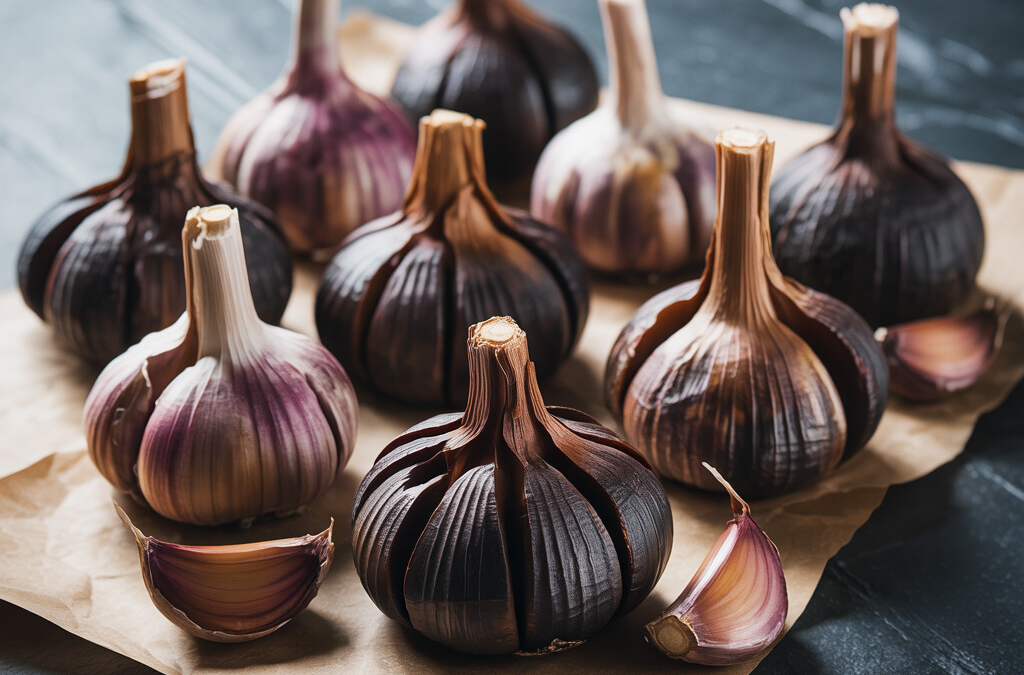
Black garlic feels a bit like a hidden gem in the pantry. It starts out just like the everyday white bulbs you already know but after a patient, slow cooking process, it’s transformed into soft, deep-black cloves with a sweet, tangy bite that lingers like balsamic—it’s mysterious, a little sweet, and nothing like the pungent flavor punch of raw garlic.
Why Black Garlic Has a Special Place in Modern Cooking
Its story might have begun in Asian cuisine, yet black garlic in Western cooking has started turning heads for its wild flavor and surprising uses. Unlike the punch-in-the-nose garlic you chop while trying not to cry, black garlic is what you reach for when it’s steak night or you’re trying to show off at friendsgiving. Think about the chewy center of a date, mix in a hint of umami, chocolate, and subtle garlic, and you’re close to the vibe that it brings to dishes.
But there’s a catch: finding good-quality black garlic at the store can feel like searching for a unicorn. Unless you’re in some foodie hotspot, you’re likely Googling “where do I buy black garlic” and grimacing at the sticker shock. So, that’s why making black garlic at home feels empowering. Suddenly, you don’t have to settle for the tiny, over-priced jar that’s been sitting on a shelf for months.
You know what I love about black garlic in Western cooking? It sneaks into more dishes than you’d expect. Blend it into sauces, mash it into butter for your next ribeye, or stir it with roasted potatoes for dinner. Forget everything you know about plain garlic: black garlic opens up a whole new world. Black garlic’s marvel isn’t just about its look. It’s the flavor and that moment when you realize you made this gleaming, pitch-black delicacy yourself. Who needs a specialty store when your house can smell like a five-star restaurant?
The Science Behind Black Garlic’s Transformation
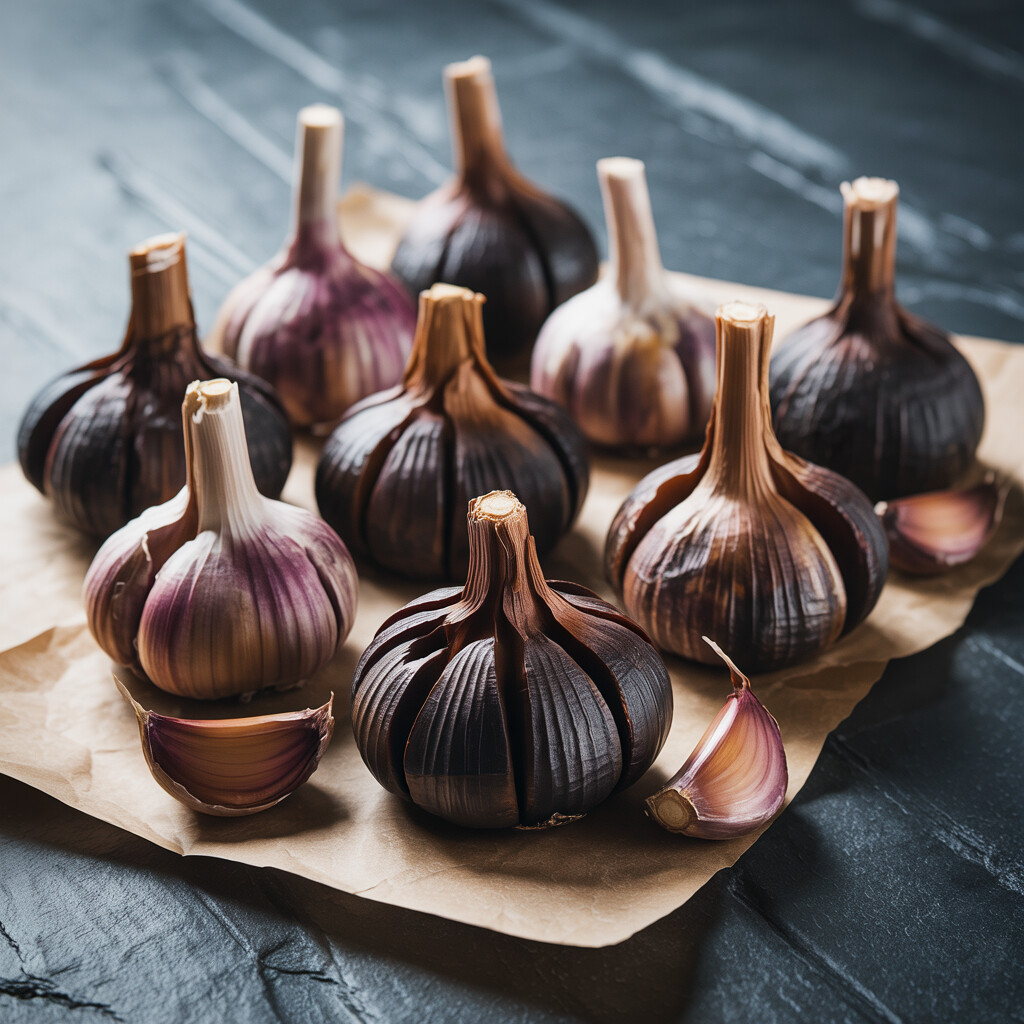
Ever wondered how such a plain, pungent garlic bulb can turn into a jet-black, candy-sweet, and savory treasure? It almost feels like magic, but here’s the truth: it’s science at work, slow and steady. Sorting out how black garlic develops its unique flavor and nutritional punch can help you see how easy it is to make this rare and wonderful ingredient at home. Most fancy stores charge a fortune for the stuff, after all.
Maillard Reaction: Dark Alchemy and Sweetness Explained
The main change that happens to garlic in this process comes from a complex series of events called the Maillard reaction. It’s not quite the same as caramelizing onions, but there are some familiar browning vibes. Instead, the sugars and amino acids in the garlic slowly react with each other because the temperature (close to a gentle 140°F to 190°F) is hot enough to encourage a deep transformation, but never hot enough to actually cook the garlic. Over two, three, or even four weeks, simple cloves break down and mature into jet-black, molasses-colored pieces. The sugars concentrate to give dark, syrupy flavors, while the spiciness of fresh garlic gives way to mild depth loaded with umami.
This isn’t just a beauty contest for weird produce. Fun fact: Black garlic’s unique look comes from blue-black colors called “melanoidins” that result during the Maillard reaction. These not only bless black garlic with big, robust flavor, but in some experiment-focused circles they’re also thought to contribute better antioxidant activity and make the resulting product more shelf stable than regular raw heads.
If thinking about home fermentation and preservation has felt intimidating, don’t sweat it: Black garlic, despite its drama, doesn’t require weird bacteria, special yeast, extra sugars, raw honey, or anything suspicious. You’re not fermenting, actually, but instead slow-cooking in an anaerobic setting for several weeks. The result: Deep, layered flavors with almost no effort and science on your side.
It wasn’t long ago that people might have scoffed at the idea of using black garlic in everyday home dishes. Its origins tie into historic Asian ingredients and flavor-makers, but chefs and experimental home cooks in the United States now widely turn to black garlic whenever a Mediterranean stew, a rustic European roast, or a new riff on classic comfort foods is on the menu.
If you want to add singular sweetness, bit and pop to desserts-yes, desserts!-don’t ignore the flavor potential waiting out there. Black Garlic In Western Cooking is a simple way to impress dinner guests or make a Tuesday feel a little more like a Friday. All this magic starts with a gentle Maillard reaction and a good dose of curiosity
Essential Equipment for Making Black Garlic at Home
If you are like me and used to settling for stale store-bought black garlic, it is time to equip your kitchen like the big leagues. The good news is, you do not need lab-grade gear for that sweet, deeply savory black garlic that is all the rage in Western cooking. The basics really do the trick, no matter if you dabble in European, American, or Mediterranean flavors.
Must-Have Tools for Making Black Garlic
What turns garlic black has a lot more to do with a cozy, consistent temperature than with anything fancy. The magic number is about 140–170°F, which most rice cookers, slow cookers, or even bread proofers can hold for the three to four weeks you need. If you prefer “set and forget,” I am with you; invest in a simple rice cooker with a “keep warm” option, or a slow cooker that does not run too hot. For the truly dedicated, an insulated fermentation box or holding oven gets the gold star. If you are totally new, just try wrapping your bulbs (whole, unpeeled, roots trimmed) in parchment and stacking them gently into a slow cooker in a single layer. Plug in, then get ready to wait.
Otherwise, black garlic needs little else. You should have a good kitchen thermometer to help you tweak your setup and make sure things are not getting too hot. A rack or flat basket can keep bulbs off the slow cooker’s base so they do not burn, and a ventilated lid, loose plastic wrap, or barn door arrangement helps control moisture so the cloves ferment but do not stew. It is an easy hack that will make you wonder why you ever paid retail for gourmet black garlic.
Here is a handy digest of what you will need to confidently craft the ingredient that is transforming Western cooking:
Step-by-Step Guide to Crafting Black Garlic in Your Kitchen
Most stores have two speeds of garlic offerings: fresh cloves, which are easy to spot, and black garlic, which is often priced like a rare truffle. This makes black garlic tough to grab on a whim. Good thing making it at home only takes three things many home cooks already have: whole bulbs of garlic, your choice of a rice cooker or a slow cooker, and, most important of all, far more patience than you’d imagine cooking usually requires.
The Low-and-Slow Method for Black Garlic in Western Cooking
- Start with as many firm whole garlic bulbs as will fit in a single layer in your chosen cooker. Clean off any excess dirt from the outside but keep the papery skins on.
- Next, line the bottom of your cooker with a couple of layers of paper towels or parchment. This helps keep the bulbs from sitting directly on hot metal, which can dry them out too fast.
- Place the cleaned bulbs on top, ensuring the cloves are not stacked or smashed. Cover with another layer of towels or parchment. If your cooker lid leaks steam, wrap it with kitchen towels or plastic wrap to limit airflow. Trapping moisture is the real trick here.
- Plug in and set your appliance to its lowest setting (the “warm” setting, not “cook” or “high”). Instead of whipping up a meal in an hour, you’re about to watch nature work its slow black magic over three, four, or even six weeks.
- For the duration, the bulbs must remain undisturbed other than a sniff or peek every few days. Your kitchen may take on mild to robust undertones of garlic and earthy sweetness, steadily increasing each week.
- After about three to four weeks, sample a clove by prying the skin away from one bulb. If the garlic is sticky, with a deep color (anything from brownish to black), and you notice a sweet tang on your tongue, you’ve scored black garlic worthy of any recipe for Black Garlic In Western Cooking.
- Need a softer, deeper result? Close up the appliance and check in another week.
This DIY slow cooker method lets you make quality black garlic at home and jump into Black Garlic In Western Cooking without blowing your grocery budget. With just one appliance, you’ll never miss out, no matter what big-name kitchen specialty shops around know that you don’t. Once your kitchen begins smelling like an earthy bakery, you’ll understand why folks have used this approach around the world for centuries.
When you can’t access that fancy “black garlic jar” in store, cooking Black Garlic In Western Cooking at home truly puts you in control—start to finish.
Storing and Preserving Your Homemade Black Garlic
You’ve put in the work and managed to make your own batch of shiny black garlic cloves, now comes one of the most fun (and sometimes overlooked) parts: storing it right so you reap every ounce of that sweet, garlicky goodness in your kitchen. There’s a reason chefs, home cooks, and garlic geeks keep talking about Black Garlic In Western Cooking. This little food project is still considered a rare culinary treat, so preserving it well is just as important as preparing it in the first place.
Best Ways To Store Black Garlic
Airtight containers are your best friend for black garlic storage. Once your bulbs finish aging, let them cool to room temperature and peel the cloves if you haven’t already. Then pop the whole bulbs or individual cloves into a lidded jar, little container, or even a plastic zipper bag. Just get as much air out as possible to keep your black garlic nice and moist inside, which is how you want it.
I’d tuck the container of tightly sealed black garlic in the fridge or in a cool pantry cabinet if you use it within a month. (Promise me you’ll never let perfect black garlic dry out into sad little hard candies.) For people in warm and humid places, I recommend fridge storage to be safe.
If you ever find yourself blessed with an extra-large batch, you can freeze extra black garlic easily: just stack peeled or whole cloves in a bag or jar, date it with a Sharpie, and pop into the freezer. Whenever a recipe demands that rich, balsamic flavor black garlic is famous for in Western cooking, just pull what you need and let yourself savor your success!
Shelf Life And Visual Cues For Quality
Black garlic’s deep umami punch actually grows mellower and less syrupy-sweet with storage, so its flavor will change over months. Black garlic can easily keep for 4-6 months in the fridge or up to a year in the freezer, but I don’t recommend pushing the limit past that. Like most funky fermented things, your garlic’s main enemy is moisture leaking in and getting moldy. If your black garlic grows fuzz or develops a strange, off-putting smell, it has passed its prime.
Take a second to revel in your homemade black garlic when you glance at that squishy bag in the fridge. There’s nothing quite like being able to whip out this delicacy and toss it into a black garlic vs regular garlic taste test with a friend who has only tasted one in a store-bought dip.
Incorporating Black Garlic into European Cuisine
Bringing homemade black garlic into your kitchen opens the door to all sorts of flavor adventures in European cooking. If you love bold tastes but are new to working with aged garlic, you’ll be happy to know it’s simple to work into your favorite comfort classics. Think of black garlic in Western cooking like a secret weapon for depth and sweetness where regular garlic might add sharpness or bite.
Infusing Distinct Flavor into Iconic European Recipes
Stir chunky pieces of black garlic into creamy risottos, whip it into a silky mashed potato, or blend it with butter for slathering on a crusty baguette before a quick 350°F oven toast. It won’t compete with cheese, cream, or herbs; the mellow fruit notes sit in the background, bringing almost an umami-richness.
Pizza, focaccia, and even the humble beef stew enjoy a little extra magic from this ingredient. Take coq au vin or boeuf Bourguignon. I like to finish stews with mashed black garlic just before serving; it adds bass notes alongside the wine and mushrooms. Meatballs, shrimp skewers, and even salad dressings perks up when a little black garlic finds its way into the mix.
Play with it in aioli and hollandaise. Smeared on grilled chicken, fish, fried eggs, or roasted broccoli, it gives a complex, not-quite-syrupy flavor—less sweetness than roasted garlic and not a shred of harshness. Try stirring some into macaroni and cheese, next time, too.
Even better? You control freshness, intensity, and texture by making black garlic at home. Then, you get to play. And trust me, there’s no going back. White garlic just, well… sits around after that.
So if you’ve wondered how to begin using black garlic in Western cooking, European classics are the perfect starting point. Make it your go-to move for transforming dips, meats, and sides. When you can’t get the fancy stuff at the market, your own slow-aged, nutty black garlic will always be there, trusted and ready.
Exploring Black Garlic in American Recipes
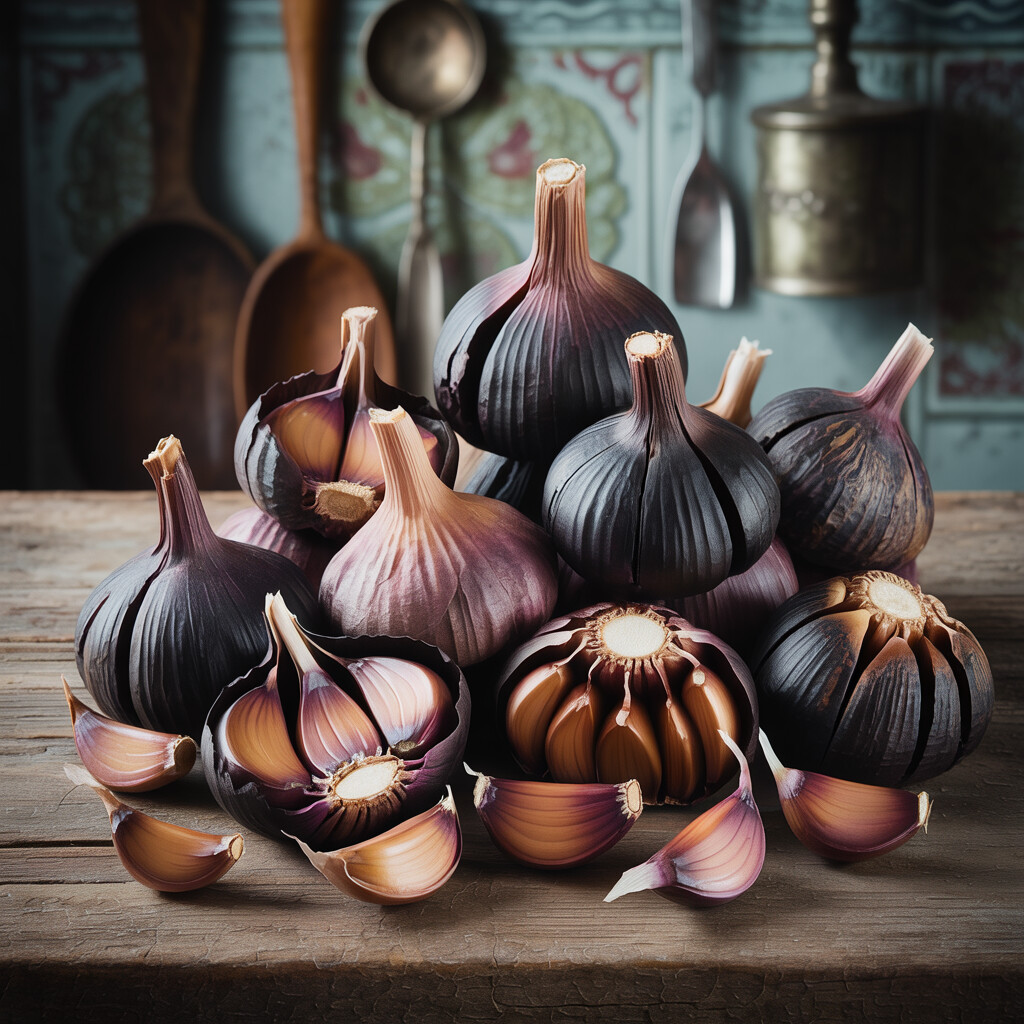
It’s hard not to get excited when you start exploring Black Garlic recipes in the American kitchen. While Black Garlic In Western Cooking might sound super fancy, it actually fits right into recipes you already know and love. If you’ve struggled to find good Black Garlic at your local stores, your homemade batch will open huge new doors for you. You can skip the waiting game at the holidays too, because Black Garlic makes everyday meals pop with flavor, right at home.
Delicious Ways Black Garlic Elevates American Food Classics
Ever roasted chicken that looked great but tasted bland? Tuck a few Black Garlic cloves under the skin with a touch of butter. You’ll be amazed by the flavor blast. Black Garlic whipped potatoes? It’ll blow the socks off traditional mashed. That’s just the warm up. Try mixing minced Black Garlic in your grilled cheese or savory biscuits for a recipe twist that will surely bring on the compliments. My personal favorite: melt Black Garlic into your next burger’s onions while they caramelize. Give the classic Sunday pot roast a serious comfort-food upgrade with a scoop of smashed Black Garlic in the braising liquid—your house will smell incredible.
Black Garlic in Western Cooking has grown with everyday American eats. Add Black Garlic to your sauces: think of Black Garlic ketchup or aioli, or a sweet-and-savory balsamic glaze with just enough funk and depth to wake up roasted veggies and steaks without funky aftertaste. With homemade Black Garlic in the fridge, even leftovers are fair game. When you finally have your own stash ready, you can go big just like today’s trendsetting American bistros do.
Using your own fresh Black Garlic at home means you’re free to riff on time-honored favorites without strictly sticking to the recipe. Whole cloves tossed into simmering bean pots or blended right into meatloaf add new levels of comfort and earthy flavor. If you want to branch out even more, check out award-winning chefs around the country who sprinkle Black Garlic powder atop hot fries—kind of like truffle fries but less rich and sharp. This ingredient is ready for its second act on American tables and all it needs is you.
Black Garlic’s Role in Mediterranean Dishes
Ready for a Mediterranean food adventure with your homemade black garlic? If you love flavors that feel like sun and salt, this ingredient is your new best friend. It slides right into rich, olive oil dishes and bright citrus salads alike, wrapping them in a sweet earthiness you have to taste to believe. The trick? Instead of loading up your roasted veggies or grilled lamb chops with the usual garlic, just mash a few soft black cloves in a bowl and whisk in before the food hits the table.
Infusing Black Garlic Into Traditional Mediterranean Cuisine
Mediterranean cooking, whether from the north shore of Africa, near Marseille, or up in Greece, highlights fresh ingredients and simple techniques. Black garlic can stand in for high-quality olives or capers when they’re out of season, and its sticky, almost balsamic flavor does that dance of sweet, sour, and slightly smoky all at once. Picture a tapenade with the usual anchovies, juice from a meyer lemon, and black garlic: spread onto grilled feta, this will stun your family into joyful silence. Try working it into homemade pesto, swirl some through a vin blanc sauce, or just add gently crushed cloves to paella before serving.
What about those summer Greek salads? Instead of a heavy commercial balsamic that sucks the soul out of cucumbers, mash some black garlic with fruity olive oil, a squeeze of lemon, and a little oregano and pour that glorious goo over the dish. The result: depth the regular vinaigrette never achieved.
For anyone still struggling with limited access to high-quality black garlic, start by making it at home, and follow your nose (and taste buds) into Mediterranean recipes – it will instantly deepen everything from grain salads to charcuterie boards, especially if they already call for garlic or fermented flavors. Both black garlic in Western cooking and black garlic in Mediterranean dishes overlap by pairing with char or smokiness, even a little heat. If you roast a leg of lamb over torn leeks or slow-cooked beans with fresh oregano, try tucking in half a head of black garlic, cloves separated, just thirty minutes before finishing for a savory hit.
Don’t overlook fish! Black garlic’s sweet bite also balances pan-seared halibut or mackerel. Keep a little of this precious homemade ingredient in your fridge for sauces and even as an unusual dessert garnish. When those flavors build up in succession, black garlic in Western cooking and specifically in the various parts of kitchen culture that hug the Mediterranean create small miracles for the home chef and amateur mad scientist alike.
Troubleshooting Common Issues in Black Garlic Preparation
Solutions to Common Black Garlic Problems
Making black garlic at home takes time and patience. You might find yourself faced with bulbs that refuse to sweeten or bites that still feel harsh and raw. Don’t get discouraged. A little troubleshooting can bring your garlic back from the brink and, before you know it, your kitchen will fill with that savory-sweet aroma which is at the heart of Black Garlic In Western Cooking.
One of the first things that can go wrong is the garlic drying out before caramelization happens. The fix here could be as simple as wrapping the bulbs a smidge tighter in foil, then double-checking your cooker’s humidity (or adding a dish of water beside them inside your rice cooker). When the environment is too dry, the cloves harden and shrivel instead of turning soft and jam-like.
Sometimes, garlic just gets stubborn and remains pale or flavored like a normal bulb. If after three weeks the cloves aren’t that signature inky black, extend the fermentation (or slow-roast) process a few days at a time. Every clove, batch, and kitchen varies; there’s an art to practice here. Smell and taste as you go. True black garlic only emerges after its deep sugars develop.
Heat and certainly time matter, but you also want to avoid cooking bulbs too quickly. High heat can burn or cook away those complex flavors made famous by Black Garlic In Western Cooking. Always keep your device under the 160°F mark and trust the low-and-slow process.
Storage slips can also undo your efforts: black garlic will mold or dry out if kept at the wrong temperature or in an overly damp spot. Stash bulbs in a cool, dry, airtight container, where the prized texture and richness hold for months. I find gently wrapping several bulbs in a clean dish towel helps diffuse a little too much residual moisture. Just check your stash once a week and use up any pieces with odd smells or textures—for food safety and best flavor.
Making black garlic is a journey as much as a destination. One of my favorite tips is to always work through one batch at a time, keeping little notes on what seems to taste better, which bulbs go darker, and what approach plays best with the wild weather swings in my kitchen. Pretty soon, your garlic will taste a lot better than anything you might try to order online. Local garlic, when fermented right, can create magic for Black Garlic In Western Cooking if you just let patience coat your hands as you unwrap the path to soft, sweet perfection.
Conclusion
You’ve just journeyed through the art and science of making black garlic at home. We kicked things off by showing you what makes black garlic such a surprise in Western cooking, then walked through the basic steps for making and storing it in your own kitchen. That homemade touch is your answer if store-bought options are hard to find or don’t match the flavor you crave.
Now it’s your turn to incorporate black garlic into European, American, and Mediterranean dishes to impress your taste buds and your friends. Don’t let this new skill sit on the shelf—experiment, taste, and enjoy the full range of rich, tangy, and jammy flavors black garlic has to offer. Revel in black garlic’s culinary versatility and share your discoveries to spread the love.
FAQ
How does black garlic transform Western dishes?
Black garlic in Western cooking brings a sweet kick and savory goodness to all sorts of meals. You might start by simply smashing a clove and whisking it into an oil and vinegar dressing. I did that once and spent the rest of the meal dipping everything I could find, from baguette croutons to hard cheeses, right into the bowl. Its deep flavors work incredibly well in hearty American comfort dishes, like mashed potatoes or pan-sautéed greens. It might seem like a nontraditional move, but it pays off with big smiles and empty bowls. Black garlic’s molasses-like depth pairs beautifully with beef roasts, grilled steaks, and spreads as a topping on burgers. Your friends will want to know your secret ingredient. My answer: “I set my kitchen timer six weeks ago.”
What do you do if your black garlic dries out?
If you find your black garlic getting dry, you’re not alone: this happens to even the most careful home cooks. All you need to do is store it sealed airtight right after fermentation finishes. The quickest fix is to refrigerate cloves in a glass jar with a tight lid. For extra moisture, you can place a lightly dampened paper towel inside, well-folded so it doesn’t actually touch the cloves. Freshly finished black garlic, kept soft and chewy, blends easily into dips, sauces, and classic Western dishes—think herby pasta salad and creamy ranch potato aioli. Don’t forget, black garlic in Western cooking loves a little careful pampering. When in doubt, a little olive oil stirred in just before cooking can help plump things up when staking out a starring role for these dark cloves.
Can black garlic replace herbs or spices in European dishes?
Black garlic in Western cooking doesn’t replace herbs and spices, but it does help fresh flavors shine. Especially in European classics, a mashed clove powder adds mellow warmth and magical depth that’s less harsh than fresh raw garlic—and a lot friendlier to guests more concerned with date breath than date conversation. I swapped it in for traditional garlic cloves in a basic French vinaigrette, and my taste buds thanked me with fireworks: deep balsamic notes all the way, without a jarring punch. A dollop of black garlic purée in a bolognese sauce acts like a culinary time machine too, adding years of richness that fresher ingredients simply lack. Where dried Italian seasoning offers color, black garlic boosts cozy autumn flavor year-round.
What makes black garlic fusion cooking a big deal?
You can take black garlic far beyond east or west once you get a taste. Black garlic in Western cooking opens endless fusion opportunities. The result is something bolder and more creative than you imagined possible: black garlic barbecue sauce, aioli dressings, and even mushroom risottos are all crowd-pleasers you can tackle with fresh, chewy black garlic. You get a richer flavor profile, so even standard beef chilis end up layered and more addictive—no extra heat or Sriracha needed! If you crave globally inspired home-cooked meals, slip a spoonful of black garlic paste into your next chicken noodle pot or spinach quiche, and get ready for rave reviews. Short answer: black garlic brings people (and recipes) together.
Does black garlic hold up in oven or grill heat?
Black garlic in Western cooking behaves beautifully anywhere you use heat thoughtfully—not too hot, not too quick. Unlike roasted or fried raw cloves, black garlic requires lower, slower oven or grill temperatures to preserve its signature sweet complexity. I taught a friend to slice it onto thick pieces of steak just after grilling (not during ), and that buttery sweetness oozed into the juices for mouthwatering bites you could only get with black garlic. It’s not exactly a slow-roast ingredient like regular garlic cloves dropped whole on thick, crackling bread, but when black garlic purée slides under a roasted chicken’s skin, you’ll notice the flavor magic—no burned notes at all, just gentle caramel complexities throughout each juicy bite.