

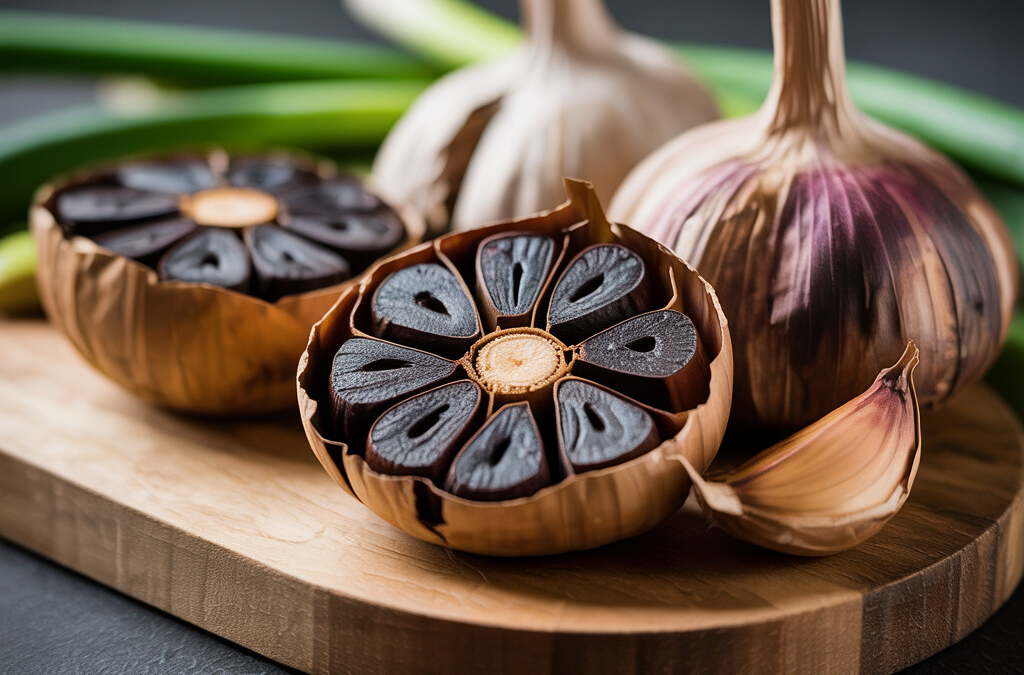
Black Garlic Flavor Profile: Sweet, Savory, and Umami
Ever heard of garlic that tastes sweet and tangy without leaving you with garlic breath? That magical marvel is black garlic. Nearly 78% of American chefs now use black garlic for its high antioxidant levels and game-changing flavor. Chefs treat black garlic flavor profile like liquid gold, but anyone can use this magic at home.
When cooked slow and low, the zesty layers of garlic turn complex and mellow, like balsamic vinegar mixed with hints of mushrooms and brown sugar. Your Black Garlic flavor profile journey can happen right in your kitchen. Last weekend, I opened my slow cooker to find bulbs I’d left for weeks now fragrant with whispers of deep caramel and roasted root. Not only was my kitchen transformed, I now savor foodie bragging rights from knowing exactly how to make Black Garlic at home.
Ready to dive in?
Understanding Black Garlic: A Unique Flavor Profile
If you stumbled on a bulb of deep dark cloves in a fancy food shop, you know black garlic can be tough to find and even pricier to buy. Here’s why it’s worth getting to know. Black garlic transforms plain old white garlic into something that feels both ancient and totally new. This happened to me during my first taste test: Didn’t recall garlic could be this sweet, so full of tang, and downright mouthwatering. Think less old-school market and more fine-dining chef.
Breaking Down the Black Garlic Taste Description
On the surface, black garlic stands in stark contrast to its fiery, often-pungent cousin. Yes, it’s made from classic white bulbs, but its flavor profile will turn all your assumptions upside down. These jet-black cloves take on rich layers during their slow aging process. Crack open a clove and you’re greeted by mellow caramel notes, hints of earthy balsamic vinegar, and gentle touches of tamarind. If you close your eyes and savor a piece, you might catch its chocolaty undertones, like molasses mixing with a tangy whiff of aged fruit.
That deep flavor comes from more than just sweetness or richness. Think instead of a satisfying “roundness” that coats your tongue—this is the umami force at play. It’s a flavor enhancer that’s as at home folded into honey butter as it is dolloped atop a burger. I like to call the Black Garlic Flavor Profile a sort of “all-in” culinary wild card: savory, gently tangy, sometimes smoky. You’ll notice the little hint of licorice and a jammy finish.
At its core, these cloves deliver incredible sweetness, but without the sugar punch. Instead, their Black Garlic Sweetness Level feels complex and grownup, like balsamic but smoother. As that natural flavor deepens and matures, its Black Garlic Umami Characteristics become almost savory-sweet, heightening recipes in ways white garlic never could.
Why bother learning all this if you can’t get black garlic at your corner store? Because you really can make it at home. And once you do, you’ll realize this flavor gem is yours to enjoy anytime, with no worrying about limited supplies or steep price tags.
The Science Behind Black Garlic’s Sweetness and Umami Characteristics
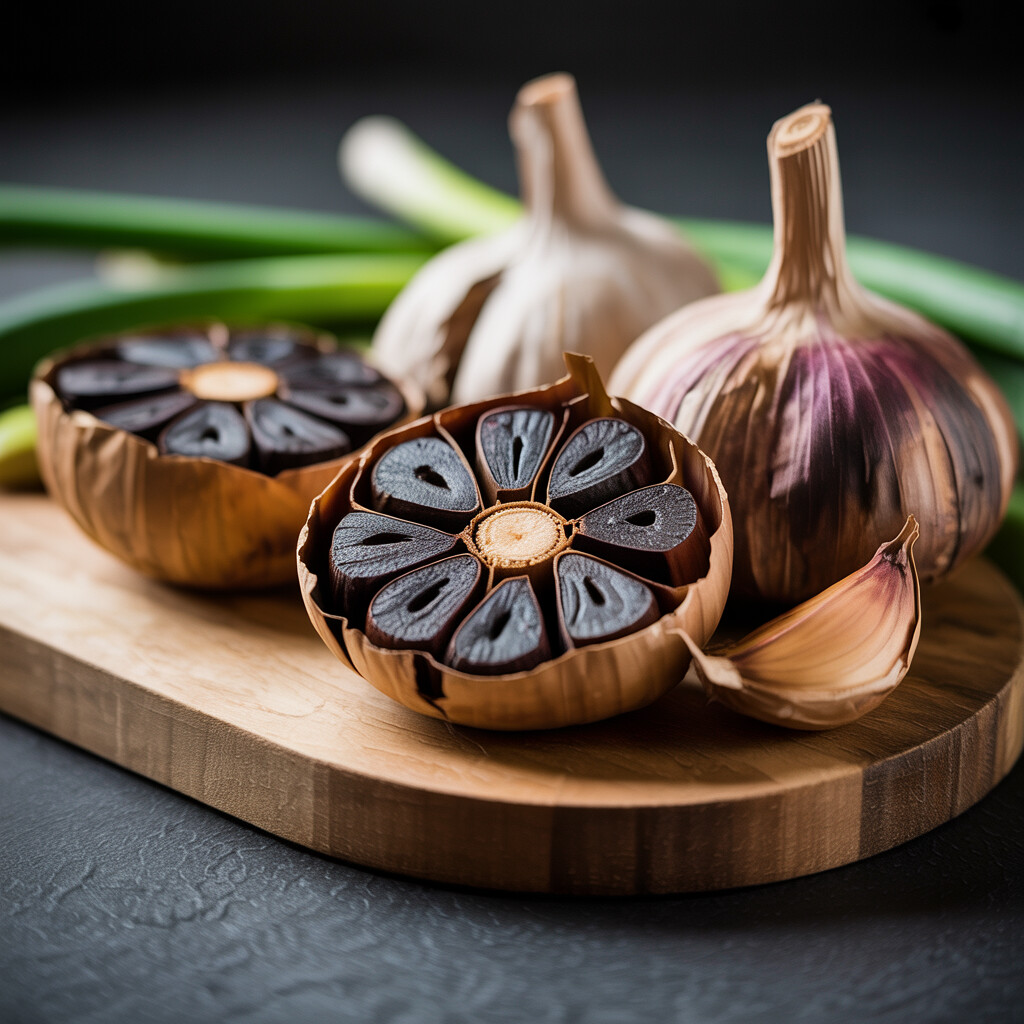
If you have ever tasted black garlic, you know firsthand just how different it is from regular garlic. So, what makes it so unique? It all comes down to science. The secret to its legendary Black Garlic Flavor Profile lies in a slow aging process that encourages something called the Maillard reaction. This is what turns raw white garlic into dark, sticky cloves that smell a bit like a tropical fruit stand and taste like balsamic tangy-candy.
Get to Know the Taste: Understanding Black Garlic’s Unique Sweetness and Umami
Black garlic might look gnarly on the outside, but crack it open and you’re greeted with a sweet, chewy treasure. During the aging process, raw garlic’s sharp heat waves goodbye. Natural sugars and amino acids recombine into entirely different compounds—chief among them melanoidin, which gives black garlic its signature dark hue and—to my slight amusement—something like a burnt marshmallow aftertaste. As the Maillard reaction works its magic, the familiar hot notes get replaced by layers of tangy sweetness and rich savory flavor (yes, umami to the max). Imagine hints of tamarind, tamari, pincushion plums, or even malt and molasses.
This combination explains both the intensity and gentle sweetness—black garlic’s flavor is subtly sweet (never cloying) and not remotely as pungent as your average clove. If you grew up spitting out raw garlic, this flips your taste memories entirely. It’s got the best of both worlds: smooth and gentle but still packed with deep Black Garlic Umami Characteristics, making it irreplaceable for sauces, spreads, and decadent risotto.
Intimidated by sourcing black garlic from a specialty store? Don’t be. Home-cooked black garlic is one of the best ways to jump into this complex world of taste. You control the timing and moisture levels, customizing its distinctive notes. No more scouring five stores to tease out what “good” black garlic even means; it’s yours, start to finish, on your own small-batch terms.
So far, you smell, taste, and love the sweet mystery wrapped up in black garlic—rich, balanced, nutty, and not-too-sweet. That, in a nutshell, is what we mean by the Black Garlic Flavor Profile. Like something that shouldn’t be possible from mere garlic, but somehow works.
Essential Equipment for Making Black Garlic at Home
I remember hunting in five different stores for Black garlic the first time I craved its chocolatey, tangy punch. Stores said no. My bank account said heck no to buying it online. Here’s the best part: I learned I could make my own at home with just a little gear and lot of patience.
Your Home Kitchen Black Garlic Tool Kit
Tools for getting that pitch-black, rich flavor are affordable. You may already have them in your kitchen:
That’s it for fancy gadgets. All you need is a reliable way to keep your bulbs at a low, constant heat (think 140-180 degrees). The magic happens by trapping moisture, watching the day-by-day caramelizing, and, honestly, breathing in that garlicky sunrise-bread scent every time you check.
No matter the machine, wrap each garlic head in a couple thin layers of kitchen wrap or foil to avoid stink-outs and sticky leaks. Place them with a bit of space, lid tight, and press go. That scene in sci-fi movies where someone looks in a glowing chamber—yes, someday Black garlic may inspire that.
Homemade Black garlic lets you unlock its mysterious, tangy-sweet taste profile. Home crafters claim those sweet, umami depths are unlike anything store-bought. There is a friendlier price tag, no border-shipping. There’s something wild about peeling apart a golden black wedge at home, full of that incredible Black Garlic Flavor Profile you craved but couldn’t buy.
Skip store hunts and join the home fermenting club. It’s a living science project where the prize is a taste all your own.
Step-by-Step Guide to Crafting Black Garlic in Your Kitchen
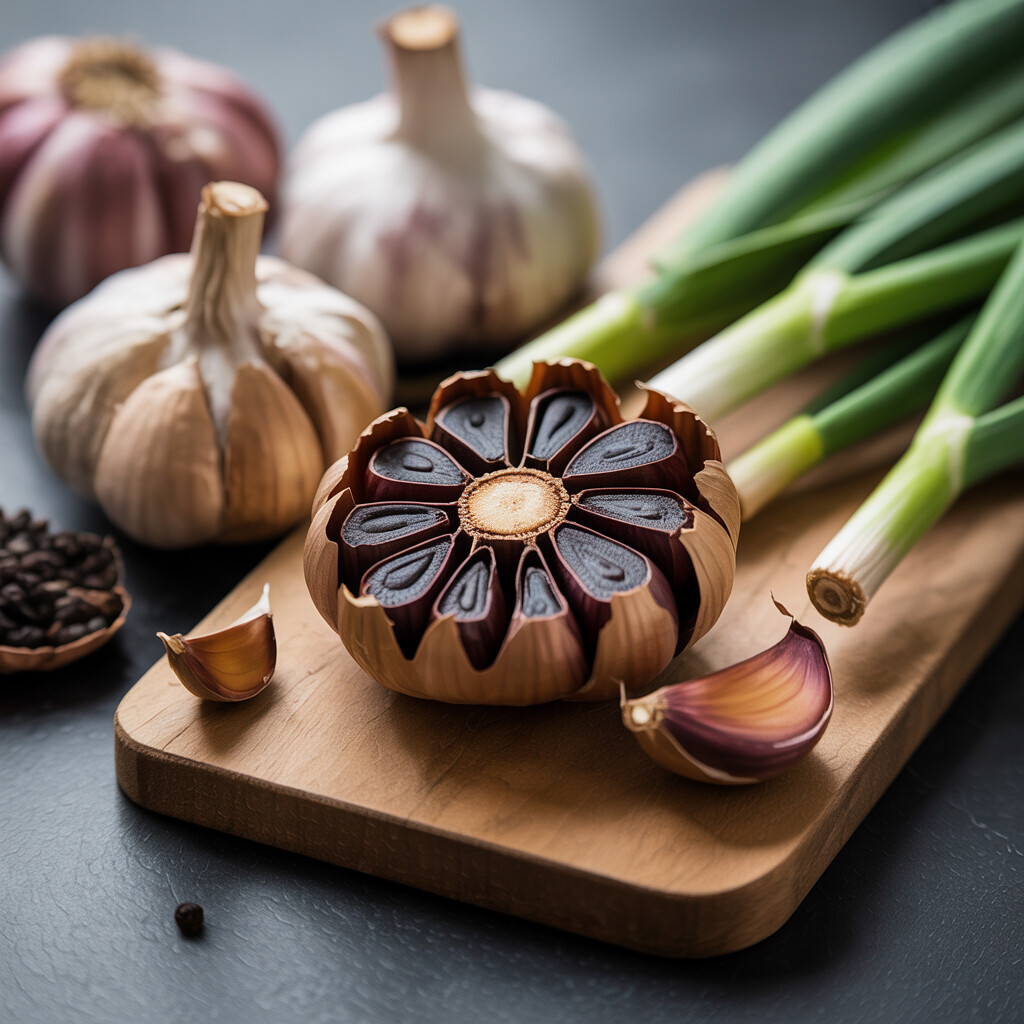
I’ll walk you through the simple science experiment that is black garlic. You don’t need anything fancy, just a rice cooker, patience, and a handful of fresh garlic bulbs. The trick here is low, very steady heat and plenty of humidity. Before long (well, okay, several days) the heads will transform from white and spicy to black and luscious.
Stepwise Process for Making Black Garlic
First, choose your garlic. Any whole heads work, but I like big, fresh bulk garlic—not the ones at the bottom of my produce drawer. Don’t break them apart. Rub off any loose outer paper, but leave the bulbs mostly intact.
Next, find your device. A rice cooker or a slow-cooker on “Keep Warm” gets the job done, no fancy black garlic fermenter needed. Some folks go full MacGyver and do it in their dehydrator. Line the bottom with two paper towels or a small rack to prop up the bulbs so they don’t scorch. For a basic rice cooker, wrap your bulbs lightly in foil for their “spa experience.” Some folks fill a large Mason jar, set the cap loosely on top, and set it in the cooker.
Set the garlic gently inside, then walk away. Go watch a movie, take a vacation, or plan a marathon—they won’t be ready until two or even three weeks have passed. Just peek at weekly intervals. Unwrap one bulb. If the cloves are sticky black, soft, and rich, they’re ready. If not, hang tight for another few days. Patience is key here.
The heady aroma will torch your kitchen like garlicky kettle corn, so aim for a ventilated spot. This is where I go camping for a while.
When they’re done, let the heads cool completely before you touch them. Peel away the paper to discover soft, earthy caramel umami. You’ll see why the Black Garlic Flavor Profile stands out from raw garlic.
Making your own black garlic can be satisfying for several reasons. First, it sidesteps that “where did they even get this at Whole Foods?” price tag. Next, you get to play kitchen scientist. Finding out that sugar and savory meld to create the Black Garlic Flavor Profile, with all kinds of sweetness, earthy goodness, and tang, lets you cook with endless confidence.
Finally, homemade lets you control every stage, so you have complete bragging rights come salad-dressing season. I always wind up sharing with friends. It unleashes an addictive aroma—warming, oddly slow, and richer than grandma’s best stews.
Give it a shot; even a novice cook can try this at home with a little patience and a regular slow-cooker, proving that everyone deserves a taste of magic.
Safety Tips and Best Practices for Homemade Black Garlic
If you have ever pulled off a slow transformation like home-fermenting kimchi or letting bread starter bubble away on the counter, then you know: patience and precision keep things safe. Making black garlic yourself works the same way. Yes, the payoff is big – unlocking the Black Garlic Flavor Profile in your own kitchen means a richer pantry and less time foraging for the good stuff in specialty stores. But, a little sloppiness can sap the sweet, tangy magic right out of those knobs and even create messes or unusual smells you do not want hanging around for weeks.
Handling and Food Safety Tips for Safe Black Garlic Home Preparation
Start with top-quality bulbs that feel heavy in your hand, not lightweight and dry. If their paper shells look mold-speckled or shriveled, save those for your compost. Give each bulb a gentle brush; loose dirt is fine, but anything with soft spots or sticky juice must weed out.
Keep temperatures consistent. You will need a rice cooker, slow cooker, or dehydrator stuck on the “keep warm” setting, hovering between 140°F and 190°F. Swing too high and you will dry out the treasures that give Black Garlic its depth and sticky mouthfeel. Too low and you risk soggy, uneven results, or worse, letting spoilage microbes go wild.
Leave bulbs unpeeled and spaced apart to let the magic of Maillard, which is a fancy word for the slow browning, reach every nook. Set your batch up somewhere with a breeze or ventilate with a small fan. A dull, soft garlic-onion smell is normal, but if you get whiffs of sharp ammonia or see fuzzy mold, call it quits and toss that entire batch right away.
Avoid cross-contamination. Use a clean surface and cutting board any time you move bulbs, whether before or after their weeks-long darkening. Hands, tools, containers, and even the plugs or racks must rinse clean and air dry fully between uses.
Keep family and pets away from the setup, even more so since slow cookers and dehydrators live running, mostly unsupervised, for several weeks. If kids are curious, let them press their noses to the glass and guess what changes from week to week, but always keep hands off hot hardware.
Respecting the process keeps your Black Garlic safe to eat and bursting with a robust Black Garlic Flavor Profile. Taste those molasses-bittersweet cloves straight out of the slow cooker and you will see: Food safety is for happy endings, not for skipping the details.
Storing and Preserving Your Homemade Black Garlic
You have put in the work and now you have a small treasure trove: fresh, glossy bulbs of black garlic ready to add serious wow factor to your cooking. I still remember my first batch. I felt a weird amount of pride over a glass jar of garlic! Now comes the important part of locking in all that rich, gooey, sweet complexity. Black garlic is a little sensitive, so treat it with the care you’d give homemade jam or a loaf of bread straight from the oven.
The Best Black Garlic Storage Methods for Long-Lasting Umami Flavor
Your main goal is to keep black garlic’s sticky, dense texture and Black Garlic Flavor Profile in top shape. That mysterious tangle of sweet, tangy, and umami flavors gets even more interesting when stored well. I tend to store whole bulbs wrapped in paper towels or wax paper in the fridge, layered in an airtight container. Single cloves go into a small zip-top bag or jar. Squeeze out as much air as you can to prevent those deep caramel notes from dulling before you use them. In the fridge, homemade black garlic stays fresh for a month or so (if it lasts that long before you eat it all up).
Freezing is practically magic for black garlic. Tucks those cloves into an ice cube tray or a heavy canvas tote, and stash them in the freezer. Frozen black garlic holds that Black Garlic Sweetness Level and tart tang for up to six months, so there’s no rush to eat it all at once. Change out the paper towel every week or so if storing whole bulbs. This little step helps prevent sogginess.
A few side notes: Never store black garlic near strong-smelling foods, like onions or stinky cheese. That nutty, honest Black Garlic Flavor Profile can soak up other odors. Keep it away from direct sunlight and temperature swings that can make it sweat. I learned the hard way—black garlic gets lonely if neglected.
Part of what makes black garlic so cool is the slow magic that makes the sticky, umami-packed Black Garlic Umami Characteristics really pop (I may have been caught eating a clove in the middle of the night). Storing it well means you’ll never lose sight (or taste) of what you’ve created, even as the months go by. Try lapsang souchong tea to softly perfume a jar or drape in a sprig of rosemary to gently round out the flavor. Your future self will thank you for the sniff-worthy reveal.
Creative Culinary Uses for Black Garlic in Everyday Cooking
Black garlic is one of those ingredients that ups your kitchen game, but it doesn’t act like a show-off. It melts into recipes, turning ordinary meals extraordinary. With a flavor profile full of sweet, earthy, caramel notes and a punch of umami, you’ll find endless ways to slip this stuff into dishes you already love.
Elevate Everyday Meals With Black Garlic’s Unique Taste
Spread it: Mashed black garlic is dynamite on toast, blended into butter, or layered into grilled cheese. People rarely rave about toast, but when I hit black garlic and honey toast at breakfast, my picky kids suddenly get chatty.
Stir it: Add a few cloves, chopped or mashed, to soups and stews for that elusive “what’s in here?” note. Black garlic loves beef, lamb, chicken, or mushrooms. Toss it in just before serving to keep its signature flavors front and center.
Dress it up: Whisk black garlic into salad dressings, ranch, or vinaigrette. The Black Garlic Sweetness Level and tang add magic to chopped tomatoes or a bowl of beans.
Kick up your sauces: Replace roasted garlic with black garlic in hummus or pizza sauce. Add it to a pasta sauce right at the end of cooking. Finish a brown butter sauce with a single mashed clove for earthy richness.
Go topping crazy: Whip black garlic with cream cheese for bagels. Upgrade tacos, potato salads, and burgers with a mellow slice.
Get fancy coffeehouse: Add mashed black garlic and maple syrup to the milk and froth it onto strong coffee, or stir into black tea if you’re feeling British.
If your local store still thinks garlic means white powder in a green container, that’s no reason to miss out. When you make your own black garlic, you keep the flavor fresh, choose your garlic source, and skip the suspect preservatives. Embrace the Black Garlic Flavor Profile and any leftover cloves are super easy to store or freeze, so you’ll always have chef-quality flavor at home. And when friends ask why your roasted veggies and risotto taste so next-level, let them in on your nutty little secret.
More Ways to Taste Black Garlic’s Magic
- Chop finely and tuck it under the skin when roasting poultry.
- Heap on hot baked potatoes with butter and cracked pepper.
- Add mashed black garlic to mayonnaise for killer BLTs and fried chicken sandwiches.
Most of all: Taste it every way you can. Every brand, every batch has its own Black Garlic Umami Characteristics. When you’ve made it yourself, there’s nothing holding you back.
Troubleshooting Common Issues in Black Garlic Preparation
Troubleshooting is the name of the game when you’re making black garlic yourself. We’ve all seen those gorgeous, shiny cloves online and dreamt we could just hit “order now.” But if you’re rolling up your sleeves to make it at home, here’s the scoop. Yes, a masterpiece is possible with some luck and patience. But if the results aren’t picture perfect at first, remember: you’re not alone. Let’s talk about what can trip you up in the quest for that dreamy Black Garlic Flavor Profile—and how to get back on track.
When the Black Garlic Flavor Isn’t Right
First: A common problem is garlic turning too hard, too dry, or, worse, moldy. Here’s the sitch.
If your black garlic cloves get dry and brittle: Maybe they cooked too quickly, or your rice cooker or fermenter’s humidity wasn’t ideal. Next time, wipe the garlic of any surface moisture, but don’t let them dry out before you start; and keep an eye on humidity (a small pot of water inside the cooker can be your secret weapon). Not all gadgets heat the same, so be sure you’re sticking to low-and-slow.
If they taste burnt, not sweet and zippy: Clean out your machine, start over, and keep the temp between 130°F and 170°F. More than that? You’re making charcoal.
If you get spots or strings of fuzzy white: That, my friends, is mold. Always use fresh bulbs, and if they’ve already turned, toss ’em. Black Garlic Sweetness Level is off, bitterness takes over, and it’s not safe or tasty to eat.
If the flavor seems weak or off-smelling: Did you use old garlic? Was your storage room humid or freezing? Age matters; fresh is best. For funky odors, wash your storage gadget in vinegar or lemon juice then water before the next round.
Consistency Issues: Black Garlic Texture and Cure
Your batch might look uneven—some pieces sticky and tangy, others chewier with a Balsamic glaze flavor. Black Garlic Umami Characteristics sing best when the humidity is “just right.” Consider flipping or rotating cloves in your rice cooker to even out heat and vapor. If they finish a little sticky, let them air dry at room temp for about an hour before storing.
Making black garlic can feel like alchemy, and sometimes debugging it is part of the fun. When you get the right cure, the final broth of flavors—sweetness, tang, umami, molasses funk—will be worth it. These tips should get you back on the path to a stunning Black Garlic Flavor Profile you can brag about at every “What ARE you eating?” moment.
If your first batch stumbles or battles the local weather, remember, even the trending kitchen pros make mistakes and truck on. Think of it as the chef’s secret handshake. Now you’ll make your second batch with even more confidence.
Conclusion
By learning about the Black Garlic Flavor Profile and gathering the right equipment, you are ready to start making this kitchen gem. No more hunting for expensive jars online or settling for bland store-bought cloves. Homemade black garlic brings deep sweetness, balanced umami, and the thrill of discovery from every batch.
Remember, the extraordinary taste of black garlic is just the beginning. Add your creations to basic dishes for a flavor boost or bring an unexpected twist to well-loved foods. Get comfortable—and maybe a little bold—in your kitchen. Let black garlic’s remarkable versatility lead the way. So, fire up your rice cooker or slow cooker and bring the magic of Black Garlic Flavor Profile into your everyday meals. Your taste buds will thank you.
FAQ
What gives black garlic its unique flavor profile?
A Black Garlic Flavor Profile builds during a slow, gentle fermentation. As garlic ages, the natural sugars and amino acids shift, changing spicy bulbs into dark, sticky, sweet clove. You taste soft liquorice, aged balsamic, sweet soy, and hints of tangy tamarind or dried fruit. When I tried it for the first time, my mind expected classic sharp and garlicky heat but landed on a root beer-inspired thrum of earthy sweetness, mellow umami, and woodsy spikes. These warming notes play well in everything from curries and burgers to panna cotta or compound butter. Try it in tomato sauces, atop cauliflower steak, or mashed into the buttery depths of a baked potato, just for fun.
How do I describe black garlic’s taste to a beginner?
Black Garlic Taste Description goes like this: Think dried figs dried into licorice, then soaked overnight in soy, with an afterglow of beefy bouillon and faint whispers of vinegar. This isn’t your raw farmer’s-market garlic. You taste mild caramel, fruit leather, an almost cola-citrus buzz, and not a hint of fiery pungency. During soup season, I smuggled in two cloves, mashed into the ladle’s first swirl, and the entire pot brightened into an autumn’s midnight feast. Start with a dollop, swirl into mayo for a milder bite, or stir fry with greens for an easy first try.
How sweet is black garlic compared to raw garlic?
Black Garlic Sweetness Level is mild, mellow, and not sugary at all—think fig jam scraped across oak charcuterie, not Halloween candy. The curing process turns biting allium snap into a sticky, dark, aged-tamarind paste. This savory-sweet effect never overwhelms or tastes cloying. Picture doused marbled roast or spring steamed greens docked with a gentle honeyed feel instead of a garlic punch. The subtle change might surprise when served side by side. To level up taco night, zap mashed black garlic right into the crema and watch fussy eaters swoon for more.
Does black garlic add umami?
A Black Garlic Flavor Profile centers on incredibly rich and complex Black Garlic Umami Characteristics. As cloves cure, enzymes spark hundreds of savory, meaty, sixth-sense waves. When you first whiff, notes mimic soy, anchovy, or fleur-de-sel flaked salmon in a single modest clove. Use black garlic minced in a cheeseburger glaze. Melted one night with a puddle of butter below a rare roast draped beefy umami flavor across the whole meal. Reach for It wherever you want those steakhouse or ramen-vibe layers instead of standard salty, brothy, or cheesy one-notes.
Can cooking or storage change the black garlic flavor profile?
Absolutely! Every choice—oven temp, time, storage in oil or air—nudges Black Garlic Flavor Profile in new directions. Cook it hotter or longer and you swerve into syrupy, plummy overtones; chill it and mellow nuances idle behind sticky, chocolate finish. My long-shutter experiment with vacuum jars delivered classic balsamic-by-fire tastes, but a subsequent batch, stored loose in mesh, turned to tangy grilled grapefruit. Once you know your gear (rice cooker, bread proofer, mail-order packet, etc.) test a wider range. Tinker and tweak methods to mini-batch unique flavors all your own.