

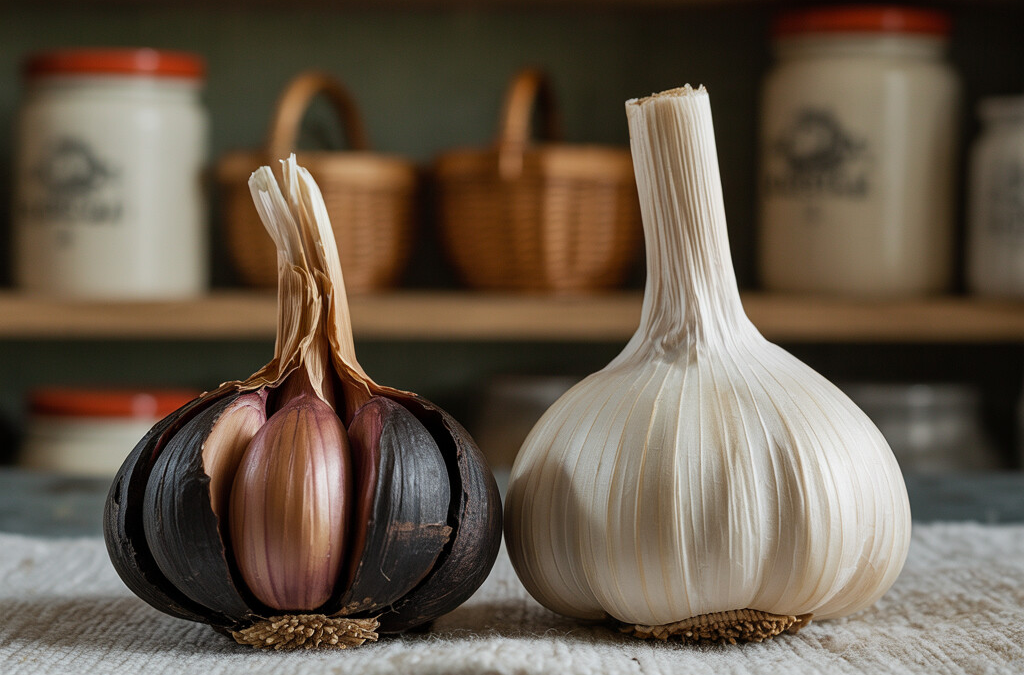
Regular Garlic Storage Methods: Keep It Fresh
Ever open your pantry to find your garlic stash looking more like a budding science experiment than a dinner staple? You are not alone. Let’s get real; most cooks will buy a fresh head of garlic, stick it in a basket, and forget about it until sprouts come peeking out or every clove goes mushy. I learned the hard way last weekend when I tried to grate garlic for an omelet and instead pressed my thumb into a sad, damp bulb that smelled more like sour socks than anything edible. Crunchy garlic-y omelet dreams dashed, I vowed never again. If you find yourself in the same boat, this guide will show you two easy Regular Garlic Storage Methods that actually work and can keep your garlic fresh for up to six months. That’s right—six months.
Your kitchen will no longer smell haunted and your garlic cloves will be crisp, aromatic, and ready for slicing or smashing. There are principles behind reliable Regular Garlic Storage Methods, plus tricks for keeping garlic from sprouting and tools for drying and preserving its flavor. This is practical information that makes good garlic everyday a non-negotiable, and at the end, we’ll look at black and regular garlic compared—because a little variation keeps things spicy. Ready to dive in?
Understanding Black Garlic and Regular Garlic
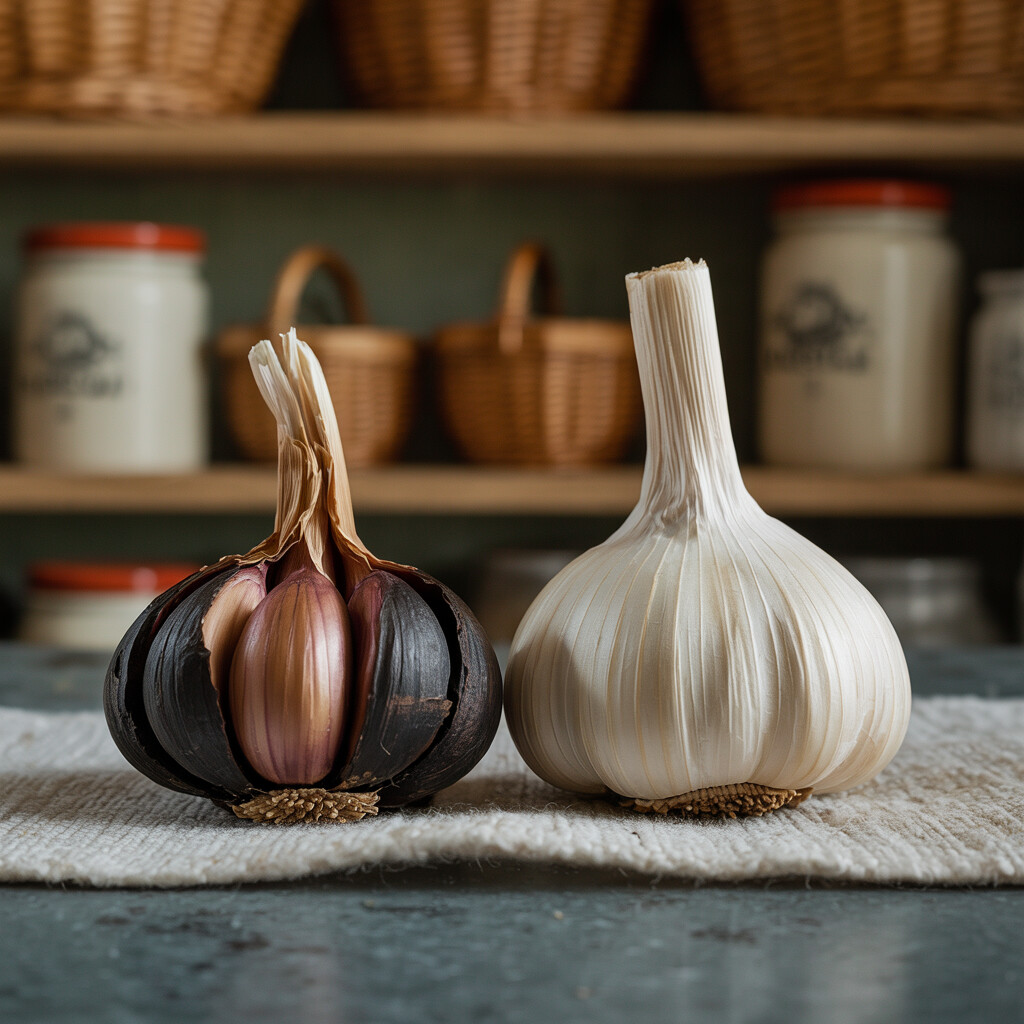
When it comes to garlic, there are two rockstars in the kitchen: regular garlic and its brooding, mysterious cousin, black garlic. You probably already know the basics: regular garlic, the longtime staple in most kitchens, brings serious punch and bite to any dish. Black garlic, though a bit harder to find, starts its journey as good old regular garlic. When it ages under controlled heat and humidity for a few weeks, it transforms into something completely different: almost syrupy sweet, sticky-soft, with hints of balsamic, molasses, and possibly dreams.
If you’ve wanted to try black garlic but have struggled to source quality products, you are not alone. Many home cooks face the same challenge. Some shops only stock regular garlic, so it helps to learn more about how the two compare. And if you’re new to both, picking the right bulb is only part of the adventure. One thing that confuses a lot of us, especially with more expensive specialty items, is how to keep them at their absolute best after purchase—a topic we’ll be exploring in depth throughout this series, including detailed regular garlic storage methods to get the most out of those aromatic cloves and avoid heartbreak when you find a green sprout in your stash.
Black and Regular Garlic: All You Need to Know
At its simplest, regular garlic is the plucky sidekick: affordable, available everywhere, and reliable. Black garlic, meanwhile, is the premium version, shaped by a slow, time-consuming process. Although both come from the same base ingredient, their flavors, uses, and storage needs can differ quite a bit. Our next sections will cover in detail the regular garlic storage methods that keep regular and black garlic as fresh as possible, and will answer all those questions you may have about keeping garlic sweet, spicy, and sprout-free for the long haul. Whether you’re a seasoned cook, a garlic superfan, or curious about exploring new flavors, this guide will make sure you’re better equipped to source, savor, and store the “black gold” for your next kitchen adventure.
Regular Garlic Storage Methods: Best Practices
Learning the best way to keep fresh garlic means you always have full-flavored bulbs when a recipe calls for a boost. Leaving garlic bulbs at room temperature seems easy, but it’s actually one of the best known regular garlic storage methods if done right. Keep the bulbs whole, skip the fridge, and use a well-aired basket, mesh bag, or cute little bowl. Choose somewhere cool and dark: a pantry or cupboard works for most homes.
Techniques for Everyday Garlic Storage
Some folks stick garlic in the fridge thinking it’ll last longer. Unfortunately, this makes cloves soft, moldy, or prone to sprouting, so regular garlic room temperature storage is perfect for keeping issues away. Bright light and moisture are real garlic mood killers, so avoid storing them near a sunny window, above your oven, or in plastic bags. If garlic breath is your nightmare, use a ceramic garlic keeper. These vented containers keep air moving and darkness in, and you’ll find them in many kitchen shops. Want an old-school move? Let leftover unpeeled cloves live in an open paper bag on the counter, for easy grabbing during busy weeknight dinners. Your garlic is now ready and waiting for whatever recipe your kitchen dreams up next.
Preventing Sprouting in Regular Garlic
Preventing your garlic from sprouting can feel like a full-time job in some kitchens, but if you give regular garlic the right kind of TLC, you can outsmart those green shoots. First off, let’s remember that regular garlic storage methods go a long way in keeping it fresh as long as possible. Store your bulbs in a cool, dry place—think a pantry or kitchen cupboard, away from any sunny windows. Garlic loves airflow, so a wire basket or mesh bag gets a gold star, while that cute glass jar might need to sit this one out.
Tips to Stop Garlic Sprouting: How to Store Garlic Right
Light and moisture are the two main culprits behind premature sprouting. If you stash garlic in the fridge, you risk high humidity and cold, which is like sending an “it’s time to germinate!” memo to each clove. But leave it too warm or damp and you’ve got mold as a sidekick. Here’s a quick table of do’s and don’ts to keep garlic shelf-stable and sprout-free:
Sprouted garlic still tastes okay—you can eat it if you pluck out the bitter green sprout, but its best days are behind it. Reducing humidity with regular garlic storage methods pays off in a big way, helping spread your garlic supply and avoid those dull sprouts that just ruin a perfect aioli or loaf of garlic bread.
There is nothing shameful about using up regular garlic before it has a chance to sprout; fresher is better. Plus, the less fuss you put into keeping regular garlic from sprouting, the more you’re ready to jump to black garlic for the next flavor adventure in your kitchen.
Drying Techniques for Regular Garlic Preservation
Dry garlic bites better than a lot of pantry staples and it’s easy a well. Drying garlic cloves is an old-fashioned trick that actually helps you *, keep flavor sharp, and save space. It beats awkward, shriveled heads in the bottom of your crisper by a mile.
Drying Methods to Preserve Fresh Garlic Flavor
When deciding between drying and pickling or jamming, natural air drying wins for everyday garlic cooking. It also lays a strong foundation for other Regular Garlic Storage Methods: cloves keep much, much longer and those strong armmatic notes say “ready for your pasta!” every time.
-
Hanging in Bundles: Take string, tie up a handful of garlic heads by the stem, and hang them ups*ie down somewhere cool, dry, and well aired. Let them hang for a couple of weeks. This classic move keeps garlic ready to grab at any time.
-
Using a Dehydrator: Faster and low effort, just slice peeled cloves thin, lay them out , and set the dehydrator at 115°F. Six to eight hours later, you’ve got crisp, dry garlic that lasts months in a clean jar.
-
Oven-Drying: If you don’t have a dehydrator, a very low oven (about 140°F with the door cracked) does the job. Place sliced garlic on a rimmed baking sheet in a single layer and check every 30 minutes.
Each method builds on solid Regular Garlic Storage Methods by curbing spoilage now so you can enjoy sweet clove flavor later. For the handy, dry garlic can be ground into homemade powder using a food processor after it cools—talk about a pantry staple boost.
Whatever your method, the dry result needs to stay in an airtight jar far from light and heat. Seriously, resist the urge to put it on display over your stove. Garlic truly shines tucked in a pantry cupboard or dark drawer, and with practice, checking those dried jars will become as natural as brewing your morning coffee.
Health Benefits: Black Garlic vs. Regular Garlic
Let’s dive into what people really want to know about garlic: the health benefits. Both black and regular garlic bring a lot to the table (literally), making it tough to pick a favorite. One obvious reason for garlic’s popularity is its reputation for helping keep colds, infections, and even vampires at bay. But why? It all comes down to sulfur compounds that do the heavy lifting. The real game-changer is a compound called allicin. This natural antibiotic works to keep harmful bacteria in check and does wonders for our heart health.
Comparing Nutritional Advantages: Black Garlic vs. Regular Garlic
Black garlic takes those healthy compounds up a notch. Thanks to a long, gentle fermenting process (about three weeks), it transforms. That process causes new antioxidants to form, including S-allylcysteine, not really found in fresh garlic. It’s easier to digest, gentler on our stomachs, and not nearly as stinky—I’ve never worried about black garlic breath at parties! People love it because it could help manage blood sugar, support a stronger immune system, and may even bring down cholesterol without kicking up as much of a smell.
Regular garlic is still a heavy hitter for heart health showing benefits like lower blood pressure and less worrisome cholesterol. If you’re interested in details about those, check out Regular Garlic Health Benefits A Flavorful Boost. Though fresh garlic may not have as much S-allylcysteine as black, it’s loaded with Vitamin C. It also has more natural prebiotics you keep intact with regular garlic storage methods that are clean and dry with good airflow.
With black garlic, the obstacles aren’t just garlic breath. When getting started, people often panic if their store doesn’t carry it. Then they find out good artisanal black garlic can be pricey. But here’s the secret: it is worth it for the unique flavor and health perks. Try a simple bulb or jar if you see one!
If you still love regular garlic or feel nervous about trying something new, don’t forget the “good bacteria” are working in both. Check out some creative ways to use both below. If regular garlic rules your kitchen and you find flavors get bland if the garlic sprouts or dries out, remember trusted regular garlic storage methods: keep bulbs dry, let them breathe, and tuck sprouted cloves away in a sealed jar in the fridge for a short time. Better storage brings more health power to your meals all year round.
Culinary Uses: Incorporating Black and Regular Garlic
Bringin’ both black garlic and regular garlic into your cooking is sort of like adding a string section to your garage band—each has its place and makes everything around it just a little better. Black garlic, that soft, jet-black wonder, is a brilliant secret for rich finishing sauces, stir-fry scoops, or even funky pizza toppings. Sometimes I keep a little container ready just to jazz up eggs or cream soups. Regular garlic brings more boldness and edge. It loves to roast alongside meats, melt into butter, or power up a pan of veggies. Both blend and surprise, as long as you let their personalities lead the way.
Creative Ways to Use Regular and Black Garlic
For the home chef stoked about flavor, here’s my kitchen cheat sheet.
- Need a fast rub for chicken, pork, or tofu? Mash black garlic cloves with a splash of soy, honey, or olive oil for a smooth paste.
- Next time you do up salad dressings or aioli, let black garlic slip in and watch the flavor turn silky and “umami-forward.” Even non-cooks have an ah-ha moment when first tasting black garlic mayonnaise or vinaigrette.
- Regular garlic rules with folksy pasta tosses, garlic bread, and simple pan vegetables. Start your sauté with minced fresh garlic and you’re on your way.
- Roasted regular garlic mellows out and goes with almost anything. I love squeezing out the gooey pulp and mixing it into mashed potatoes or smearing it on toasted baguette.
If you’re a real DIYer, know that Regular Garlic Storage Methods are your friend. Keep bulbs on your kitchen counter if you’ll use them quickly, or stash some in a mesh bag so air can move around them and keep out moisture. If you’ve got lots, skip the fridge unless peeled and chopped, which keeps sprouting at bay but softens punch.
If your hunt for pre-made black garlic is cold, try making it at home. All you need is a cheap rice cooker (set to “keep warm”) and an adventurous spirit. Fresh regular garlic bulbs transform, with patience, into jet-black nuggets over two or three weeks—a bit like a long fermentation project for busy hands and curious cooks. While you wait, study how both types behave in small quantities and work up to heftier meals. No matter your garlic game, store what you don’t use with time-tested Regular Garlic Storage Methods so you’re ready whenever inspiration strikes.
I’ve known friends to mail-order black garlic or ask their favorite specialty shop to start carrying it. But do it once yourself—and you may never go back. The point is, experiment. Black garlic and regular offer totally different kicks: together, separately, or netted into new recipes, they play nice and bring out the best in all the foods you love.
Flavor Profiles: Comparing Black and Regular Garlic
Let’s talk about what truly sets black garlic apart from regular garlic: flavor. When you open a jar of regular garlic, your senses are greeted with a sharp, raw aroma. Take a bite, and you feel a fiery sensation that’s both strong and a little bit addicting (but maybe not great for first dates). Try the same with black garlic, though, and you’ll find something mellow, weirdly sweet, and rich with hints of balsamic vinegar. It tastes nothing like the bright, almost hot flavor of regular garlic. Not really better or worse, just really… different.
Comparing Flavor Character Differences Between Garlic Types
Chefs say regular garlic’s bold flavor blends well with tomato sauces, marinades, dressings, and roasted vegetables. It’s one of those “cleaning out the fridge” essentials, especially when stored correctly. Ask any seasoned home cook about current regular garlic storage methods, and you might hear about storing whole bulbs in canvas bags, in cool cupboards, or even out on countertops, as long as it’s dry. Kept right, it’s easy to grab a clove or two when cooking, slice and fry, or toss in whole.
Black garlic takes a left turn at Sweet Street. During its fermentation, enzymes transform the harshness of regular garlic into caramel-like notes, mild tanginess, and deep umami—you’d almost swear you were eating a natural candy with tons of savory attitude. Its spreadable, chewy texture lends itself to thick sauces, flavor-rich dressings, or bittersweet hits in vinaigrettes and even ice cream. One taste opens a door to old traditions and new culinary creativity.
Storing black garlic properly is simpler, but how you use it is bigger than just one recipe. If you find a rare brand at your local market, pick up a container and start exploring places where sweet and tangy flavors will shine. You don’t have to quit regular garlic—it and black garlic simply drive different directions. Since you’re sticking with regular garlic storage methods, both bulbs can live side by side, with black garlic waiting for weeknight sandwich spreads, citrusy Japanese yakitori, or risotto.
Curious about what to swap in if you’re fresh out of this coveted stuff? Here are a few good black garlic substitutes. And don’t forget: capturing the full range of flavor means tasting black and regular garlic side-by-side on toast or rice. That’s the best way to decide which one deserves center stage tonight.
Availability and Cost: Black Garlic vs. Regular Garlic
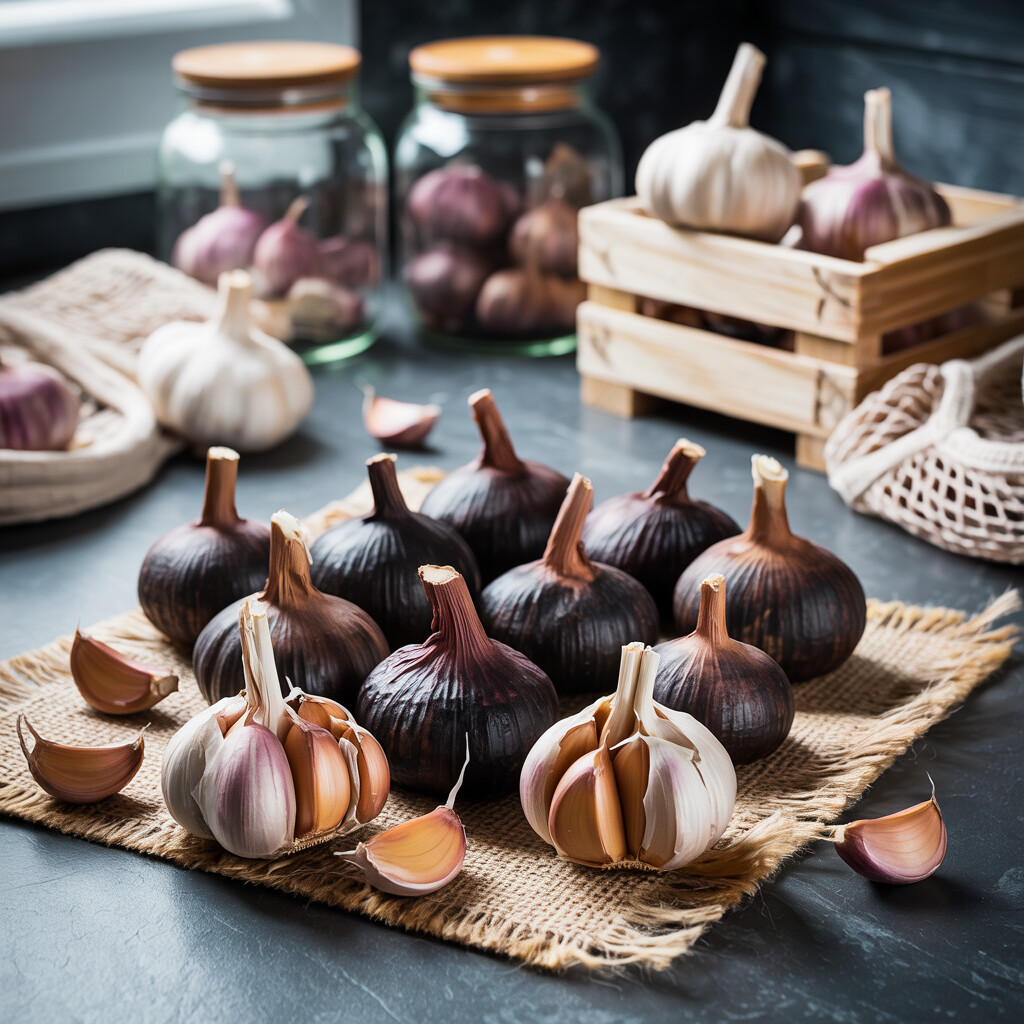
Pop into pretty much any grocery store, and regular garlic will be there, waiting for you under the pale overhead lights. It is cheap, familiar, and most of us can grab a bulb without thinking twice. Not every regular garlic is equal, though. Sit it in a cool, dry place, and it will last for weeks. Put it in the fridge or a warm, humid spot, and you may spot little green shoots in just a few days. This is why mastering Regular Garlic Storage Methods is so handy: your garlic deserves a longer shelf life than a mystery stalk in the bottom of a drawer.
Black Garlic: Specialty Find, Steeper Price Tag
Wander around the spice section, though, and black garlic is a little elusive. If you are in a major city or happen to have a Korean or Japanese grocery store nearby, you might be in luck. Or, you may only encounter black garlic as a pricey add-on at fancy restaurants or cool, tiny butcher shops. That is because making it is a labor of patience, know-how, and just the right equipment.
Black garlic costs more than regular garlic simply because it is transformed. Producers need to dedicate time (think three weeks or more of slow aging in a carefully controlled space) and expertise, and the bulb loses weight and becomes inky black with a melt-in-your-mouth texture customers are willing to pay extra for. Home cooks hoping to add that chewy, sweet magic to a sauce may scoop up a teeny bag at a specialty market, but you probably would not pop black garlic into your weekly produce haul… yet.
Keeping It Practical at Home
Could you make your own black garlic using Regular Garlic Storage Methods at home? Sort of. A rice cooker or dehydrator can turn regular bulbs into black, oozy treasures, but folks report wildly variable results. And the process will take days and days, so do not trust anyone who promises a shortcut. In the meantime, keep your standard garlic stashed correctly and keep hunting for a local supplier with the good stuff.
Black garlic may not always be close at hand, but that scarcity is part of the thrill. And who knows? Enough curiosity from flavor-loving cooks may make black garlic a normalized kitchen staple someday the way its earthy older sibling already is!
Conclusion
Trying out new recipes pays off when you use serious storage hacks and drying methods to keep your regular garlic fresh. Even if you can’t reach for black garlic as easily as you’d like, staying in-the-know about regular garlic storage methods means you’re always ready for bold flavor and health perks. Keeping these practices top of mind will help you enjoy both regular and black garlic (when you can get your hands on it) and keep elevating what you cook at home.
Going forward, dig deeper into storage and preservation strategies as time and garaic gifting allow to unlock garlic’s understated versatility from your own kitchen drawer. Serving up meals with those new tricks in mind will infuse your everyday recipes with garlic creativity, nutrition—and yes, a whole lot of flavor. Mouth-watering garlic recipes are now yours for the making.
FAQ
What is the best way to store regular garlic at home?
The best regular garlic storage methods focus on keeping bulbs in a cool, dry, and well-ventilated place. Picture a small mesh bag on your countertop away from direct light and moisture, and you’ve got the ideal setup. You should avoid the refrigerator for regular garlic. The cold, damp air there actually encourages sprouting, which changes the flavor. Try stashing garlic in a ceramic or terra-cotta garlic keeper in your pantry. My aunt swears hers keeps garlic plump and ready for months, and her kitchen always smells inviting when you open the door. If you want garlic on hand for every recipe, these familiar, no-fuss approaches work well for most home cooks.
Can I store garlic cloves after peeling them?
If you have leftover peeled garlic, you need temporary regular garlic storage methods. Toss the unused cloves into an airtight container and refrigerate for up to a week, but make sure you use them quickly, since they can develop an odd, bitter taste as they sit. Unpeeled garlic works out better for long-term preservation; fresh bulbs are pretty resilient and keep their zing. Once my hands smell like garlic after pizza night, I store the extras in a little food-safe container for my salad dressings the next few days—it’s super convenient but not a long-term fix. Remember to check for any mold or soft spots if you keep them for more than a couple of days, because peeled garlic doesn’t last as long as the bulbs.
Does storing garlic in the fridge keep it fresher?
Refrigerators are usually the enemy of proper regular garlic storage methods. The cold causes bulbs to sprout faster, which can make them taste harsh. If you buy pre-peeled garlic, refrigerating is fine for a short period but unpeeled bulbs like it dry and warmish. I once tossed a full bulb in the back of the fridge accidentally, and by the weekend, it had little green sprouts everywhere—lesson learned. Stick to a cool pantry, a breadbox, or a garlic keeper for whole, raw garlic. Humid or sunny kitchens need a dedicated dry storage spot; try a mesh basket in a corner or on a high shelf.
Should I freeze regular garlic to make it last longer?
Freezing garlic can work for emergencies, but it’s not for most regular garlic storage methods. Frozen cloves lose their lovely, crisp texture; they become kind of mushy. The taste is still vibrant, though, and if you throw frozen garlic into sauces, stews, or curries, nobody will notice a difference. Chop what you froze before using, especially if you want smaller bits. Freezing does keep your garlic supply flexible if you overbuy or want to save a local farmer’s harvest. I froze a bounty last summer; after defrosting, my frozen stash still gave me loads of flavor and a hit of garlic aroma.
Is it OK to leave garlic out on my kitchen counter?
Absolutely, your kitchen counter is perfect for most regular garlic storage methods, especially if you use a basket or mesh bag. Leave whole bulbs there and grab a clove as you need it. Just don’t put garlic near your sink or stove. Too much moisture or heat cuts garlic’s shelf life short. Big bunches need airflow, so a cute ceramic keeper or little prep bowls offer extra protection. After experimenting, I found that keeping garlic close made me more likely to add it to quick sandwiches and salads. If you buy garlic in bulk, consider keeping only a smaller supply on the counter and rotating in fresh bulbs from a larger stash in your pantry.
What’s the best way to keep garlic from sprouting?
You can stop garlic from sprouting by picking firm bulbs with intact skins and following regular garlic storage methods that skip the fridge and favor cool, dry spaces. Check your bulbs every week and use the ones that look like they want to grow leaves first. Store only whole bulbs rather than breaking them apart right away; broken cloves sprout faster. I once left cut bulbs at the back of the pantry and found little garlic shoots sneaking up by Thanksgiving, so I learned to only peel garlic for dinner right before cooking. Buy only what you’ll use in a month instead of letting bulbs linger on the counter. Your kitchen will thank you for the fresher flavor.
Can dehydrating garlic extend its shelf life?
Yes, proper regular garlic drying methods work wonders for preservation. Peel and slice your garlic, then dry it in a low oven or food dehydrator. Once crisp, store dried pieces in an airtight jar for use in recipes when fresh garlic is in short supply. Feel free to grind them up for your own garlic powder, which beats any grocery store option. Try this when you have a bumper crop of garlic from the farmers market. Homemade garlic powder lasted me for almost a year last time I made it, and the flavor was more intense than store brands. Dehydrated garlic gives me a slice of heirloom flavor even in winter dinners.