

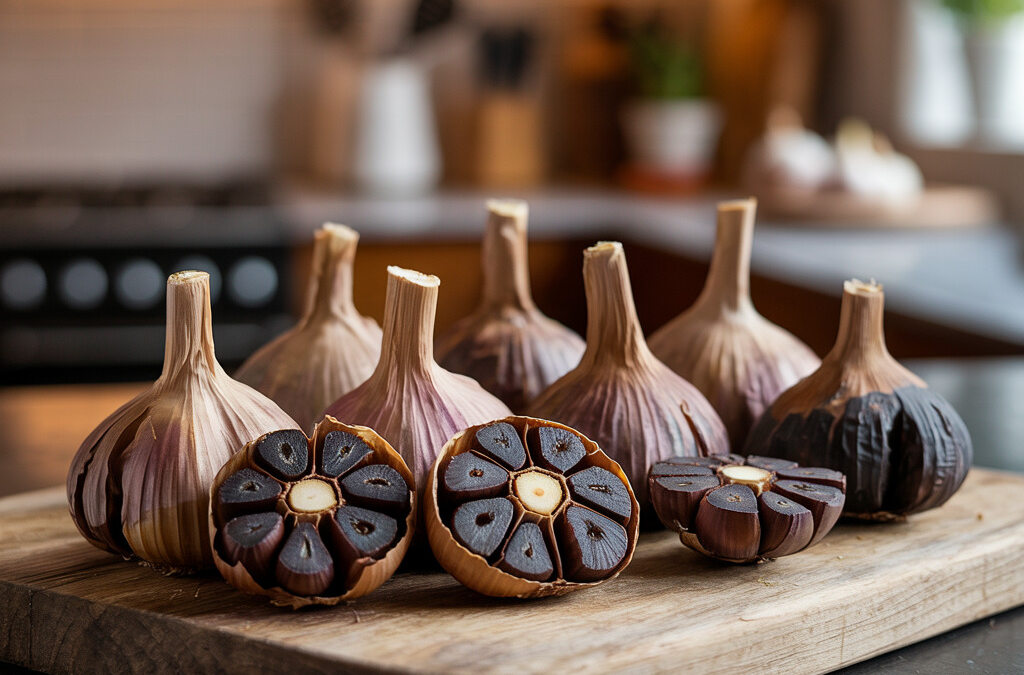
Black Garlic In Sauces: Elevate Your Dishes
Did you know most chef secrets revolve around one thing: umami? Black garlic delivers a knockout punch where it counts. It brings both sweetness and depth. Imagine rich, velvety caramel tones with hints of balsamic that sneak up on you with every bite. Black Garlic in Sauces is one sure way to shake up your old standby recipes. It adds almost 50 percent more antioxidants than raw garlic. But honestly, I keep it around because my grilled cheese sandwiches get way more compliments with a slick of black garlic sauce between the bread and cheese. Sauces with black garlic make taste buds dance a jig.
Home cooks say black garlic feels fancy, but it’s not hard to add to everyday cooking. I used a healthy spoonful in a quick pan sauce last weekend, and it was like “How did you get this flavor?” Black garlic in sauces doesn’t have to be reserved for three-star restaurants. By the end of this article, you’ll know the basics for making black garlic at home, and a few pro tips I’ve gathered along the way. Ready to dive in?
Understanding Black Garlic: A Flavorful Transformation
When you first hear about black garlic, you might wonder how it’s so different from regular garlic. Believe it or not, you start with the same white garlic bulbs you find at almost every grocery store. But black garlic doesn’t taste—or look—anything like the original. The secret behind black garlic’s unique magic is a transformation that happens slowly and naturally: through a controlled aging process, the cloves of raw garlic turn black, become soft, and develop a mellow, slightly sweet flavor that’s almost impossible to forget.
From Simple Garlic to Savory Black Gold
So why do chefs and home cooks love it? Regular garlic is punchy, bold, and sharp. Black garlic has lost all that bite but takes on a silky texture and tastes like molasses had a lovechild with balsamic vinegar and roasted garlic. It’s both familiar and totally new at the same time. The color might be a surprise the first time you peel open a clove. Instead of white inside, you’ll get an almost jet-black garlic that glistens a little and smells inviting, in a weirdly sweet-sour way.
But it doesn’t just sit pretty on your plate. No ingredient today matches the number of ways black garlic’s flavor shape-shifts depending on what you’re making. If you’re curious, try using Black Garlic In Sauces for a warm, funky backbone of flavor in vinaigrettes, dips, and spreads. Even a hidden swirl under scrambled eggs will have folks poking around to figure out “what ingredient’s doing that?”
You might be asking, “Why can’t I just buy some? Why bother with homemade?” Good question. Not all markets stock high-quality black garlic. When they do, prices run fairly steep, and you may not always know just how fresh it is or what goes into it. Making it at home doesn’t just solve those problems, it gives you complete control—no more hoping your little tubs of umami treasure are just as good as the last. And it’s not nearly as science-fiction as it sounds. Creating this dark delicacy comes down to time, heat, humidity, and patience.
Once you have a stash of black garlic knocking around your pantry, watch your cooking game level up. Just a clove or two snuggled into savory dishes, tossed with grilled meats, or stirred into pasta brings a layered, mouthwatering goodness you can’t possibly rush. You might just become known as “that friend with the black garlic tricks.”
Before you know it, using Black Garlic In Sauces slips right into your kitchen routine, helping every meal taste fuller and richer. Now, let’s get ready to make some from scratch.
Essential Equipment for Making Black Garlic at Home
Let’s get down to brass tacks: if you want to make black garlic at home, you just need a few basics and a bit of patience. The top of your shopping (or “let me check the shed”) list is a reliable slow cooker, rice cooker, or even a fermenting box with a consistent “warm” setting. Black garlic shouldn’t see much more heat than about 140–170°F for a long stretch of time. If that sounds finicky, remember, investing in access to good homemade black garlic means next-level flavor for homemade pasta, roast meats, or dressings like Black Garlic In Sauces.
If you’ve ever grown anxious about food aromas wafting through the expanse of your home, add this to your cart: a food-safe plastic wrap or foil, plus a large airtight container or lidded roasting pan. Riding out nearly a month of gentle fermentation does build a scent that can be… well, assertive. It doesn’t linger heavily, but it isn’t for everyone unless you really love garlic. I’m Team Garlic, but fair warning if you’re sharing a small space.
Handy Tools to DIY Black Garlic
Here’s the gear you’ll use most:
- Cooking device: A rice or slow cooker, or professional fermenting box.
- Airtight covers or wrapping: Aluminum foil or double-layered food wrap.
- Stable power source: Even temp is vital, especially in drafty kitchens.
- Cool, dry storage: After your cloves are sweet, sticky, and black, pack them in glass jars with tight lids for longevity.
Bonus: Unlike buying factory-packed black garlic at fancy grocery stores, you’ll know exactly what goes into your batch, and you won’t have to fight for the last package. Homemade cloves come alive with extra tang when blended sizzling into Black Garlic In Sauces by the spoonful or mashed on grilled bread with a bit of salt. Mastery starts with solid tools in your corner and sharp recipes in hand.
Step-by-Step Guide to Crafting Black Garlic in Your Kitchen
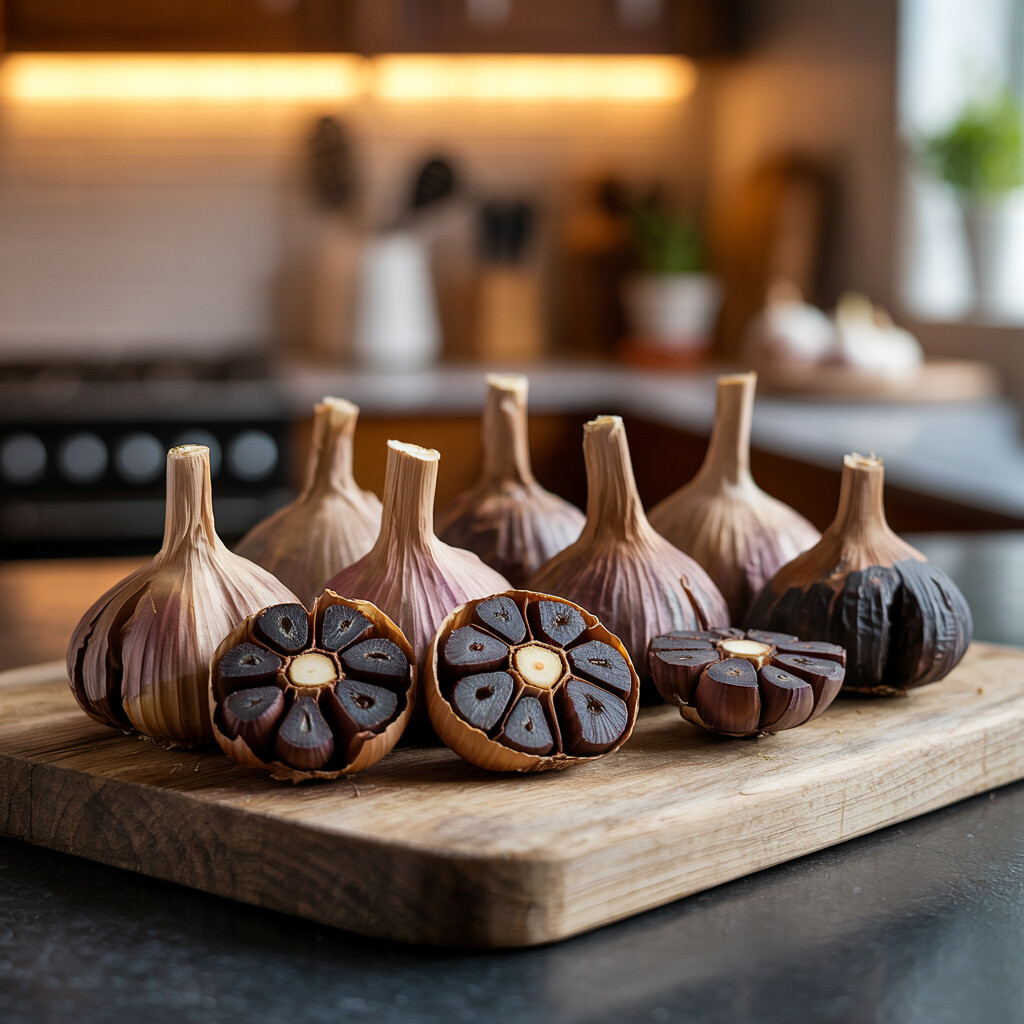
Making black garlic sounds mysterious, earth-shattering even, but you can tackle it at home with a little patience and commitment. Why bother? Easy: With just some basic gear and a little time, you can end up with savory black garlic much cheaper than the fancy stuff at the health food store. It’s also one of those magical ingredients that can turn an okay sauce or homemade marinade into something truly memorable.
First, break apart several heads of fresh garlic, keeping the papery skins in place. Give them a gentle clean to wipe away any superficial dirt. Avoid using old garlic or jumbo supermarket cloves. For the slow-cook magic that transforms garlic into those black, umami-packed nuggets, you’ll need a rice cooker with a “keep warm” setting (not “cook”!), a fermenting box, slow cooker, or dehydrator. The goal is low, steady warmth—around 140 to 170°F—for a few weeks. Since patience is key, maybe plan a distracting hobby or two.
Grab a few layers of cheesecloth or thin paper towels and wrap your fresh garlic bulbs so they’re cozy but not totally sealed off. This helps prevent black crust or toughening. Set your garlic inside the device, prop the lid slightly using a wooden spoon, and make sure it stays aerated, which is important for the process. Resist the urge to peek too often, which could mess with the temperature and moisture level. All you have to do now is wait about three weeks. Around a week in, you’ll notice the transformation. Once the inside is jet black, sticky-sweet, and savory soft, move the bulbs to cool storage.
If you want to speed up the process, smaller garlic bulbs can take less time due to their compact size. Take a look at the table below to get a better idea of what you can expect based on storage method and how soon you can be spooning black garlic into sauces or creating gourmet marinades at home.
Once you have your first fresh batch, it’s hard to go back. Making black garlic is a rewarding DIY project, especially when you experience that incredible flavor boost in pasta, ramen, or vinaigrettes. Incorporating Black Garlic In Sauces made at home offers both cozy brag rights and a more complex, caramelized option for forming the backbone of many surprise-and-delight recipes. Still curious? For a bit of nitty-gritty insight into the Black Garlic Preparation Techniques, you can head here: Black Garlic Preparation Methods A Home Cooks Guide.
Black Garlic in Sauces: Elevating Your Culinary Creations
If you’re on a mission to wake up your cooking, there’s nothing like the instant “wow” that black garlic in sauces can bring. Trust me, this ingredient works magic in everything from sauces and dressings to dipping oil and glazes. While regular garlic tends to punch you in the taste buds, black garlic’s tangy, almost molasses-rich sweetness adds subtle layers that play nice with everything from elegant dishes to down-home comfort food.
You know that problem when a great sauce still falls a little flat? Say hello to black garlic. Just pureed into a little olive oil or good vinegar, it laces sauces with Umami the way soy or anchovy do—but without overpowering other flavors. Its sticky sweetness makes balsamic glazes richer, vinaigrettes more mysterious, and meat sauces crave-worthy. My kitchen hack for last-minute dinners: swirl a mashed clove into mayo or Greek yogurt and, suddenly, you could charge extra for a turkey club.
Using Black Garlic Sauces To Stand Out
The adventure doesn’t stop with vinaigrettes or mayo. Tapenade is a classic, but swap black garlic for raw and add a twist of orange zest, and you’ve got a spread that begs for party crostini or grilled chicken. Try combining it with soy, sherry, ginger, and a little honey for a glaze that gives grilled pork chops or tofu fingers some serious wow factor.
If you’re newly obsessed with garlic confit or miso butter, throw black garlic into the mix. It’s pure comfort sauce perfection. Tough to track down good black garlic? Don’t sweat it—I’ll walk you through how to make your own in the next section. The reward: sauces, dressings, and glazes that will make you wish you owned a tuxedo or a ball gown, just so your dinner fits the part. Black garlic in sauces is not just your secret weapon, it might help you make new friends. Or, at the very least, nobody will ever turn down an invitation to your table.
Delicious Black Garlic Sauce Recipes to Try Today
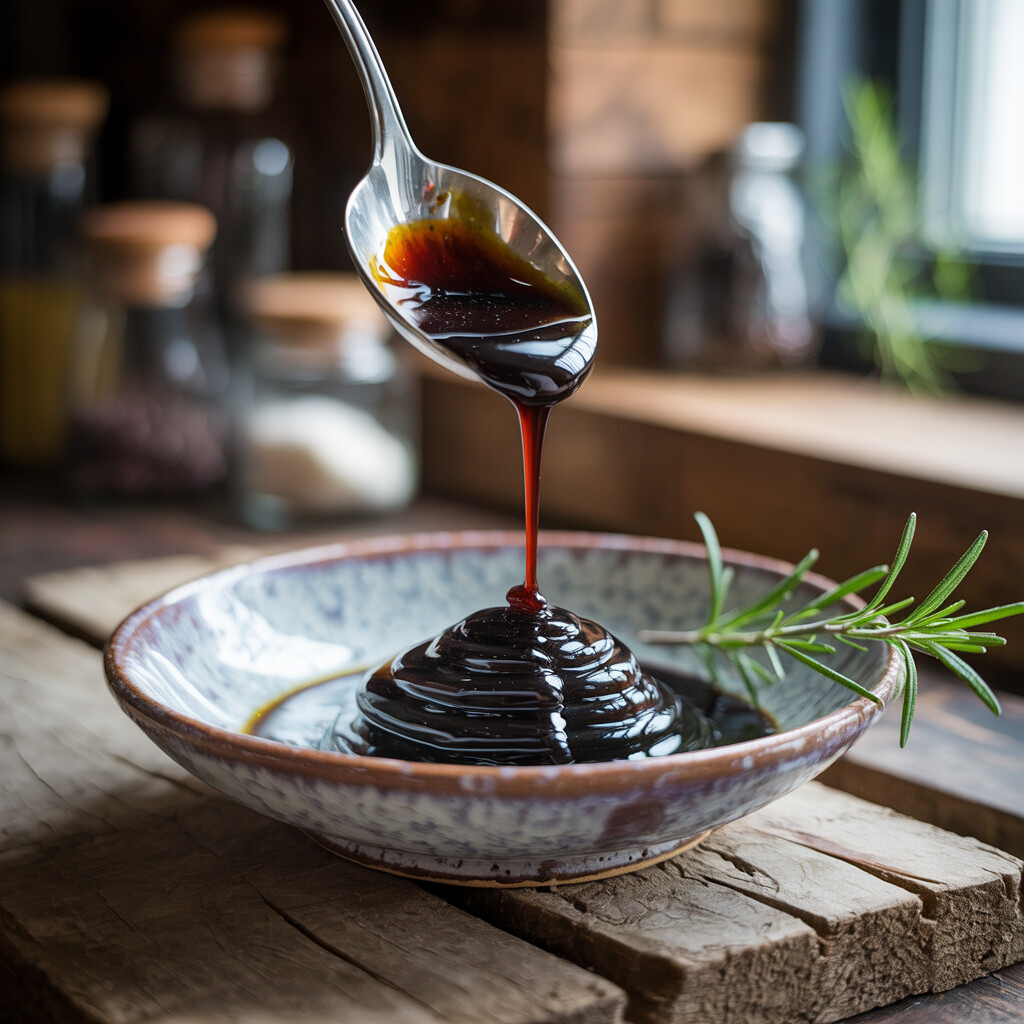
If you have just made a batch of black garlic, the real adventure begins with the sauces you can create. Black Garlic In Sauces brings a sweet, mellow depth that stirs up sauces like nothing else. It turns simple dinners into the sort of secret-ingredient meals people remember.
There is gold at the end of this garlicky rainbow, and it is a lineup of flavor bomb black garlic sauce recipes that go far beyond typical pasta or steak options. If you had a hard time finding good black garlic at your local store, thanks to all your patience, you have more than you could ever use – and you can skip jarred sauces from specialty shops.
Black Garlic-Inspired Sauces for Every Table
You will get a silkier, richer punch out of any basic tomato sauce if you blend in two or three chopped black garlic cloves with half a cup of hot water and let it sit for a few minutes, then puree. You can use it on pizza, pasta, or a saucy breakfast bake. You can create black garlic pan sauce in the time it takes to rest your roast. Whisk together equal parts heavy cream and chicken broth, a tablespoon or two of Dijon, a splash of your pan juices, and a mashed clove, and simmer until ready.
Looking for something bold but beautiful for grilled vegetables or pork? Mash up three or four cloves with soy, mild vinegar, and honey. Toss tough winter greens (collards, kale, or cabbage) in butter along with one or two pulled-apart cloves to balance bold flavors. You can even add it to creamy dressings for a peanut noodle salad or to brighten up a store-bought slaw mix.
If wok-inspired foods make your heart beat faster, try a glossy, soy-based black garlic drizzle. Simmer four cloves, a quarter cup of soy sauce, an inch of ginger, and just enough brown sugar to thicken. Stir it right into stir-fried noodles or pour it over a deep pile of roasted mushrooms.
When you use Black Garlic In Sauces, you are not just seasoning food, you are introducing people to at least two hundreds years of Southeast Asian cooking history, bottled sweet-and-savory charm – and a little bit of kitchen magic.
Inside our Category Black Garlic Recipes section, you will find dozens more tips, suggestions, and simple builds for sauces, glazing, meat toppers, seafood, pizza, and more—so you will stay inspired with making black garlic sauce for weeks to come. Grab that black garlic and let your kitchen become the destination for this mysterious, mood-boosting umami.
Making Black Garlic Sauce: Tips and Techniques
When it comes to Black Garlic In Sauces, there are a few basics to cover before we go wild with creativity. First, use fresh black garlic when you can. If it’s hard to find in your area, your homemade stash will work just as well—sometimes even better since, hey, you made it yourself.
Chop or mash your black garlic cloves to release all that deep, molasses-like flavor. If the cloves seem a bit sticky (which is very common), simply wet your knife blade or toss them into a small food processor for a smooth, even paste. Once prepared, you can use black garlic as a base for everything from stir-fry glazes to creamy salad dressings.
Getting the Right Texture for Black Garlic Sauce Recipes
One trick for Making Black Garlic Sauce that sings is blending your ingredients until super smooth. A regular blender does well, but if you’re after a glossy finish, try a high-powered one or an immersion blender. If lumps remain, run the sauce through a fine-mesh sieve before adding it to your dish.
For balance, add bold, acidic notes to lighten the sauce and make its flavor pop. Bright vinegar, a squirt of lemon, or even a spoonful of Dijon mustard lifts the sweet darkness of black garlic and keeps it from turning too heavy or gluey in texture. You can also use a neutral oil, like grapeseed or light olive, to bring creaminess and help your sauce coat meats or veggies.
Taste the sauce as you go. Black garlic is sweet and mild compared to raw garlic, but the batch-to-batch flavor may surprise you. Maybe your latest batch pulls a little more towards roasted prune or just-born fig—let the flavor roll as it wishes and adjust your seasoning on the fly.
If you’ve made a lot and are wondering about shelf life, tuck the extras into an airtight container and chill. It’ll stay smooth and lovely for a week or more, and just might save your next veggie bowl or bowl of ramen from being boring.
As with many things, Black Garlic In Sauces rewards a little imagination. It can handle Asian-inspired soy dressings, steak sauces fit for royalty, taco upgrades, or even whisked into honey for an unexpected twist. So mince, mash, blend, or purée and let the kitchen become your black-garlic-scented playground.
Incorporating Black Garlic into Marinades for Deeper Flavor
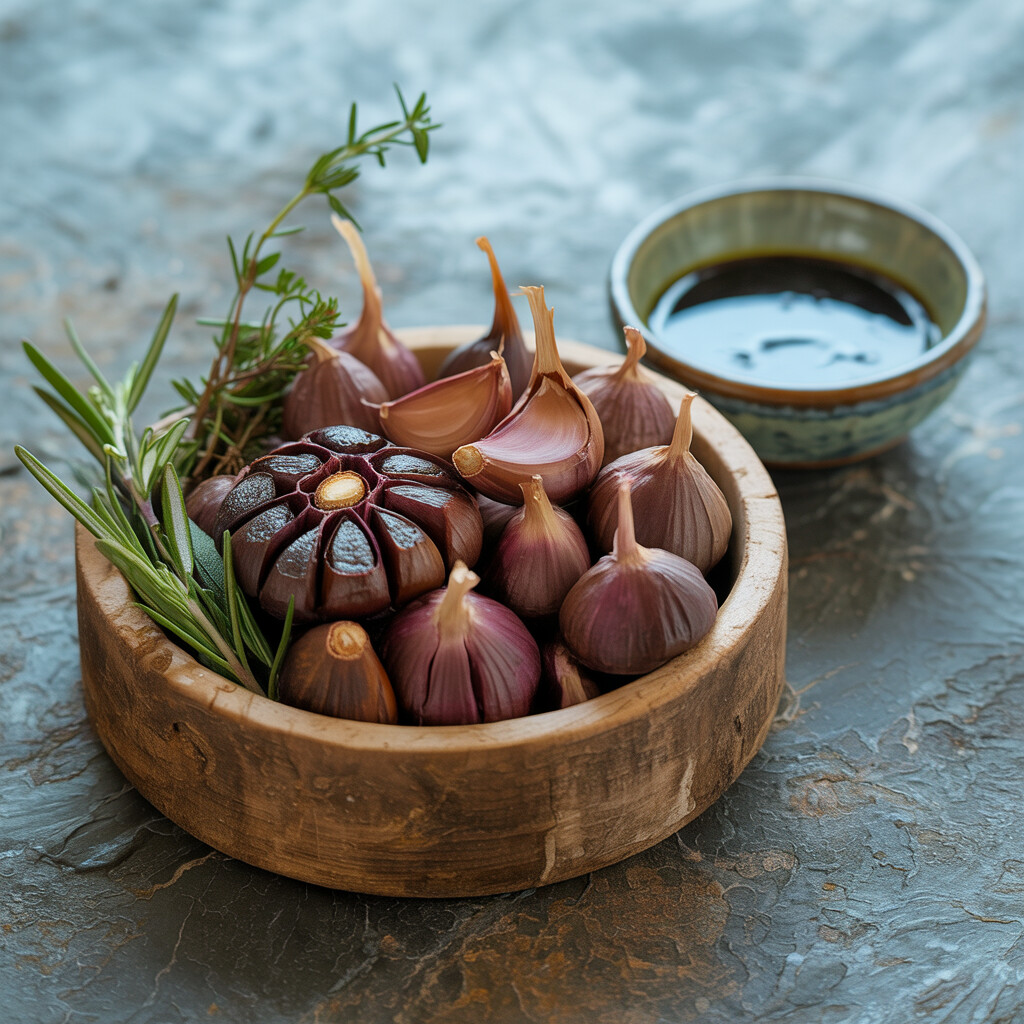
If you want to punch up your marinades with a rich, unforgettable flavor, black garlic gives you both the sweet and savory notes your food craves. You might even say it sneaks extra depth into every bite. When I whisk black garlic into oil and vinegar for a steak or roasted mushroom marinade, I can almost hear my taste buds cheering. And if you’re one of the many folks who can’t always find pre-made black garlic products, making it at home lets you harness its power in everything from sauces to new spins on old favorites.
Marinades Using Black Garlic or Black Garlic In Sauces
To get started, smash the peeled cloves (a mortar and pestle or the flat side of a big knife will do the job). Blend the paste with your favorite acid, like rice vinegar, lemon juice, or even balsamic. Next, add your oil: olive, avocado, or grapeseed—the flavor options bloom from here. Splash in soy sauce or Worcestershire if you like extra umami and round it out with a touch of sweetness (think honey or maple syrup). Toss in herbs like rosemary for earthy flair or cilantro for a fresh finish.
Let your protein soak in this mix anywhere from an hour to overnight. Black garlic brings out all the best sides of steak, pork, mushrooms, tofu, and hearty vegetables such as eggplant. The longer, slower the marinade, the more those pudgy little garlic pillows do their job: melting and caramelizing into the surface, making every bite distinctly sweet, earthy, and “Where has this been all my life?”
You’re not just limited to meat or char veggies. A swirl of black garlic marinade tossed with potatoes before roasting is sheer comfort. Drizzle a little extra over salads, or add a bit to Black Garlic In Sauces or stir-fried noodles to bump up the mouthwatering goodness.
If you’re on the hunt for more shortcut ideas, keep some of the base paste handy in a sealed jar in your fridge; a spoonful will transform any sauce or dish whenever you crave something bold and new. Remember, the sweet umami richness of black garlic tames harsh flavors and wakes up subtle ones, making your everyday cooking more special, homemade or not.
Storing and Preserving Your Homemade Black Garlic
Congratulations, chef! You have made black garlic at home. Now comes the finale: keeping your hard-won treasure in top shape. Black garlic is famous for its soft bite and sweet-savory punch, but honestly, it is way too precious to let go stale or soggy. Proper storage means you can dip into your batch for months, turning everyday dinners into something special, especially when it is time to whisk together a sauce or build a marinade.
Preserving Black Garlic: The Right Ways to Store Your Batch for Recipes and Sauces
First, chill out—literally. Pop your black garlic bulbs or peeled cloves in an airtight container. I like using a small glass jar or bag, as this helps keep all aroma and moisture inside, away from light and pesky chill scents your fridge might throw at it. Refrigeration is key: you want black garlic to stay moist but not wet, and the cool air helps it last three to six months, maybe longer. Every time you unscrew the jar, the cloves will retain their chewy goodness, ready for smashing into softened butter or spooning into your next dreamy sauce.
If your batch is larger, freezing also works. Lay whole bulbs or peeled cloves in a freezer-safe bag, press out extra air, and freeze flat. This keeps the texture, and you can pull one or two out for stir-fries, spreads, and especially for Black Garlic In Sauces when friends drop by and you want to impress.
Opened garlic will darken and dry out gradually at room temperature, so only leave out what you plan to use soon. Sometimes, if time is tight, just squeeze and blend an entire clove straight from the fridge into your favorite condiment or smashed avocado toast.
With your black garlic safely stashed away, you hold real pantry gold in your hands—a flavor booster waiting to transform humble soup, silky vinaigrette, or any Black Garlic In Sauces recipe you have been dying to try. Keeps those taste bud fireworks coming long after you forget the hours under low heat.
Exploring the Health Benefits of Black Garlic
You might start making black garlic for its taste, but you’ll discover some surprising health perks as you go. We all know garlic has had a big moment in health circles, and black garlic brings a new punch to the wellness scene thanks to how it’s aged. During the aging process, regular garlic bulbs transform, their sugars and amino acids turning into a bundle of black-tie compounds that offer a sweet, yet tangy, earthy flavor. This magic also loads black garlic with antioxidants that pack a punch well above what you’ll find in raw garlic.
A Tasty Way to Boost Immunity
Black garlic is a rich source of S-allyl-cysteine, a compound tied to heart health, cholesterol levels, and sharper immune function. If your kitchen is anything like mine, with homemade sauces simmering and our favorite veggies roasting, try blending black garlic in sauces for your bowls, sandwiches, or rice. Not only are you boosting your dishes, you’re also adding nutrients your skin, heart, and body will thank you for.
On the wellness front, some early studies link regular black garlic to the improvement of blood sugar levels, less inflammation in the body, and supporting healthy liver function. If you’re powering through post-workout aches, black garlic might help speed up muscle recovery since its anti-inflammatory kick is much higher than raw garlic. For many people, quality black garlic products can be hard to find, which makes the effort of making your own trustworthy batch even more worthwhile.
So go ahead: swish a homemade black garlic sauce over your greens, marinate your chicken, or even top your pizza with roasted black garlic. When you’re enjoying black garlic in sauces and as a sweet, sticky homemade treat, you’re doing a lot more than treating your taste buds. You’re fueling a healthier body and unlocking new possibilities in your cooking. And if you want to really dig into the science and explore more of its health perks, you’ll find that black garlic earns its place as a modern pantry staple.
Conclusion
By mastering the step-by-step guide to crafting black garlic in your kitchen, you’ve unlocked one of cooking’s best secrets. Gone are the days of searching high and low for quality black garlic or feeling boxed in by the products on your grocery store shelf. You now have the know-how to produce a flavorful stash in your own home.
Tap into your newfound skills by using black garlic in sauces to introduce bold flavors to your recipes. Play around with new sauce blends or incorporate extra depth into your favorite marinades. Unleash your creativity and discover why black garlic is such a versatile player in the kitchen. Now is your chance to let these mellow, umami-rich cloves take center stage and elevate everything you cook.
FAQ
How does black garlic transform the flavor of sauces?
You will notice a big shift in depth and sweetness when you use black garlic in sauces. The gentle caramel and almost balsamic notes set your dishes apart from a regular garlic or tomato sauce. Black garlic adds richness without overpowering other flavors, so you don’t need to be shy with how much you use. I like to emulsify some with olive oil, then swirl in a little soy sauce for a quick steak drizzle that people remember as a wow moment. Even basic pasta dinners take on a new personality that feels special but doesn’t heat out the competition on your spice shelf. Your guests will probably ask you for the secret; I used to wink and claim “years of practice” until I let a friend in on black garlic’s magic.
What’s the best way to evenly mix black garlic into sauces?
Your blender or food processor becomes your new best friend when mixing black garlic into sauces. The garlic purées easily since it’s soft and sticky, so adding a scoop to warm liquids helps it blend in and coat your tongue with every bite. If you’re working with a thinner sauce, you can just smash the garlic with a fork. Otherwise, if you’re thickening with cream, blend the black garlic in first, then use a whisk to finish—you might ditch the jarred basics for good. My cousin Cathy skeptically added some to mayo for potato salad, then left a tiny black garlic smudge on her chin she loved it so much.
Can I substitute regular garlic with black garlic in my sauce recipes?
It’s tempting to swap regular garlic for black garlic, but the differences are key to unlocking new flavors when experimenting with black garlic in sauces. Black garlic plays well with almost anything that calls for garlic, but you might want to use slightly less and blend it in more thoroughly. I added just a couple of cloves to a basic vinaigrette last week as a test, and suddenly my salad was the most exciting thing at the table. Don’t worry about bringing the full stinging hit of white garlic—black garlic layers subtle fruit and umami and will not let you go back. The only tough part? You may be stuck making it every time.
What is the best sauce to try black garlic in for a beginner?
You will hit a home run by marrying black garlic with hollandaise or a simple butter sauce, if you’re new to black garlic in sauces. These sauces blend fat and emulsion beautifully, warming the black garlic and rounding out its caramel and prune notes into a cloud-like spread. After noshing on steak and fried potatoes, friends begged for the black sauce in their next doggy bag. It happens to play nice with mushrooms and soy, doubling down on rich brown foods like radishes roasted on high or sweet sausage and fenugreek. Find fun in the element of surprise—tasting the result rarely spoils the plot.
What are the health perks of adding black garlic to sauces?
The health perks come in as a free bonus to making black garlic in sauces, thanks to its higher antioxidant count and reduced sugars over raw garlic. Garlic lovers tend to mask black garlic’s potency and age with heat, prolonging dishes and your shelf life in the process. You’ll find improved digestion and a boost of anti-inflammatory assistance just by swirling it into salad dressings or barbecue. My go-to weeknight hack is whisking it with Aldi’s cheap teriyaki—marinades allow the hampiest sugar plums in your wildest imagination.
Are there any cuisines where black garlic sauce is a must-try?
Go nose-first into Japanese or Korean cooking the next time you end up making black garlic sauce. It brightens mi so, shoyu, and dressing bases, complements soy-forward fried chickens, and lifts your umami-flag up Everest while sweating on top. If you are a chili oil true-believer, black garlic swapped for shallot is a new jam. Your meal brings a deep wall of flowers and forest warmth, regardless of whether you ordered pork belly with onions or aromatic tofu and spinach. That easy swirl of black garlic makes a side bowl more revered than even the best slick supermarket sauce.
Do you need to cook black garlic before using it in sauces?
No, you don’t need to cook black garlic before working it into sauces, which makes adding black garlic in sauces a shortcut to depth and elegance. The magic of black garlic is in its naturally spreadable sweetness and practical against French mayonnaise—a fork ms each rounding the bite. I dreaded eating fish cakes, until I laid on thin black garlic slices and got peace in each sauce puddle. Try pressing it into a good olive oil and drizzling it somewhere not normal, like next to peanut-chopped pan-roasted squash. That next sauce could be a beckoning whisper—come taste, find gratitude.